
Mi Bella Mondo

The UWA Rangers Who Make It Possible

Meet Nicholas: The Man Who Teaches Gorillas to Trust

A Ranger’s Story of Patience, Dedication, and Four Years in the Forest

When I met Nicholas after our trek with the Shajare family, I didn’t realize I was standing before one of the people who made that magical hour possible. He wasn’t just a ranger patrolling the forest—he was one of the architects of the experience I’d just had.

Nicholas is a gorilla habituation expert, and for four years, his job was to earn the trust of wild mountain gorillas!

A Day Job Like No Other

"I came to this forest every single day," Nicholas told me, his voice filled with quiet pride. "8 AM to 5 PM, like a normal job. Except my office was the forest, and my colleagues were gorillas."

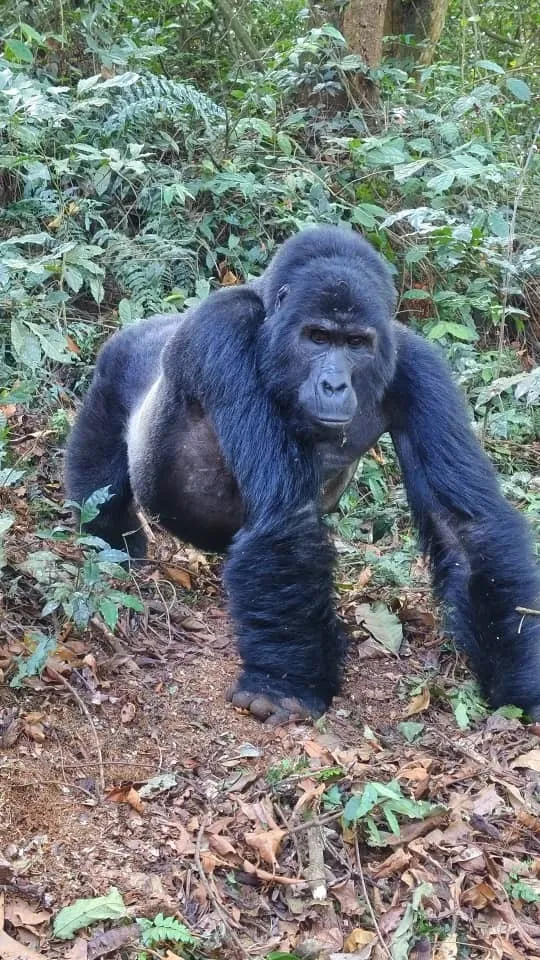
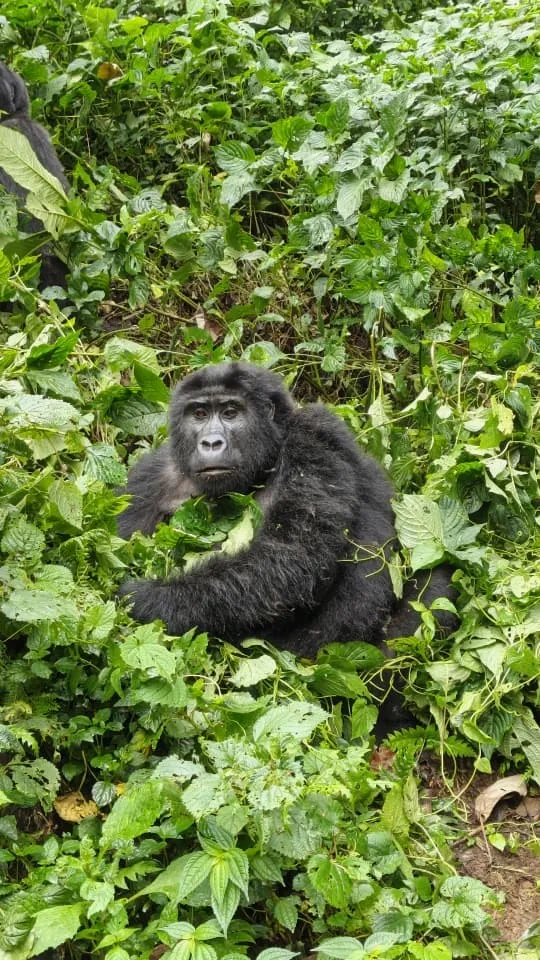
For four years, Nicholas followed the Shajare family through Bwindi’s impenetrable undergrowth. He observed them, cared for them, and gradually taught them that humans weren’t a threat. He learned their personalities, documented their behaviors, and watched them grow from a wary wild family into gorillas comfortable enough to allow visitors into their world.

At the time of habituation, there were eleven members in the Shajare family. Nicholas knew each one by name, by temperament, by the role they played in the group. He explained that gorilla families often split into smaller groups since each typically has just one silverback—the dominant male who leads and protects them.

The Work Behind the Magic

Habituation isn't quick or easy. It takes between 2 and 5 years of daily commitment, and Nicholas was there for every step of the Shajare family's journey. Every morning, he would follow the family to their nesting spot from the night before. He began by observing from 15-20 meters away, watching how they fed, played, groomed, and interacted. Gradually, over months, he moved closer—but only when the gorillas showed no signs of stress or fear. He made soft sounds so they learned to recognize his voice. He moved predictably so they understood his intentions. He showed calm, non-threatening body language. Essentially, he taught the gorillas a simple lesson: "We're not a threat." Over time, the gorillas ceased running when he approached. They stopped watching him nervously. They went about their daily routines—eating, playing, resting—as if he were just another part of the forest. And that's when a family is considered habituated

The Bashate Family: Years of Dedication

Nicholas didn't just habituate the Shajare family. Years earlier, he had done the same work with the Bashasha family, another gorilla group in Bwindi. As we talked, his eyes lit up. He pulled out his phone and began scrolling through photos—images of gorillas he'd spent years getting to know. Each photo came with a story. This one is the playful youngster who always got into trouble. That one is the gentle mother who fiercely protected her baby. This silverback had the calmest temperament Nicholas had ever seen. You could see the pride in his face. These weren't just animals he'd observed for work. These were individuals he knew intimately, gorillas whose trust he'd earned through patience and respect.

"It's Like Watching Your Children Graduate"

“When a family is finally habituated,” Nicholas said, “it’s like watching your children graduate. You’ve been with them through everything—births, deaths, fights, and peaceful moments. You know each one by name, by personality. And now, they trust humans enough to share their world with visitors like you.”

He paused, looking back toward the forest where the Shajare family was somewhere deep in the trees.

“The Shajare family took four years. Every day, rain or shine, I was here. And now, you’ve got to meet them. That’s why I do this work.”
Why Habituation Matters

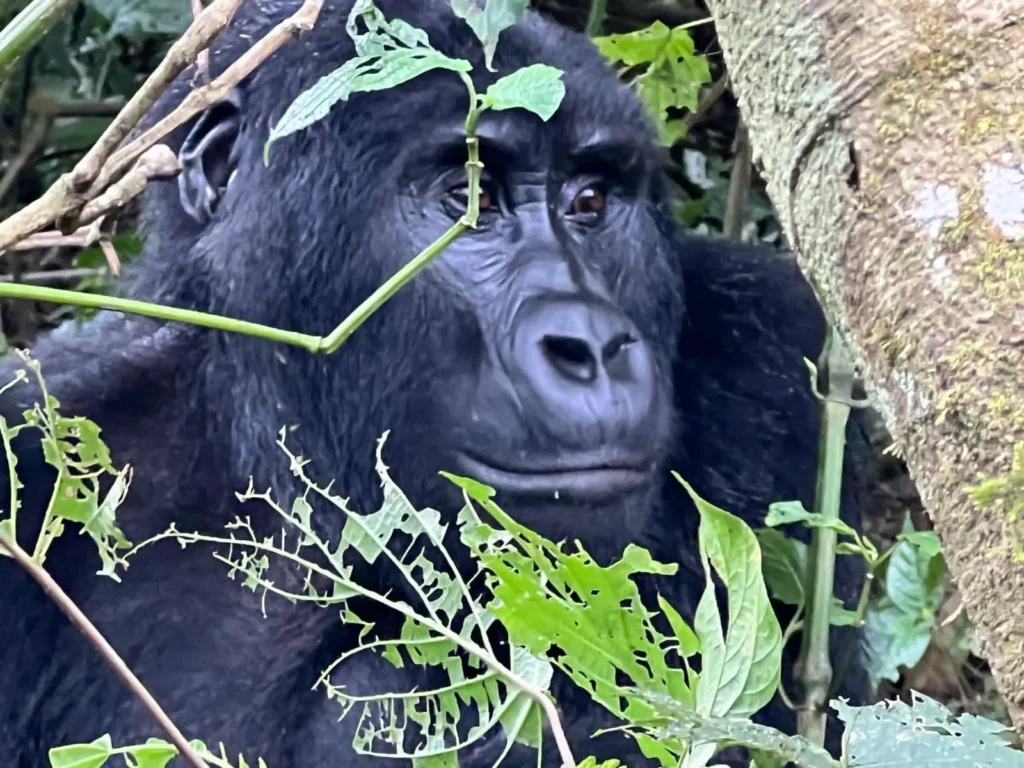
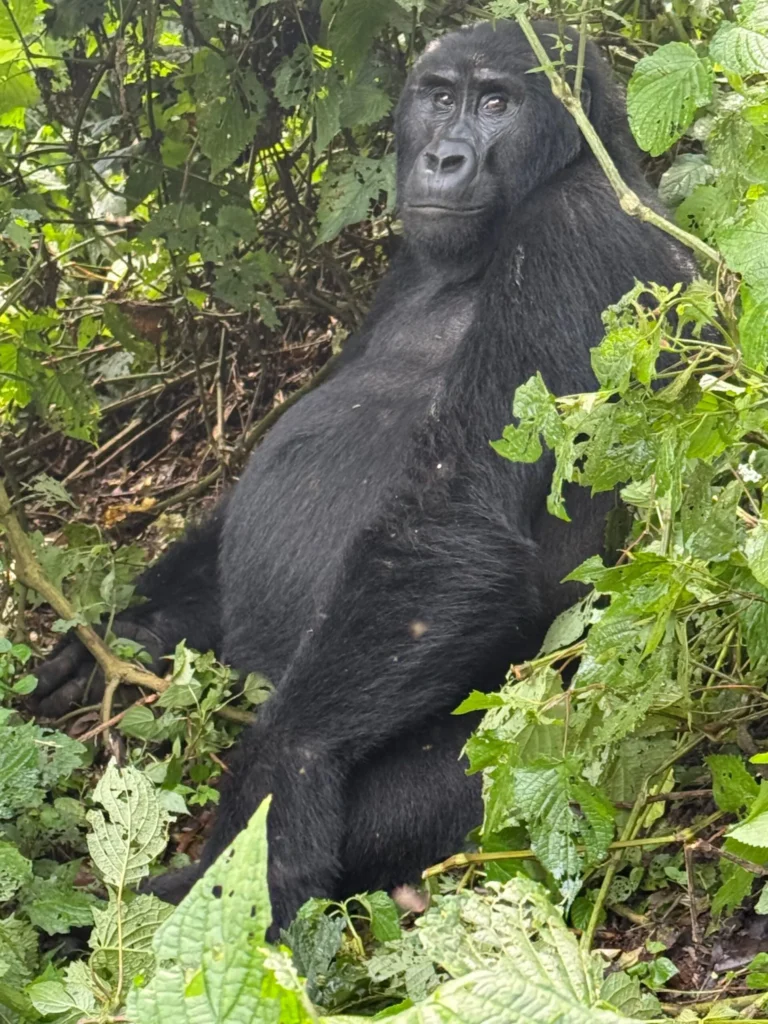
Habituated gorilla families are the backbone of gorilla tourism, and tourism is what funds conservation. Without habituation, there would be no permits, no tourism revenue, and far less protection for these endangered animals.

But Nicholas’s work goes beyond tourism. Habituation also allows researchers and veterinarians to monitor gorilla health more closely, respond quickly to injuries or illnesses, study behavior and social dynamics, and track population changes. It’s essential for the survival of the species.

The Question Everyone Asks: Is It Ethical?

I asked Nicholas directly: Is it ethical to habituate wild animals this way?

“The gorillas we habituate are calm,” he explained. “They don’t run. They don’t show stress. They’ve learned that we mean no harm. Is it different from their natural life? Yes. But without tourism, without the money and attention it brings, we probably wouldn’t have gorillas at all.”

He’s right. In the 1980s, fewer than 300 mountain gorillas remained in the wild. Today, thanks to conservation efforts primarily funded by tourism, that number has grown to over 1,000.

Habituation changes gorilla behavior—they become comfortable around humans in a way wild animals typically aren’t. But when done carefully, ethically, and with strict limits (only 8 visitors per family per day, one hour maximum, masks required, health checks mandatory), the benefits for conservation far outweigh the risks.

Nicholas put it simply: “These gorillas are ambassadors. Once you meet them, you’ll do anything to protect them. And that’s what keeps them alive.”

The Rangers Behind Every Encounter

When you trek to see mountain gorillas, you see the trackers who find them, the guides who lead you, and the porters who carry your bags. But you might not see the rangers like Nicholas, who spent years in the forest before you ever arrived, building the trust that makes your encounter possible.

Every calm moment with a gorilla family. Every curious glance from a silverback. Every playful youngster tromps through the undergrowth. It’s all built on years of daily dedication by people like Nicholas, who chose to spend their lives in the forest, teaching gorillas to trust.

The hour you spend with the gorillas? It’s the result of thousands of hours that came before it.

And that’s something worth remembering.

Photo Credit: Nicholas, UWA Ranger 

Scroll to Top