Mi Bella Mondo

Cristy S

Hidden Wonders of Bosnia and Herzegovina

Bosnia and Herzegovina is a fascinating country in the Balkans. Bosnia and Herzegovina is renowned for its abundant history, diverse culture, and breathtaking natural scenery. Its blend of Ottoman, Austro-Hungarian, and Yugoslav influences is visible in its architecture, food, and traditions. Though the country bears scars from its turbulent past, it remains a place of immense beauty, warmth, and cultural depth, making it a unique destination for travelers. Exploring Medjugorje When we arrived in Medjugorje, we felt serenity and calmness. The little village radiated respect and tranquility. The reported apparitions of the Virgin Mary brought Medjugorje worldwide recognition. This place turned into a major Catholic pilgrimage destination. These apparitions sparked six local children to report seeing the Virgin Mary on Apparition Hill in 1981. Since then, many people who believe Medjugorje has miraculous healing abilities have visited the place. Many pilgrims have claimed strong spiritual awakenings and healing. Rising against the horizon, St. James Church—the spiritual center of the town—stands forth. On a sweltering Medjugorje day, we began our difficult climb up Apparition Hill. This was a challenging path because of its somewhat high slope. The dry, rocky ground and scorching heat made it harder to climb. As we climbed higher, the view started to show the beauty of the vast stretches of the nearby hills and valleys. For us and the other climbers, the intermittent wind provided a brief respite from the heat and offered some comfort. Despite the heat making the ascent sluggish, we persevered. The spiritual value of the trip for the pilgrims transcended their exhaustion on a hot July day. Believers gathered around a monument to the Virgin Mary. This marked the location of her first apparition for the group of children in 1981. A large cross on top of the hill offered a panoramic view. Some pilgrims continued to climb the steep hill to pray, taking in the breathtaking surroundings. The boys persevered while I sank to the ground below. Simply put, it was too hot! Trekking back from Apparition Hill was a quiet affair. The boys returned from their climb, and we had a quick lunch before leaving to travel to Mostar. Medjugorje offered an intense spiritual experience. The town’s peaceful and devout attitude produced a special and powerful spiritual atmosphere. This pilgrimage has affected the lives of millions of visitors before us. As we left Medjugorje, the tranquil streets gave way to the rugged landscape of Bosnia and Herzegovina. With sporadic views of the Neretva River glittering in the afternoon light, the route to Mostar went past little towns, vineyards, and verdant fields. The terrain seemed ageless, a mirror of the nation, strong and understatedly beautiful. As we approached Mostar, the landscape unfolded to reveal a city nestled between hills. Tips for Visiting Medjugorje Respect local customs and religious importance by dressing modestly. This is especially important while visiting places of worship, such as churches. Be polite and silent in the various places that Medjugorje has set aside for calm contemplation and prayer. If you are visiting in the summer, keep Hydrated. The weather can get hot, so make sure to have water with you! Exploring Mostar Mostar, with its blend of historic Ottoman-style architecture and visible scars from the war, is a city that evoked a range of emotions. The buildings, some still bearing the marks of battle, served as poignant reminders of the area’s turbulent history. This juxtaposition of the past and the more recent recovery makes Mostar a place that resonates deeply with visitors, offering a rich cultural experience. The Stari Most stood as a symbol of Mostar’s resilience, having been rebuilt after the devastation of the Bosnian War. The city, despite the horrors it endured, has risen above its past, a testament to the human spirit’s ability to overcome adversity.   This beautiful stone bridge looks like it has been around for a long time. However, it was only rebuilt a few years ago, which is truly remarkable! The Ottomans built the original bridge in the 16th century. The Bosnian War of 1993 destroyed the bridge, which was a terrible loss for the city and its people. Traditional methods allowed for the stone-by-stone reconstruction of the Stari Most. People from all over the world made this possible. UNESCO has now recognized the bridge as a World Heritage Site. The bridge connects the two sides of Mostar and the painful gaps between people in the past. It had become a symbol of strength and unity. During the summer, divers meet at the bridge to make dangerous jumps into the Neretva River below. This had been a tradition for generations! The bravery of the divers when you see them jump from 20 meters above will inspire you. It felt that each dive honors the history of the bridge and the country. Stari Most’s revealed how powerful Bosnia and Herzegovina is. It links the past and the present, hope and history! Author: CristyPhoto Credit: Nathan Latest Post All Posts Blog The Maha Kumbh Mela: A Journey of Faith and Endurance   A Gathering Like No Other The Maha Kumbh Mela is one of the most significant cultural festivals in the… The Maha Kumbh Mela Day 1: Immersed in the Sea of Humanity   First Day of the Maha Kumbh Mela The official first day of the Maha Kumbh Mela began long before… The Maha Kumbh Mela Day 2: Our Journey Beyond the Sangam   The Nearest Sangam Following our strenuous walk of over 25 kilometers the previous day, every muscle in our legs… The Maha Kumbh Mela Day 2: A Sacred Dip and A Holy Parade   An Unforgettable Experience at the Maha Kumbh Mela   Reaching the Sangam The Sangam is the revered junction of… Serendipity in Jaipur: A Journey Back in Time   My Journey Back in Time I took the night bus from Udaipur to Jaipur, leaving behind the city’s shimmering… Jaipur: A City of Temples, Thalis, and Timeless Chaos   Temples, Thalis, and Timeless Chaos When we

Hidden Wonders of Bosnia and Herzegovina Read More »
The Ultimate Guide to Exploring Bosnia and Herzegovina

EXPLORE Bosnia & Herzegovina                                  Your Comprehensive Destination Guide At a Glance Total area: 19,641 square miles Capital: Sarajevo Main Religion: Diverse, with the main religions being Sunni Islam, Serbian Orthodox Christianity, and Roman Catholic Population: 3.2 million people (2023) Official Languages: Bosnian, Serbian, and Croatian Currency: The Kenyan shilling is the currency in Kenya. The conversion rate was from 1 USD to 127.62 Kenyan shillings. All major credit cards are accepted. Banking Hours: 08:00-18:00 and Sat 08:00-13:00 Telecommunication: Country code: +387   Climate: The Mediterranean climate, with mild winters and hot summers, in the slight coastal stretch; the transitional Mediterranean climate in the western plain (Mostar); and the continental climate, with cold winters and hot summers, in the hilly areas (Sarajevo) and the northern plain (see Bihac and Tuzla). And the chilly mountain climate of the Dinaric Alps. Travel Requirements Bosnia and Herzegovina has the following entry requirements: Passport: Ensure your passport is valid, in good condition, and will remain valid for at least 90 days after your departure. Visa: A visa is not required for stays of up to 90 days for citizens of the EU, the United States, and Canada. Citizens of other nationalities should check with their embassies before traveling.  Proof of funds: Documents that demonstrate you have sufficient funds to cover your trip. Proof of travel can be either a round-trip ticket or a travel itinerary. Documents required for your next destination are proof of onward travel. Documents such as a business cover letter, conference registrations, or other support letters serve as proof of travel purposes. Proof of residence: If you don’t live in your home country, you should bring proof of residence.  Transportation Options   Main Airport: Due to the war’s damage to much of its transport infrastructure, particularly the rail network, Bosnia-Herzegovina is not the easiest country to navigate. Things are improving, however, and decent bus services will almost always be able to get you where you want to go; it’ll just take a little longer than you might expect. Trains: The Swedish government donated the Bosnian trains, which are quite old. The wars severely damaged the rail system, resulting in repairs that were not optimal. In addition, there is widespread smoking on the trains, and they are frequently overcrowded. The route from Mostar to Sarajevo stands out as an exception. There are a few railway lines across the country, but due to severe underfunding, most trains are too slow or irregular to be worth considering. However, one exception is the twice-daily route that connects Sarajevo and Mostar, which is incredibly scenic. Exercise increased caution on public transportation due to pickpockets and those posing as ticket controllers. Buses: Local tram and bus services are reliable. Inter-city bus services are also widely available. There are buses from Croatia to Mostar. The buses were clean and on time. There are several border crossings as the road weaves out of Croatia to Bosnia, then back into Croatia, then back into Bosnia. The border crossings were stricter, as this is not the Schengen zone, and you may have to exit the bus. The local Mostar Bus operates the route from Mostar to Medjugorje, departing across the street from the main Mostar Bus Station, just like it does for Blagaj. 40-minute trip one-way. The schedule posted was accurate. Larger bus companies operate this route from the main bus station. Note: To further complicate matters, there is also a Mostar West/Croat Bus Station. Taxis: Taxi service is available in most towns and for intercity travel. Use only registered taxis whose license plates begin with “TA.” Make sure the driver turns on the meter to prevent overcharging. Travel Safety Tips Exercise a high degree of caution in Bosnia and Herzegovina due to crime and the risk of unmarked landmines and unexploded ordnance in rural and isolated mountainous areas. While there have been no recent terrorist attacks in Bosnia and Herzegovina, they could occur anywhere and at any time. Be alert to possible threats, especially in public places. Terrorists may target tourist areas or other places frequented by foreigners where large crowds may gather. Health Safety The World Health Organization (WHO) has found the Sarajevo public water supply to meet its standards. Experts do not consider the water to be a health risk. Sarajevo’s tap water does not contain lead, but it lacks natural fluoride, necessitating a supplement for children to maintain dental health. A variety of fresh fruits and vegetables are available in the markets. Although most people consider them safe, it’s advisable to thoroughly wash all unpeeled vegetables and fruit to prevent foodborne disease. Fun Facts! The name Bosnia comes from the Indo-Germanic word Bosana, which means water. Sarajevo hosted the Olympic Games in 1984. Bosnia and Herzegovina ranks 10th in the world in terms of coffee consumption. Bosnia and Herzegovina is a country that has more waterfalls than Italy, France, and Germany combined. Perućica is one of the last remaining rainforests in Europe. In the small town of Konjic, located by the Neretva River, there is a nuclear bunker known as the Atomic War Command, built during the revolution in Yugoslavia and under Josip Broz Tito. In the area of Zavidovići, around 50 stone balls have been found, distributed in eleven places. Related Blogs Our Family Road Trip Through the Beautiful Balkans Read More Hidden Wonders of Bosnia and Herzegovina Read More ATTRACTIONS and ACTIVITIES Mostar Famous for the Stari Grad or Old Bridge. The Old Bridge is an Unesco World Heritage site that was rebuilt after the war. The replica was finished in 2004 and readded to the UNESCO list in 2005. Medjugorje Since 1981, in a small village called Medjugorje, the Blessed Virgin Mary has been appearing and giving messages to the world. Our Lady of Medjugorje, also called Queen of Peace and Mother of the Redeemer, is the title given to alleged visions of Mary, the mother of Jesus, said to have begun

The Ultimate Guide to Exploring Bosnia and Herzegovina Read More »

The Ultimate Guide to Exploring Montenegro

EXPLORE MONTENEGRO                                  Your Comprehensive Destination Guide At a Glance Total area: 5,333 square miles Capital: Podgorica (186,000 inhabitants)—an administrative and Economic center Capital: Cetinje, historical and cultural center Main Religion: Various religions, including Orthodox, Muslim, and Catholic. Population: 616,177 thousand (2023) Official Language: English is widely spoken in tourist areas. Currency: Euro (Montenegro adopted the euro as its official currency in 2002.) Banking Hours: M-F 08:00–20:00 and Sat 08:00 AM–15:00   Telecommunication: Country code: +382   Travel Requirements Montenegro is neither in the Schengen Zone nor a member of the EU. US visitors staying for less than ninety days do not need a visa. Tourists must register with the local office even if traveling within Montenegro. In most cases, hotels handle this for guests. Check with your host if you are staying at an Airbnb or similar accommodations. Climate: Montenegro has a Mediterranean climate along the coast, with considerable rainfall from September to April. As one moves inland, the climate gradually shifts to a more continental one, with harsher winters brought on by the country’s higher elevation. In Montenegro, precipitation is abundant, particularly along the coast and in the hilly and mountainous areas that face the sea. It doesn’t rain very often, but when it does, it pours a lot. Rainfall may be heavy throughout the lengthy rainy season, which lasts from September to April. Transportation Options Main Airport:The Podgorica Airport is located in the heart of the country. It’s a 30-minute drive to the coast and an hour to the nearest mountain resorts. If you are planning to land directly at the coast, the Tivat Airport, near Boka Bay, is the most convenient route. Dubrovnik Airport in Croatia, which is 15 minutes away from the Croatia-Montenegro border, could be your optimal choice, especially if you want to explore both countries’ coastlines. Bus:Montenegro’s bus system is a good way to get around the country, connecting cities and neighboring countries. However, buses may not reach every destination. You can travel to Montenegro and Dubrovnik by bus from Kotor’s bus terminal. The Blue Line Bus, Kotor’s public transportation system, operates on its own schedule. It’s inexpensive. However, your arrival is a huge IF. Give yourself plenty of time. Cruise Terminal: Cruise ships unload from Kotor’s harbor. Driving: See our Balkan Road Trip Travel Safety Tips In general, Kotor is safe. Violent crimes are uncommon. Pickpocketing may be a problem in tourist locations, so be careful with your possessions. Because there is a higher chance of robbery, use caution while taking cash from ATMs, and be cautious when entering your PIN. Use an ATM inside a bank if you can. There are protests and some political tension, but you’re not likely to witness this in Kotor. Steering is always advised. Health Safety Besides the current COVID-19 outbreak in Montenegro, there are other illnesses such as anthrax, hantavirus, hepatitis C, leptospirosis, and sexually transmitted infections. Tick-borne encephalitis is a danger in fields, woods, and other rural areas. Limited access to quality healthcare: Physicians and hospitals often demand prompt payment in cash. Medical evacuation: In the event of a major sickness or accident, medical evacuation may be necessary, but it might be costly. Fun Facts! Tara Canyon is the deepest canyon in Europe, while the Bay of Kotor is the world’s southernmost fjord. One of the biggest Orthodox sanctuaries in the world is Ostrog Monastery. Those of various religions attend it. Bar is home to the oldest tree in Europe, an olive tree that is more than 2,000 years old. Her tree is around 10 meters in diameter. The majority of Bar’s 100,000 olive trees are millennia old. The unique phoenix plant of Montenegro is the exquisite Ramonda Serbica, a constitutionally protected blooming plant that grows on the slopes of Rumija. It may resurrect after drying out with the first rains. Bogićevica (Prokletije), a 1,952-meter peak, is the only home of the black salamander (Salamandra atra) in Montenegro. On September 20, 1991, the Declaration was adopted in Žabljak, making Montenegro the world’s first ecological state. Related Blogs Our Family Road Trip Through the Beautiful Balkans Read More Capturing The Beauty Of The Balkans In Montenegro Read More ATTRACTIONS and ACTIVITIES Bay of Kotor A 17-mile-long fjord that is home to Kotor, Tivat, and Herceg Novi. It is a beautiful place to cycle, kayak, or take a boat cruise around the bay. Budva Stari Grad (Old Town) One of the oldest settlements on the Adriatic Coast dates back to the 7th century. Greeks founded it initially, and it later developed into a significant Roman and Byzantine hub. The fortress walls, built by the Venetians in the 15th century, are still a dominant feature. Durmitor National Park A national park includes a plateau of 2,000-meter-high peaks and deep gorges. It takes around four to five hours to trek to the top of Bobotov Kuk, the park’s highest mountain. Tara Canyon is a 1,300-meter-deep canyon located in the park. Kotor Stari Grad (Old Town) The Old Town of Kotor is one of the best-preserved medieval towns in Montenegro. The asymmetric structure of the square and narrow streets, combined with many valuable examples of medieval architecture, has contributed to Kotor being placed in UNESCO’s cultural inheritance list.

The Ultimate Guide to Exploring Montenegro Read More »

Capturing The Beauty Of The Balkans In Montenegro

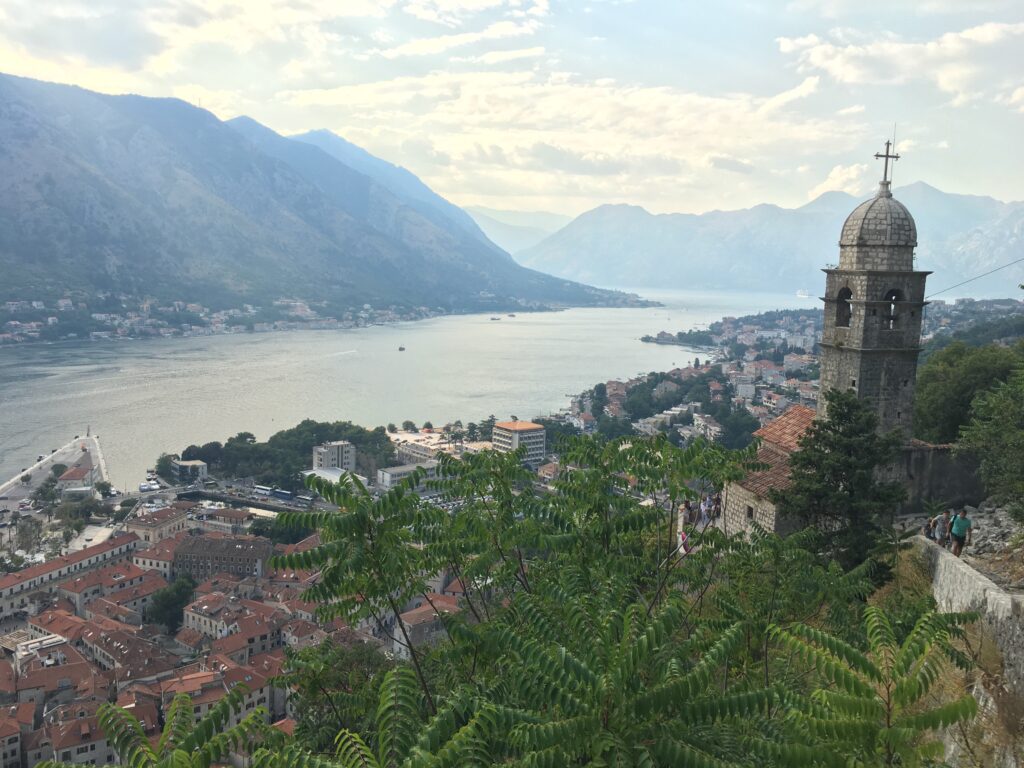
Discovering Kotor, Montenegro We couldn’t resist a quick stop in Kotor, Montenegro. Kotor is a picturesque seaside town in Montenegro’s Bay of Kotor, encircled by the majestic Lovćen mountains. Upon arrival, Kotor captivated us with its beauty.Nestled at the end of a sweeping bay framed by mountains, Kotor felt like a hidden medieval treasure. As we stepped through the ancient city gates, the maze of stone streets drew us in, revealing charming squares, historic churches, and lively cafes tucked between old walls at every turn. The Old Town welcomed us with a labyrinth of winding passageways adorned with cobblestones, plazas, and stone edifices with red tile roofs, all of which had existed for centuries. UNESCO has designated the Old Town a World Heritage Site. Kotor’s architecture reflects its Venetian heritage. After exploring the streets of the Old Town, we took a break at a local café and savored some traditional Montenegrin dishes. The town’s cuisine offered a distinctive fusion of flavors thanks to its Venetian heritage. Don’t pass up the opportunity to try the local seafood, which goes perfectly with a glass of Montenegrin wine. Check out our Food Guide on Croatian cuisine. The optimal activity in Kotor is to explore the streets of the Old Town leisurely. The essence of Kotor immersed tourists in a historical epoch. Each turn revealed fresh discoveries, including a concealed café, a boutique store, and a historic church, such as St. Tryphon’s Cathedral, established in 1166. The medieval walls seemed to recount stories of former sailors, merchants, and conquerors, adding a sense of intrigue and excitement to the exploration. We ascended to the Castle of San Giovanni, an indelible challenge. The trek started in the Old Town. The precipitous stone stairway traversed olive trees and historic walls. The ascent gave a more expansive view of the bay. The sweeping vistas are just magnificent! The glistening Adriatic waves, the mountains around the bay, and the terracotta roofs of Kotor below provided a breathtaking vista. There are 1,350 stairs to the summit—the vista justified the climb! When you reach the top of the castle, it seems like the work has paid off. The views over the red rooftops and the bay below were breathtaking, giving us a taste of the dramatic beauty Montenegro is known for. The dilapidated stronghold served as a sentinel of Kotor’s illustrious past. This perspective revealed how Kotor’s strategic position rendered it a coveted asset for several rulers. Kotor’s allure lies in its historical significance and its ability to connect travelers to nature, culture, and heritage. The town’s strategic location on the Adriatic coast had made it a coveted asset for several rulers throughout history. Its well-preserved medieval fortifications and buildings, such as St. Tryphon’s Cathedral, established in 1166, offer a glimpse into its illustrious past. Back on the road, we grabbed a quick espresso at a local café, savoring one last moment in this enchanting city before heading on to our final stop, Dubrovnik. The brief visit left us with a sense of Kotor’s magic, a perfect interlude of history and scenery along our journey. Author: CristyPhoto Credit: Nathan Latest Post All Posts Blog The Maha Kumbh Mela: A Journey of Faith and Endurance   A Gathering Like No Other The Maha Kumbh Mela is one of the most significant cultural festivals in the… The Maha Kumbh Mela Day 1: Immersed in the Sea of Humanity   First Day of the Maha Kumbh Mela The official first day of the Maha Kumbh Mela began long before… The Maha Kumbh Mela Day 2: Our Journey Beyond the Sangam   The Nearest Sangam Following our strenuous walk of over 25 kilometers the previous day, every muscle in our legs… The Maha Kumbh Mela Day 2: A Sacred Dip and A Holy Parade   An Unforgettable Experience at the Maha Kumbh Mela   Reaching the Sangam The Sangam is the revered junction of… Serendipity in Jaipur: A Journey Back in Time   My Journey Back in Time I took the night bus from Udaipur to Jaipur, leaving behind the city’s shimmering… Jaipur: A City of Temples, Thalis, and Timeless Chaos   Temples, Thalis, and Timeless Chaos When we arrived in Jaipur, the Pink City, it felt like stepping into a… Savoring Jaipur: The Ultimate Rajasthani Thali Experience Exploring Jaipur’s Best Thali Experiences Amid Jaipur’s bustling streets and majestic palaces, the thali custom unites the essence of Rajasthan’s… Daily Turmoil: The Unchanging, Timeless Chaos of Jaipur Despite Jaipur’s advancements, luxury malls, and modern conveniences, Jaipur still clung to its age-old chaos. Crossing the Street Crossing the… When Plans Fall Apart: Embracing the Unknown in India My Unplanned Trip to India I had planned an ambitious trip to five countries with a coworker I barely knew….

Capturing The Beauty Of The Balkans In Montenegro Read More »

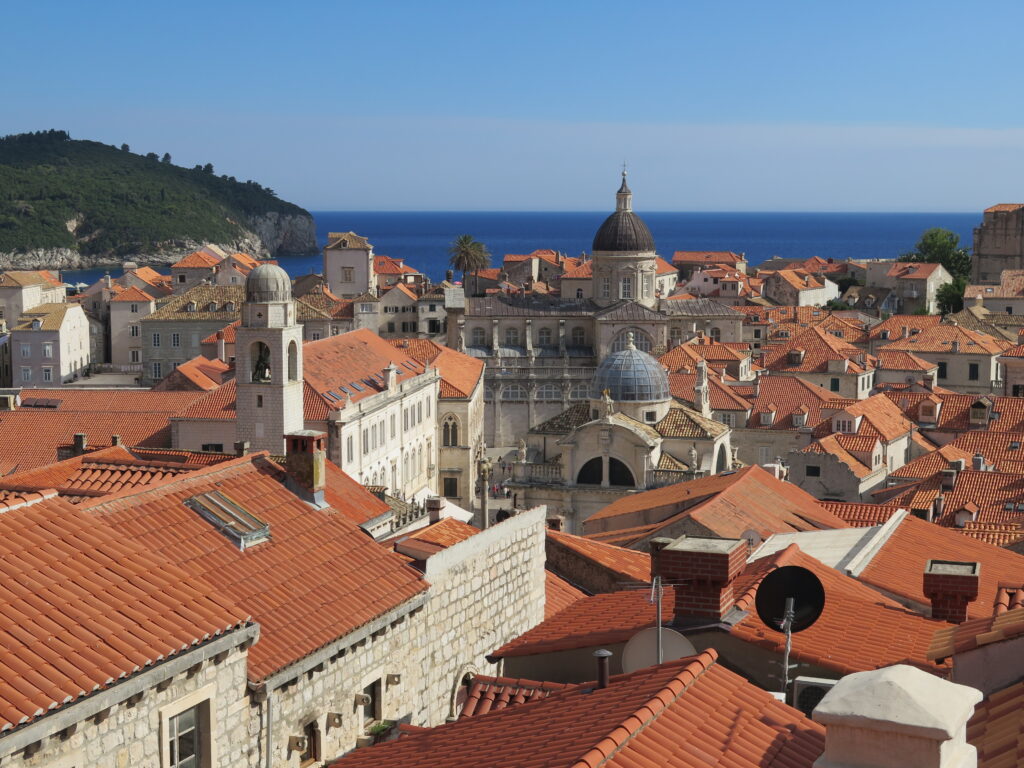
Wander Through History: Exploring the Magic of Dubrovnik

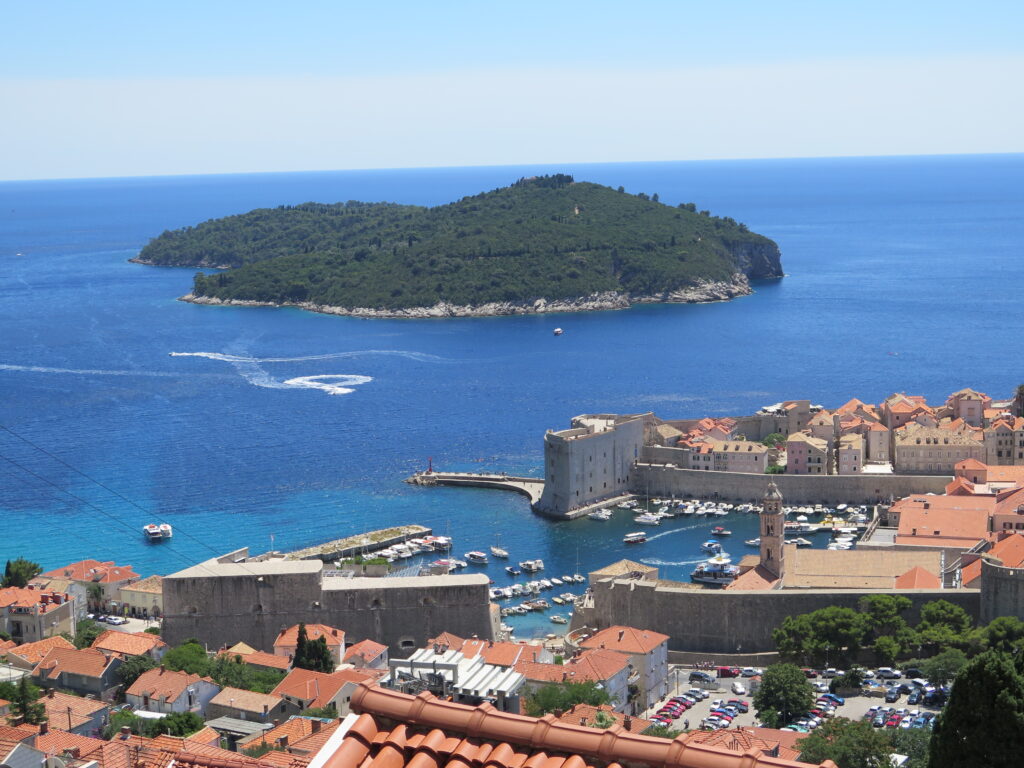
  Exploring Dubrovnik Our road trip concluded in Dubrovnik, the “Pearl of the Adriatic.” The city’s stunning medieval walls and terracotta rooftops were a sight to behold as we approached from the winding coastal road. Arriving in Dubrovnik felt like moving across time. Located halfway between the sea and the mountains, the city boldly exhibits its old stone walls! Ascending from the gorgeous hilltop, our excitement rose as we were ready to see one of the best-preserved medieval cities on Earth. We arrived at our Airbnb, perched at the very top of Dubrovnik’s hillside. From the balcony, we could see Lokrum Island and the beautiful Adriatic Sea unhindered in a panoramic fashion. We dropped off our bags, then returned the rental vehicle and started around the Old Town. Approaching Dubrovnik’s renowned gates and walking through its cobblestone alleys was like entering another age. Lunch was at the seafood restaurant Lokanda Peskarija on the harbor. A distinctive start to Dubrovnik’s gourmet scene, the fresh seafood and regional cuisine paired with the marina’s vista produced lifelong memories. The day carried on as we drifted through Old Town’s complex network of little lanes. Every turn revealed additional secret gems—quaint cafés, little shops, and old buildings that suggested the rich history of the city. Dubrovnik’s historic attractiveness and unique atmosphere proved its title as “Pearl of the Adriatic” was justified. We were happy to be back at our flat at the tranquil top of the city after a busy day of wandering. From the balcony, with the sun sinking over Lokrum Island, our first day in Dubrovnik had the perfect finish—a blend of natural beauty and historical awe. From this vantage point, which would become our daily refuge, Dubrovnik’s charm throughout our three-day trip would be visible. Every moment in this city, whether we were meandering around the Old Town, savoring regional food, or seeing the sunset over the Adriatic, was unforgettable and a perfect end to our road journey throughout Croatia. What to do in Dubrovnik:   Visit Dubrovnik’s City Walls. One of the most iconic activities in Dubrovnik is walking the 1.2-mile-long city walls. It offered spectacular views of Dubrovnik and the Adriatic Sea. The ancient fortifications provided amazing views of the city enriched with history, showcasing its blend of medieval and Mediterranean charm. The city walls of Dubrovnik encircled the Old Town like a protective embrace, standing as a testament to the city’s strength and resilience through centuries of change. Strolling along these ancient stone fortifications rewarded us with sweeping views of the Adriatic Sea on one side and the terracotta rooftops of Dubrovnik on the other. The walls, punctuated by formidable towers and gates, told stories of the city’s rich history. A local had explained to us that although these walls have stood for centuries, they had never experienced a true conflict until the war in the 1990s. Throughout history, Dubrovnik avoided many conflicts. They say that when Napoleon arrived, they opened their gates to his army rather than fight and be under siege! Each step along the walls brought us closer to Dubrovnik’s past, offering a unique perspective on a city that has preserved its heritage with pride. You can visit the City Walls year-round. During the high season, visit the walls in the morning or late afternoon to avoid the crowds. Get lost in the side streets of the Stari Grad.  Getting lost in the side streets of Stari Grad, “Dubrovnik’s Old Town,” feels like stepping back in time. This UNESCO World Heritage site is a captivating maze of cobbled streets, medieval architecture, and striking fortresses overlooking the Adriatic Sea. Every area of Dubrovnik’s Old Town offers a little history and charm. The towering stone walls, polished from centuries of footsteps, guided us through winding streets lined with rustic homes, quaint shops, and inviting cafes. The sound of bells ringing from ancient churches echoed through the alleys while you heard locals chatting in lively squares under the warm Adriatic sun. The blend of past and present in Dubrovnik’s Old Town captivates, inviting you to immerse yourself in its enchanting ambiance. Go through Pile Gate, and people watch along Stradun. When in Dubrovnik, do what the locals do. Have coffee, and people watch along the famed Stradun Street, which goes through the Old Town. You’ll spot locals dressed like they’re coming off a runway and some unique tourists from all over the world. Pile Gate is located at the western entrance to Dubrovnik’s Old Town and is one of the main points of entry into the historic city. It was built in the 16th century; this grand gate was part of Dubrovnik’s ancient city walls and led directly onto Stradun, the Old Town’s main street. The gate consisted of both an outer and inner gate, with a stone bridge and a moat that once served as part of the city’s defense system. Just outside Pile Gate, you’ll find a bustling area with access to buses, taxis, and scenic coastal views, making it a popular starting point for exploring Dubrovnik’s historic heart. Visit the local beaches Dubrovnik has too many beaches to list them all, and some are busier with tourists than others. There are several additional beaches that many visitors may not even be aware of, even if Banje Beach is the most well-known. There are no harmful species or sharks in the water. When cliff jumping, use caution. Although many places seem secure, visitors often hurt themselves on subterranean rocks (particularly at Buza Bar). Kayak or snorkel in the Adriatic Stroll through Uvala in Lapad Uvala, the heart of Lapad in Dubrovnik, is a picturesque bay that blends the serenity of nature with the lively energy of seaside life. Uvala’s pedestrian promenade is lined with charming cafes, inviting beach bars, and family-friendly restaurants, creating the perfect setting for a relaxed day or evening out. It is about a 20-minute walk outside the Old Town. As the sun sets, Uvala transforms, with locals and travelers gathering to enjoy

Wander Through History: Exploring the Magic of Dubrovnik Read More »

Croatia on Screen: The Ultimate Set-Jetting Adventure

Wikipedia defines “set-jetting” as visiting locations used for filming. Journalist Gretchen Kelly was the first person in the US press to use the word “set-jetting” in 2008. Nonetheless, according to Expedia’s 2023 travel trends research, 30% of tourists claim that movies and TV series have impacted their trip choices. As a fan of Game of Thrones, I seized the chance to “set-jet” to Croatia for the GOT setting when the family chose to go to Central Europe. Exploring Game of Thrones Filming Locations Through some of the most famous filming locations, Croatia provides Game of Thrones fans a rare chance to follow in the footsteps of their favorite characters. The coastal towns and medieval architecture of Croatia, a country renowned for its spectacular vistas and rich history, provided the ideal setting for King’s Landing, Qarth, and other events. The King’s Landing in Dubrovnik Perhaps the most well-known movie site in Croatia is Dubrovnik, the capital of the Seven Kingdoms, also known as King’s Landing. Its narrow alleys, Baroque architecture, and medieval city walls served as the backdrop for the political intrigue throughout the series. City Walls: You will immediately recognize Dubrovnik’s imposing walls from the many scenes in which characters like Tyrion and Cersei Lannister plan and scheme. These walls functioned as a big stage for expansive vistas of the mythical city and were essential to situations such as the Battle of Blackwater Bay. Fort Lovrijenac: Also referred to as the “Red Keep,” this stronghold served as the setting for several palace sequences in the series. Reaching the summit provides a clear perspective of the city walls and breathtaking vistas of the Adriatic Sea. Pile Gate: Following King Robert’s death, King Joffrey encountered an irate crowd here. You can sense the stress from that wild scene as you stroll through the neighboring cobblestone streets. Jesuit Staircase: Cersei’s notorious “Walk of Atonement” in season 5 took place in the Great Sept of Baelor, which fans will immediately know.   Island of Lokrum: Qarth In season 2, Lokrum Island, a short boat trip from Dubrovnik, changed into the ethereal metropolis of Qarth, dubbed the “Queen of Cities.” Benedictine Monastery: This ancient location serves as the setting for Daenerys Targaryen’s stay in Qarth, where she seeks safety and encounters the mysterious warlocks. Imagine the beautiful gardens and opulent halls where the Mother of Dragons stood as you strolled through its remains. Botanical Gardens: Fans who are keen to relive certain important episodes while immersing themselves in nature will find Qarth to be the perfect destination thanks to the unique flora of Lokrum’s gardens, which enhance the strange atmosphere of the planet. Split: Meereen Split, Croatia’s second-largest city, served as the filming location for scenes set in Meereen, where Daenerys governed and released the slaves. The subterranean dungeons where Daenerys kept her dragons were located in Diocletian’s Palace, one of the best-preserved Roman structures in the world and a UNESCO World Heritage site. As you pass through its stone rooms, it’s natural to imagine the dragons, shackled in the dark depths. Some other moments, including the slave insurrection in Meereen, also featured the palace. Klis Fortress: Located just outside Split, this historic bastion played the role of the city of Meereen in scenes where the Unsullied army was on watch. The citadel is a must-see for enthusiasts of both history and Game of Thrones since it overlooks the surrounding valleys and provides stunning vistas. Šibenik: Bravo Arya Stark trained to become a faceless assassin in the city of Braavos, which was the medieval town of Šibenik. St. James’ Cathedral: As Arya explores Braavos in the show, this breathtaking UNESCO landmark appears in the backdrop. Its Gothic-Renaissance architecture will give you an idea of Arya’s self-discovery journey and her stay in the city of many faces. Trsteno Arboretum: Gardens of King’s Landing Characters like Olenna Tyrell and Sansa Stark shared secrets at the opulent King’s Landing grounds, Trsteno Arboretum, just outside of Dubrovnik. Renaissance Gardens: These verdant gardens, which also offer a serene haven and a stunning view of the Adriatic, served as the inspiration for some of the show’s most perilous political schemes. You might remember the stressful but lovely times spent amid the flowers and fountains as you go around the arboretum. The trip combines breathtaking landscapes and unforgettable experiences from one of the most-watched television shows, providing a unique experience for everyone set-jetting around Croatia. Few other shooting sites can match Croatia’s medieval towns and untamed landscapes for Game of Thrones. Every destination, from the sun-drenched walls of Dubrovnik to the Roman dungeons of Split, offers a fresh perspective on the mythical realm of Westeros and a genuine experience that takes you right into the heart of the Seven Kingdoms. Author: CristyPhoto Credit: Nathan Latest Post All Posts Blog The Maha Kumbh Mela: A Journey of Faith and Endurance   A Gathering Like No Other The Maha Kumbh Mela is one of the most significant cultural festivals in the… The Maha Kumbh Mela Day 1: Immersed in the Sea of Humanity   First Day of the Maha Kumbh Mela The official first day of the Maha Kumbh Mela began long before… The Maha Kumbh Mela Day 2: Our Journey Beyond the Sangam   The Nearest Sangam Following our strenuous walk of over 25 kilometers the previous day, every muscle in our legs… The Maha Kumbh Mela Day 2: A Sacred Dip and A Holy Parade   An Unforgettable Experience at the Maha Kumbh Mela   Reaching the Sangam The Sangam is the revered junction of… Serendipity in Jaipur: A Journey Back in Time   My Journey Back in Time I took the night bus from Udaipur to Jaipur, leaving behind the city’s shimmering… Jaipur: A City of Temples, Thalis, and Timeless Chaos   Temples, Thalis, and Timeless Chaos When we arrived in Jaipur, the Pink City, it felt like stepping into a… Savoring Jaipur: The Ultimate Rajasthani Thali Experience Exploring Jaipur’s Best Thali Experiences Amid Jaipur’s bustling streets and majestic palaces,

Croatia on Screen: The Ultimate Set-Jetting Adventure Read More »

The Story Behind Mi Bella Mondo: Discovering My Beautiful World

The Story Behind Mi Bella Mondo: Discovering My Beautiful World   A Lifelong Love of Travel! My passion for travel began long before I boarded a plane for the first time and crossed the international date line to come to America. By then, my father’s travel stories as a merchant marine had sparked my lifelong curiosity about the beautiful world. As I write about my story now, I reflect on how my life and travel experiences throughout these years have shaped me, not just as a person but also as a wife and mother. I embarked on my first leisurely overseas trip with my brother Jojo to visit our brother Willy, who was in the Air Force stationed in Udine, Italy. I fell in love with Italy from the moment I arrived. My brother took some time off, and the three of us went on a road trip in his small, tiny Renault Le Car. We went through Venice, Verona, and Firenze; through the Dolomites (Italian Alps); Milan; the Ligurian coast; and finally Rome, where the car broke down in the middle of Rome’s rush hour! We made lunch stops at small cafés, each serving a single dish without a menu. I vividly remember dining at a tiny restaurant where an older woman had just made fresh pasta, served simply with two pieces of tomato, a drizzle of homemade olive oil, and parmigiana. This is where I discovered savoring: La Dolce Vita—at its finest!   That first trip to Italy began a profound connection to the culture, as if I had lived there before. Traveling through Italy, meeting warm, welcoming people, savoring exquisite cuisine and homemade pastas, and immersing myself in its rich culture was an experience I’ll never forget and will always cherish. Although I have often returned to Italy, each visit reinforces that initial, powerful connection. Italy will always be my number one destination, and my love for the country grows stronger with each visit. My desire to explore the world has consumed me since that trip to Italy. When I came home from that trip, I had to figure out how to turn my love for travel into something sustainable. I resigned from my first job and started a travel service company called Wings, dreaming of earning a living while traveling full-time. I was young and idealistic, believing I could build a life around my passions. But reality didn’t align with the dream, and running the business didn’t materialize as I had hoped. I could not travel due to the obligation of being present when running a business! Eventually, I had to find a job that could financially sustain my wanderlust while allowing me to travel when I wanted. I returned to IT, my first job, and started my consulting business. This setup provided the stability I needed while allowing me the flexibility to pursue my passion for travel. I’ve traveled countless miles. While recounting my story blurs the details of some destinations, the vivid memories and connections I made with remarkable people I’ve encountered remain ever-present. I often don’t have photos of myself in many of these places; selfies weren’t popular back then, and I was typically preoccupied with carrying my photography gear. Despite this, the experiences and connections I’ve made continue to resonate deeply. My first solo trip was to Chile, when solo female travel wasn’t as common as it is today. I didn’t have a detailed itinerary, just a two-night hotel reservation in Santiago. My plan was straightforward: I would take a bus heading north, make stops whenever the mood struck, and adapt to the situation as it unfolded. I didn’t carry a guidebook, just a deep curiosity and the desire to explore. Once I flipped the adventure switch in my mind and let go of my insecurities and uncertainties, it felt like the universe conspired with me, offering a glimpse into what life is truly about. There are many stories on this trip, but one of the highlights was meeting a group of Inuit students wrapping up their summer program. I joined them at their camp, where they cooked horse meat over an open fire. And no, I couldn’t bring myself to try the horse meat! Later, another solo trip took me to India for the first time. This wasn’t supposed to be solo! I had initially planned to travel with a friend. However, we parted ways after our time in Nepal, and I found myself alone. When I arrived, I knew nothing about India; I hadn’t read a book or shown any interest in its culture. Exhausted from trekking in Nepal, I decided to book a flight to Goa to relax at the beach and figure out my next steps. I picked up a Lonely Planet guidebook at the airport and let a travel agent book me a flight from Delhi to Bangalore, as there were no direct flights to Goa for two weeks. He mentioned I could take a bus or train from Bangalore to Goa. Read the story here.  The journey was filled with challenges and awe-inspiring experiences, and the events in India were truly remarkable, even though I never made it to Goa! And here is the full story of why I never made it to Goa! Family travel is a unique experience with its special significance. Children mature more quickly than you think, making the time you spend with them feel fleeting, and before you know it, they’ve graduated from college! Watching them grow up, as it happens so quickly, as if moments have slipped away from us, feels ephemeral. That is why it’s essential to cherish every moment you have together. I always knew I wanted to show the world to my children. Seeing the world through their eyes and trying new things has been my most rewarding adventure. Our travels have shaped them; they’ve inherited my love of exploration. Travel has allowed them to grow into worldly young men who are compassionate, resilient, able to

The Story Behind Mi Bella Mondo: Discovering My Beautiful World Read More »

New Requirements Traveling to Europe in 2025

New Requirements Traveling to Europe in 2025 What You Need to Know About Traveling to Europe in 2025 Are you planning a trip to Europe next year?Be aware of the new travel requirement, ETIAS (European Travel Information and Authorization System), which will come into affect for many travelers. It is important to verify the specifics of what is required before booking your tickets, as this system will require pre-authorization for travel to some European destinations. Despite the delay of ETIAS until mid-2025, the visa waiver program still allows individuals from the United States to visit Schengen nations for short-term stays. Also known as a visa waiver, the ETIAS aims to improve security and streamline travel to the European Schengen Area. If you are a citizen of the United States and Canada and plan to travel to European Schengen nations for business or pleasure, you will be required to have an ETIAS. Every traveler, regardless of age, will be required to have a separate and authorized ETIAS to travel to the European Union. On the other hand, those under the age of 18 or over 70 are exempt from paying the additional processing fee of seven euros. The ETIAS has a validity period of three years, or until the passport’s expiration date, whichever occurs first. Renewing a United States passport will require a new ETIAS. Application suggestions and guidance Start your application for the ETIAS at least 96 hours before your departure to ensure an early start and feel proactive and prepared. Provide Accurate Information: Ensure all of the information on your application corresponds to the information on your travel papers. It is important to ensure that your passport and any other necessary papers are available. To apply for ETIAS, citizens of the United States and Canada must satisfy the following requirements: A valid United States passport, readable by a computer, must be valid for at least three months beyond the date of the traveler’s intended departure from the Schengen Area. Travel purpose: The trip must be for tourist, business, transit, or medical reasons. Duration of stay: The visit should not exceed 90 days within 180 days. Application price: Use a debit or credit card to cover the EUR 7 online application fee. To obtain the authorized ETIAS, you will need to provide your email address and complete an online application form. You will receive your ETIAS via email upon approval of your application. Personal information, including full name, location and date of birth, gender, contact information, education, and current work information Applicants must not have a significant criminal record For additional details on the new ETIAS requirements and application process, click the link below. If you’re a Green Card holder or other visa status, be sure to check out the specific guidelines through the link as well. ETIAS Requirements Latest Post All Posts tips New Requirements Traveling to Europe in 2025 New Requirements to Travel to Europe in 2025 What You Need to Know About Traveling to Europe in 2025  … The Ultimate Travel Essentials List: What We Recommend The Ultimate Travel Essentials List: What We Recommend We are excited to share some of our favorite travel essentials through… The Best Time to Go: Choosing Your Perfect Travel Season The Best Time to Go: Choosing Your Perfect Travel Season Some people have the flexibility in their jobs and lifestyles… Travel Insurance 101: Essential Tips for Peace of Mind Travel Insurance 101: Essential Tips for Peace of Mind   Ensuring your trip with travel insurance is not just a… Essential Travel Tips: How to Plan the Perfect Itinerary Essential Travel Tips: How to Plan the Perfect Itinerary Although it may initially sound daunting to the inexperienced, creating a… Hotels to Hostels: Tips for Choosing the Best Accommodations Hotels to Hostels: Tips for Choosing the Best Accommodations When organizing your travel accommodations, consider your budget and preferences to… Ultimate Travel Lodging Guide: Stories and Tips for Every Budget Ultimate Travel Lodging Guide: Stories and Tips for Every Budget Accommodations are a significant expense on any vacation, but you…

New Requirements Traveling to Europe in 2025 Read More »

Must Try – Ken’s Place Fried Clams

Must Try – Ken’s Place Fried Clams Ken’s Place, on Pine Point Road in Scarborough, Maine, is famous for its fried clams. Ken’s has been serving seafood since 1927 and perfected the fried clam. Shucked, gently breaded, then fried to golden perfection, each batch is fresh. Every mouthful of the delicate clams has the appropriate crunch. The delicate batter preserves the clams’ sweet, briny taste, making them unique. Whether you’re a resident or a tourist, the flavor is “Maine,” a reminder of the frigid Atlantic seas they originated from. Ken’s serves a variety of seafood, but fried clams are the centerpiece. From crunchy fried haddock to overflowing lobster rolls on buttery toasted buns, the menu celebrates New England cuisine. The clams, along with Ken’s wonderfully seasoned fries or tangy coleslaw, have folks coming back generation after generation. Ken’s Fried Clams are a flavor of Maine’s seaside history, proudly served and refined over decades. A must-try if you are in Scarborough, Maine.

Must Try – Ken’s Place Fried Clams Read More »

Must Try – Sorbillo Pizza in Napoli, Italia

Must Try – Sorbillo Pizza in Napoli, Italia In Napoli, visit Sorbillo, a famed pizzeria that has served traditional Neapolitan pizza for centuries. The wood-fired oven’s flames dance behind the bar as you enter. The pizza comes with everything you wanted. The crust is thin in the middle, burned around the edges, and covered with leopard spots for a lighter, smokey taste. Rich San Marzano tomatoes, creamy mozzarella di bufala, and aromatic basil leaves are scant but intended additions. The simplicity is deceiving since each mouthful reveals the care, history, and pride behind each component. More than a pizza, it’s a tradition-rich taste of Naples.

Must Try – Sorbillo Pizza in Napoli, Italia Read More »

Scroll to Top