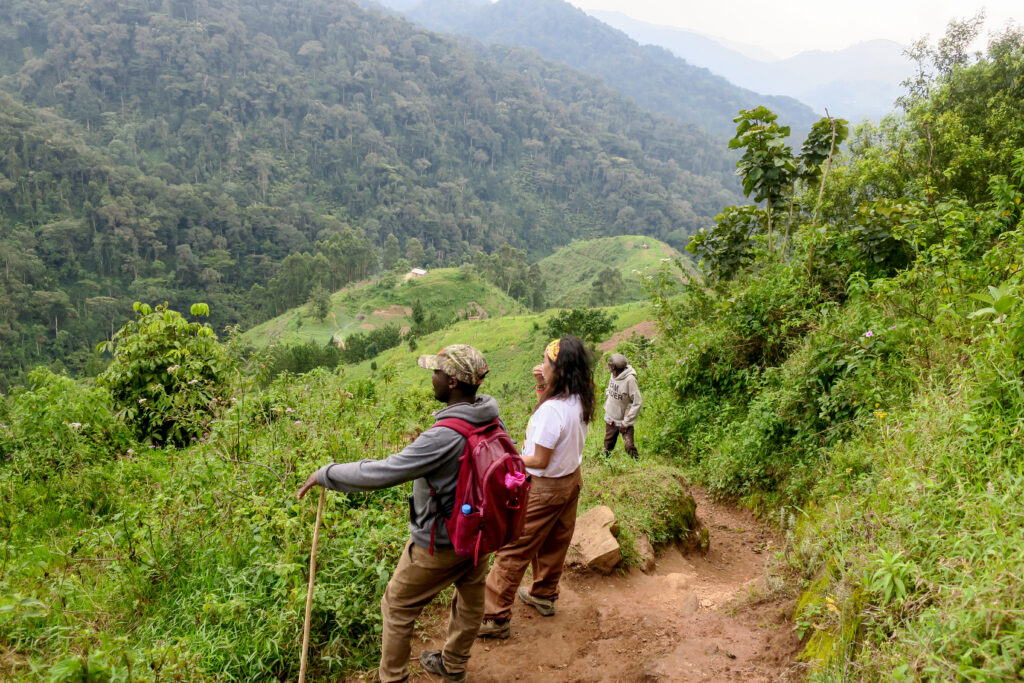
The trek to the Batwa village was challenging, steep, winding, and unforgiving, but the landscape was breathtaking.
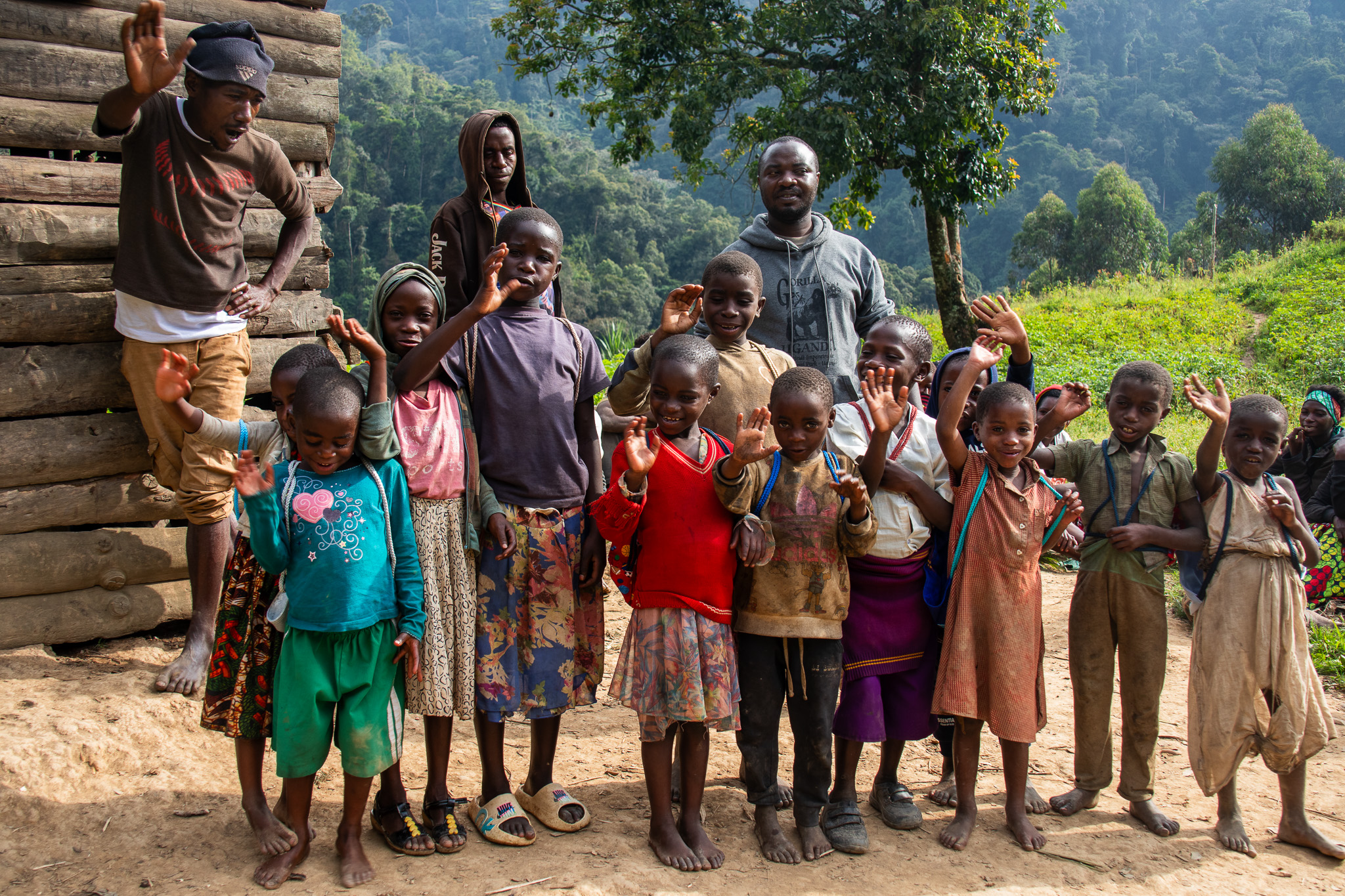
When we arrived, the village was quiet. Not everyone was there, only those who did not work that day and the younger children. Others were away, earning what they could.
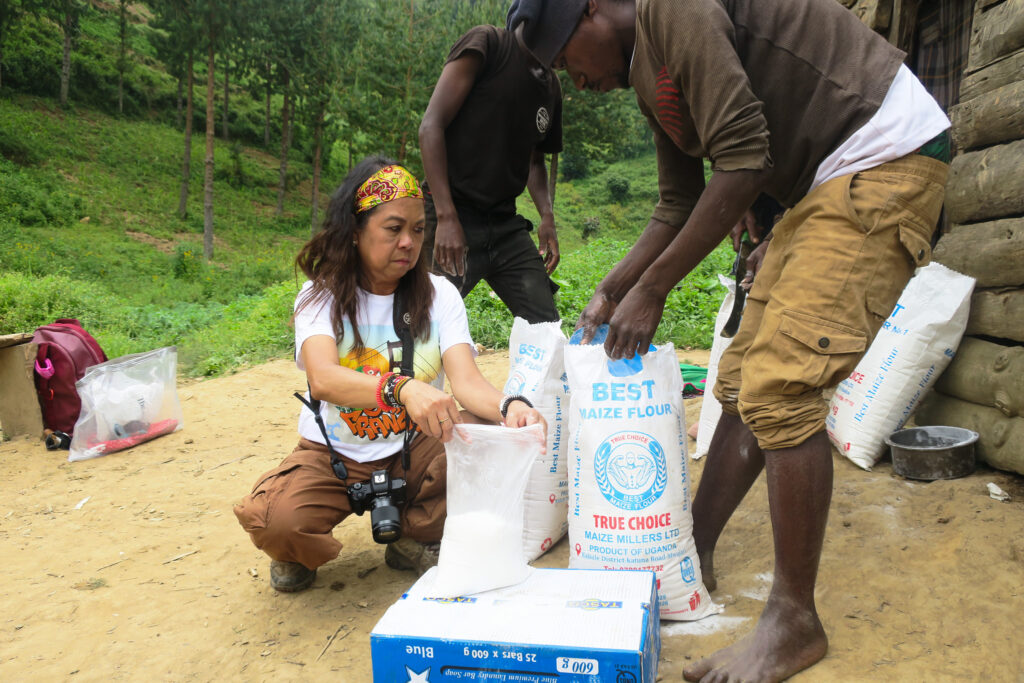
We brought posho (starchy porridge) and a box of soap for the Batwa families and distributed drawstring backpacks to the children. We split the posho and soap so that each family received their share. It wasn’t much, but it was something, necessities that would help them get by a little longer.
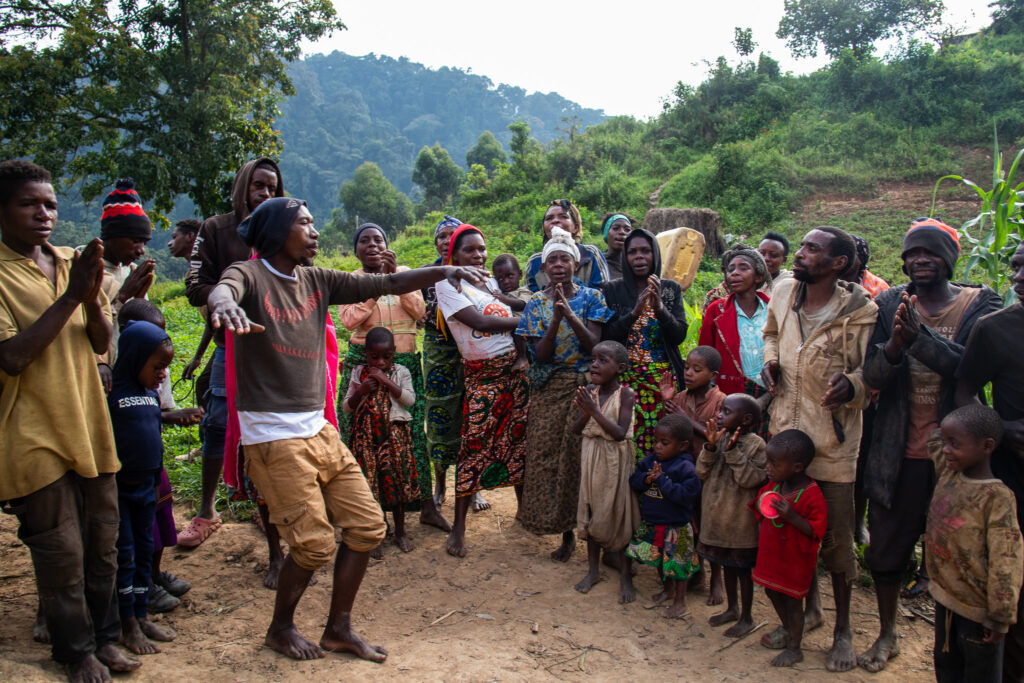
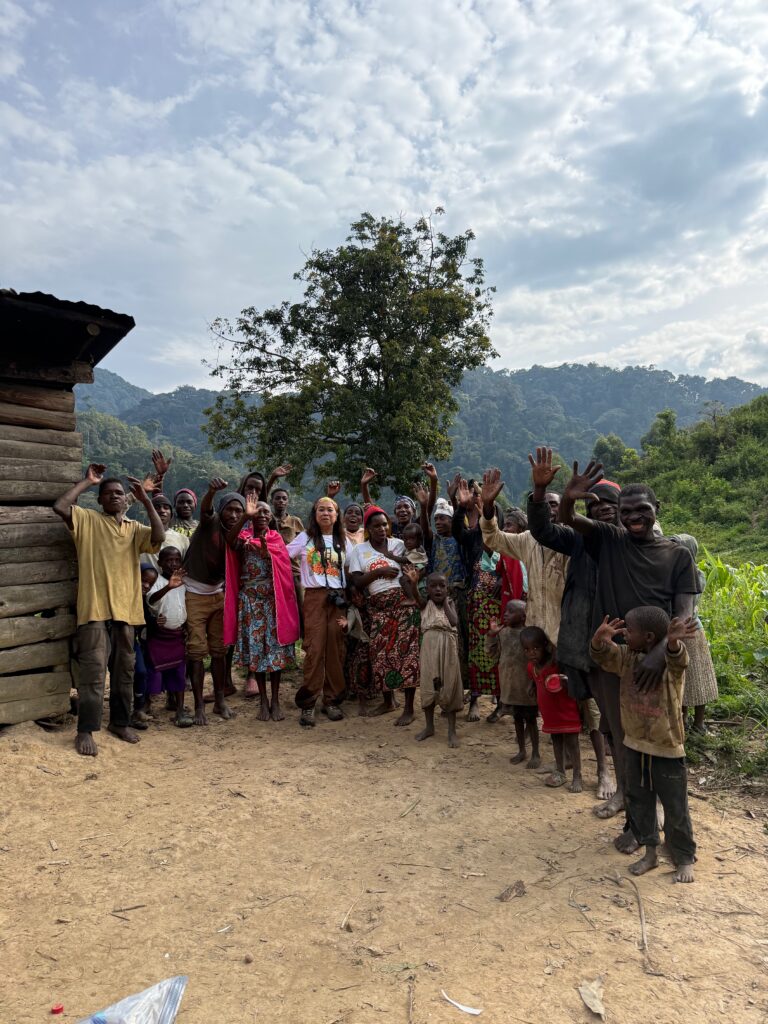
After we finished distributing everything, something surprising occurred. The whole village started to dance.
It wasn’t about performance or showing off. It was their way of saying thank you, a gesture rooted in deep cultural tradition, a language of gratitude that went beyond words. They sang, moved, and smiled, and during those moments, joy filled a space usually marked by hardship.
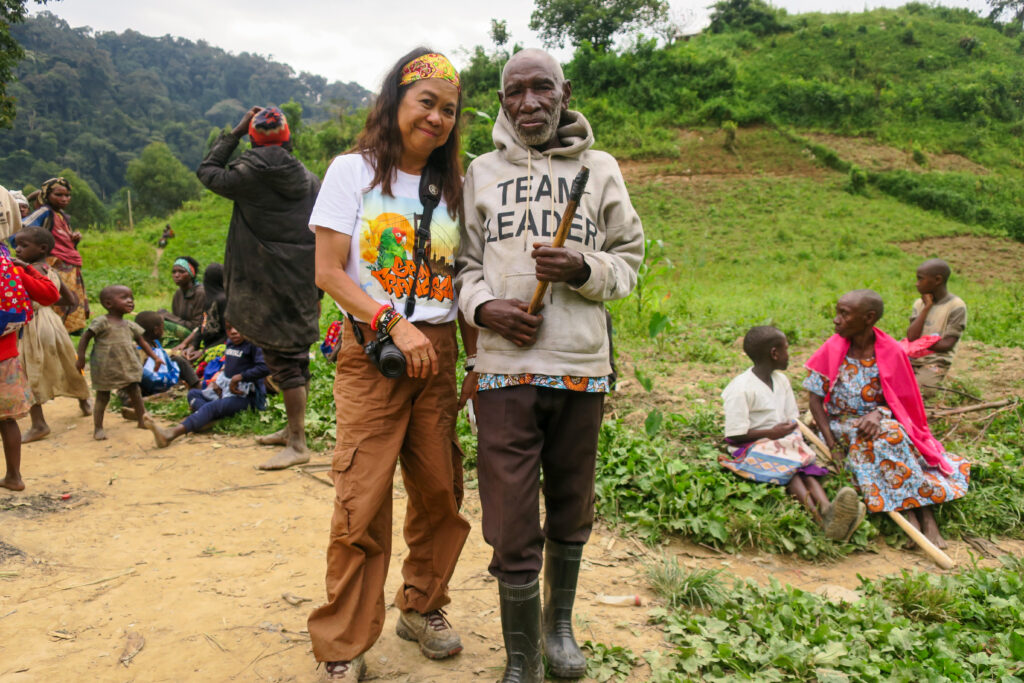
Later, I sat with the Batwa leader. He shared stories I will never forget.
He described life in the forest before 1991, how they moved freely, how they knew every trail and tree, and how the forest provided everything they needed. And then he told me about the day they were forced to leave.
There was no warning. Government officials arrived and told them that the forest was now protected and that they had to leave. As they walked out, they were ordered to surrender their traditional clothing and personal belongings. Everything made from the forest and everything that connected them to their identity was left behind. Those items were burned right in front of them as they left their home for the last time. In exchange, they received regular clothes and were told to start over.
“We didn’t understand,” he said softly. “The forest was ours. We protected it. We lived with it, not against it. And then, suddenly, we were outsiders.”
In his hands (see photo below) are the traditional fire-starting tools that sustained his ancestors for millennia. He demonstrated the technique with muscle memory still intact, sticks rubbing, friction building, and sparks emerging. Then came the matchbox and a bittersweet smile. “Now it’s easy.” Easy, yes. But something was lost in that convenience.
He holds the fire-starting stick his ancestors used for generations, then smiles and pulls out a matchbox. "Now it's easy."
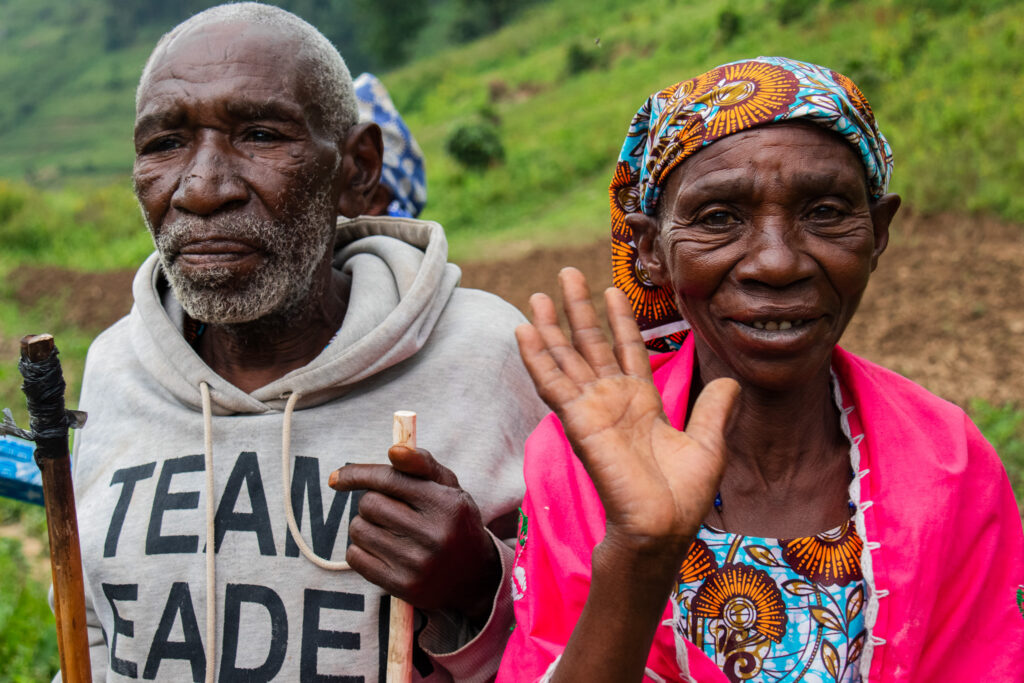
This Batwa couple graciously shared their story with me, recounting their displacement from the forest and the rich life they once knew among the trees.
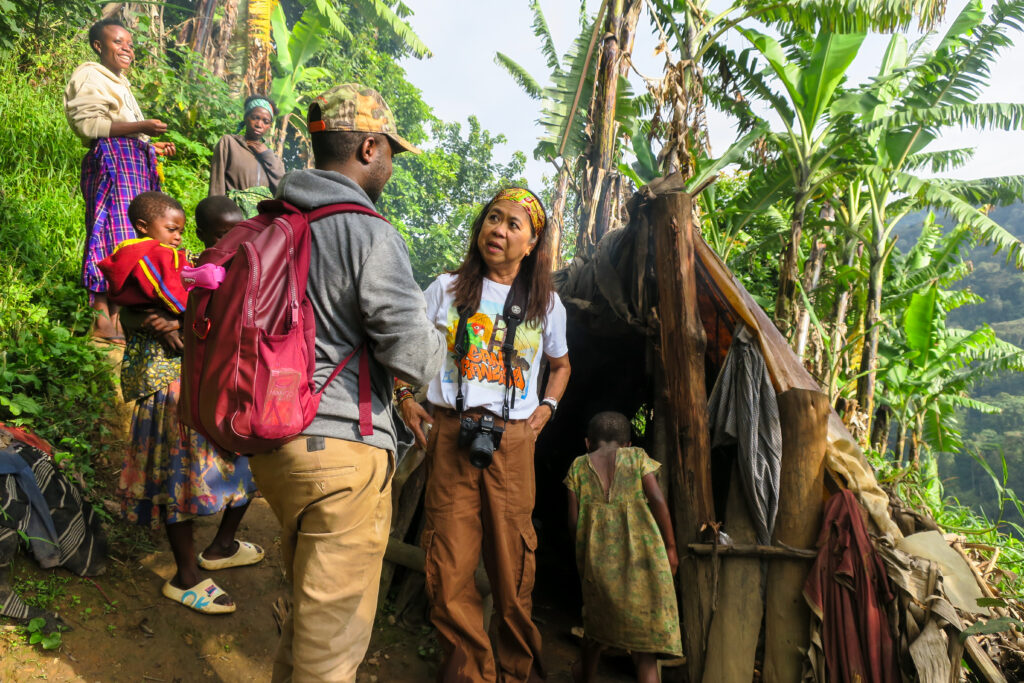
Some of the Batwa showed me their homes. A few had built traditional houses, small structures made from natural materials, constructed the way their ancestors had. They said they couldn’t get comfortable in the concrete houses the government built. Those houses didn’t feel like home.
As I left the village that day, I reflected on resilience, not the romanticized kind, but the essential kind for survival. The Batwa didn’t choose displacement. They didn’t choose poverty or marginalization. Yet, they’re still here. Still dancing and still teaching their children their tradition. Still holding onto parts of who they are, even as the world tries to erase them!
This story is not about nostalgia. It is not about romantic resilience. The Batwa did not choose displacement. They did not select marginalization.
Yet they continue, dancing, teaching, remembering, speaking.
Listening to them is not optional. It is essential.
The following day, I walked through the forest with a Batwa guide named Daniel during the Batwa Experience. They showed how their ancestors made fire, hunted, gathered medicinal plants, and built shelters. The knowledge was precise, embodied, and intensely alive.
But when the tour ended, they left the forest, just like we did. The difference is, they are only allowed to enter it now as guides, not as the people who once belonged to it!