My Interview with Happy
Building Hope, Protecting Nature
The Story and Vision of Bwindi Conservation for Generations Foundation
Introduction
Deep in southwestern Uganda lies Bwindi Impenetrable Forest, a UNESCO World Heritage Site and one of the last refuges for the endangered mountain gorillas. Surrounding its borders are lively communities with rich cultures, but also serious socio-economic challenges. It was here that Happy Bruno saw both the urgent needs of his people and the delicate state of the environment. His journey led to the creation of the Bwindi Conservation for Generations Foundation, an organization that uniquely combines ecological protection with community empowerment.
This interview examines the foundation’s history, mission, impact, and the changing relationship between conservation, tourism, and sustainable development in the Bwindi region.
How was the foundation started, and what motivated you?
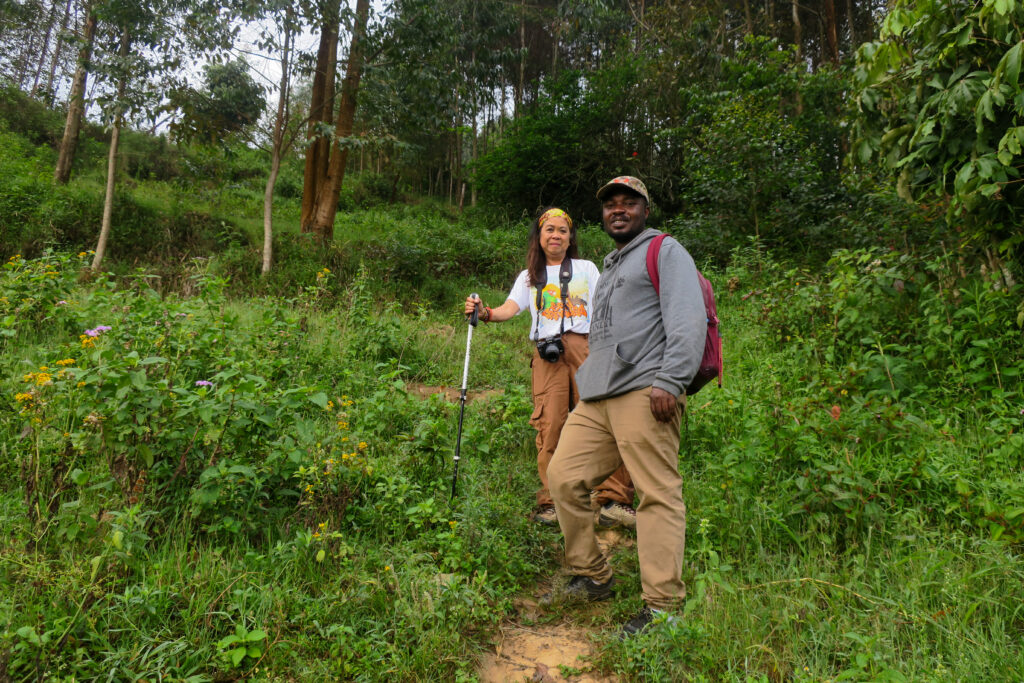
A: After earning my Bachelor’s degree in Commerce from Makerere University, I went back home and struggled to find a job. Instead of waiting for an opportunity that never arrived, I asked myself, “How can I use what I’ve learned to make a difference here?”
I saw firsthand how poverty and limited opportunities affected families, especially the Batwa, an Indigenous group historically marginalized on the edges of the forest. I also saw the pressure on Bwindi from unsustainable farming, human-wildlife conflicts, and the lack of long-term livelihood options for young people.
That combination, social hardship coupled with ecological vulnerability, motivated me to create a foundation that operates at the intersection of conservation and community prosperity. We didn’t want to protect nature alone; we aimed to strengthen livelihoods, expand knowledge, and support local social enterprises so communities can live sustainably alongside the forest. Bwindi Conservation For Generations Foundation
Meaning Behind the Name “Future Generations”: What does the name “Future Generations” mean to you?
A: To me, it’s a vow and a guiding principle: every action we take must benefit both people and nature long into the future. That means safeguarding Bwindi’s biodiversity, including its mountain gorillas, while ensuring that children in our communities grow up with education, opportunity, and dignity. This vision shapes every initiative we lead, from youth training to social enterprises that improve livelihoods. It’s about creating a legacy that future generations can inherit with pride.
Serving a Unique and Resilient Community: Can you describe the community you serve in the Bwindi region?
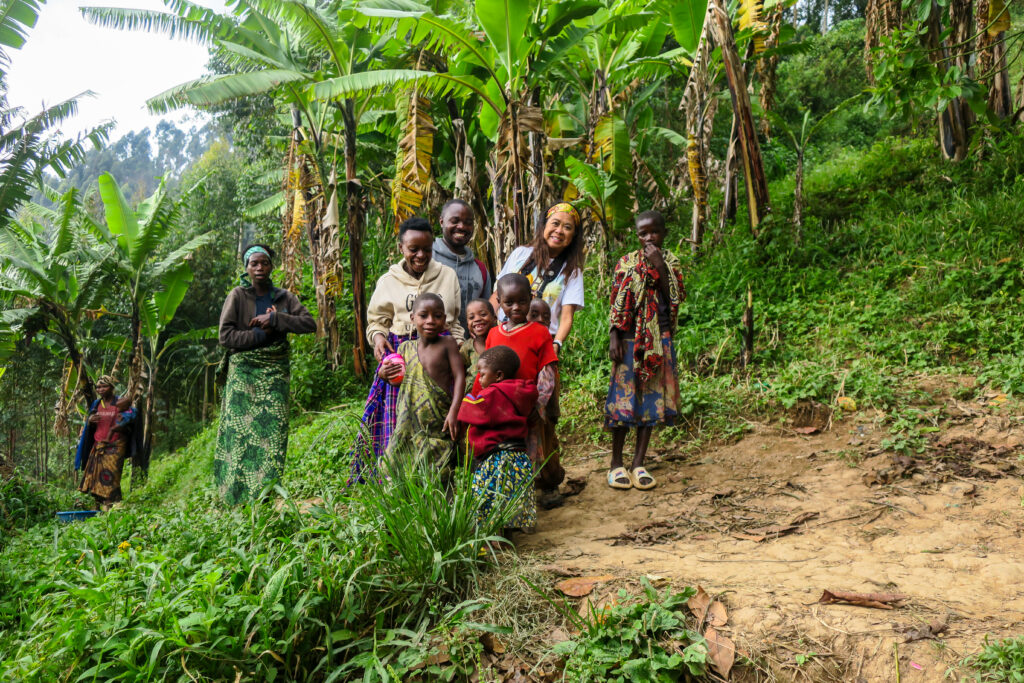
A: The communities around Bwindi are culturally rich and diverse. They include the Batwa Indigenous people, who were once hunter-gatherers with a deep forest heritage, as well as other groups such as the Bakiga. These communities have lived for generations close to one of the most biodiverse forests on Earth.
Life here is tough: many families rely on subsistence farming with limited access to quality education, healthcare, or stable jobs. Farming on steep, rugged land often conflicts with wildlife, such as gorillas foraging on crops, thereby reducing food security.
Despite these hardships, the people remain resilient, proud, and profoundly connected to the land. Their cultural wisdom and dedication to community serve as the foundation of our work.
Mission and Work, Blending Conservation with Local Empowerment:
What are the foundation’s primary missions, and what programs are you implementing?
A: Our mission is to combine conservation efforts with social impact by strengthening education, improving livelihoods, and encouraging environmental stewardship among communities near Bwindi Forest. We recognize that protecting the forest must go hand in hand with empowering the people living closest to it.
Core Programs We Run
- Social Innovation Academy
A training space where youth and women learn skills such as entrepreneurship, digital literacy, and sustainable business practices. These programs help people develop alternative economic pathways that don’t depend on degrading natural resources. - Community Sustainable Responsibility Projects
We support eco-friendly initiatives, such as demonstration gardens for organic farming that teach about food security and sustainable agricultural techniques. This not only boosts local food production but also eases pressure on protected forests. - Eco-Tourism and Local Products
We work to integrate ecotourism opportunities into Bwindi’s scenery, alongside local products and experiences, helping extend tourists’ stays and deepen the positive economic impact on host communities. - Women’s and Youth Groups
Across different villages, we have formed community groups where women generate income through crafts, agriculture, and conservation-related businesses. - Human-Wildlife Conflict Management & Awareness
Since many villages border the forest, interactions between people and wildlife, especially when crops are damaged, can lead to tension. We focus on community strategies to reduce conflicts and support residents in living harmoniously with wildlife.
These programs are interconnected: teaching skills, promoting sustainable practices, and cultivating guardians of both community wellbeing and wildlife. Our goal is that conservation benefits local families, not just visitors or outside stakeholders.
Impact and Transformations:
What are your most significant achievements or impacts so far?
A: Our most significant achievement is witnessing tangible changes in people’s lives: children attending school who otherwise couldn’t, women earning a steady income through community enterprises, and families beginning to see sustainable livelihoods as a reality rather than just a dream.
One powerful story is of Gloria A and Chef Benny, who graduated from the Rushaga community. Before our support, they struggled to stay in school due to financial hardship. Through educational sponsorships, they were able to continue their education at Rushaga Community School. Today, Gloria participates in conservation clubs, teaching other children about protecting Bwindi’s biodiversity, while Benny has grown in confidence into an excellent chef, despite the odds. Their transformation isn’t just personal; it echoes through their entire community.
Challenges and Solutions:
What are the main challenges your community faces, and how are you addressing them?
Poverty & Limited Economic Opportunity: Many families face unstable incomes, resulting in food insecurity and school dropouts.
Solution: Our Social Innovation Academy and local businesses support income diversification, especially for women and youth.
Education Barriers: Fees, uniforms, and materials prevent children from attending school.
Solution: We offer school and mentorship programs.
Human-Wildlife Conflict: Crop loss from wildlife foraging is a challenge for families.
Solution: We collaborate with neighbors to develop planting strategies, awareness initiatives, and conflict-mitigation practices.
Lack of Resources and Awareness: Limited access to farming knowledge and sustainable techniques keeps communities in vulnerable cycles.
Solution: Demonstration gardens and educational programs showcase long-term ecological farming results.
Each challenge is met with resilience from our community members and a belief that sustainable coexistence is achievable.
Vision for the Next 5–10 Years:
What is your long-term vision for the foundation and the region?
A: In the next decade, we envision:
- A Bwindi region where conservation and community prosperity go hand in hand.
- Young people are equipped with education, leadership, and sustainable livelihood skills.
- The Batwa and other marginalized groups have secure housing, improved access to education, and a respected cultural identity.
- Tourism that directly invests in community programs and ecological stewardship.
- A foundation that serves as a model for community-led conservation across Africa.
We plan to expand programs such as a Conservation Leadership Academy, a School Feeding Initiative, and stronger market connections for local products made by community enterprises.
Tourism’s Role in Supporting Mission and Empowerment
How do you see tourism helping your mission and supporting the local community?
A: Tourism in the Bwindi region, especially gorilla trekking, is not just a visitor activity; it is an economic engine that supports conservation and community livelihoods. Ecotourism revenue helps fund national park systems and contributes to community-based programs, making it a cornerstone of sustainable development in the area.
Through our exclusive partnership with Mi Bella Mondo for sustainable tourism, tourism activities are intentionally designed to align conservation goals with community priorities. Mi Bella Mondo partners with Global Peace Media as its fiscal sponsor, which provides an accountable framework for directing support tied to travel from the United States. Under this structure, a portion of trip-related contributions is allocated through the fiscal sponsor, allowing eligible contributions to be tax-deductible while ensuring transparency and proper stewardship of funds.
Responsibly designed tourism initiatives provide income for guides, artists, craft makers, cultural hosts, and local entrepreneurs, while also raising global awareness about conservation needs and community stewardship of Bwindi’s forest.
Creating Meaningful Visitor Experiences
What experiences can be created that benefit both travelers and locals?
A: We aim to co-create experiences such as
- Conservation immersion programs—including tree planting, biodiversity walks, and ranger-led educational sessions.
- Cultural engagement opportunities—cooking with families, craft workshops, Batwa storytelling evenings, and community homestays.
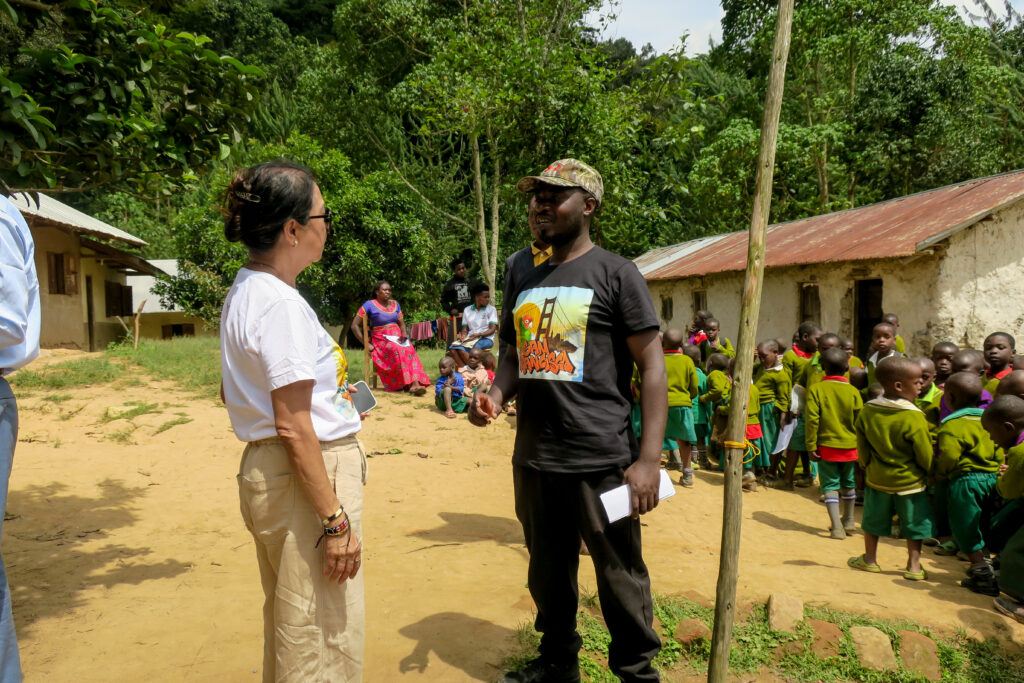
- Youth and school visits—where travelers interact with local students, support school clubs, and participate in knowledge-sharing activities.
These experiences are developed through our partnership with Mi Bella Mondo, ensuring that visitor engagement remains respectful, community-led, and economically inclusive.
Guiding Principles for Tourism Collaboration
What principles should guide tourism collaboration?
A: Our tourism work is guided by an exclusive partnership with Mi Bella Mondo, which provides a shared framework for ethical, sustainable, and community-centered travel. This collaboration is grounded in the following principles:
- Respect for community, culture, and the natural environment
- Inclusion, with particular focus on the Batwa community, women, and youth
- Sustainability, protecting ecosystems while supporting local livelihoods
- Transparency, including clear communication about how tourism-related contributions are directed and used
- Empowerment, ensuring communities retain ownership, voice, and leadership in tourism initiatives
This partnership-based approach helps ensure tourism contributes meaningfully to conservation and long-term community well-being.
A Message to Travelers
If you could share one message with travelers considering visiting Uganda and Bwindi, what would it be?
A: Come with curiosity and an open heart. Bwindi is not just a place to observe; it’s a community to connect with, a culture to respect, and a landscape to protect. Your visit supports local livelihoods and conservation efforts and helps shape a future where people and forests thrive side by side.
Final Thoughts
Is there anything else you would like readers to know?
A: Bwindi Conservation for Generations Foundation brings together ecological protection and human empowerment. Our work is rooted in community dignity, cultural pride, and shared responsibility for the forest that defines our home. Through our exclusive partnership with Mi Bella Mondo, we are advancing a sustainable tourism model that supports conservation, strengthens local livelihoods, and ensures community leadership remains central. Whether support comes through visits or from afar, each contribution helps protect Bwindi’s biodiversity and build a hopeful future for the next generations.