How do you manage to show up for work every day when you see children who need far more than you can provide?
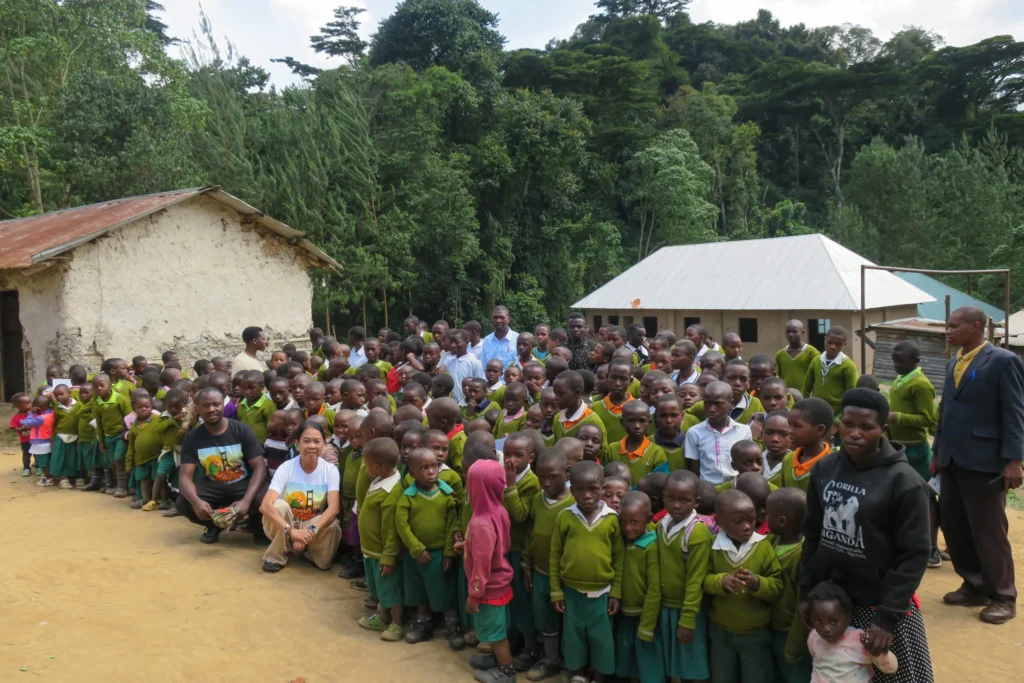
Mr. Godfried faces this question each morning as the principal of Rushaga Community School, where the daily reality is an ongoing struggle against limited resources.
And every morning, he chooses to show up anyway!
Mr. Godfried
Principal, Rushaga Community School
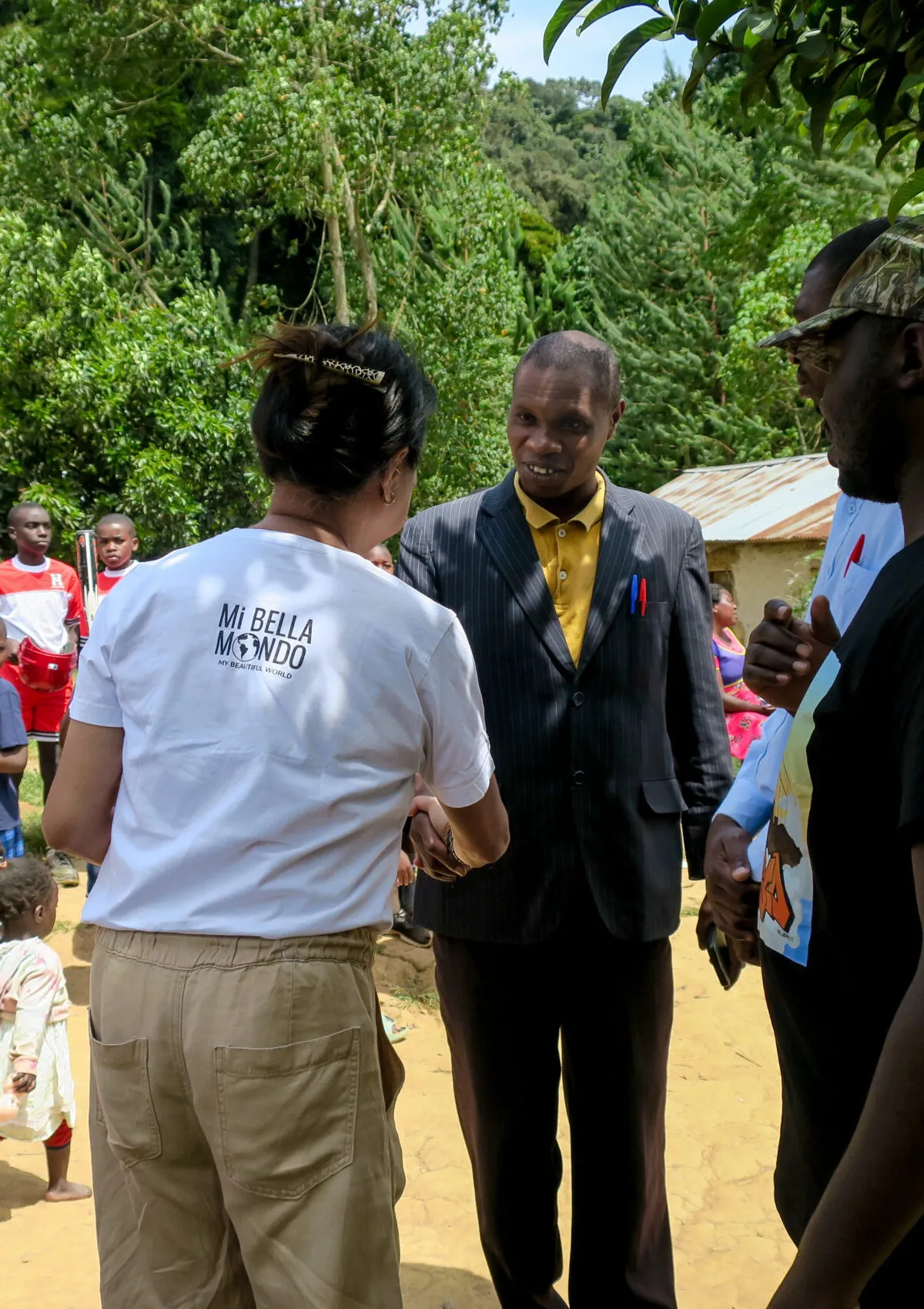
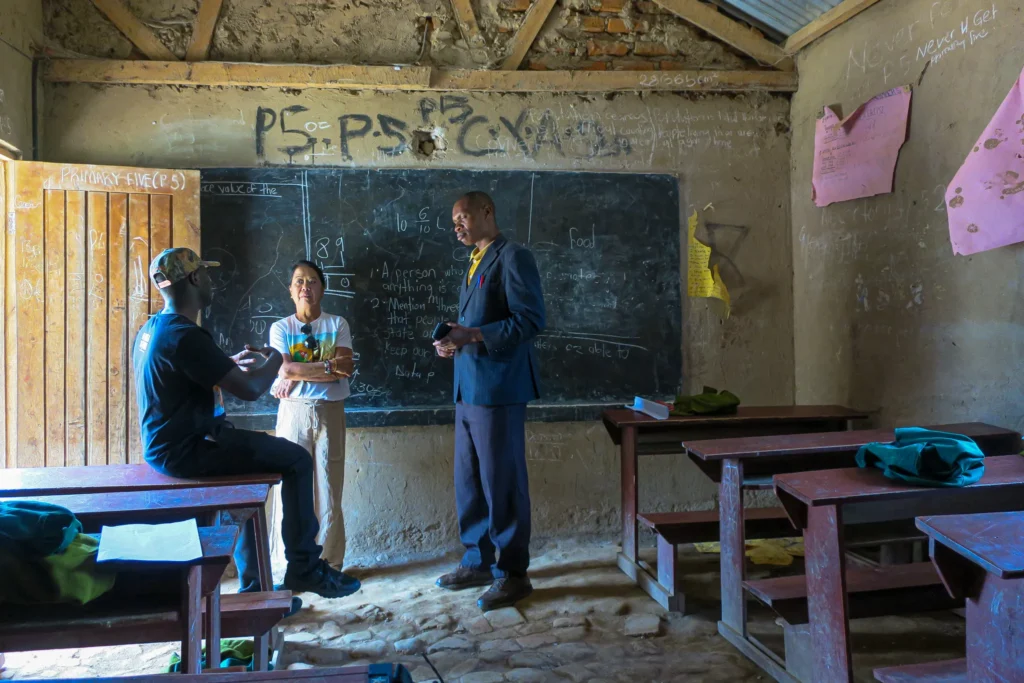
Mr. Godfried showed me around the school, and I saw what he sees every day: the weight of need pressing against the walls. He showed me classrooms that are far too small for the students they hold, characterized by dark concrete walls and lessons taped up on whatever scraps of paper could be found. The physical danger is underfoot as well; the floors are a patchwork of pavement and sand, a combination that often hides shards of broken glass. These fragments frequently cut the children’s feet before they have any chance to see the hazard.
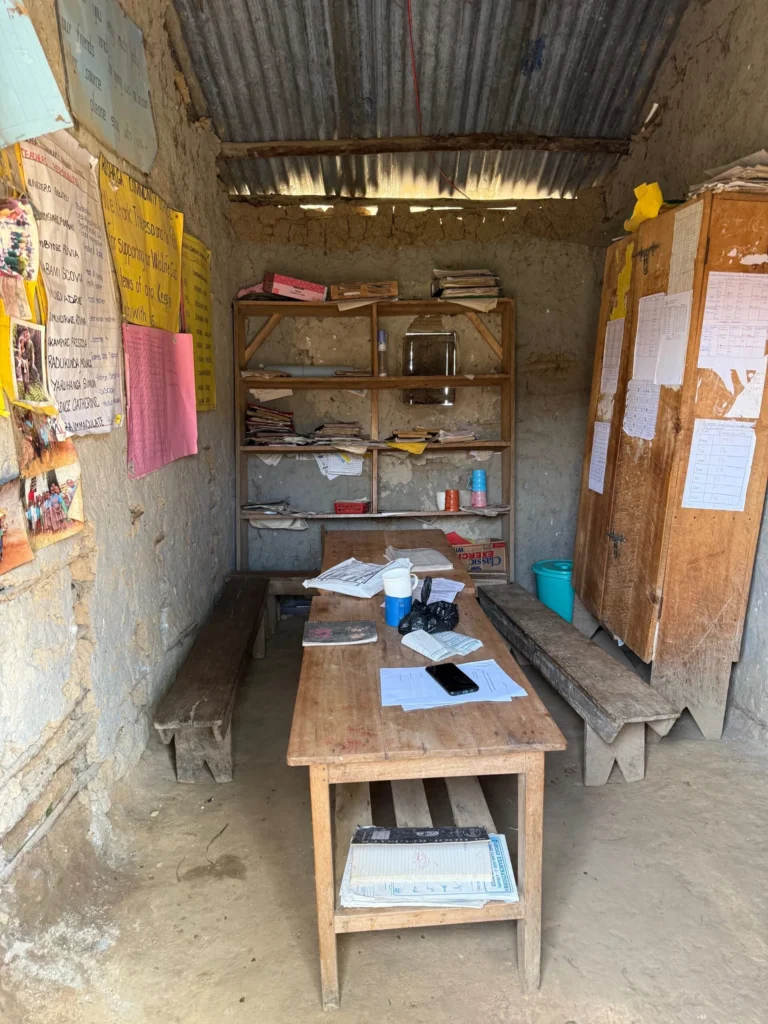
He showed me the teacher’s office, a space so cramped that educators have barely enough room to move while preparing lessons and grading papers. He also showed me the boarding room, which serves as a vital sanctuary for half the students. Because they live too far to walk home each day, this crowded room is their only path to an education.
This is the teachers' office, where they prepare lessons, rest between classes, eat lunch, and handle everything else that keeps the school running.
The gap between their potential and their tools is most evident in the computer lab. There, six donated laptops, meant to open digital worlds, are crammed into a space far too small to meet the children’s ambitions. He also showed me their nutritional reality: a daily ration of rice, a few pieces of beans, and cabbage. It’s not enough to keep them going. It’s never enough.
Mr. Godfried doesn’t hide these truths or try to soften the harshness of this environment. He makes no excuses for the conditions; he shows what is, then returns the next day to do what he can with what he’s got. Being a principal here isn’t about prestige or authority. It’s about showing up despite overwhelming need and choosing to believe, every single day, that education and these children still matter.
He believes that progress, no matter how slow, is worth fighting for. Mr. Godfried is not waiting for perfect conditions to do meaningful work; he is doing it right now with broken floors, borrowed laptops, and insufficient food. He acts with urgency because he knows that waiting for better circumstances means losing another generation. That kind of commitment isn’t just about a job description; it comes from the heart.
But Mr. Godfried shouldn’t have to do it alone. Mi Bella Mondo, in partnership with Global Peace Media, has launched an initiative to rebuild the Rushaga Community School, replacing the broken floors and cramped rooms with a safe, modern environment where these children can finally thrive.