Mi Bella Mondo

Cristy S

The Ultimate Guide to Exploring Taiwan

EXPLORE TAIWAN Your Comprehensive Destination Guide At a Glance Total area: Approximately 36,197 square kilometers (13,974 square miles) Capital: Taipei Religion: Predominantly Buddhism and Taoism; also Christianity and folk religions Population: 23.5 million Language: Mandarin Chinese (official), Taiwanese Hokkien, Hakka, Indigenous languages, English widely understood in cities Currency: New Taiwan Dollar (TWD) Banking Hours: Mon–Fri, 9:00 am–3:00 pm; some banks open on Saturday mornings Telephone/Communication: The country code is +886; there is excellent mobile coverage and widespread free Wi-Fi in cities and tourist areas. Climate: Subtropical in the north, tropical in the south; hot, humid summers (June-August), mild winters (December-February)   VAT in Taiwan Foreign visitors are eligible for a VAT refund on purchases made during their stay. Eligibility Criteria Minimum purchase: NT$2,000 (about US$60) per day at the same authorized store with a “Taiwan Tax Refund” label Timing: Goods must be exported within 90 days of purchase Application point: Claim the refund before departing Taiwan—at the airport, seaport, or border crossing How to Apply Shop at participating stores and ask for a VAT Refund Application Form (with your passport) At the departure terminal, go to the E-VAT refund machine or Tax Refund Service Counter (around 3 hours before departure) Security deposit: A credit card block of about 7% of the purchase value is required upfront Customs inspection: If needed, present goods to customs. If they’re disqualified (opened/used), a refund will be canceled a Refund disbursement: After inspection, refund is given via cash, credit card, or bank draft, minus a processing fee (~20% of the refundable amount) Typical Refund Calculation If you make a purchase that includes a 5% VAT, you will receive approximately (VAT-included price ÷ 1.05) × 0.05 as a refund. Then subtract the 14% admin fee and the 20% processing charge from the refundable VAT amount. Pro Tips Only authorized stores display the “Taiwan Tax Refund” logo. Always shop with a passport in hand so you can request the refund form. Pack purchased goods in carry-on luggage or check them after VAT approval to avoid customs complications. Arrive at least 3 hours before departure at refund counters to allow enough time Travel Requirements Entry & Visa Visa-Free Entry: U.S. passport holders do not need a visa for stays up to 90 days. Passport Validity: Your passport must be valid for at least 6 months from the entry date. Return or Onward Ticket: Proof of a return or onward flight may be required. Arrival Process Arrival Card: Complete an online arrival card before arrival or fill it out at the airport. Online form: https://niaspeedy.immigration.gov.tw Health & Vaccinations. No mandatory vaccines are required for entry. Recommended vaccines (but not required): Hepatitis A & B Typhoid (for more extended stays or rural travel) Japanese Encephalitis (for rural travel in summer) COVID-19: No vaccine or testing is required as of 2025. Other Important Requirements Customs: Declare currency over USD 10,000. Medications: Bring prescriptions in original containers and check if any are restricted. Travel Insurance: Not required, but strongly recommended. Departure Tips Airport Tax: Usually included in your airfare. Duty-Free Allowance: You can bring in duty-free goods like alcohol and tobacco, but within strict limits. Additional Travel Tips: Transportation: Taiwan’s public transportation is excellent. Taipei’s MRT system is efficient and clean. High-speed rail (THSR) connects Taipei to southern cities like Kaohsiung in about 90 minutes. Local buses and taxis are plentiful and affordable. Food & Dining: Taiwanese cuisine is a delicious mix of Chinese, indigenous, and Japanese influences. Don’t miss beef noodle soup, xiao long bao (soup dumplings), and pineapple cake. Night markets are perfect for food lovers seeking affordable, authentic meals. Safety: Taiwan is considered safe for travelers with low crime rates and welcoming locals. Cultural Etiquette: It’s polite to remove shoes when entering someone’s home. Tipping is not customary but appreciated in high-end restaurants or for tour guides. Getting there from the US Direct flights available from major hubs like Los Angeles (LAX), San Francisco (SFO), and New York (JFK) to Taipei Taoyuan International Airport (TPE) Flight time is approximately 13-16 hours, depending on departure city and connections. Travel Safety Tips Before You Go: General Safety Taiwan is extremely safe — it consistently ranks as one of the safest places worldwide for travelers, including solo and female travelers. The crime rate is low, and violent crime is rare. Petty theft can happen in touristy areas, so stay aware of your belongings, especially in night markets and train stations. Emergency Numbers Police: 110 Fire/Ambulance: 119 Tourist Hotline (24/7 English service): 0800-011-765 Natural Disaster Awareness Earthquakes are common — Taiwan is in a seismically active zone. Learn the emergency procedures and locate exit routes in hotels. Typhoon season occur from June to October. Monitor local weather (via the Central Weather Administration) and avoid hiking or beach trips during storms. For mountain safety, if you plan to hike, make sure to check for permits, register your trip, and bring the proper gear. Sudden weather changes are common in the highlands. Health & Hygiene Locals typically boil or filter their tap water instead of drinking it. Stick to bottled or filtered water. Hospitals are excellent — Taiwan has world-class healthcare. Bring travel insurance in case of emergencies. Transportation Safety Scooter traffic is intense — Be cautious when crossing streets. Always use crosswalks and obey signals. Trains and metros are safe and clean — avoid rush-hour crowds, especially in Taipei. Cultural & Legal Tips Taiwan’s strict anti-drug laws have no tolerance for drugs. Even small amounts can result in prison. Respect local customs — Dress modestly when visiting temples. Take off shoes where required. Face masks are still common — Especially on public transportation and in healthcare settings. Bonus Tip Stay connected — Get a local SIM card or pocket Wi-Fi to access translation apps, maps, and emergency updates. Fun Facts! Taiwan invented bubble tea, also known locally as “boba,” a globally popular drink that originated in Taichung in the 1980s. Taiwan has one of the world’s highest densities of temples—with over 15,000, you’ll find one

The Ultimate Guide to Exploring Taiwan Read More »
The Ultimate Guide to Exploring Singapore

EXPLORESINGAPORE   Your Comprehensive Destination Guide At a Glance Total area: 728.6 sq km (281.3 sq mi) Capital: Singapore (city-state) Religion: Multi-religious (Buddhism, Christianity, Islam, Taoism, Hinduism) Population: ~5.9 million Language: English (official and working language), Mandarin, Malay (national language), Tamil Currency: Singapore Dollar (SGD) Banking Hours: Mon–Fri, 9:30 am–3:00 pm, Sat: 9:30 AM–1 PM (Closed on Sundays) Telephone/Communication: The country code is +65. There are numerous 4G/5G and Wi-Fi hotspots available SIM cards available at airports or convenience stores Climate: Tropical rainforest climate Hot and humid year-round Avg temp: 26–32°C (79–89°F) Rainfall common, especially Nov–Jan (Northeast Monsoon) GST in Singapore Singapore does not have a “VAT” (Value Added Tax) like in Europe. Instead, it has a Goods and Services Tax (GST), which functions similarly. Here’s a breakdown: What is GST Applied To? Most goods and services sold in Singapore (both in stores and online) Hotel stays, restaurant meals, tours, and entertainment Some imports (e.g., overseas online purchases over S$400) for your shopping tripTourist Refund Scheme (TRS) If you’re visiting Singapore as a tourist, you may be eligible for a GST refund on your shopping! Requirements: Spend at least S$100 (including GST) at participating retailers Depart from Changi Airport (not land/sea borders) Must apply for the refund within 2 months of purchase You can claim your refund at eTRS self-help kiosks in the airport You’ll need receipts, your passport, and the goods for inspection Travel Requirements Passport validity: Must be valid for at least 6 months beyond your entry into Singapore. Must have at least two blank pages for entry stamps Visa requirements: No visa required for tourist or business visits up to 90 days SG Arrival Card (SGAC): Mandatory for all travelers (unless transiting without immigration clearance) to submit up to 3 days before arrival—includes personal, trip, and health details Onward/Return Ticket & Funds: Immigration officials may ask for proof of onward/return travel and sufficient funds. Health & Vaccinations Yellow fever vaccination: Required only if you’ve been in a yellow-fever-risk country within the 6 days before arrival General health protocols: No COVID testing, vaccination, or quarantine mandates for U.S. travelers as of June 2025. Immigration Entry & Exit Biometric screeningYour fingerprints, facial recognition, and iris scans may be used at automated lanes (eIACS) Passport stampingEntry stamps are issued, but Singapore generally does not stamp passports upon exit. Shopping & Lifestyle Orchard Road—Singapore’s shopping boulevard (high-end malls, global brands) Bugis Street Market—Bargains, streetwear, and souvenirs Marina Bay Sands Shoppes—Designer stores, canal rides Haji Lane—Indie shops and artisan goods Pro Tips Get an EZ-Link or Singapore Tourist Pass for unlimited MRT and bus rides. Taxis are safe, but public transport is more efficient. Carry a refillable water bottle; tap water is safe to drink. Dress modestly when visiting temples and religious sites. Getting there from the US Direct flights from major hubs (e.g., LAX, SFO, JFK) to Changi Airport (SIN) Flight time: Approx. 17–19 hours with layovers Fun Facts! It’s a City, a State, and a Country. Singapore is one of only three city-states in the world (alongside Monaco and Vatican City). It’s a country, a city, and a state—all in one. Singapore imposes a multitude of fines. Singapore is known as a “fine” city! You can be fined for chewing gum (except for medicinal purposes), not flushing a public toilet, littering, feeding pigeons, or eating or drinking on public transportation. It’s one of the Greenest Cities in the World. Despite being highly urbanized, Singapore is known as a “Garden City.” Greenery covers nearly 50% of its land, showcasing trees, gardens, and vertical jungles everywhere—even on skyscrapers. The National Anthem is printed on the Back of the $1,000 Note. Yes, the “Majulah Singapura” lyrics are micro-printed on the back of the high-value banknote. Home to the World’s First Night Zoo. The Singapore Night Safari was the world’s first nocturnal zoo and remains one of its most popular wildlife attractions. A Multicultural Marvel. Singapore has four official languages: English, Malay, Mandarin, and Tamil. The country’s diversity is evident in everything from food to festivals, with English as the working language. Changi Airport Has a Butterfly Garden & a Waterfall. Changi Airport isn’t just an airport—it’s a destination. Terminal 1 has a rooftop swimming pool, Terminal 3 has a butterfly garden, and Jewel Changi houses the world’s tallest indoor waterfall (Rain Vortex at 40 meters/130 ft.). The National Symbol is a Merlion. Half lion, half fish, the Merlion represents Singapore’s origin as a fishing village (the fish) and its name, Singapura (“Lion City”). Failure to recycle your tray is illegal. In hawker centers (Singapore’s beloved food courts), returning your tray after eating is not just good manners—it’s legally required. World-Class Tap Water. Singapore’s tap water is so clean you can drink it straight from the tap anywhere in the country. Top Places to Visit in Singapore Gardens by the Bay • Massive futuristic park with the famous Supertree Grove • Explore Cloud Forest & Flower Dome • Light & Sound show at night Marina Bay Sands • Luxury hotel with a sky-high infinity pool • Spectra Light & Water Show on the bay • Visit the Art Science Museum for family-friendly exhibits Sentosa Island • Man-made island for entertainment & relaxation • Universal Studios Singapore • Adventure Cove Waterpark, S.E.A. Aquarium • Siloso Beach and Tanjong Beach Club Chinatown • Explore heritage streets temples (like the Buddha Tooth Relic Temple) • Eat at Chinatown Complex Hawker Centre • Shopping for souvenirs and local goods Singapore Botanic Gardens (UNESCO site) • Orchid Garden with over 1,000 species • Free morning walks and picnic spots Little India & Kampong Glam • Rich in culture, colorful murals, and vibrant markets • Visit Sri Veeramakaliamman Temple • Haji Lane for indie boutiques, cafes, and art Singapore Zoo, Night Safari & River Wonders • Award-winning open-concept wildlife parks • It is best done over multiple visits or a park hopper pass Food Tour & What to Eat Hawker Centres (Must-Visit!) Singapore’s beating heart of culinary culture. Locals

The Ultimate Guide to Exploring Singapore Read More »

The Ultimate Guide to Exploring the Philippines

EXPLOREThe PHILIPPINES Your Comprehensive Destination Guide At a Glance Total area: 300,000 km² (115,831 sq mi) Capital: Manila Religion: Christianity (~90%, mostly Roman Catholic); minority Muslim and Indigenous groups Population: Approx. 114 million Language: Filipino (Tagalog) and English (both official); regional languages include Cebuano, Ilocano, Waray Currency: Philippine Peso (PHP) Banking Hours: Mon–Fri, 9:00 am–3:00 pm  Telephone/Communication: The country code is +63. The major carriers are Globe and Smart (SIM cards are widely available with passports). Wi-Fi is standard in cities and resorts but may be limited on remote islands. Climate: Dry Season (Dec-May): Peak tourism time (cooler and sunny) Wet Season (Jun–Nov): Typhoon risk, especially July–Sept VAT in the Philippines Unlike some countries in Asia or Europe, the Philippines does not currently offer a VAT refund scheme for foreign tourists. All prices already include VAT, and travelers cannot reclaim it upon departure.   Additional Tips Currency Restrictions: Travelers may bring in or take out up to PHP 50,000 or USD 10,000 without declaring it. Any amounts exceeding this must be declared to Philippine customs authorities. Travel Insurance: We recommend obtaining travel insurance that covers medical expenses and potential trip disruptions, even though it’s not mandatory. Just stay informed: Entry requirements can change. It’s advisable to check with or for the most current information before your trip. Travel Requirements Visa-Free Entry: U.S. passport holders can enter the Philippines without a visa for stays up to 30 days, provided they have a return or onward ticket and a passport valid for at least six months beyond their intended stay. Passport Validity: Your passport must be valid for at least six months beyond your planned departure date from the Philippines. eTravel Registration: Visitors must register using the Philippines’ eTravel portal before arrival. This registration is mandatory for entry. i COVID-19 Requirements: Vaccination: Fully vaccinated travelers (those who have received the final dose of a COVID-19 vaccine at least 14 days before departure) are not required to present a negative COVID-19 test result before departure. Unvaccinated or Partially Vaccinated Travelers: These travelers may be subject to additional requirements, such as presenting a negative COVID-19 test result or undergoing quarantine upon arrival. It’s best to check the latest guidelines before travel. Health and Safety Protocols: While no quarantine measures exist, temperature checks may still occur at some entry points. Getting there from the US Main International Airports: Manila (MNL—Ninoy Aquino International Airport) Cebu (CEB – Mactan-Cebu International Airport) Common Airlines: Philippine Airlines, EVA Air, Cathay Pacific, ANA, United Flight Duration: From L.A. or San Francisco to Manila: ~14–17 hours (often nonstop or one layover) Travel Safety Tips   Before you Go   Avoiding these regions Mindanao, the Sulu Archipelago, and the Zamboanga Peninsula have ongoing travel advisories due to terrorism and civil unrest. Avoiding these regions unless you’re traveling with a reputable local guide or organization is best. Watch Your Belongings Petty theft, pickpocketing, and bag snatching occur, especially in crowded areas like Manila, Cebu, and popular tourist spots. Use anti-theft bags and avoid displaying expensive items like jewelry, phones, or large amounts of cash. Use Authorized Transportation Use registered taxis, Grab (ride-hailing app), or hotel-arranged transport. You can avoid unmarked vehicles or accepting unsolicited transport offers at airports or busy terminals. Respect Local Laws and Customs Drug laws are stringent. Avoid any involvement with illegal substances. Urban areas generally accept public displays of affection, but rural or conservative areas should be more reserved. Health & Hygiene Drink bottled or purified water. Carry mosquito repellent—dengue and chikungunya are present in tropical areas. Consider vaccinations (hepatitis A, typhoid, and rabies, depending on your itinerary). Be Weather Aware The Philippines is prone to typhoons and floods, especially from June to November. Monitor weather reports and sign up for alerts through the Philippine Atmospheric, Geophysical, and Astronomical Services Administration (PAGASA) or your embassy’s travel registration service. Natural Disaster Preparedness Earthquakes and volcanic activity are possible. Know basic evacuation procedures and identify safety zones in your accommodations. Stay Connected Always keep your phone charged and have a local SIM or roaming data. Save emergency numbers. Police/Fire/Ambulance: 911 Tourist Assistance: The Department of Tourism’s hotline is 1-386 Use ATMs Safely Use ATMs inside malls or banks rather than standalone machines on the street. Skimming fraud can happen, so shield your PIN and monitor your account for suspicious activity. Travel Insurance Highly recommended! Make sure your travel insurance covers: Medical evacuation Natural disasters Theft or loss Fun Facts! Archipelago of Over 7,000 Islands. The Philippines consists of 7,641 islands, but only around 2,000 are inhabited. At low tide, even more islands emerge! World’s Longest Christmas Season. Filipinos celebrate Christmas as early as September, and the festivities continue until January. It’s the longest Christmas season in the world! Jeepneys are iconic. The colorful jeepney, a WWII-era U.S. military jeep converted for public transport, is a national symbol and remains widely used. Texting Capital of the World. Filipinos once sent over a billion text messages daily, earning the title “Texting Capital of the World.” The Only Christian Nation in Asia. The Philippines is the only predominantly Christian nation in Asia, with over 86% of its population being Roman Catholic. The Philippines is also home to the world’s smallest primate. The Philippine Tarsier is one of the smallest primates in the world—about the size of a human fist—and it can rotate its head nearly 180 degrees! English is widely spoken. The Philippines is the third-largest English-speaking country in the world in terms of population, after the U.S. and India. Unique Volcano Within a Lake. Taal Volcano is one of the few volcanoes in the world situated within a lake (Taal Lake) on an island in a larger lake on Luzon Island. A Karaoke-Loving Nation. Karaoke is a national pastime, and a Filipino named Roberto del Rosario invented the karaoke machine, which he called the “Sing-Along System.” Names and Nicknames Abound. Many Filipinos have two first names and often use a nickname unrelated to their actual name (e.g., someone named Maria Isabella might go

The Ultimate Guide to Exploring the Philippines Read More »

The Ultimate Guide to Exploring Nepal

EXPLORE NEPAL Your Comprehensive Destination Guide At a Glance Total area: 147,516 km² (56,956 sq mi) Capital: Kathmandu Religion: Hinduism (~81%), followed by Buddhism (~9%) and Islam (~4%) Population: Approx. 30 million Language: Nepali; English is widely spoken in tourist areas Currency: Nepalese Rupee (NPR) Banking Hours: Sun–Fri, 10:00 am–4:00 pm  Telephone/Communication: The country code is +977. SIM cards (e.g., Ncell, Nepal Telecom) are cheap and easy to purchase with a passport. Wi-Fi is available in hotels and cafés; rural areas may have limited coverage Climate: Spring (Mar-May): Warm, rhododendron blooms, best for trekking Summer/Monsoon (Jun–Aug): Heavy rains, slippery trails, lush landscapes Autumn (Sep–Nov): Clear skies, the best time for trekking Winter (Dec–Feb): Cold, especially in the mountains; fewer crowds   VAT in Nepal   Eligibility Criteria To qualify for a VAT refund in Nepal, you must: Be a non-resident foreign tourist not employed in Nepal for six months. Depart Nepal via Tribhuvan International Airport (TIA) in Kathmandu. Make purchases totaling at least NPR 15,000 (excluding VAT) from VAT-registered shops that offer VAT refunds. Ensure that the goods are taken out of Nepal within 60 days from the date of purchase. How to Claim Your VAT Refund Shop at Participating Stores: Look for retailers displaying a “VAT Refund for Tourists” sign. Ensure each purchase is at least NPR 1,500 (excluding VAT). Obtain Necessary Documentation: At the time of purchase, present your passport and request a tax invoice along with the “Tourist Application for VAT Refund.”  Customs Clearance at TIA: Before checking in for your flight, present your purchases, VAT refund form, and original invoices to the customs officer for verification and stamping. Submit at the VAT Refund Counter: After clearing immigration, proceed to the VAT refund counter in the departure lounge. Submit the stamped VAT refund form and original purchase invoices. Refund Details Refund Method: Cash refunds are available for refund amounts up to NPR 20,000, subject to an NPR 500 processing fee. For amounts exceeding NPR 20,000, a bank draft will be issued, with applicable fees and commissions deducted. Time Limit: Refund claims must be made within 60 days of the purchase date. Travel Requirements   Visa Requirements Tourist Visa: Required for U.S. citizens. Visa on Arrival: Available at Tribhuvan International Airport in Kathmandu and various land border crossings. Pre-Arrival Application: To expedite the process, travelers can complete the visa application online up to 15 days before arrival. Visa Fees: 15 days: $30 30 days: $50 90 days: $125 Passport Requirements Validity: The passport must be valid for at least six months beyond the entry date. Blank Pages: At least one blank visa page is required. Health & COVID-19 Protocols COVID-19: As of May 26, 2023, travelers entering Nepal by air or land must no longer present a COVID-19 vaccination certificate or a negative PCR test. Vaccinations: No mandatory vaccinations are required for entry. However, it’s advisable to be up-to-date on routine immunizations.  Customs & Currency Regulations Currency: Travelers must declare amounts exceeding USD 5,000 upon entry and exit. Gold & Silver: Strict regulations apply. Female travelers can bring up to 50 grams of gold jewelry; male travelers can bring up to 25 grams. Silver jewelry is limited to 100 grams.  Additional Tips Trekking Permits: If you plan to trek, secure necessary permits, such as the Trekkers’ Information Management System (TIMS) card. Travel Insurance: Highly recommended, especially for trekking or adventure activities. Emergency Contacts: U.S. Embassy in Kathmandu: Phone: +977-1-423-4000 Email: consktm@state.gov Getting there from the US Main Airport: Tribhuvan International Airport (KTM), Kathmandu No direct flights from the U.S. Common routes include layovers in Doha (Qatar Airways), Istanbul (Turkish Airlines), or New Delhi (Air India, IndiGo) Flight Duration: From New York or L.A.: ~20–24 hours with layovers Travel Safety Tips Trekking & Altitude Safety Plan ahead: Always use registered trekking agencies and consider hiring a licensed guide or porter—especially for remote or high-altitude treks. Altitude sickness is a real risk in places like the Everest or Annapurna regions. Acclimatize slowly and stay hydrated. Register your trekking plans with the Trekkers’ Information Management System (TIMS) and always inform someone of your route. Natural Hazards Nepal is in an earthquake-prone zone. Familiarize yourself with basic earthquake safety and follow local advisories. During the monsoon season (June–September), landslides and flooding can occur, especially in mountainous or rural areas. Check road and weather conditions before traveling. Urban Safety Kathmandu and Pokhara are generally safe, but petty crimes like pickpocketing can happen in tourist-heavy areas and busy markets. Keep your belongings secure. Avoid demonstrations or large gatherings—political protests can happen unexpectedly and may become tense. Transportation Caution There may be poor road conditions and loose adherence to traffic rules outside major cities. Use reputable taxi services or ride-hailing apps when available. Avoid riding motorbikes or scooters unless you’re experienced and insured. Health & Hygiene Drink bottled or filtered water—tap water is unsafe to drink. Carry basic medications, as rural areas may have limited medical supplies. Vaccinations like typhoid, hepatitis A/B, and tetanus are recommended before traveling. Money & Scams Use ATMs in major cities and avoid exchanging money with unauthorized dealers. Be cautious of overly friendly strangers offering “special tours” or deals—it’s okay to decline politely. Emergency Info Local emergency number: 100 (police) Tourist Police (Kathmandu): +977-1-4247041 or 1144 (hotline) Keep the U.S. Embassy in Kathmandu’s contact info handy in politely declining an okay emergency. Fun Facts! Home to the World’s Highest Peak. Nepal is home to Mount Everest (8,848.86 meters/29,031.7 feet), the highest mountain on Earth. It’s known locally as Sagarmatha in Nepali and Chomolungma in Tibetan. Nepal is the only country with a Non-Rectangular Flag. Its national flag comprises two stacked triangles—the only non-rectangular flag in the world. It symbolizes the Himalayas and the two major religions: Hinduism and Buddhism. People speak over 120 languages. Nepal is incredibly diverse, with more than 120 languages spoken nationwide. Although Nepali is the official language, people also widely use regional and indigenous dialects. Birthplace of Lord Buddha. In southern Nepal, Lumbini is the birthplace

The Ultimate Guide to Exploring Nepal Read More »

The Ultimate Guide to Exploring Japan

EXPLORE JAPAN Your Comprehensive Destination Guide At a Glance Total area: 377,975 km² (145,937 sq mi) Capital: Tokyo Religion: Shinto and Buddhism (often practiced together) Population: Approx. 124 million Language: Japanese (English is widely taught but less spoken in rural areas) Currency: Japanese Yen (JPY) Banking Hours: Mon–Fri, 9:00 am–3:00 pm; ATMs often available 24/7 Telephone/Communication: Country code: +81. Prepaid SIM cards and pocket Wi-Fi devices are widely available at airports and electronics stores. Japan has excellent 4G and 5G coverage in urban areas. Climate: Spring (Mar-May): Mild cherry blossoms in full bloom Summer (Jun–Aug): Hot and humid; typhoon season starts in late summer Autumn (Sep–Nov): Cool and colorful foliage Winter (Dec–Feb): Cold with snow in northern regions and mountains Japan Consumption Rate (Equivalent to VAT) Standard Rate 10%: This rate applies to most goods and services, including electronics, clothing, and general merchandise. Reduced Rate 8%: A lower rate is applied to certain essential items to ease the cost of living. These include: Food and beverages (excluding alcoholic drinks and meals consumed at restaurants) Newspapers published more than twice a week Takeout meals and supermarket groceries Non-alcoholic beverages Zero Rate 0%: Exports and certain international services are taxed at this rate. Tax-Free Shopping for Tourists As of November 1, 2026, Japan plans to shift from the current point-of-sale tax exemption system to a refund-based system for inbound visitors. Under the new system, tourists will pay the full price, including the consumption tax, and then claim a refund at designated locations, such as airports, upon departure.  Important Notes Receipts: Always request and keep receipts for all purchases, as they are required for tax refund claims. Eligibility: To qualify for tax-free shopping, purchases must meet minimum spending thresholds and be made at participating stores. Refund Process: Refunds are typically processed at the airport before departure, and the goods must be exported within a specified period. Travel Requirements   Entry Visa Visa Exemption: U.S. citizens can enter Japan visa-free for stays up to 90 days for tourism, business, or visiting friends and family. Longer Stays: Visas are required for work, study, or stays over 90 days. Apply in advance at a Japanese consulate. Passport: Your passport must be valid for the entire duration of your stay. It should be in good condition and have at least one blank page for entry/exit stamps. Return or Onward Ticket: Travelers may be asked to show proof of a return or onward ticket upon arrival. Customs & Prohibited Items: Japan has strict customs regulations, including prohibitions on certain foods, plants, and medications. Declare all items subject to duty; some goods have strict quantity limits. Health & Vaccination: No mandatory vaccines are required for entry, and routine vaccinations are recommended (measles, mumps, rubella, tetanus). COVID-19: No current testing or vaccination requirements; check the latest updates before travel. Quarantine & COVID-19: Japan has lifted most COVID-related travel restrictions. Travelers should verify travel requirements as policies may change. Special Notes Japan enforces strict regulations on prescription medicines—carry a copy of your prescription and ensure your medication is allowed. Travelers entering with drones or large amounts of electronics should declare them. Pro Tips Cash is Still King: Many places (especially rural) don’t accept credit cards — carry yen. Rail Passes: Buy a Japan Rail Pass before entering Japan. It can save you hundreds if you’re traveling across cities. Shoes Off: Be prepared to remove shoes when entering homes, temples, and some restaurants. Convenience Stores (Konbini): 7-Eleven, Lawson, and FamilyMart are everywhere. They offer great food, ATMs, and essentials. Culinary Highlights Tokyo: Sushi (Tsukiji Market), ramen (Ichiran or Afuri), izakayas for local vibes Kyoto: Kaiseki (traditional multi-course meal), matcha everything, yuba (tofu skin) Osaka (side trip): Known as the “Kitchen of Japan”—try” takoyaki and okonomiyaki Naoshima: Limited dining options — book ahead; local seafood and café fare available near art sites Getting there from the US Major Airports in Japan: Tokyo (Narita & Haneda), Osaka (Kansai), Nagoya (Chubu Centrair) Flight Duration: From Los Angeles: ~11 hours From New York: ~14 hours  Airlines: ANA, Japan Airlines, United, Delta, American Airlines, and several budget carriers Tip: International arrivals increasingly prefer Haneda Airport over Narita due to its proximity to central Tokyo. Travel Safety Tips   General Safety Japan is one of the safest countries in the world, with very low crime rates. Violent crime is rare; however, always stay alert in crowded areas. Apply common sense like anywhere else — monitor your possessions and steer clear of secluded areas during the night. Protect Your Belongings Pickpocketing is uncommon but can occur in crowded places like train stations. Use a money belt or keep valuables in front pockets. Lock your luggage and avoid leaving bags unattended. Public Transportation The public transit system is safe, clean, and efficient. Avoid rushing or pushing during busy times to prevent accidents. Follow local etiquette (like not talking loudly on trains). Emergency Contacts Police emergency number: 110 Ambulance/fire emergency number: 119 Many police officers speak some English, and major train stations have help desks. Natural Disasters Japan is prone to earthquakes and typhoons. You can familiarize yourself with earthquake safety procedures and give local warnings. If you are staying in areas prone to natural disasters, have an emergency plan and know the evacuation routes. Smoking and Fire Safety Most streets prohibit smoking, but they allow it in designated areas. Always follow signs and dispose of cigarette butts responsibly. Food and Water Safety Tap water is safe to drink throughout Japan. Food hygiene standards are very high; enjoy local street food without worry. Cultural Respect Respect local customs and laws — for example, do not enter homes or certain places with shoes on. Avoid loud conversations or disruptive behavior in public spaces. Fun Facts! Vending Machine Wonderland. Japan has over 4 million vending machines, offering everything from hot ramen, sake, and umbrellas to fresh eggs and t-shirts—many available 24/7. Bathing is a Ritual. Many are open 24/7, offering everything from hot ramen, sake, and umbrellas to fresh eggs and T-shirts. Japanese people love a

The Ultimate Guide to Exploring Japan Read More »

The Ultimate Guide to Exploring Hong Kong

EXPLORE HONG KONG Your Comprehensive Destination Guide At a Glance Total area: 1,110 sq. km (428 sq. mi) Capital: Hong Kong is a Special Administrative Region (SAR)—its capital Religion: Buddhism, Taoism, Christianity, Islam Population: Approx. 7.4 million Language: Chinese (Cantonese) and English Currency: Hong Kong Dollar (HKD) Banking Hours: Mon–Fri, 9:00 am–5:00 pm; Sat until 1:00 pm Telephone/Communication: Hong Kong Standard Time (UTC +8), Country Code: +852  Climate: Subtropical. July through September is hot and muggy; December through February is cold and dry; and May through November is typhoon season. VAT Refund in Hong Kong Hong Kong does not impose VAT or GST. There is no consumption tax on goods or services. No tourist refund scheme is available for shopping. Corporate & Import Duties While there’s no VAT, import duties apply to certain goods: Alcoholic beverages Tobacco products Hydrocarbon oil Methyl alcohol Travel Requirements   Entry Requirements Visa: Not required for tourism or business stays of up to 90 days. Passport Validity: Must be valid for at least one month beyond your intended stay. Proof of Onward Travel: You may be asked to show evidence of a return or onward ticket. Entry/Exit Records: Issued electronically—no passport stamp. Customs & Declarations Prohibited Items: Firearms, explosives, controlled drugs, and endangered species products are banned. Duty-Free Allowances: 1 liter of alcoholic beverage (over 18 years old) Cigarettes and tobacco: Small amounts allowed (e.g., 19 cigarettes or 1 cigar) Getting there from the US Major Airport: Hong Kong International Airport (HKG) Direct Flights: ~14–16 hours from LA, SF, or NYC Airlines: Cathay Pacific (flag carrier), United, American Airlines, Delta, Singapore Airlines Travel Safety Tips Health & Vaccination Requirements for Hong Kong Vaccination Requirements: No mandatory vaccinations for travelers from the U.S. Recommended: Routine vaccines (MMR, Tdap, Polio, etc.), Hepatitis A, Hepatitis B (especially for extended stays or medical treatment), Typhoid (if staying with locals or in rural areas) Health Precaution Air Quality: It can be poor. Travelers with asthma or respiratory issues should monitor pollution levels. Mosquito-borne Illnesses: Very low risk, but protection is recommended in warmer months. Food & Water Safety: Tap water is generally safe; bottled water is widely available. COVID-19 (as of 2025) Currently, there are no testing or vaccination requirements in place. Mask-wearing may still be encouraged in medical settings or public transport. Before You Go: General Safety Overall Safety: Hong Kong is considered one of the safest cities in Asia for travelers. Police Presence: The city has a strong police presence and low violent crime rates. Emergency Number: Dial 999 for police, fire, or medical emergencies. Petty Crime Awareness Pickpocketing: Rare, but can happen in crowded markets or MTR stations—always watch your belongings. Bag Safety: Use anti-theft bags and don’t hang them on the back of chairs at outdoor restaurants or cafés. Protests & Public Gatherings Stay Informed: Hong Kong has experienced political demonstrations in recent years. These are mostly peaceful but can disrupt transport. Avoid Protests: Foreigners are advised to avoid participating in demonstrations and steer clear of large crowds. Transportation Safety MTR (subway): Clean, safe, and efficient. Avoid rush hour if you dislike crowded spaces. Taxis: Regulated and metered—ensure the driver starts the meter. Octopus Card: Use this smart card to secure public transit payments easily. Weather & Natural Hazards Typhoon Season: June to October. Pay attention to Typhoon Warning Signals from the Hong Kong Observatory. Heavy Rain: Can cause flash floods and landslides—avoid hiking during extreme weather. Food & Water Safety Street Food: Generally safe and delicious—choose stalls with high turnover and cleanliness. Tap Water: Technically safe, but many locals use filters or boil it. Bottled water is widely available. Health & Insurance Travel Insurance: Highly recommended, especially to cover medical emergencies. Pharmacies: Widely available and well-stocked. Hospitals: Hong Kong has excellent private and public hospitals with English-speaking staff. Travel Documents Passport Safety: Keep a copy of your passport and visa (if applicable) separate from the originals. Hong Kong Immigration: You’ll receive an electronic arrival slip—keep a digital or printed copy for departure. Fun Facts! Hong Kong has the most skyscrapers worldwide, with over 9,000 high-rise buildings! The dramatic skyline is a stunning contrast to the city’s lush mountains. Hong Kong is often called the “Dim Sum Capital of the World.” Dim sum means “touch the heart.” Enjoying small bites with tea (yum cha) is a beloved weekend ritual. Hong Kong is home to the Central–Mid-Levels Escalator, the longest outdoor covered escalator system in the world. It stretches over 800 meters and helps locals commute up the city’s hilly streets. Once one of the largest film producers in the world, Hong Kong was the birthplace of martial arts cinema and home to icons like Bruce Lee, Jackie Chan, and Chow Yun-fat. Although part of China, Hong Kong operates under the “one country, two systems” principle, meaning it has its own legal, financial, and immigration systems. The Star Ferry has been crossing Victoria Harbour since 1888. It’s one of the world’s most scenic (and cheapest!) boat rides—offering postcard views for just a couple of Hong Kong dollars. Hong Kong hosts the world’s largest permanent light and sound show every night. The Symphony of Lights features over 40 buildings on both sides of Victoria Harbour in a synchronized display of lasers, music, and LED lights. In Hong Kong, many buildings skip the 4th and 14th floors due to tetraphobia (the fear of the number 4, which sounds like “death” in Cantonese). You’re more likely to find floors labeled 3A or 15A! The traditional Dragon Boat Festival originated in China, but Hong Kong elevated it to an international sport! The city hosted the inaugural international dragon boat races in 1976. Wild monkeys roam freely in some of Hong Kong’s forest parks, such as Kam Shan. You can spot rare pink dolphins in the waters off Lantau Island, adding to the magical experience! Top Places to Visit in Hong Kong Victoria Peak Best view of the city skyline, Victoria Harbour, and surrounding islands. Take the Peak Tram, walk the Peak

The Ultimate Guide to Exploring Hong Kong Read More »

The Ultimate Guide to Exploring China

EXPLORE CHINA Your Comprehensive Destination Guide At a Glance Total area: 9.6 million sq. km (3.7 million sq. mi)—the 4th largest country in the world. Capital: Beijing Religion: Officially atheist; common beliefs include Buddhism, Taoism, Islam, Christianity, and folk religions. Population: 1.4+ billion (the world’s most populous country) Language: Mandarin Chinese (Putonghua) Other Languages Spoken: Cantonese, Shanghainese, Hokkien, Tibetan, Uyghur, and dozens of regional dialects. Currency: Renminbi (RMB or ¥), also called Yuan (CNY) Banking Hours: Mon–Fri, 9:00 am–5:00 pm Telephone/Communication: China Standard Time (UTC +8), Country Code: +86, Emergency Numbers: Police: 110 | Fire: 119 | Ambulance: 120 Climate: It ranges from tropical in the south to subarctic in the north. Summers are hot and humid, and winters vary widely. Best Time to Visit:  Spring (April–May): Ideal for city travel and flowers in bloom. Autumn (September–October): Perfect weather and fewer crowds. Avoid: National holidays like Golden Week (Oct 1–7) due to high travel volume. VAT Refund in China for Tourists Great news for shoppers! Foreign travelers in China can get a refund on VAT (Value-Added Tax) for eligible purchases made at participating stores. How It Works: Minimum Spend: 500 RMB (approx. USD 70) at one store daily. Where to Shop: Look for stores with a “Tax-Free” or “VAT Refund” sign. What You Need: Your passport, VAT refund form, and unused items to present at the airport. Where to Claim: At the airport VAT refund desk when you depart China (within 90 days of purchase). Refund Amount: Up to 11% of your purchase, minus a small processing fee. Tip: Plan your airport arrival with extra time to process the refund if you’ve done a lot of shopping! Travel Requirements As of June 2025, U.S. citizens planning to travel to China should be aware of the following entry requirements and considerations: Visa Requirements Tourist Visa (L Visa): U.S. travelers must obtain a tourist visa before entering mainland China. The application process has been simplified. As of January 1, 2024, applicants are no longer required to provide proof of round-trip tickets, hotel reservations, or detailed itineraries. Visa Validity: Tourist visas typically allow multiple entries over 10 years, and permit stays up to 30 days per visit.  Passport Requirements: Make sure your passport is valid for at least six months beyond Visa-Free Transit Options 10-Day Visa-Free Transit: U.S. citizens transiting through China to a third country may be eligible for a 240-hour (10-day) visa-free stay. This policy applies at 60 designated ports across 24 provinces. Eligibility Criteria: Travelers must present a valid passport, confirmed onward tickets to a third country, and meet other specific requirements. U.S. State Department Advisory: The travel advisory for China is at Level 2: Exercise Increased Caution. Travelers should know the risk of arbitrary enforcement of local laws and potential wrongful detentions. Mandatory Registration: All foreign nationals staying in China for more than 24 hours must register their accommodation with local public security authorities. Hotels typically handle this automatically, but if staying in a private residence, travelers must register in person within 24 hours of arrival in urban areas or 72 hours in rural areas. For the most accurate and up-to-date information, consult the U.S. Department of State’s China Travel Information and the Embassy of the People’s Republic of China in the United States. Getting there from the US Major Gateways: Beijing (PEK), Shanghai (PVG), Guangzhou (CAN), Hong Kong (HKG), Chengdu (CTU) Flight Duration: ~13–16 hours from Los Angeles or New York Airlines: Air China, China Eastern, China Southern, United, American Airlines, Cathay Pacific Travel Safety Tips  As of June 2025, travelers to China should be aware of the following health advisories and recommendations: Health and Safety Considerations-Disease Risks & Vaccinations Routine Vaccinations: Ensure you are up to date on routine childhood vaccinations, including diphtheria-tetanus-pertussis (DTP), measles-mumps-rubella (MMR), and varicella (chickenpox). These are essential for protection against common infectious diseases. No mandatory vaccines exist, but hepatitis A, hepatitis B, typhoid, and rabies are recommended. Measles: Due to rising global cases, the CDC advises all international travelers to vaccinate fully against measles with the MMR vaccine.  Influenza: China recommends the Northern Hemisphere influenza vaccine. Travelers should receive the seasonal flu shot before departure. COVID-19: While no specific entry requirements are currently in place, it is advised to stay current with COVID-19 vaccinations. The U.S. Department of State has issued a Level 2 Travel Advisory for China: “Exercise Increased Caution.” This is due to the arbitrary enforcement of local laws, including those related to exit bans. Medical Facilities: Major cities like Beijing and Shanghai have hospitals with international standards. However, medical facilities may be limited in rural areas. Medication: Carry an adequate supply of prescription medications and a copy of your prescription. Some medicines may not be readily available in China. For current information, you can go ahead and consult the CDC’s Travelers’ Health page and the U.S. Department of State’s China Travel Advisory.   Before You Go: General Safety China is generally safe for travelers, with low levels of violent crime. However, petty theft, like pickpocketing, can occur in crowded areas (especially markets, buses, and tourist sites), so keep your belongings close. Legal & Security Tips Please be sure to carry your passport (or a copy) at all times. Police may ask for ID checks, especially in cities. Respect local laws China enforces its laws strictly. Avoid protests, don’t photograph military or government buildings, and avoid political discussions in public or online. Avoid using VPNs that are not government-approved, as they are technically illegal. Digital Safety & Internet The Internet is restricted (e.g., Google, Facebook, WhatsApp, and Instagram are blocked). Before arriving, download apps like WeChat, Baidu Maps, or Didi (Chinese Uber). Use a local SIM card or eSIM for secure and cost-effective data access. Cybersecurity  Use a travel router or VPN cautiously (check local laws), and avoid using public Wi-Fi for sensitive tasks. Health & Hygiene Tap water is not drinkable. Always drink bottled or boiled water. Carry hand sanitizer, especially when using public toilets or eating street food. Bring

The Ultimate Guide to Exploring China Read More »

The Ultimate Guide to Exploring Cambodia

EXPLORE CAMBODIA Your Comprehensive Destination Guide At a Glance Total area: 181,035 sq km (roughly the size of Oklahoma) Capital: Phnom Penh Religion: Theravada Buddhism (97% of the population) Population: Approx. 17 million Language: Khmer Other Languages Spoken: English (widely in tourist areas), French, Chinese Currency: Cambodian Riel (KHR); USD accepted almost everywhere Banking Hours: Mon–Fri, 8 am–4 pm; some banks open Saturdays Telephone/Communication: The country code is +855. Reliable 4G networks and Wi-Fi are available in most cities. SIM cards are inexpensive and easy to purchase (Smart, Metfone). Climate: Tropical monsoon climate. Dry Season: November to April (best time to visit). Wet Season: May to October (lush landscapes, fewer tourists). Temperatures range from 77°F (25°C) to 95°F (35°C) Travel Requirements Visa: Required. E-visas are available online before travel or visas-on-arrival at major entry points for 30-day stays. Passport Validity: Must be valid for at least 6 months from the entry date. Vaccinations: Routine immunizations (MMR, tetanus) are recommended. Precautions against Hepatitis A, Typhoid, and Malaria are also advised, especially in rural areas. Customs & Etiquette: Dress modestly at temples (covered shoulders and knees) Remove shoes before entering homes and sacred places Avoid public displays of affection Use both hands when giving or receiving something Getting there from the US No direct flights from the U.S. Most travelers fly into Cambodia via Bangkok (BKK) Singapore (SIN) Ho Chi Minh City (SGN) Seoul (ICN) Kuala Lumpur (KUL) Main International Airports: Phnom Penh International Airport (PNH) Siem Reap International Airport (SAI) (new airport opened in 2023) Travel Safety Tips   Before You Go: Check Entry Requirements: The U.S. and most travelers need a visa (e-visas are available online). A passport valid for at least 6 months is required. Vaccinations: Recommended vaccines include Hepatitis A & B, Typhoid, Tetanus, and Japanese Encephalitis (for rural or extended stays). Travel Insurance: Strongly advised to cover health, theft, and trip disruptions. City & Street Safety Stay Alert in Phnom Penh, Siem Reap, and Sihanoukville: Avoid carrying flashy items or large amounts of cash. Petty theft (bag snatching, pickpocketing) can occur, especially in tourist-heavy areas and on tuk-tuks. Avoid Political Gatherings or Protests: It’s essential to steer clear of these unexpected events for your safety. Download Grab: Use Grab (Southeast Asia’s version of Uber) instead of negotiating with random tuk-tuk drivers. Rural and Historical Sites Stay on Marked Paths: In rural areas (especially near old temples or jungles), unexploded ordnance (UXO) can still be a danger in remote zones. Respect Local Customs: Dress modestly when visiting temples. Cover shoulders and knees. Health & Hygiene Drink Bottled Water Only: Avoid tap water, even when brushing your teeth. Always check the seal. Be Cautious with Street Food: Cambodia has incredible street food, so eat at busy stalls with high turnover to minimize risk. Heat & Mosquitoes: Wear sunscreen and light, breathable clothing. Use mosquito repellent (dengue fever and malaria are present in some areas). Emergency Tips Local Emergency Numbers: Police: 117 Fire: 118 Ambulance: 119 Know Your Embassy Location: The U.S. Embassy is in Phnom Penh. Bonus Tips Cash is King: U.S. dollars are widely accepted. Bring crisp, unmarked bills (they often reject torn or old ones). Scams: Be wary of common tourist scams, such as fake monks, overcharging tuk-tuk drivers, or charity scams involving milk or rice for “orphans.” Fun Facts! Home to the World’s Largest Religious Monument. Angkor Wat is the biggest religious structure on Earth. Originally built as a Hindu temple in the 12th century, it later transformed into a Buddhist temple. It’s iconic, appearing on the Cambodian flag—one of the few national flags to feature a building. Apsara dancing is centuries old. This traditional Khmer dance features elegant hand gestures and draws inspiration from celestial dancers in Hindu and Buddhist mythology. Performances are available in Siem Reap and Phnom Penh. Unusual Street Food. Cambodians consume fried tarantulas, crickets, silkworms, and even snakes. This food represents a blend of tradition, survival (from the Khmer Rouge era), and culinary curiosity. They celebrate the New Year in April. Khmer New Year (Chaul Chnam Thmey) takes place in mid-April. It’s a three-day celebration with water fights, rituals, and dancing. Floating Villages on Tonlé Sap Lake. Entire communities reside in floating houses that rise and fall with the water levels of Tonlé Sap, Southeast Asia’s largest freshwater lake. The Tonlé Sap River reverses direction. This rare natural phenomenon occurs during the rainy season when the Mekong River forces the Tonlé Sap River to flow backward, expanding the lake. Cambodia is a constitutional monarchy with a king and a democracy. King Norodom Sihamoni is highly respected but holds mainly ceremonial powers. French colonial influence is still visible in Cambodia. This legacy is evident in French Indochina, as seen in the architecture, baguettes, and coffee culture. They use two currencies. Both the Cambodian Riel (KHR) and U.S. Dollars are used interchangeably. ATMs often dispense dollars and change for amounts under $1, which is given in riel. Dark History, Resilient People. The country endured the brutal Khmer Rouge regime in the 1970s, during which nearly 2 million people died. Despite this, Cambodia is celebrated for its warm hospitality and resilience. Khmer is one of the oldest written languages in Southeast Asia. It’s over 1,000 years old and features one of the longest alphabets in the world, consisting of 74 letters! Useful Facts! Money Tips: U.S. dollars are used for most transactions; Riel is used for change under $1. ATMs dispense both currencies. Bargaining: Expected at markets; smile and keep it friendly. Shopping Highlights: Handwoven silk scarves and sarongs Silver jewelry and handicrafts Artisanal products at Artisans Angkor (Siem Reap) Spices (Kampot pepper, dried lemongrass) Cuisine to Try: Fish Amok (steamed curry in banana leaf) Lok Lak (stir-fried beef) Fresh spring rolls, mango salad, Khmer noodle soup Cultural Note: Cambodia is rebuilding from a painful past. Support social enterprises and local businesses that invest in education, fair wages, and community empowerment. Angkor Wat (Siem Reap) Overview & History Angkor Wat is not just

The Ultimate Guide to Exploring Cambodia Read More »

Timeless India

TIMELESS INDIA OUR STORIES, CULTURE, and TRAVEL INSPIRATION At a Glance Total area: 1,269,345 square miles (3,287,590 square kilometers) Capital: New Delhi Religion: 79.8% of the population of India follows Hinduism, 14.2% Islam, 2.3% Christianity, 1.7% Sikhism, 0.7% Buddhism, and 0.4% Jainism. Population: 1,296,834,042 billion people Language: India’s three most spoken languages are Hindi, Bengali, and Marathi. English is widely spoken in big cities. Currency: Indian Rupees. Most major credit cards are accepted in big cities. Banking Hours: Varies Telephone/Communication: Country code: +91 Climate: Despite its location on the equator, Kenya’s climate is usually sunny, dry, and moderate for most of the year. The Laikipia Plateau in Central Kenya maintains comfortable temperatures due to its altitude. Coastal areas are hotter, but the ocean breeze helps to maintain pleasant conditions for most of the year. There are two rainy seasons: the heaviest rains (called masika) usually fall from mid-March to May, and a shorter period of rain (called vuli) occurs in November and December. January and February are mostly dry, although there may be a chance of rain. The dry season, with cooler temperatures, lasts from May to October. Travel Requirements COVID-19 Requirements India has removed all COVID-19 restrictions for travelers, meaning they will no longer need to show a negative test result or vaccination certificate before entering the country. However, the Indian government has said it will continue conducting random COVID-19 checks at airports, so travelers may still be asked to show a negative test result or vaccination certificate, even if not required. Visa Requirements Passport Validity. If you visit India, your passport should be valid for 6 months. Please check with your travel provider to make sure your passport and other documents meet their requirements. Visas All passport holders of ASEAN and European Union member states need a tourist or business visa to enter India. India has introduced an e-visa system through which applications can be submitted and approved online before travel. Visa-Exempt Countries: Bhutan, Nepal, and Maldives E-VISA INFORMATION VAT Refunds  The VAT refund process in India isn’t digital and requires paperwork. There are no VAT refund kiosks currently available in India. VAT refunds cannot be provided in cash and cannot be processed as credit card refunds. Fun Facts! India has incredible diversity, rich history, and vibrant culture. Here are some fun and fascinating facts about this South Asian gem: A Land of Languages—India has 22 officially recognized languages and over 19,500 dialects spoken by its people! Hindi and English are the most commonly used for official communication. Home to the World’s Largest Democracy—India is the largest democracy on the planet, with over 900 million eligible voters during its 2019 general elections. The Yoga Capital of the World—Yoga, now a global fitness phenomenon, originated in India over 5,000 years ago. The town of Rishikesh is often called the “Yoga Capital of the World. Incredible Diversity—India is home to all major world religions, including Hinduism, Islam, Christianity, Sikhism, Buddhism, and Jainism. Hindus comprise the majority, followed by Muslims and Christians. Bollywood: The Largest Film Industry—India’s film industry produces more than 2,000 movies annually, more than any other country. Bollywood movies are known for their vibrant music, elaborate dance routines, and emotional drama. A Nation of Festivals—India celebrates a monthly festival, from Diwali (the Festival of Lights) to Holi (the Festival of Colors) and Eid. These festivals often combine food, rituals, and communal celebrations. Home to the World’s Tallest Statue—The Statue of Unity in Gujarat is the world’s tallest statue, standing at a staggering 182 meters (597 feet) and commemorating Sardar Vallabhbhai Patel, one of India’s founding leaders. Birthplace of Chess—The popular chess game was invented in India around the 6th century. It was initially called “Chaturanga,” meaning “four divisions of the army.” Land of Spices—the largest producer of spices in the world, contributing over 70% to global spice production. Think turmeric, cardamom, cumin, and more! The zero originated in India—mathematician Aryabhata invented the mathematical concept of zero in India around the 5th century CE. This invention transformed mathematics worldwide. A Tea-Lover’s Paradise—India is the second-largest producer of tea globally, after China. Iconic tea varieties like Assam and Darjeeling originate here. The Kumbh Mela—a Hindu pilgrimage—attracts millions of devotees. In 2013, it was visible from space as the largest gathering of humans ever recorded. Postal Network of the World—India has the largest postal network globally, with over 150,000 post offices, including one floating post office on Dal Lake in Srinagar. Unique Natural Wonders—India is home to breathtaking landmarks, from the Thar Desert to the snow-clad Himalayas, tropical beaches in Goa, and mangrove forests in the Sundarbans. World’s First University—The ancient university of Takshashila, established around 700 BCE, was among the world’s first universities, attracting students from all over the world. India Loves Mangoes—India is the world’s largest producer and consumer of mangoes, with over 1,000 varieties cultivated nationwide. The mango is also India’s national fruit! A 1,000-Year-Old Iron Pillar—Delhi houses an iron pillar that hasn’t rusted for over a millennium. It showcases the advanced metallurgy skills of ancient Indians. Railway Marvel—India boasts the fourth-largest railway network globally, with trains covering over 67,000 km (41,631 miles) daily, making it a lifeline for millions. Diverse Wildlife—India is home to iconic animals like Bengal tigers, Asian elephants, Indian rhinos, and unique species like the red panda and the snow leopard. The Lotus Temple—The stunning Lotus Temple in Delhi is a Bahá’í House of Worship open to people of all faiths. It is shaped like a lotus flower, symbolizing purity and peace. India’s dynamic blend of ancient traditions, natural beauty, and modern innovation makes it truly one of a kind. These fun facts highlight why it continues to captivate the hearts of people worldwide. TRANSPORTATION Travel By Air Travel By Air International Airports India is home to numerous international airports, serving as gateways to the country and facilitating global connectivity. These airports play a crucial role in… Read More Travel By Rail Travel By Rail Train travel in India is one of the most extensive, affordable, and culturally enriching ways to explore

Timeless India Read More »

Things To Do and See in Jaipur

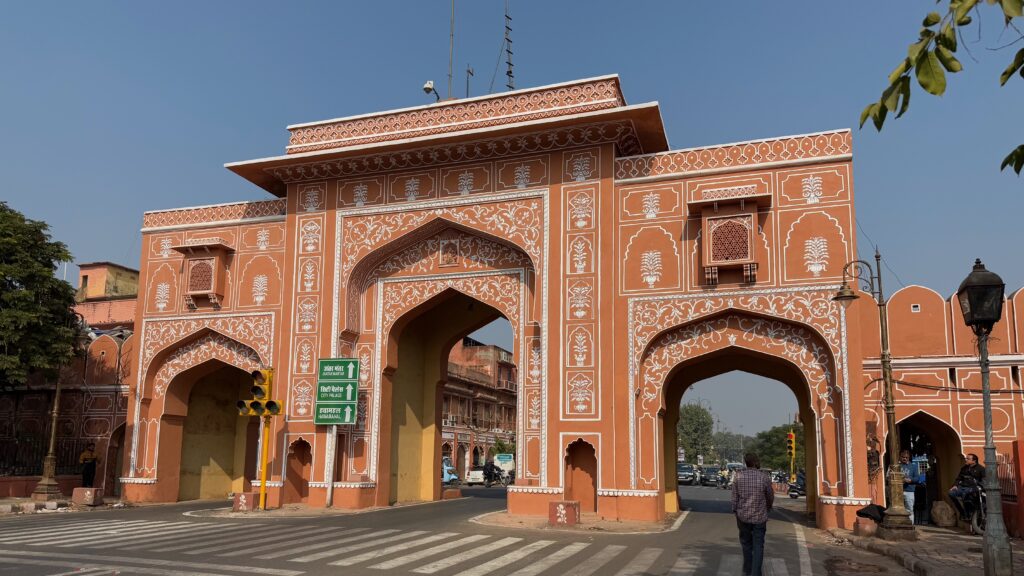
Jaipur: The Pink City of India Jaipur, the capital of Rajasthan, beautifully combines heritage, culture, and modernity. Known as the Pink City due to its trademark pink-colored buildings, Jaipur is part of the Golden Triangle tourist circuit alongside Delhi and Agra. This UNESCO World Heritage city offers visitors grand palaces, majestic forts, bustling bazaars, and rich Rajasthani traditions. Top Things to Do and See in Jaipur Amber Fort (Amer Fort)   Why Visit: A magnificent hilltop fort, blending Rajput and Mughal architecture. The fort offers panoramic views of Maota Lake. Highlights: The Sheesh Mahal (Mirror Palace), Diwan-e-Aam, and sound-and-light shows at night. Tip: Opt for a guided tour to learn about its rich history. City Palace   Why Visit: The residence of Jaipur’s royal family, showcasing a stunning fusion of Rajput, Mughal, and European architecture. Highlights: The Chandra Mahal (Royal Palace), museums, and the Peacock Gate. Tip: Purchase a composite ticket to access additional palace sections. Hawa Mahal (Palace of Winds)   Why Visit: A five-story palace with 953 intricately designed windows, originally built to allow royal women to observe street life unnoticed. Tip: Visit early morning for golden lighting or late evening to see it illuminated. Jantar Mantar Why Visit: It is a UNESCO World Heritage Site and the world’s largest stone astronomical observatory. Built by Maharaja Jai Singh II, it houses instruments for timekeeping and star alignment. Tip: A guide can make the visit more engaging by explaining the scientific aspects. Nahargarh Fort Why Visit: Perched on the Aravalli Hills, this fort offers breathtaking views of Jaipur City, especially at sunset. Highlights: Step inside the Madhavendra Palace for royal murals, and check out the restaurant for snacks with a view. Jal Mahal (Water Palace)   Why Visit: A stunning palace that floats in the middle of Man Sagar Lake. Tip: While you can’t enter the palace, a lakeside walk or boat ride offers picturesque views. Albert Hall Museum   Why Visit: The oldest museum in Rajasthan, showcasing art, artifacts, and relics across the region. Highlights: Its Indo-Saracenic architecture and exhibits like ancient coins and traditional costumes. Birla Mandir (Lakshmi Narayan Temple) Why Visit: A serene, modern temple dedicated to Lord Vishnu and Goddess Lakshmi, made entirely of white marble. Tip: Visit at dusk to see it beautifully illuminated. Shopping and Local Markets Jaipur is a shopper’s paradise, offering everything from jewelry to textiles: Johari Bazaar: Famous for traditional Kundan and Meenakari jewelry. Bapu Bazaar: Ideal for camel leather shoes, Rajasthani mojris, and textiles. Tripolia Bazaar: Known for lac bangles and brassware. Cultural Experiences in Jaipur Chokhi Dhani: Experience traditional Rajasthani village life with folk performances, camel rides, and authentic cuisine. Raj Mandir Cinema: Watch a Bollywood movie at this iconic, royal-styled cinema. Delicacies to Try Jaipur’s cuisine is a treat for the senses: Dal Baati Churma: A traditional Rajasthani dish. Laal Maas: Spicy lamb curry. Ghewar and Mawa Kachori: Sweet delicacies to savor. Best Time to Visit Jaipur October to March: The pleasant weather makes sightseeing more enjoyable. Festivals: Jaipur Literature Festival (January): Celebrating global literature. Gangaur Festival (March/April): A colorful Rajasthani celebration. Teej Festival (July/August): This festival is marked by processions and traditional rituals. Tips for Visiting Jaipur Carry comfortable footwear for exploring forts and markets. Stay hydrated, especially in the summer. Book tickets and guided tours in advance for popular attractions like Amber Fort and City Palace. Consider hiring a local guide or using an audio guide for historical landmarks. From its majestic architecture to its lively cultural experiences, Jaipur promises an unforgettable journey for every traveler. Whether you explore its grand palaces or savor its street food, the Pink City will leave you enchanted! Back to the Timeless India.  Latest Post All Posts Blog The Maha Kumbh Mela: A Journey of Faith and Endurance   A Gathering Like No Other The Maha Kumbh Mela is one of the most significant cultural festivals in the… The Maha Kumbh Mela Day 1: Immersed in the Sea of Humanity   First Day of the Maha Kumbh Mela   The official first day of the Maha Kumbh Mela began long… The Maha Kumbh Mela Day 2: Our Journey Beyond the Sangam   The Nearest Sangam Following our strenuous walk of over 25 kilometers the previous day, every muscle in our legs… The Maha Kumbh Mela Day 2: A Sacred Dip and A Holy Parade   An Unforgettable Experience at the Maha Kumbh Mela   Reaching the Sangam The Sangam is the revered junction of… Serendipity in Jaipur: A Journey Back in Time   My Journey Back in Time I took the night bus from Udaipur to Jaipur, leaving behind the city’s shimmering… Jaipur: A City of Temples, Thalis, and Timeless Chaos   Temples, Thalis, and Timeless Chaos When we arrived in Jaipur, the Pink City, it felt like stepping into a… Savoring Jaipur: The Ultimate Rajasthani Thali Experience Exploring Jaipur’s Best Thali Experiences Amid Jaipur’s bustling streets and majestic palaces, the thali custom unites the essence of Rajasthan’s… Daily Turmoil: The Unchanging, Timeless Chaos of Jaipur Despite Jaipur’s advancements, luxury malls, and modern conveniences, Jaipur still clung to its age-old chaos. Crossing the Street Crossing the… When Plans Fall Apart: Embracing the Unknown in India My Unplanned Trip to India I had planned an ambitious trip to five countries with a coworker I barely knew…. Facebook Instagram

Things To Do and See in Jaipur Read More »

Scroll to Top