Cristy S

Meet Chef Benny: Our Head Chef

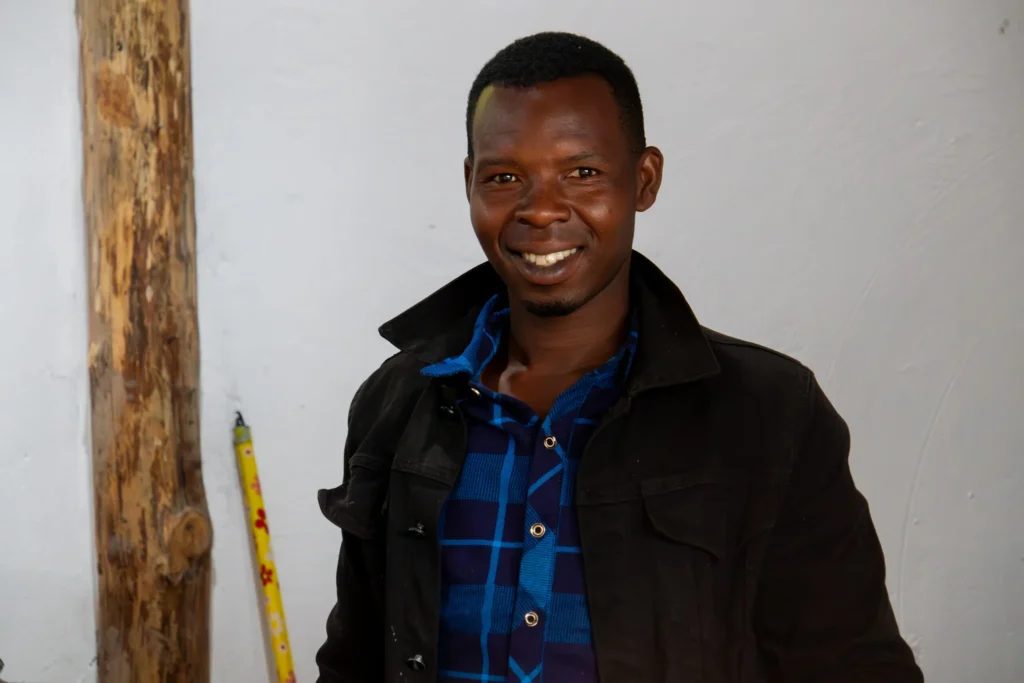
Chef Benny: A Taste of Resilience One of my favorite stories from Rushaga Community School is that of Chef Benny Alex, a man whose journey from humble beginnings to Head Chef is inspiring and heartwarming. Raised by a single mother in the Rushaga community, Benny was encouraged by teachers at a young age to pursue a path as either a doctor or a chef. He chose the kitchen, letting that vision carry him through the daily challenges of life as he dreamed of achieving culinary greatness. I had the distinct pleasure of having Chef Benny serve as my personal chef during my time in Rubuguri. I am grateful that I got to know him personally, as he shared his incredible story with me in between preparing my meals. After finishing his introductory courses at Rushaga Community School, Benny followed his dream at Kabale University, earning a degree in Hospitality Management and Catering. With limited resources, his mother worked tirelessly to help pay for tuition, yet books and other essentials remained out of reach. Benny refused to let that stop him. He sold bricks to cover the costs and make his dream come true. In 2018, Benny started his career at a lodge owned by an Italian company. They provided him with 8 months of on-the-job training before promoting him to a full-time chef and, eventually, to head chef, a role he still holds today. He works during the high season and receives an allowance in the low season, which gives him the flexibility to take leave when needed. This is Chef Benny turning constraints into cuisine. With a basic kitchen and limited supplies, he’s rolling out my favorite breakfast, Rolex! During my visit in the slow season, it was clear from the very first meal that I was in capable hands. His skill, care, and precision were evident in every dish, and he looked after me until my very last day in Uganda by preparing packed breakfasts and lunches. Benny’s dedication to me goes beyond cooking; he was incredibly meticulous about food safety, ensuring he used bottled water for my juices and salads. He is a master of the Rolex, my favorite, the traditional Ugandan chapati soaked in an omelet and rolled with tomatoes and peppers, which was easily the best I’ve had. He always made sure I was well-fed and received the most significant portions, such as the giant lamb skewer he prepared before I left Rubuguri. Benny is also a dedicated father to two children, a 12-year-old son and a 6-month-old daughter. Despite his achievements, he stays humble, kind, and deeply connected to his community, an example of the resilience and spirit fostered by Rushaga Community School. Benny’s story is a reminder that dreams can grow from the humblest beginnings and, with determination, hard work, and a little creativity, flourish into a life that inspires others.   Chef Benny made sure I got the best piece. This lamb skewer was more than a meal—it was generosity, skill, and the kind of care you don’t forget! A farewell celebration with my Ugandan family, hosted by the Bruno Family. They sent me off with lamb, laughter, and love! The kind of goodbye that stays with you long after you’ve left! Stories from the Road Every journey has another story waiting to be discovered. Explore more experiences, cultures, wildlife, and people from around the world. EXPLORE ALL STORIES

Meet Chef Benny: Our Head Chef Read More »

Meet Gloria: Community Leader and Women’s Advocate

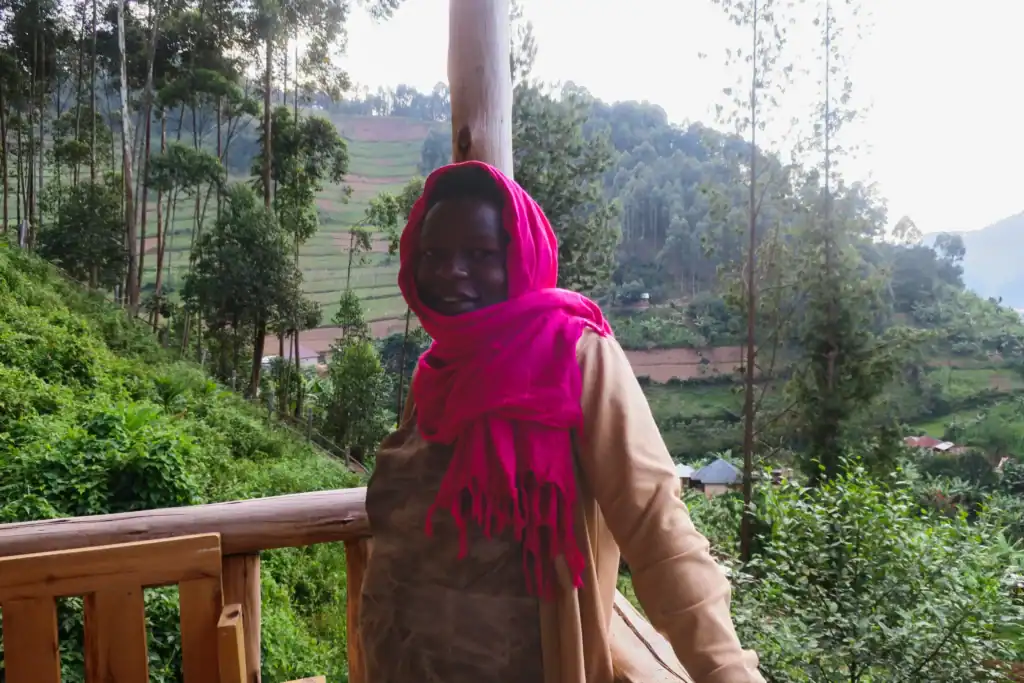
Creating Space for Women to Rise Every strong community has women who quietly and consistently keep it together. Gloria is one of those women. Gloria and her husband, Happy, were both born in Rubuguri. Like many young people seeking opportunity, they moved to Kampala, where they attended university and started building their lives. But when their first son was born, they made a decision that would shape not only their family’s future but also that of an entire community. They decided to return home.   Once a week, Gloria brings these women together! They weave baskets. They chat. They sing. They dance. It looks like an afternoon gathering, but it’s actually something bigger—a space where women reclaim their voice, their skills, and their power. Returning wasn’t just about geography. It was about responsibility, belonging, and choosing service over comfort. When I met Gloria, she was five weeks away from giving birth, yet she kept showing up week after week for the women of Rubuguri. Through her work with the villages, she teaches women how to sew and, more importantly, how to build independence and confidence through their own skills. Gloria holds weekly gatherings with women from various villages, creating a safe and empowering space. They weave baskets, share stories, laugh freely, and support each other. And then, almost always, they sing and dance, grounding their work in joy, culture, and connection. What Gloria is building goes far beyond just income generation. She is fostering community, dignity, and belief—proof that empowerment doesn’t always come from speeches or funding but from showing women what they are capable of. Seeing her work reveals that actual change can appear subtle, but it is deeply impactful. Gloria isn’t just supporting the women of Rubuguri. She’s walking alongside them, strengthening the community from within.   These women are from a different village, but Gloria made sure they weren’t forgotten. She taught them to sew, equipping them with skills that translate to independence and income. Real empowerment means showing up—even when it’s not convenient. This is Immaculate—a woman who inherited a coffee plantation and is making it thrive. Gloria makes sure women like her are supported, connected, and empowered to succeed. In Rubuguri, women’s empowerment isn’t just talk. It’s women lifting women, one success story at a time! Stories from the Road Every journey has another story waiting to be discovered. Explore more experiences, cultures, wildlife, and people from around the world. EXPLORE ALL STORIES

Meet Gloria: Community Leader and Women’s Advocate Read More »

The Children of Rushaga

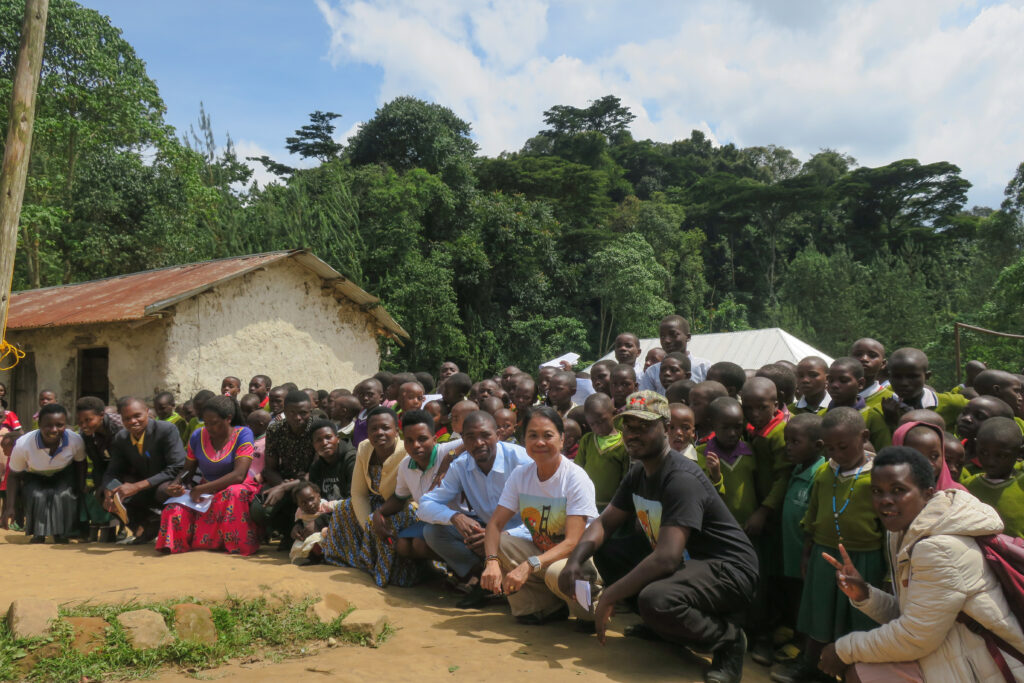
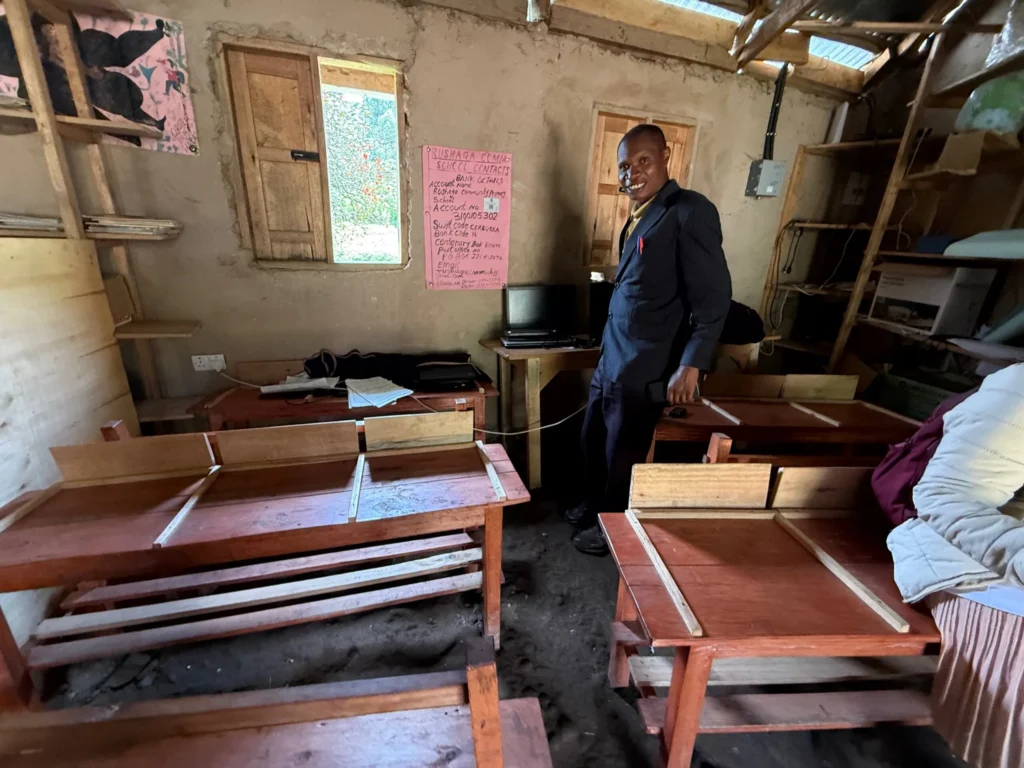
The Children of Rushaga The children of Rushaga Community School show up every day with discipline, curiosity, and hope, despite learning in conditions no child should endure. Their story is not defined by what is missing, but by their determination to learn, to dream, and to build a different future when given the chance. The next generation and their dreams for tomorrow Help Us Rebuild Rushaga Community School When I arrived in Rushaga, one of the 16 villages within Rubuguri Town Council at the edge of Bwindi Impenetrable Forest, my suitcases were filled with sports equipment: baseballs, gloves, and gear generously donated by my caring community at home. These children carry very little, yet they hold big dreams. Most of these items had been saved from landfills; here in this village, they became treasures. For many of the children, every piece was a first. They had never seen a baseball before, let alone held one. Happy Bruno had asked me to bring sports equipment with a straightforward goal: to introduce sports to the children of Rushaga Community School. In a place where resources are scarce, moments of play become moments of possibility. When the suitcase was opened, their excitement was immediate. Laughter, curiosity, wide eyes. This was more than play; it was a possibility! While they will need a coach to train their teachers so the games can be shared and sustained, the spark has already been lit. Walking through Rushaga Community School, I was struck by the gap between what children deserve and what they are given, and it broke my heart. This school exists because the community refused to accept that poverty, distance, or displacement should decide a child’s future. Today, 250 students attend the school. Eighty of them are Batwa children, members of an Indigenous community that was displaced from their ancestral forest home and has long been marginalized. All Batwa children attend school for free because education is one of the few tools left to restore dignity and opportunity. Other students can attend thanks to sponsorships and the generosity of residents like Happy Bruno and Silver, as well as supporters in the United States. This is not a system built on abundance, but on shared responsibility. Without this collective support, many of these children would have no access to education. These are a few of the children that Happy Bruno supports! When Mr. Godfried, the principal, showed me around, our first stop was the classroom. Small rooms with dark concrete walls. Lessons are taped to scraps of paper. The floors are part concrete, part sand, sometimes hiding broken glass that cuts their feet. Learning happens anyway. This is where they learn. This is where they spend their days. Half of the students live at the school because their homes are too far to reach on foot. Boarding is not a choice. It is the only way they can receive an education. They leave their home and families behind in pursuit of learning. Their rooms are crowded and sparse, filled with children who trade ease for opportunity. A small computer lab with six donated laptops offers a narrow window to the broader world. Their curiosity extends beyond what the technology allows. The children take turns, eager to learn. Meals consist of rice, a few pieces of beans, gravy, and cabbage. It keeps them going, but it is not enough for growing bodies or growing minds. Still, they return to class. And yet, they show up. They walk barefoot or in worn shoes. They stand on floors that hurt their feet. They learn. They ask questions. They smile. They dream of becoming doctors, teachers, engineers, and chefs—not because life has been easy, but because hope has not been taken from them. They are not asking for luxury. They are asking for a fair chance. The children of Rushaga Community School are resilient, curious, and full of potential. But potential needs protection. It needs safe classrooms, nourishment, tools, and care. This is not a call for pity. It is an invitation to partnership. Not charity, but belief. These children are ready to rise! They need someone to meet them halfway. We’re Building That Halfway Right now, we’re working alongside the Rushaga Community to rebuild their school- not just the walls, but the foundation for these children’s futures. New classrooms with proper roofs. Desks where students can actually write. A kitchen to provide meals. Safe latrines. The essentials that transform potential into possibility. This isn’t a distant dream.  We need partners to meet them there, to provide the resources that turn sweat equity into standing structures. WILL YOU HELP US REBUILD RUSHAGA COMMUNITY SCHOOL? When you visit with us, you’ll meet them. You’ll see their faces, hear their voices, and feel why this matters. But they need you now! Through the Rushaga Initiative, we are raising $50,000 to rebuild Rushaga Community School—creating safe classrooms, secure learning spaces, and an environment where education can truly take root. DONATE Stories from the Road Every journey has another story waiting to be discovered. Explore more experiences, cultures, wildlife, and people from around the world. EXPLORE ALL STORIES

The Children of Rushaga Read More »

Meet Mr. Godfried: Principal of Rushaga Community School

Meet Mr. Godfried: Choosing to Show Up Everyday How do you manage to show up for work every day when you see children who need far more than you can provide? Mr. Godfried faces this question each morning as the principal of Rushaga Community School, where the daily reality is an ongoing struggle against limited resources. And every morning, he chooses to show up anyway! He showed me the teacher’s office, so cramped that educators have barely enough room to move while preparing lessons and grading papers. He showed me the boarding room, a vital sanctuary for half the students who live too far to walk home each day, and for whom this crowded room is their only path to an education. He showed me six donated laptops crowded into a space built for two, meant to open digital worlds for children whose potential has no limit. He showed me the teacher’s office, a space so cramped that educators have barely enough room to move while preparing lessons and grading papers. He also showed me the boarding room, which serves as a vital sanctuary for half the students. Because they live too far to walk home each day, this crowded room is their only path to an education. This is the teachers’ office, where they prepare lessons, rest between classes, eat lunch, and handle everything else that keeps the school running. He showed me all of it without apology and without despair. Mr. Godfried doesn’t hide the truth of this place. He shows it. And then he comes back the next morning and does what he can with what he has: broken floors, donated laptops, and rice and beans that are never quite enough. Not because the conditions are acceptable. But because he believes, with everything in him, that these children deserve someone who shows up for them every single day. Watching him walk through those classrooms, I thought, “This man should not be doing this alone.” Being a principal here isn’t about prestige or authority. It is about choosing to believe, every single day, that education matters and that these children deserve someone in their corner. Mr. Godfried is not waiting for perfect conditions to do meaningful work. He is doing it right now, with what he has, because he knows that waiting means losing another generation. That kind of commitment doesn’t come from a job description. It comes from the heart. Mi Bella Mondo, in partnership with Global Peace Media, has launched the Rushaga Community School Initiative to rebuild this school, replacing broken floors and cramped rooms with a safe, dignified environment where these children can finally thrive. Mr. Godfried has carried this alone for too long. Now, we carry it together. Stories from the Road Every journey has another story waiting to be discovered. Explore more experiences, cultures, wildlife, and people from around the world. EXPLORE ALL STORIES

Meet Mr. Godfried: Principal of Rushaga Community School Read More »

My Interview with Happy

My Interview with Happy: Building Hope, Protecting Nature The Story and Vision of Bwindi Conservation for Generations Foundation Introduction Deep in southwestern Uganda lies Bwindi Impenetrable Forest, a UNESCO World Heritage Site and one of the last refuges for the endangered mountain gorillas. Surrounding its borders are lively communities with rich cultures, but also serious socio-economic challenges. It was here that Happy Bruno saw both the urgent needs of his people and the delicate state of the environment. His journey led to the creation of the Bwindi Conservation for Generations Foundation, an organization that uniquely combines ecological protection with community empowerment. This interview examines the foundation’s history, mission, impact, and the changing relationship between conservation, tourism, and sustainable development in the Bwindi region. How was the foundation started, and what motivated you? A: After earning my Bachelor’s degree in Commerce from Makerere University, I went back home and struggled to find a job. Instead of waiting for an opportunity that never arrived, I asked myself, “How can I use what I’ve learned to make a difference here?” I saw firsthand how poverty and limited opportunities affected families, especially the Batwa, an Indigenous group historically marginalized on the edges of the forest. I also saw the pressure on Bwindi from unsustainable farming, human-wildlife conflicts, and the lack of long-term livelihood options for young people. That combination, social hardship coupled with ecological vulnerability, motivated me to create a foundation that operates at the intersection of conservation and community prosperity. We didn’t want to protect nature alone; we aimed to strengthen livelihoods, expand knowledge, and support local social enterprises so communities can live sustainably alongside the forest. Bwindi Conservation For Generations Foundation Meaning Behind the Name “Future Generations”: What does the name “Future Generations” mean to you? A: To me, it’s a vow and a guiding principle: every action we take must benefit both people and nature long into the future. That means safeguarding Bwindi’s biodiversity, including its mountain gorillas, while ensuring that children in our communities grow up with education, opportunity, and dignity. This vision shapes every initiative we lead, from youth training to social enterprises that improve livelihoods. It’s about creating a legacy that future generations can inherit with pride. Serving a Unique and Resilient Community: Can you describe the community you serve in the Bwindi region? A: The communities around Bwindi are culturally rich and diverse. They include the Batwa Indigenous people, who were once hunter-gatherers with a deep forest heritage, as well as other groups such as the Bakiga. These communities have lived for generations close to one of the most biodiverse forests on Earth. Life here is tough: many families rely on subsistence farming with limited access to quality education, healthcare, or stable jobs. Farming on steep, rugged land often conflicts with wildlife, such as gorillas foraging on crops, thereby reducing food security. Despite these hardships, the people remain resilient, proud, and profoundly connected to the land. Their cultural wisdom and dedication to community serve as the foundation of our work.   Mission and Work, Blending Conservation with Local Empowerment:   What are the foundation’s primary missions, and what programs are you implementing? A: Our mission is to combine conservation efforts with social impact by strengthening education, improving livelihoods, and encouraging environmental stewardship among communities near Bwindi Forest. We recognize that protecting the forest must go hand in hand with empowering the people living closest to it. Core Programs We Run Social Innovation AcademyA training space where youth and women learn skills such as entrepreneurship, digital literacy, and sustainable business practices. These programs help people develop alternative economic pathways that don’t depend on degrading natural resources.  Community Sustainable Responsibility ProjectsWe support eco-friendly initiatives, such as demonstration gardens for organic farming that teach about food security and sustainable agricultural techniques. This not only boosts local food production but also eases pressure on protected forests. Eco-Tourism and Local ProductsWe work to integrate ecotourism opportunities into Bwindi’s scenery, alongside local products and experiences, helping extend tourists’ stays and deepen the positive economic impact on host communities. Women’s and Youth GroupsAcross different villages, we have formed community groups where women generate income through crafts, agriculture, and conservation-related businesses.  Human-Wildlife Conflict Management & AwarenessSince many villages border the forest, interactions between people and wildlife, especially when crops are damaged, can lead to tension. We focus on community strategies to reduce conflicts and support residents in living harmoniously with wildlife.  These programs are interconnected: teaching skills, promoting sustainable practices, and cultivating guardians of both community wellbeing and wildlife. Our goal is that conservation benefits local families, not just visitors or outside stakeholders.   Impact and Transformations:   What are your most significant achievements or impacts so far? A: Our most significant achievement is witnessing tangible changes in people’s lives: children attending school who otherwise couldn’t, women earning a steady income through community enterprises, and families beginning to see sustainable livelihoods as a reality rather than just a dream. One powerful story is of Gloria A and Chef Benny, who graduated from the Rushaga community. Before our support, they struggled to stay in school due to financial hardship. Through educational sponsorships, they were able to continue their education at Rushaga Community School. Today, Gloria participates in conservation clubs, teaching other children about protecting Bwindi’s biodiversity, while Benny has grown in confidence into an excellent chef, despite the odds. Their transformation isn’t just personal; it echoes through their entire community. Challenges and Solutions: What are the main challenges your community faces, and how are you addressing them? Poverty & Limited Economic Opportunity: Many families face unstable incomes, resulting in food insecurity and school dropouts. Solution: Our Social Innovation Academy and local businesses support income diversification, especially for women and youth. Education Barriers: Fees, uniforms, and materials prevent children from attending school. Solution: We offer school and mentorship programs. Human-Wildlife Conflict: Crop loss from wildlife foraging is a challenge for families. Solution: We collaborate with neighbors to develop planting strategies, awareness initiatives, and conflict-mitigation practices. Lack of Resources and Awareness: Limited access to farming knowledge and sustainable techniques keeps communities in vulnerable

My Interview with Happy Read More »

Meet Happy: Co-founder of Bwindi Conservation for Future Foundation

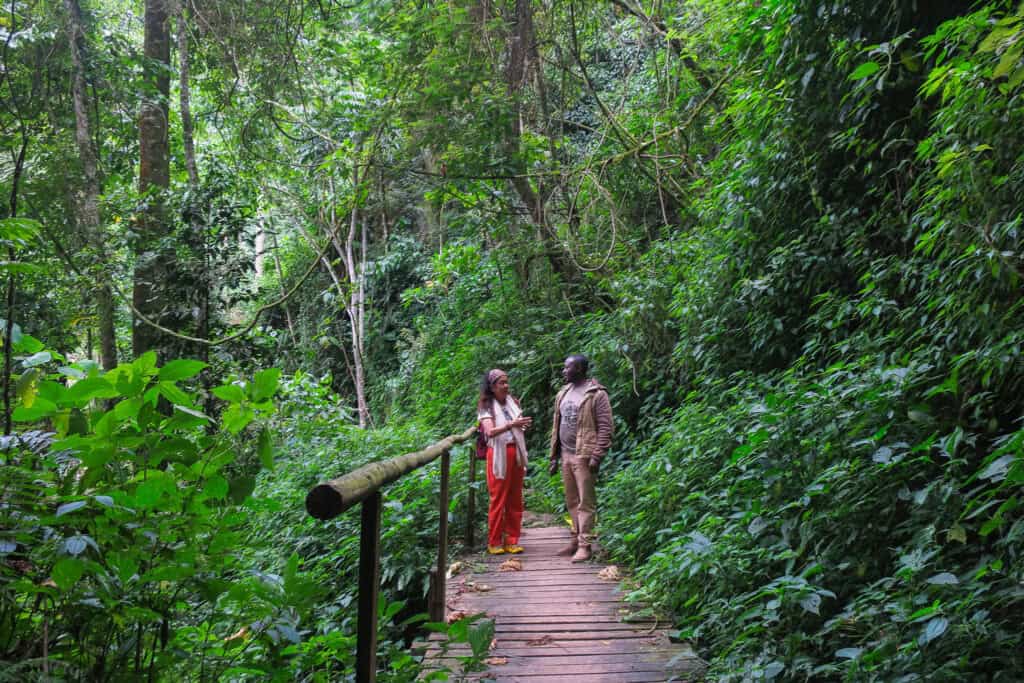
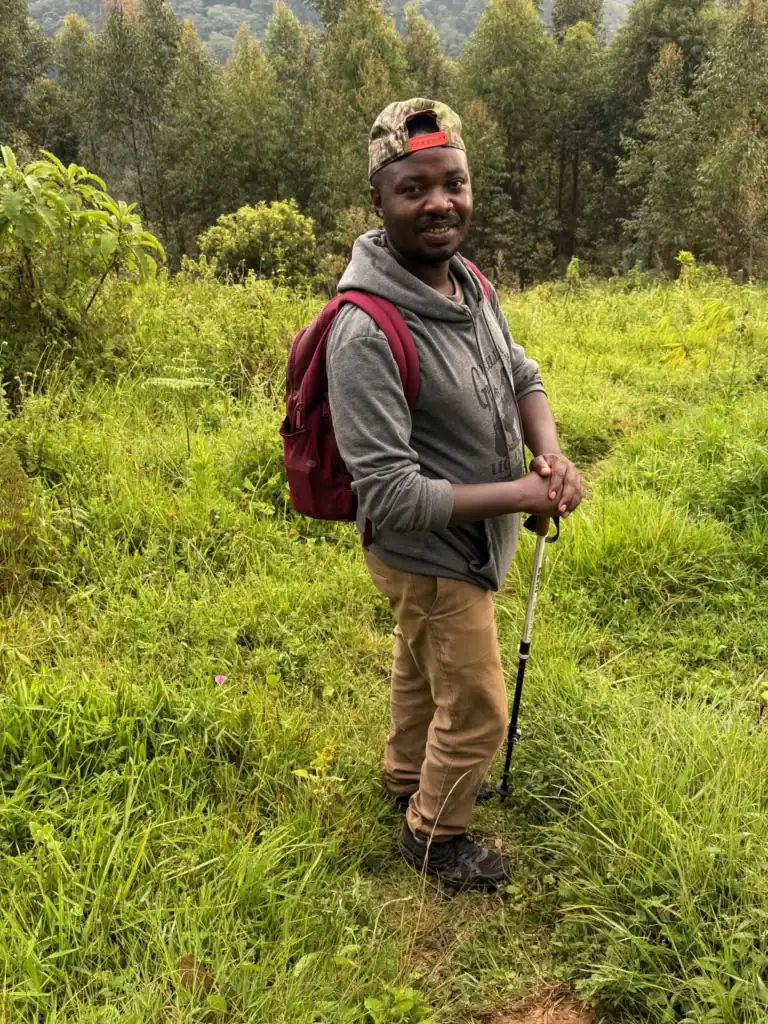
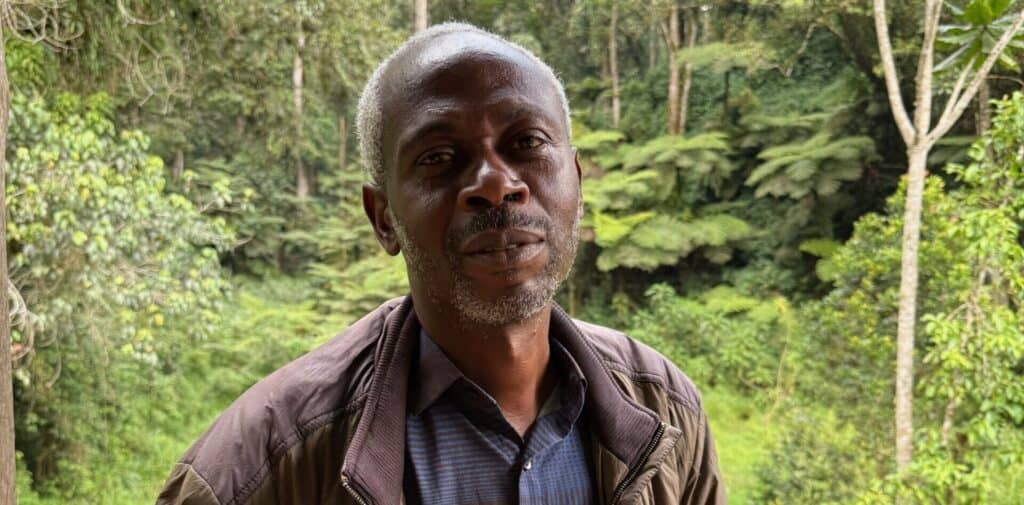
Meet Happy: The Visionary Who Returned Home to Build a Better Future I first learned about Happy Bruno while exploring the work of the Bwindi Conservation for Future Generations and the possibility of a partnership focused on sustainable tourism. After several WhatsApp conversations, it became clear that I needed to meet him and experience his work firsthand. That curiosity ultimately led me to Uganda. I met many remarkable people during my time in Uganda, but some left a stronger impression. Happy Bruno is one of those, and yes, that is his real name! Happy was named after his mother, ‘Happiness,’ carrying forward a legacy of optimism and purpose. Although his college studies in Kampala could have led him far from home, Happy and his wife, Gloria, intentionally chose to return to Rubuguri. There, in the community where he was born, he committed himself to giving back everything he had learned. He is the co-founder of the Bwindi Foundation for Future Generations. Currently, he serves as Mayor of Rubuguri Town Council, a role that symbolizes trust, responsibility, and genuine commitment rather than ambition. But titles only show part of the story. Happy works tirelessly to ensure his community not only survives but genuinely thrives. Through the foundation, he supports conservation efforts while empowering women and children across 16 villages near Bwindi Impenetrable National Park. His work connects environmental protection with human well-being, recognizing that the future of the forest and the future of the people are intertwined. He is also a deeply dedicated father. Happy has two biological sons, with another child on the way. He has opened his home and heart to many adopted children, ensuring they have access to education and opportunities. He often steps in when circumstances fall short. What stayed with me most wasn’t just how much he does, but how grounded he remains. Whether discussing village development, education, conservation, or the future of his children or the women in the villages, Happy leads with humility, consistency, and purpose. Some people grow into their names. Happy Bruno lives up to his name by choosing to return, serve, and stay!   Read “My Interview with Happy.” The children of Rubuguri, whose school is in desperate need of rebuilding. Happy ensures they’re supported, but he knows it’s not enough. He asked me, pleaded with me: to help them get what they deserve: a real school. Not because he’s their mayor, but because he refuses to accept that poverty should determine a child’s future. Truly an honor to trek with this group; true conservationists who dedicate their lives to making the world better. They don’t separate wildlife protection from community empowerment. They understand it’s all connected. Walking alongside them was a reminder that real change happens when people show up and do the work. Stories from the Road Every journey has another story waiting to be discovered. Explore more experiences, cultures, wildlife, and people from around the world. EXPLORE ALL STORIES

Meet Happy: Co-founder of Bwindi Conservation for Future Foundation Read More »

Meet Silver: Founding Director of Rushaga Community School

A Life Dedicated to Children and Community Meet Mr. Silver: Founding Director of Rushaga  Community School, Co-Founder of Bwindi Conservation for Generations Foundation, owner of Nshongi Camp and Wild Tusker Safari. Some people make noise openly. Others change the world quietly, so quietly that you only notice their impact when you start listening to the stories. Silver is one of those people. Before becoming a co-founder of the Bwindi Conservation for Generations Foundation, Silver was a schoolteacher, and at heart, he still is. His passion has always been education, especially for children who are often left behind solely because of where they were born. In this part of Uganda, many children live far from schools. Even government schools require fees that families cannot afford. For some, the cost of a uniform or books is already impossible. Instead of accepting this reality, Silver chose to challenge it. Using his personal resources, he established and funded the Rushaga Community School. It was built for children who otherwise would not have access to education. The school operates on a sliding fee scale, determined solely by what families can afford, which, in many cases, is almost nothing. There is minimal external funding or donations, and time after time, Silver steps in, using his own money to cover the shortfall, support the children, and pay the teachers. But his work goes far beyond the classroom. I’ve spoken to several people who speak highly of Silver, and what stands out most is how he doesn’t take credit for everything he’s done. He gives seeds to women so they can plant crops to feed their families or sell at the market. He provides money for basket-weaving materials, empowering women to create items they can sell for income. He buys food for children who would otherwise go hungry. He pays school fees when families cannot afford them. During my stay, I heard story after story. There were plenty of quiet testimonials from people whose lives were altered by him; Silver paid for their schooling when there was no hope. A family was supported when there were no options left. A child who learned to read because Silver believed they deserved that chance. When I sat with Silver, I expected him to tell me about what he had built. Instead, he talked only about what still needed to be done. He never mentioned the school fees he had personally covered, the seeds he gave to women, or the children he had fed when there was nothing at home. When I shared that I had brought a suitcase filled with baseball equipment, his face lit up. He spoke excitedly about how meaningful it would be for the children and how wonderful it would be to bring someone to teach them how to play. Even in joy, his focus remained entirely on what might be possible next for the Children of Rushaga. Other people told his stories. Silver never would. That is the kind of man who made me want to be better. Silver also owns Nshongi Camp, a lodge just 500 meters from the forest edge. It’s one of those rare places where nature constantly reminds you who truly lives there, with occasional sightings of mountain gorillas, elephants, monkeys, and antelopes as part of everyday life. The camp reflects him perfectly: grounded, purposeful, and deeply connected to the land and community. To meet Silver is to understand that authentic leadership doesn’t stem from position or authority; it arises from service, sacrifice, and consistency. It was truly an honor to have crossed paths with a man who has quietly shaped the future of so many children and will continue to do so for generations to come.   This is Silver, Happy, and me at the Nshongi Camp restaurant with the Bwindi Impenetrable National Forest literally at our backs. The forest is close enough to walk into, and gorillas, elephants, monkeys, and antelopes are regularly seen. Silver co-founded the Bwindi Conservation of Generations Foundation with Happy, but what struck me most were the stories people shared. He helped many children and families without ever making a noise about it.   If you’re visiting this part of Uganda, stay at Nshongi Camp. And don’t rush through. This place, these people, this forest, they’re worth more than a quick stop. Stories from the Road Every journey has another story waiting to be discovered. Explore more experiences, cultures, wildlife, and people from around the world. EXPLORE ALL STORIES

Meet Silver: Founding Director of Rushaga Community School Read More »

The Ultimate Guide to Exploring Greece

EXPLORE GREECE Your Comprehensive Destination Guide At a Glance Total area: 131,957 square kilometers   Capital:  Athens Religion: Eastern Orthodox Christianity (Greek Orthodox Church)Population: Approximately 10.2 million Languages: Greek; English is widely spoken, as well as German, French, and ItalianCurrency: Euro (EUR, €) Banking Hours: Mon–Fri, 8:00 am–2:30 pm  Telephone/Communication: The country code is +30. Greece has strong mobile coverage and offers 4G/5G in most urban areas and popular islands. Free Wi-Fi is common in cafes, hotels, and some public areas. Climate: Mediterranean climate. Summers: Hot and dry (June to September), especially in the islands and southern mainland. Average highs often reach 30–35°C (86–95°F). Winters: Mild and wetter, especially in the north and mountain regions. Best time to visit: April to June & September to October (fewer crowds, pleasant weather) VAT in Greece Eligibility Criteria To qualify for a VAT refund in Greece: Residency: You must be a permanent resident outside the European Union. Minimum Purchase: Spend at least €50 (including VAT) in a single store on the same day. Export Requirement: Goods must be exported from the EU within three months of purchase. Note: Not all stores participate in the VAT refund scheme. Look for the “Tax-Free Shopping” sign or inquire at the checkout. How to Claim Your VAT Refund Shop at Participating Stores: Request a Tax-Free Form at the time of purchase. Provide your passport details to complete the form. Ensure the form is filled out correctly and keep all receipts. At the Airport: After customs validation, proceed to the VAT refund service counter (e.g., Global Blue, Premier Tax Free). Submit your stamped forms to receive your refund. By Mail If you cannot claim the refund at the airport, please mail the stamped forms and receipts to the VAT refund service provider. Make sure to complete all necessary sections, including your credit card details, for the refund. Refund Amount and Fees Refund Percentage: Depending on the refund agent and service fees, you can receive approximately 12.5% to 14.75% of the purchase amount back. Service Fees: Refund agents may deduct a commission from your refund. Payment Methods: Refunds can be issued via cash, credit card, bank transfer, or e-wallet. Travel Requirements Entry & Visa Passport Validity: Your U.S. passport must be valid for at least 3 months beyond your planned departure from the Schengen Area, which includes Greece. It is advisable to have at least 6 months of validity to avoid potential issues during transit through other countries. Visa-Free Travel:  180 days U.S. citizens can enter Greece without a visa for stays of up to 90 days within 180 days for tourism, business, or short-term study. Proof of Return or Onward Travel: You may be required to show a return ticket or evidence of onward travel. Sufficient Funds: Be prepared to demonstrate that you have enough financial means to cover your stay. Health Insurance: While not mandatory, it’s strongly recommended to have travel insurance that covers emergency medical expenses during your stay in Greece COVID-19 Requirements: As of May 2023, Greece has lifted all COVID-19 entry requirements. Proof of vaccination or recovery is not required, but it is best to stay updated on any changes. Upcoming Changes: ETIAS and Entry/Exit System ETIAS (European Travel Information and Authorization System): In late 2026, U.S. citizens must obtain an ETIAS authorization before traveling to Greece and other Schengen Area countries. U.S. citizens can apply online, pay a €7 fee, and typically receive approval within a few minutes to a few days. Exit System (EES): Scheduled for implementation in October 2025, the EES will collect biometric data (fingerprints and facial scans) at border crossings within the Schengen Area. This system aims to enhance border security and streamline entry and exit processes. Travel Tips Apply for ETIAS Early: Once ETIAS becomes operational, apply well before your travel date, as processing times can vary. Stay Informed: Regularly check official sources, such as the U.S. Department of State and the European Commission, for the latest travel advisories and requirements. Travel Insurance: Consider purchasing comprehensive travel insurance that includes coverage for medical emergencies, trip cancellations, and unexpected delays. Enroll in STEP: Register with the U.S. Department of State’s Smart Traveler Enrollment Program (STEP) to receive important updates and facilitate assistance in emergencies Getting there from the US Traveling from the United States to Greece is more convenient than ever, with numerous direct and connecting flight options available—especially during the spring and summer months when tourism peaks. Major U.S. Cities with Direct Flights to Greece Nonstop flights typically operate to Athens International Airport (ATH) from the following major U.S. cities: New York City (JFK, EWR)—year-round or seasonal Philadelphia (PHL) Chicago (ORD) Washington, D.C. (IAD) Boston (BOS) Atlanta (ATL) Miami (MIA) Los Angeles (LAX)—mostly seasonal Airlines offering direct or one-stop flights include Delta Air Lines United Airlines American Airlines Emirates Lufthansa, Air France, Swiss, ITA Airways (via European hubs) Aegean Airlines (Greece’s flagship carrier) Flight Duration Direct flights: ~9–11 hours from the East Coast One-stop flights: ~13–16 hours total travel time, depending on the route and layover city Travel Safety Tips General Safety: Stay Alert in Crowded Areas: Tourist hotspots like Athens (especially near the Acropolis, Plaka, and Monastiraki) can attract pickpockets. Keep your belongings secure and be vigilant. Entry & Health Safety Requirements: No Mandatory COVID-19 Restrictions: Greece has lifted all COVID-19 entry restrictions—no proof of vaccination, negative tests, or quarantine is required for travelers from the U.S. or other countries. Travel Insurance: Although the law does not mandate it, we strongly recommend obtaining comprehensive travel insurance that covers health emergencies, trip cancellations, and medical evacuation. Health Precautions: Carry any personal medications, and consider bringing basic first aid supplies. Tap water is safe to drink in most areas, but bottled water is recommended in some islands or rural areas. Transportation Safety: Use licensed taxis or ride-sharing apps. Driving in rural areas can be challenging due to narrow or winding roads, so exercise caution if renting a car. Beach & Water Safety: Always swim in designated areas with lifeguards present. Watch

The Ultimate Guide to Exploring Greece Read More »

The Ultimate Guide to Exploring Germany

EXPLORE GERMANY Your Comprehensive Destination Guide At a Glance Total area: 357,022 square kilometers   Capital:  Berlin Religion: Christianity (mainly Protestant and Roman Catholic)Population: Approximately 84 million Languages: German; English is widely spoken. Currency: Euro (EUR, €) Banking Hours: Mon–Fri, 8:30 am–4:00 pm  Telephone/Communication: The country code is +49. Germany has an excellent telecom infrastructure, with 4G widely available and 5G rolling out. Standard Free Wi-Fi is common in hotels, cafes, and public areas. Climate: Temperate seasonal climate. Cold winters (can drop below freezing, especially in the south and east) Warm summers (average highs around 24°C / 75°F) Rain is relatively evenly distributed throughout the year VAT in Germany If you’re a non-EU resident (including U.S. citizens), you may be eligible for a VAT refund on purchases made during your trip. To qualify for a VAT refund: Shop at stores that offer “Tax-Free Shopping.” Look for signs or ask at the register. Spend a minimum amount (usually around €50 per receipt). Ask for a VAT refund (Tax-Free Form) when purchasing. Get your receipts stamped by German customs at the airport when leaving the EU. Submit the stamped forms at a refund booth or by mail (Global Blue, Planet Tax-Free, etc.) Pro Tips: Arrive at the airport early—VAT refund lines can be long. You must show the unused goods and original receipts at customs. Some services (like hotel stays and meals) are not eligible for a refund. Travel Requirements Entry & Visa As of 2025, under the Schengen Agreement, U.S. citizens can travel to Germany for tourism or business without a visa and stay up to 90 days within 180 days. Valid Passport Must be valid for at least 3 months beyond your planned departure from the Schengen area. Must have been issued within the last 10 years. Proof of Return or Onward Travel Upon entry, they may request a return flight ticket or proof of onward travel. Proof of Sufficient Funds While not always checked, travelers may need to show evidence they can financially support themselves (e.g., credit cards, cash, or bank statements). Travel Insurance (Highly Recommended) Airlines and immigration officers recommend and sometimes require health insurance with a minimum coverage of €30,000. ETIAS Requirement (Coming Soon) Starting mid-2025, U.S. travelers must obtain an ETIAS travel authorization before entering Germany or any Schengen country. ETIAS = European Travel Information and Authorization System Similar to the U.S. ESTA Cost: ~€7 Valid for 3 years or until your passport expires Monitor official EU updates for information on the launch and application process of ETIAS. Who Needs a Visa? If you’re Planning to stay more than 90 days, Working, studying, or joining the family in Germany,If you plan to stay for more than 90 days, you must apply for a national visa at the nearest German consulate before entering Germany. Getting there from the US Traveling to Germany from the United States is straightforward, with numerous nonstop flights from major U.S. cities available daily. Most international flights arrive at one of Germany’s major airports, including Frankfurt am Main Airport (FRA)—Germany’s most prominent and busiest airport Munich Airport (MUC)—Known for its efficiency and ease of transfer Berlin Brandenburg Airport (BER)—Serving the capital city Düsseldorf (DUS), Hamburg (HAM), and Stuttgart (STR)—Regional international hubs Major U.S. departure cities with direct flights to Germany include: New York (JFK, EWR) Chicago (ORD) Los Angeles (LAX) San Francisco (SFO) Washington, D.C. (IAD) Boston (BOS) Miami (MIA) Dallas (DFW) Atlanta (ATL) Seattle (SEA) Airlines offering direct flights include Lufthansa (Germany’s flagship carrier) United Airlines Delta Air Lines American Airlines Condor Flight time ranges from 7 to 11 hours, depending on the departure city and destination airport.   Travel Safety Tips General Safety: Low crime rate: Violent crime is rare, but like any major destination, petty theft (especially pickpocketing) can occur—particularly in tourist hotspots like Berlin, Munich, and Frankfurt. Stay alert in crowds: Keep valuables close and avoid leaving bags unattended in train stations, airports, and markets. Public Transportation Tips Germany’s trains and metros are safe, clean, and efficient. On regional trains, you may need to validate your ticket before boarding. Be cautious of scammers posing as ticket inspectors—always ask for ID if unsure. Legal & Cultural Tips Obey the rules: Germany is known for its order and rule-following. Jaywalking, fare-dodging, or being loud in residential areas can draw fines or negative attention. Carry ID: You’re legally required to carry a valid photo ID (e.g., passport) at all times. Drugs are illegal—even cannabis use can lead to legal issues outside specific medical contexts. Emergency Numbers Police: 110 Ambulance/Fire: 112(Both numbers work from any phone, including mobiles without a SIM card.) Language Help English is widely spoken, especially in urban and tourist areas, but having a translation app or knowing a few German phrases can be helpful. Local Insight Tap water is safe to drink. Public restrooms may require a small fee (€0.50–€1.00), so carry coins. People take quiet hours seriously, especially in residential areas. Health Safety Tips   Vaccination Requirements No mandatory vaccines for travelers from the U.S. However, the CDC and WHO recommend being up to date on routine vaccinations: MMR (measles, mumps, rubella) DTP (diphtheria, tetanus, pertussis) Polio Influenza (especially if traveling in fall or winter) COVID-19 (not required, but recommended) Health Insurance While not required for entry (yet), travel health insurance with at least €30,000 coverage is highly recommended. Germany offers excellent medical care, but non-residents must cover expenses without valid international insurance. Pro tip: The full implementation of the ETIAS visa waiver system in 2025 will likely require travel insurance. Medical Services Pharmacies (Apotheken) are widespread and easily identified by a red “A” sign. For minor issues, pharmacists can often advise or prescribe over-the-counter remedies. In the event of a serious illness or injury, Emergency number: 112 Public and private hospitals offer world-class care, though private clinics may require upfront payment. Food & Water Safety In Germany, tap water is safe to drink in all locations. Food hygiene standards are high—enjoy local cuisine without worry. No Tropical Diseases Germany

The Ultimate Guide to Exploring Germany Read More »

Scroll to Top