Cristy S

Namibia’s Quiver Trees: Icons of Survival and Beauty

Namibia’s Quiver Trees: Icons of Survival and Beauty The drive from Sesriem to Keetmanshoop in Namibia spans a considerable distance through the country’s arid and scenic landscapes. The distance between Sesriem and Keetmanshoop is approximately 500 kilometers. The drive typically takes 5 to 6 hours by car, depending on road conditions and speed. It took us 8 hours to get to Quiver Tree Forest, with a quick stop for lunch in Maltahohe.  Leaving behind the mesmerizing dunes of Sossusvlei and the gravel road, the next destination unfolds as a visual narrative, revealing the ever-changing beauty of Namibia’s diverse scenery. The red dunes gradually give way to the rocky plains and sparse vegetation. The occasional acacia tree flanks the open road as it stretches ahead, its silhouette casting elongated shadows in the desert sun. As the long drive continues, the terrain evolves into a display of rocky boulders and ancient riverbeds, creating a dramatic backdrop against the expansive sky. The gravel road winds through the rugged terrain, and the Jimny keeps chugging. Approaching Keetmanshoop, the scenery undergoes another magical transformation. The Quiver Tree Forest feels like entering a botanical wonderland, with the sun casting a warm glow on the succulent leaves of the quiver trees. Massive granite boulders dotted the landscape, adding to the ethereal atmosphere of this natural marvel. Quietly standing alone, surrounded by hot stones, in a lonely and dry desert (yes, I am a Quiver Tree in a desert indeed.)   Quiver trees, also known as kokerbooms, are native to the southern parts of Africa. They are prevalent in the arid regions of Namibia, South Africa, and Botswana. In Namibia, the Quiver Tree Forest, located in the Keetmanshoop region, is a famous and distinctive site where these trees are prevalent. They are well-adapted to survive in harsh, arid environments and are known for their unique appearance with branching trunks and succulent leaves. Symbolizing strength and resilience, quiver trees serve as a unifying emblem, drawing people together through their rarity and the admiration they inspire. We lodged at the Quiver Tree Rest Camp, a charming establishment owned by a German couple. Our accommodation included a continental breakfast and dinner. They served Oryx for dinner, which did not appeal to me. Throughout this trip, Nathan tried various game meats and added Oryx to his adventurous culinary experience! He described the taste as rich and tender, akin to the taste of high-quality beef but with a more pronounced gamey undertone.  And here is what an oryx looks like! The Quiver Tree Forest is literally in the backyard of the rest camp. Opting for an additional stargazing experience, we paid an extra 1000 ND for two people (approximately $55). The purchase allowed us to drive to the forest at night, pitch dark with no light pollution, marveling at the celestial spectacle of stars and witnessing the breathtaking beauty of the Milky Way. People must feel that the natural world is important and valuable, beautiful and wonderful, and an amazement and a pleasure. – David Attenborough  Author: Cristy Photo Credit: Nathan Stories from the Road Every journey has another story waiting to be discovered. Explore more experiences, cultures, wildlife, and people from around the world. EXPLORE ALL STORIES

Namibia’s Quiver Trees: Icons of Survival and Beauty Read More »

From Salt Pan Serenity to Safari Wonders: The Ultimate Etosha Adventure

From Salt Pan Serenity to Safari Wonders: The Ultimate Etosha Adventure Our first stop is Etosha National Park. As we left Windhoek, the vastness of Namibia unfolded right before our eyes. The landscape transformed with every kilometer, from the rolling hills surrounding Windhoek to the expansive plains leading to Etosha National Park. We pass by acacia trees casting drawn-out shadows that stretch across the terrain. The occasional silhouette of wildlife on the horizon added a touch of anticipation, as if the road held the promise of encounters with the wild. Dark clouds followed us to Etosha, with lightning and occasional bursts of heavy rain. Our trusted companion, Jimny, navigated the winding roads with a not-so-sturdy grade. Its clunky frame weaves through the vastness like a clumsy explorer wavering on a wacky trail. Etosha National Park is one of Africa’s oldest and largest national parks. Etosha means the ‘great white area’ and refers to the vast salt pan. This is Africa’s largest salt pan—an impressive sight! The water pools in the pan attract hundreds of flamingos, but we only saw them at a distance—a rarer sight at that time. Visitors typically gather at the waterholes to witness animals coming to drink, but there were only a few due to the recent rain. Oryx on the move Wildebeest stopping for a drink A baby zebra resting Springbok on the road Our best view of a lion here! A pair of ostriches looking for a drink Giraffes and Springbok on the horizon Birdspotting! A jackal trying to cool off A wildebeest nursing a newborn Grazing wildebeest You can self-drive in the park or book a game drive organized through the camp. We hired a local guide, Franz, whom we met while talking to the locals at the entrance gate. He works for a local company in Okaukuejo. We hired him for three days to take us on a three-day game drive with the only goal of spotting the Big Four (Lion, Rhino, Elephant, and Leopard). What about the African buffalo? Well, you can only find African buffalo in Caprivi and Kavango.  Unfortunately, in Etosha, we only saw two of the Big Four. We spotted a lion and two rhinos! We spent three days looking for the leopard but only saw gemsbok, giraffes, zebras, rhinos, flamingos, and various antelope species. We had also just missed a cheetah coalition twice by mere minutes. A lone red hartebeest One evening, as the sun descended over Etosha National Park, the landscape transformed into a breathtaking vision that exceeded our expectations. We had initially ventured into the waterhole with the simple intention of contemplating and enjoying the evening sky. We waited to see if animals would turn up for water. But what we witnessed was truly extraordinary! The sky, a canvas of warm hues, transitions from a brilliant azure to a soft, golden embrace. Wisps of clouds catch fire, painted in shades of coral and rose, casting a celestial ballet against the canvas of the heavens. Armed only with our iPhones, we felt unprepared to capture such a magnificent scene, as we had left our cameras in the room. However, the iPhone captured the stunning colors and expansive beauty that unfolded before us. Capturing this video on our iPhone immortalized the moment, which is what Mi Bella Mondo is all about. This video tells the story of that magical evening, a perfect reminder of nature’s unplanned yet unforgettable displays. Recommendations: Staying in the park is highly recommended. We stayed at the Okaukuejo Camp inside Etosha National Park. The park has six camps. We chose to stay at Okaukuejo because it was easier to get in and out of Okaukuejo to our next destination. You can stay at the premier waterhole chalets, which overlook the floodlit waterhole, or in a bush chalet, a family chalet, or a double room. You can include the meals and game drive when you book or wait until you get to the camp. We had a double room with plenty of space for two people and a very nice air conditioner.  Okaukuejo Camp offers one of the best waterholes in the park. Although we were there during the rainy season, we did not see a lot of animals in the waterhole. We still, however, saw plenty around the park. The thick, fresh foliage made it difficult, but they were around. The high season is from May to September; the best time to go is when animals seek out the waterholes. Book your accommodations directly through the park’s website.  https://etoshanationalpark.co.za/ After you send out a booking request form, you will receive an email from one of their agents stating that you are provisionally booked. Your booking is only confirmed once you send the payments. They will confirm your reservation when payment is received. Make sure you keep the receipt, just in case! If you want to help out a local guide, you can call/text Franz through WhatsApp. He is responsible, easygoing, and always on time. He even brought a spotter on the third day because I was desperate to find a leopard! Although we didn’t find one, we saw many animals on the first two days with him, and his spotter spotted a rhino napping in a deep-shaded tree right next to the road we almost drove past! He went above and beyond what we had asked them to do. His WhatsApp number is +264-812058487.  Author: Cristy Photo Credit: Nathan Stories from the Road Every journey has another story waiting to be discovered. Explore more experiences, cultures, wildlife, and people from around the world. EXPLORE ALL STORIES

From Salt Pan Serenity to Safari Wonders: The Ultimate Etosha Adventure Read More »

Safaris and Skylines: The Unique Juxtaposition of Nairobi National Park

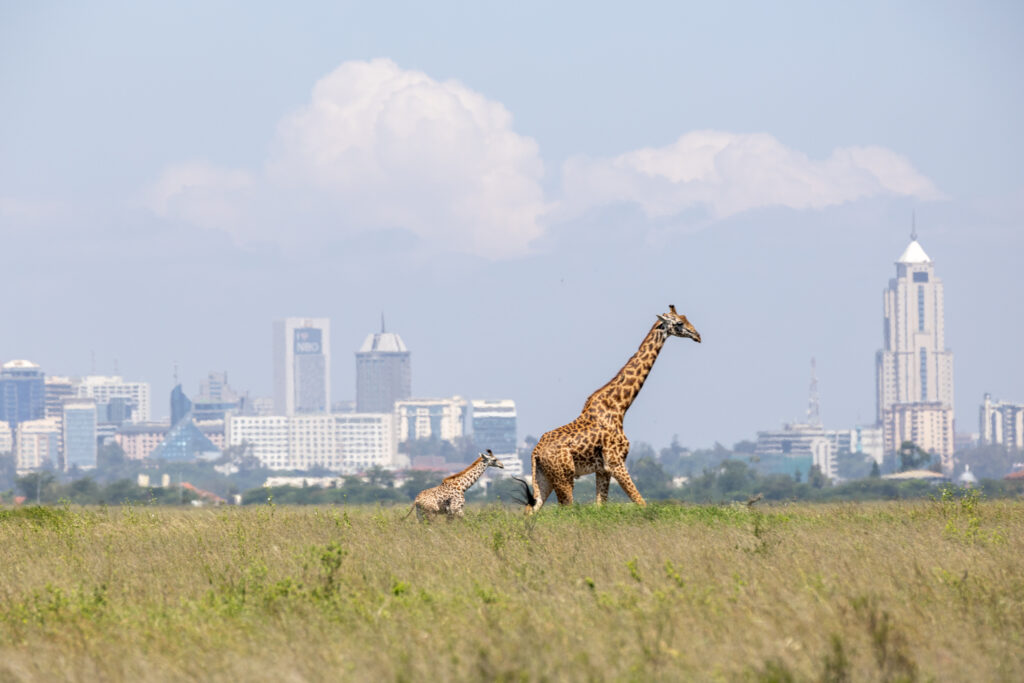
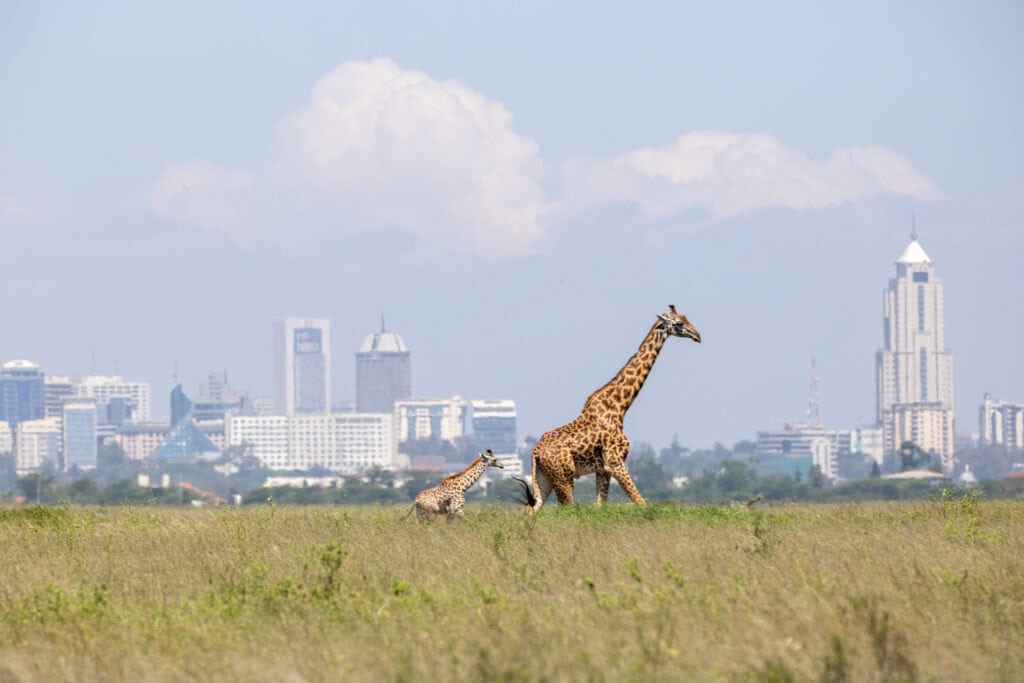
Safaris and Skylines: The Unique Juxtaposition of Nairobi National Park Nairobi National Park, a mere stone’s throw from the vibrant heart of Kenya’s capital, is a living testament to the nation’s consistent commitment to wildlife preservation. Founded in 1946, Nairobi National Park stands as Kenya’s first national park, serving as a unique urban sanctuary where the wild and the urban coexist. Spanning 117 square kilometers, this park is a veritable treasure trove of diverse wildlife and ecosystems, making it an unmissable stop for nature enthusiasts and globetrotters alike. A Safari at the Doorstep of a Metropolis One of the most extraordinary aspects of Nairobi National Park is its unique location, nestled against Nairobi’s urban skyline. Witnessing giraffes and rhinos grazing against a backdrop of skyscrapers is a surreal and exclusive experience. This juxtaposition of urban and wild underscores the park’s uniqueness and accessibility, offering visitors a rare opportunity to begin their safari adventure without leaving the city limits. Visiting Nairobi National Park is not just a safari; it’s a privileged glimpse into a world where nature and urban life coexist harmoniously! Almost immediately spotting a lioness at Nairobi National Park, mere minutes into our first game drive, was an exhilarating experience. As the early morning sun bathed the park in a warm, golden light, we navigated the park’s winding trails with eager anticipation. As we approached, the soft morning sun revealed this magnificent lioness. She sprawled out on a patch of tall grass, her golden face shimmering in the sunlight. With half-closed eyes, she appeared utterly relaxed, embodying a sense of calm and majesty that was genuinely captivating. Her robust frame rose and fell gently with each breath, a picture of serene strength. The scene perfectly balanced power and serenity, presenting the lioness in a state of leisure. Thinking this was the only lioness we would see, we sat quietly in our car and took numerous pictures. As we drove around the park, we saw giraffes with the skyline of Nairobi as a backdrop. It is a beautiful experience that beautifully encapsulates the unique charm of Nairobi National Park. As we ventured deeper into the park, the excitement of encountering these gentle giants grew. The landscape around us was a mix of rolling savannahs and scattered acacia trees, creating the perfect habitat for giraffes. We saw them—tall and elegant, their long necks gracefully reaching for the tender leaves of the trees. With their distinct patterns and towering stature, giraffes stood out against the horizon. But the contrast between the giraffes and the city skyline beyond made this sight genuinely excellent. The skyscrapers of Nairobi rose proudly in the background, starkly contrasting the park’s natural beauty. Another extraordinary and surreal experience was seeing a black rhino with Nairobi’s skyline in the background. The open grasslands and scattered acacia trees created an ideal setting for this wildlife encounter. Amidst the golden grasses, we saw a magnificent rhino and its child, its formidable form moving with a sense of ancient grace. The rhino’s thick, armored skin and prominent horn were awe-inspiring, symbolizing strength and resilience. What made this sight genuinely remarkable, however, was the backdrop: the modern, towering skyscrapers of Nairobi rising sharply against the horizon. The contrast was striking and thought-provoking. A wild rhino, whose ancestors roamed the earth long before human civilization, stood against the backdrop of a bustling, modern city. The sight perfectly captures the unique juxtaposition of Nairobi National Park, where the wild meets the urban harmoniously. Not far beyond the road, two armed guards monitored the pair’s location to ensure their safety from poachers.  Watching the rhinos calmly graze, occasionally lifting their heads to survey their surroundings, was a powerful reminder of the delicate balance between nature and human development. The scene was a vivid testament to Kenya’s commitment to wildlife conservation, even as the city of Nairobi continues to grow and thrive just beyond the park’s boundaries. Urban Wildlife Harmony This experience of seeing these animals with Nairobi as the backdrop is a vivid reminder of the delicate balance between urban expansion and conservation. It highlights the importance of protecting these natural sanctuaries that allow such incredible wildlife encounters to continue. It was a moment of awe and inspiration, a perfect blend of nature and city life unique to Nairobi National Park. Watching all these animals, we felt a profound sense of harmony between nature and civilization, a testament to Kenya’s commitment to preserving its wildlife despite rapid urban development.  The encounter was more than just a memorable wildlife sighting; it was a profound experience that emphasized the value of preserving natural habitats amidst urban expansion. Nairobi National Park stands as a positive example, showing that wildlife and urban life coexist with conscious efforts. Wildlife and Biodiversity Nairobi National Park is home to a rich variety of wildlife. Visitors can expect to see: Lions: The park has a healthy lion population, and spotting these majestic predators is a highlight for many visitors. Rhinos: Both black and white rhinos roam the park, and Nairobi National Park is one of the few places where you can see these magnificent creatures in their natural habitat. Giraffes: Towering giraffes are a common sight, gracefully moving through the savannah. Buffalo: Large herds of buffalo add to the park’s impressive wildlife roster. Zebras and Wildebeests: These grazers are abundant and often seen in large groups. Birdlife: The park is a haven for birdwatchers, with over 400 bird species, including ostriches and the colorful lilac-breasted roller. Gazelles: Several herds of Thompson’s and Grant’s gazelles wander in the park. The park also has diverse ecosystems, including open grass plains, acacia-dotted savannahs, wetlands, and riverine forests. This variety reinforces a wide range of flora and fauna, making every visit a unique experience. Conservation Efforts Nairobi National Park is pivotal in conservation, particularly for endangered species. The park’s rhino sanctuary is crucial for protecting and breeding black rhinos, significantly contributing to their preservation. As we drove past the black rhinos, armed guards monitored them, ensuring their safety.

Safaris and Skylines: The Unique Juxtaposition of Nairobi National Park Read More »

Magic Awaits: Exploring the Wonders of Lake Naivasha and Hell’s Gate

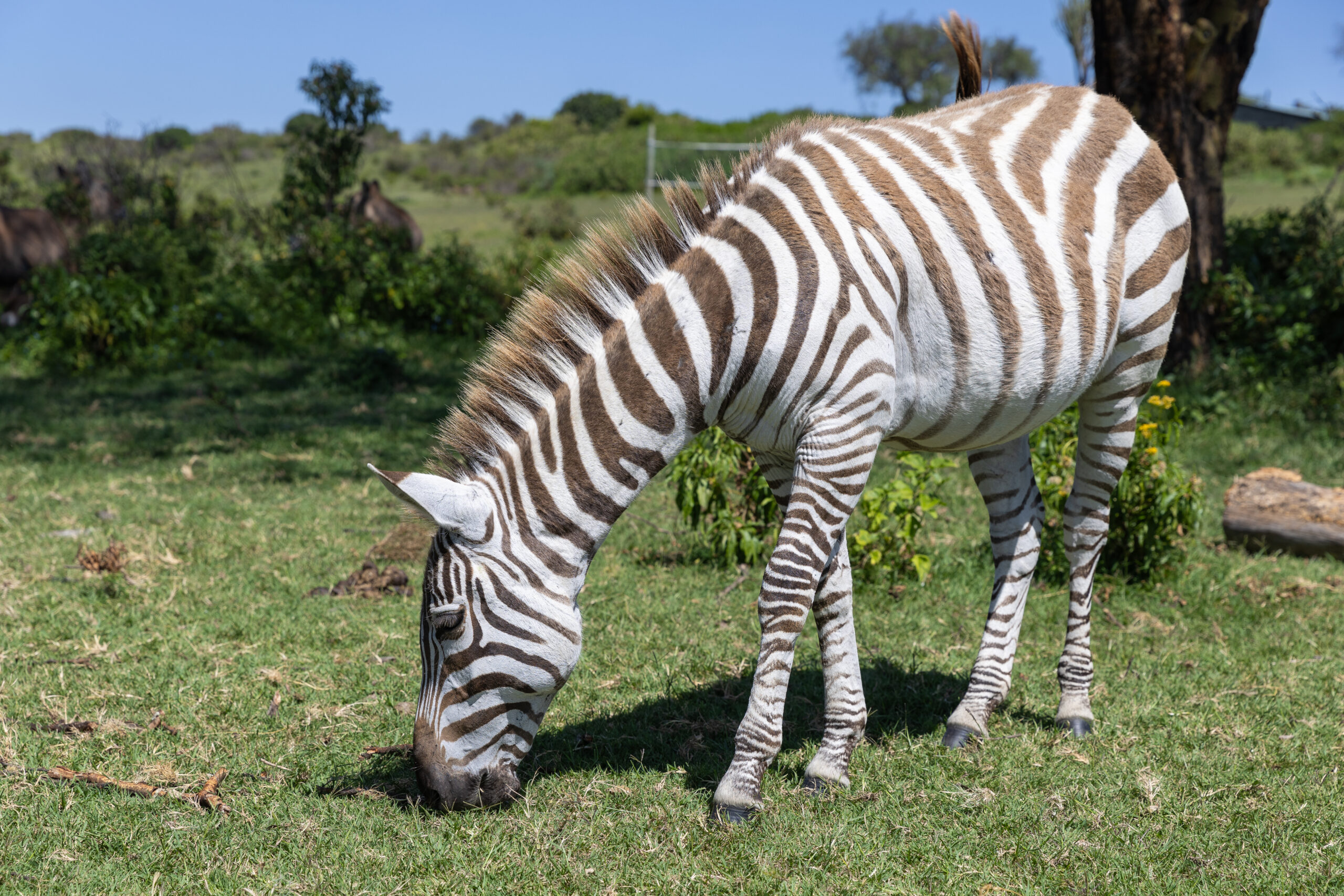
Magic Awaits: Exploring the Wonders of Lake Naivasha and Hell’s Gate Lake Naivasha is a freshwater lake, unlike Nakuru, which is a soda or saltier lake. It lies 6,200 feet above sea level, about 95 kilometers north of Nairobi in the Great Rift Valley. Naivasha derives from the local Maasai name Nai’posha, meaning “rough water.” Two rivers feed it, one of which is the Malewa, whose source is in the Aberdare Ranges. It has dried out twice since 1898. Our journey to Lake Naivasha on the second day in Nairobi was a thrilling adventure filled with anticipation and wonder. We started with a breathtaking stop to view the Great Rift Valley, a sight that left us in awe. As we left the bustling city behind and ventured into the rolling hills and open landscapes, we could feel the excitement building up. And when we finally reached the Great Rift Valley, the view that unfolded before us was spectacular. A vast area of land with dramatic escarpments and deep valleys extended in all directions, known as the Rift Valley. Standing there, with the cool morning breeze and the endless horizon, we felt awe at the geological forces that had shaped this region millions of years ago. After soaking up the stunning vistas and capturing numerous photographs, we continued our journey toward Lake Naivasha.  Upon arrival, the serene beauty of Lake Naivasha greeted us, including the sudden arrival of giraffes and zebras. This was our first encounter with the animals in their natural habitat, so we had to take many photos! Maxwell, our driver, had arranged for us to explore the lake by boat and go to Crescent Island. Diverse wildlife was all around us as the ship sailed effortlessly through the calm waters. Hippos lounged near the shore, their massive bodies partially submerged, while various birds, including pelicans, cormorants, and kingfishers, went about their daily activities. Crescent Island Game Sanctuary is considered one of the most beautiful parks in Kenya. It is often called Naivasha’s best-kept secret.  Our boat guide shared fascinating insights about the lake’s ecosystem and inhabitants, adding depth to our observations. Our time at Crescent Island was a truly magical experience. We found ourselves immersed in the tranquility of nature, with no other tourists in sight. It felt like our slice of paradise, a private audience with nature! The absence of other tourists heightened our connection to the natural surroundings, making the experience even more profound.  We strolled, following well-trodden paths through the island’s varied landscapes. We could only do a walking safari tour with wild animals up close because there were no major predators on the island. We had a guide, a park ranger, all to ourselves, talking about the animals as we walked past them! Almost immediately, we began encountering wildlife. Burchell’s zebras grazed nearby, their striped coats contrasting beautifully against the green backdrop. A 3-day-old baby zebra was hiding from her mother. As we approached, they gave us a curious look before quickly returning to their peaceful grazing. As we continued our leisurely walk, we came across a herd of wildebeests moving slowly through the grasslands.  Another unforgettable moment was spotting a family of Masai giraffes. Their long necks stretched high as they fed on the tender leaves of the acacia trees. Watching these gentle giants move gracefully across the landscape was a sight. The lack of other tourists allowed us to observe their behavior and interactions quietly, deepening our connection to the wild. As we ventured further, we encountered groups of zebras grazing peacefully and spotted several giraffes moving gracefully among the acacia trees. Being so close to these animals in their natural habitat was a thrilling experience, exhilarating and humbling us. We saw the hippopotamus, cape buffalo, impala, Defassa waterbuck, wildebeest, Thompson gazelle, Grant’s gazelle, bushbuck, and velvet monkey. We looked for the African Rock Python, as the ranger had recently spotted one, but did not find it. Crescent Island boasted an equally impressive birdlife. We saw vibrant kingfishers darting across the water and fish eagles perched high in the trees, their keen eyes scanning the lake for prey. The diversity of bird species added a melodic soundtrack to our walk, their calls and songs filling the air with a symphony of nature. By 1 PM, the clouds thickened, signaling an impending downpour. With a sense of urgency, we quickly left the Island to break for lunch before continuing our journey to Hell’s Gate National Park. Fun Fact: Crescent Island, a popular attraction in the Lake Naivasha area, served as the primary filming location for Out of Africa in 1985.  Hell’s Gate National Park The park, starkly contrasted with the serene lake, is known for its dramatic landscapes and geothermal activity. We entered to find imposing cliffs and narrow gorges that were the remains of ancient volcanic activity. The park’s lack of other visitors enhanced its raw, untamed beauty. We encountered various wildlife. Herds of zebras and gazelles grazed carefree, unconcerned by my presence. Giraffes moved gracefully among the acacia trees, their long necks reaching for the highest leaves. The sight of these animals in such a rugged landscape still motivates me. One of the most thrilling parts of the trip was walking through the park’s narrow gorges. We met a Maasai guide who took us through these rock pathways to a spot featured in The Lion King, where we saw all these crazy rock formations. The winding paths brought us to hot springs and geothermal vents where steam rose from the ground, creating an otherworldly atmosphere, all surrounded by tall rock walls. The solitude here was profound, allowing us to appreciate the park’s geological wonders fully. As the day drew close and we headed back to Nairobi, the sun started to set. Half asleep, I could see the sky slowly transforming into fiery oranges and purples, and the next thing I knew, it was dark, and we were back at the hotel. Fun Fact: The park inspired the Disney movies. The Lion King

Magic Awaits: Exploring the Wonders of Lake Naivasha and Hell’s Gate Read More »

Elephants and Hope: A Visit to Nairobi’s Sheldrick Wildlife Trust

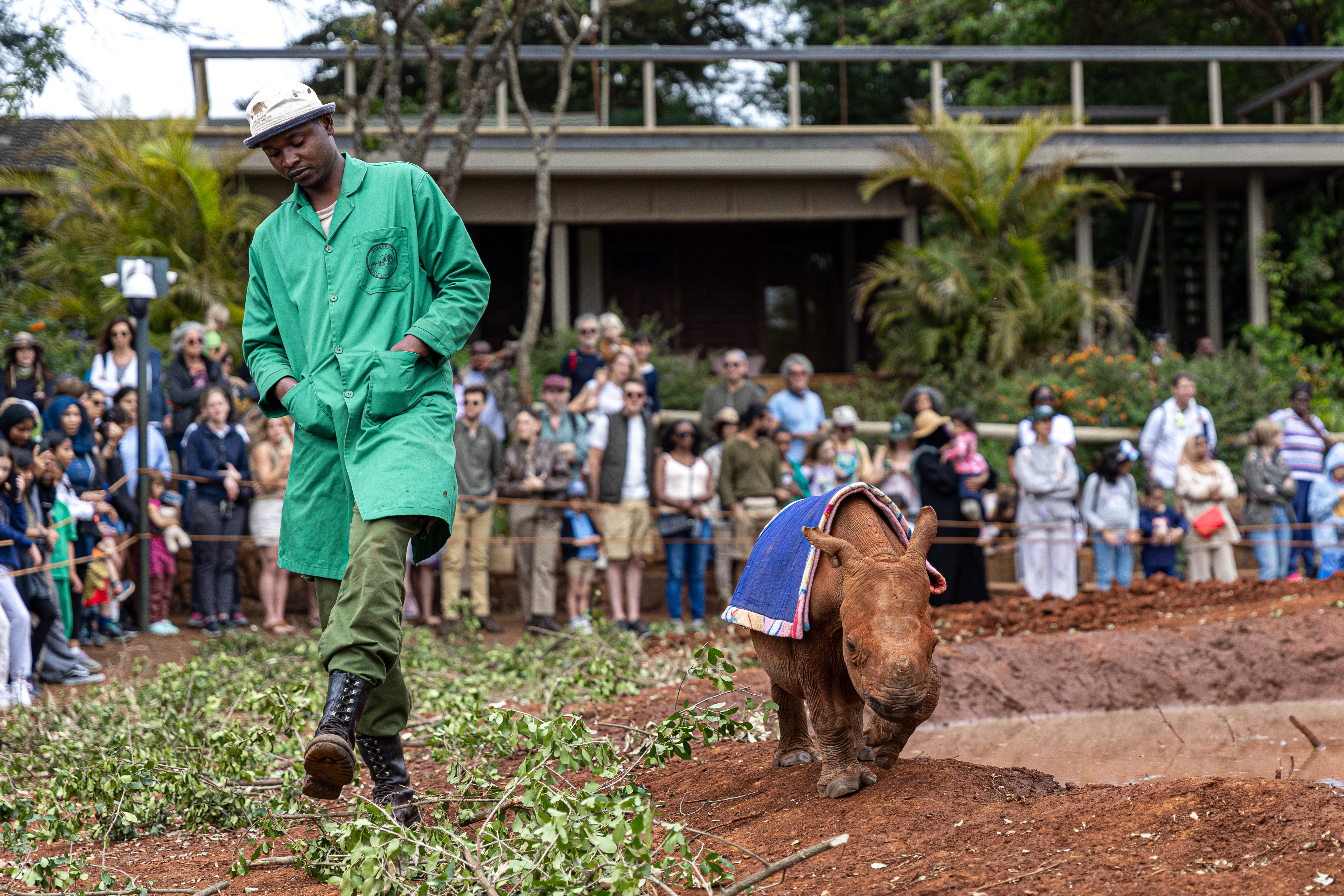
Elephants and Hope: A Visit to Nairobi’s Sheldrick Wildlife Trust Nestled on the edge of Nairobi National Park lies a sanctuary for orphaned baby elephants, victims of the ivory poaching trade. Sheldrick Wildlife Trust (SWT) operates the world’s most successful orphan elephant rescue and rehabilitation program. To honor her late husband, David Sheldrick, Dame Daphne Sheldrick founded it in 1977. My desire to travel to Kenya and visit the elephant orphanage stems from several reasons. First of all, I’ve always been enamored with elephants and how extraordinary these gentle giants are, especially after watching An Elephant’s World and Secrets of the Elephants on Nat Geo, which transported me to this incredible Kenyan wildlife operation. I’ve also read about the Sheldrick Wildlife Trust and its dedication to rescuing, rehabilitating, and reintroducing orphaned elephants into the wild. The Sheldrick Wildlife Trust’s capacity to save orphaned elephants and reintegrate them into the wild has me extremely interested. Every baby elephant has a heart-wrenching tale, but once they find sanctuary at the orphanage, there’s a glimmer of hope for their future. The tireless caretakers devote themselves to the elephants’ well-being, offering 24/7 care and sleeping alongside them for comfort.  How do I visit? The first option is a public midday visit to the elephant nursery. The second option is a private and exclusive afternoon encounter. Both options vary in price, group size, and experience. They are tightly managed and limited to just one hour each to ensure the elephants maintain a largely undisturbed daily routine. The public visit is scheduled for midday, 11 a.m.–noon. Guests must purchase their tickets precisely 90 days before their trip. No walk-up entries are allowed. The entrance fee is USD 15 per person. The midday visit is limited to 100 guests. The second option is private and limited to no more than eight individuals. The private encounters demand meticulous planning. This experience necessitates a generous USD 900 donation to the Sheldrick Wildlife Trust. SWT Impact Daphne Sheldrick established the trust in honor of her late husband, dedicating her life to wildlife preservation and conservation. She pioneered the development of milk formula and nurturing techniques crucial for successfully rearing milk-dependent elephant and rhinoceros calves. Her groundbreaking work transformed the Orphans’ Project into the cornerstone of the Sheldrick Wildlife Trust, emerging as a global leader in wildlife conservation. Her achievements are unparalleled, with over 160 formerly orphaned elephants thriving in their natural habitats across Kenya. The care of growing elephants demands a continuous, round-the-clock commitment. Even after graduating from the nursery unit in Nairobi, three-year-old calves are transitioned to one of Sheldrick’s three reintroduction units for the next phase of their rewilding journey. Situated in Tsavo East National Park and Kibwezi Forest, these units offer the spaciousness necessary for the orphans to reintegrate into the wild, residing in areas inhabited by wild elephant herds. Here, they are gradually weaned and equipped with the skills essential for living as wild elephants. Rewilding is a gradual process tailored to each elephant’s unique requirements, often spanning several years. The Sheldrick Wildlife Trust’s unwavering commitment to rescuing, rehabilitating, and reintroducing these wild orphans has earned it global acclaim, inspiring many conservation organizations worldwide. How Can We Support? Sheldrick Wildlife Trust commands my utmost admiration and endorsement. They have revolutionized Kenya’s approach to safeguarding its invaluable wildlife for over four decades. From their highly skilled team members to the management of eco-lodges and rewilding sites, Sheldrick consistently surpasses expectations as a conservation powerhouse. Please consider adopting one of their orphaned animals to bolster their impactful work. These digital adoptions offer a personalized adoption certificate, monthly email updates and watercolors, and exclusive access to keeper diaries. With a modest annual fee of just USD 50 per orphan, adopting one is a meaningful gesture of support and a profound way to align with Sheldrick Wildlife Trust’s unparalleled mission. We adopted a two-year-old baby elephant named Shujaa, which means hero in Swahili. On August 21, 2022, at dusk, visitors to Tsavo East National Park discovered Shujaa, a tiny calf left behind in a muddy embankment. Rescued just in time by the Voi Team and later flown to the Nairobi Nursery, his life was saved from certain peril. Ethical Elephant Encounter in Kenya Undoubtedly, the most ethically sound way to encounter elephants in Kenya is to observe them in their natural habitat. Kenya boasts renowned elephant herds in Amboseli, Masai Mara, and Tsavo, where these majestic creatures roam freely. Fortunately, Kenya’s tourism industry has yet to succumb to offering unethical elephant activities. Kenya, however, stands firm in its commitment to avoiding such exploitation within its tourism sector. Beyond the endeavors of the Sheldrick Wildlife Trust, another ethical elephant encounter awaits about 340 miles (550 km) north: the Reteti Elephant Sanctuary. The Samburu region’s community-owned grassroots initiative is devoted to saving and rehabilitating orphaned elephant calves. Established in 2016, Reteti operates entirely locally, with a community-elected board overseeing all activities and employing caretakers exclusively from the local community to tend to the elephants. The sanctuary offers daily tours for visitors keen on witnessing their work firsthand. An elephant caretaker leads each tour group through the grounds so they can observe the calves during feeding and amusing mud-wallowing sessions. A visit to Reteti Elephant Sanctuary not only supports their noble mission but also contributes to the empowerment of the local community through positive tourism impacts in the region. I Highly Recommend a Visit to the Sheldrick Trust. Our visit to the Sheldrick Wildlife Trust in Nairobi was one of our most heartwarming and educational experiences, timed perfectly to witness the endearing elephant feeding time. There was intense excitement and anticipation as we gathered with other visitors in the observation area. We all gathered at the feeding area, a sizable, open area with ropes encircling it so we could get a close-up view without disturbing the elephants. The feeding time started with the baby rhino, Raha, parading with her two caregivers, who were walking side by side. Her name, Raha, means joy

Elephants and Hope: A Visit to Nairobi’s Sheldrick Wildlife Trust Read More »

Kenya’s Magic in 20 Days: Itinerary and Joys of Meeting Locals

Kenya’s Magic in 20 Days: Itinerary and Joys of Meeting Locals Arriving in Kenya for the first time was like stepping into a vivid dream, where the colors seemed brighter, the landscapes more expansive, and the people warmer than I could have ever imagined. Our journey began in Nairobi, a bustling metropolis that hums with the rhythm of life and adventure. We felt excitement and a hint of nervous anticipation as soon as we stepped off the plane. We were greeted with smiles and warm welcomes when we arrived at Jomo Kenyatta International Airport. The airport staff, our driver, and even fellow travelers exuded a genuine friendliness that immediately put us at ease. “Karibu Kenya!” everyone said with a broad smile. Their warm greetings and genuine smiles made us feel instantly at home. “Welcome to Kenya!” Planning this trip was challenging, as our family had to consider many factors. We deliberated over which county to visit, which safari destinations to explore, and how to manage our budget. Due to school and work commitments, December was the only time we could all go. It was not the ideal time for a safari or to witness the Zebra/Wildebeest Migration. I also learned that seeing the Big Five is not guaranteed during the rainy season. However, my research revealed that Kenya’s infrastructure is more developed than that of some other countries I considered. This was a crucial factor in choosing Kenya for our first African Safari! A few days in Nairobi: Wildlife, Culture, and Comfort The comfort and convenience of our accommodations made our stay in Nairobi even more enjoyable. We booked through Marriott’s Homes and Villas, which allowed me to upgrade to Marriott’s following reward status by staying a few more nights before year-end. Our Marriott Homestay, nestled in Westland, was a mere 30-minute drive from a warm, comfortable bed, offering us a perfect retreat after a day of exploration. With so much to see in Nairobi, the luxury of not having to rush off straight away was a delightful treat. Nairobi, often overshadowed by the allure of the safari circuit, is a gem awaiting discovery. It’s not just a city but a vibrant hub of unique experiences that will leave you in awe. You can even go on safari in Nairobi, where ample game wildlife roams practically within the city limits at Nairobi National Park. We had the pleasure of hiring an incredible driver, Maxwell, who showed us the best of Nairobi. Spending a few days in Nairobi is the perfect way to start your African adventure. From bustling city life to serene and exciting wildlife encounters, Nairobi offers various experiences, from exploring wildlife and natural beauty to discovering the city’s history and modern attractions. Here is our Kenya itinerary: Day 1: Arrive in Nairobi Day 2: Lunch and shopping with a friend at the ‘Christmas Market, Kenyan Style’ Day 3: Day trip to Lake Naivasha and Hell’s Gate National Park Day 4: Nairobi National Park Day 5: Sheldrick Wildlife Trust and Giraffe Center Day 6: Masai Mara Day 7: Masai Mara Day 8: Naboisho Conservancy Day 9: Naboisho Conservancy Day 10: Naboisho Conservancy Day 11: Back to Nairobi Day 12: Amboseli National Park  Day 13: Amboseli National Park Day 14: Tsavo National Park, East/West  Day 15: Tsavo National Park, East/West Day 16: Tsavo National Park, East/West Day 17: Train to Mombasa to Diani Beach Day 18: Diani Beach  Day 19: Diani Beach Day 20: Diani Beach   Things to do in and around Nairobi Rift Valley, Lake Naivasha, and Hell’s Gate National Park  Nairobi National Park Visit the Daphne Sheldrick Wildlife Trust! We recommend reserving in advance, as each day only offers one slot. Giraffe Center Railway Museum Shopping at Masai Market     Lunch and Dining Experience   Lunch at Babette’s in the Karen District The leafy suburb of Karen does not feel like part of the same city as you drive past high walls, giant trees, and perfectly tended gardens. In honor of Karen Blixen’s book, Babette’s Feast, we had lunch at Babette’s in the Karen Blixen Coffee Garden. We sat in the garden, and the ambiance was relaxing. The food was good; we had pizza, calamari, pasta, and chicken stew. Lunch at Carnivore’s I am figuring out what to write about my experience at Carnivore. The meat was excellent. However, I had anticipated a more diverse selection of game. They only had crocodile and Ox balls. Additionally, they attempted to fill you up with turkey, chicken, and pork before finally serving the sirloin at the last minute. It’s an all-you-can-eat restaurant. However, my kids thought the steak was the most exciting serving. Haandi Indian Restaurants We liked this restaurant and ended up having dinner a few times. We ordered our usual Vegetable Korma and Chicken Tikka Masala. It had excellent food, reasonable prices, and was near our apartment. The Joy of Meeting Kenyans! Meeting Kenyan people during this trip enhanced our travel experience in numerous ways! From the urban sophistication of Nairobi to the traditional villages of the Maasai and the coastal charm of Mombasa, the Kenyans we met left us with unforgettable memories and a deeper understanding of their beautiful country. We had the opportunity to learn about traditional Maasai beadwork, taste authentic Kenyan cuisine, and even participate in a local Maasai ritual. With each greeting of ‘Mambo Jambo,’ new connections, friendships, and cultural exchanges were made. Everywhere you turn, you are greeted with ‘Karibu’ or ‘Mambo Jambo,’ a lively and warm way of saying hello. This phrase is more than just a greeting and is deeply rooted in the friendly and hospitable nature of the Kenyan people. ‘Mambo’ is a casual Swahili greeting that roughly translates to ‘What’s up?’ or ‘How are things?’ ‘Jambo’ means ‘Hello’ and is one of the first Swahili words many visitors learn. Instantly, it makes you feel welcomed, like you are a part of the community, and that’s the beauty of it.   ‘Mambo Jambo’ is not just a

Kenya’s Magic in 20 Days: Itinerary and Joys of Meeting Locals Read More »

Sossusvlei: Journey to the Heart of the Namib Desert

Sossusvlei: Journey to the Heart of the Namib Desert Some places defy description through mere words or pictures. Sossusvlei is one such place. I could post hundreds of photos of our time in Sossusvlei, but they would not accurately depict the mesmerizing landscapes we saw with our eyes. No Nat Geo programs or pictures can compare to the sheer beauty of this place. As the Jimny pulled up to the entrance of Sossusvlei, the towering dunes stood as a majestic reminder of Namibia’s timeless desert landscapes. Filled with anticipation, we drove to Sossusvlei at 4 a.m. the following day, before the park opened. Sossusvlei is a 40-minute drive from Sesriem. The park gate opens at 6 a.m., but if you stay inside, you can enter the secondary gate an hour before the main entrance opens. Watching the sunrise above the blood-red dunes of Sossusvlei is one of the highlights of our Namibian adventure. Sossusvlei is a place where Namibia’s desert’s vastness is overwhelming and achingly beautiful. It is a hyperbole of nature—one of the most beautiful places I have ever seen. I can’t possibly do justice to the Namib Desert’s epic scenery. It’s a sight that demands to be seen with one’s own eyes. The Namib-Naukluft Park in Namibia is home to the world’s oldest desert. In the heart of Namib-Naukluft Park lies Sossusvlei, a photogenic clay pan surrounded by some of the tallest dunes in the world. Encompassing nearly 50,000 square kilometers of pristine wilderness, the park boasts some of Africa’s most stunning scenery, making it a remarkable desert landscape. The dunes are also around 1,312 feet high, almost as high as the Empire State Building. The best times to explore the dunes are in the morning or late afternoon when the crowds are thin, the colors intensify, and the heat is more bearable. Be sure to take enough water, as it gets scorching hot, and the walk can be challenging. Sometimes, it feels like the dunes belong solely to you, inviting exploration and reflection. Ascending the 325-meter orange dunes offers a surreal experience, providing panoramic views reminiscent of the Martian landscape. Adjacent to Big Daddy is Deadvlei, which captivates with its cracked clay pan and the remnants of Namibia’s desert-adapted Camelthorn Trees. This surreal landscape, formed from the shifting sands and dry climate, offers a glimpse into the ever-changing nature of the desert. The skeletons of the trees are said to have died some 600 to 700 years ago and are now found to be black because of the scorching sun. The trees are dead because the dunes blocked the flooded waters of the Tsauchab River, but they did not decompose due to the dry climate. The red dunes in the area are thousands of years old, and the land has barely rusted.  “The primary environmental threats the area is experiencing are the low amount of water and the arid and humid climate caused by the scorching heat. The white clay pan in Deadvlei is now turning into a concrete floor, and the photographers posing for photographs in the area, especially the trees, need to be extra cautious because the trees are nearly dead.” – WorldAtlas.com Big Daddy, the world’s tallest dune, lies just behind Deadvlei. Soaring 325 meters above the surrounding landscape, it is one of Namibia’s most popular hiking destinations.  Elim Dune is located 5 kilometers inside the park gate and is easily accessible. It’s partially covered in vegetation, making it more distinct from other dunes. It’s a perfect location for sunrise, when you can watch the daybreak over Sesriem and the mountains to the east. For those with time to spare, Sesriem Canyon is worth a visit. The Tschaub River shaped it over millions of years, and it’s one of the few places in the area with year-round water. The mighty Tsauchab River carved a narrow gorge millions of years ago, and its towering sandstone walls offer relief from the scorching sun. It’s located 4.5 km within the national park gates, on the left, and you can park and walk through the canyon. Make sure you lock your car. Please beware of the resident baboons, who eagerly await unsuspecting visitors to raid their vehicles for food.  Dune 45 is one of the most photographed dunes in the world, known for its stunning views of the parched earth. Despite not being the tallest dune in Sossusvlei, it attracts many tourists due to its proximity to the road, relatively gentle slope, and breathtaking vistas. We returned to this dune to watch the sunset. Located 45 kilometers from the Sesriem gate, Dune 45 provided a mesmerizing experience, even though the afternoon was a bit hazy. We stayed until sunset before returning to the campsite, only to realize we had forgotten that the Sesriem gate closed at 7:30 PM. We raced back, unsure of what would happen if we missed the closing time, and arrived at the gate just in time at 7:29 PM. The Jimny did it! Sossusvlei isn’t merely a destination; it’s an unforgettable journey through one of the world’s most extraordinary landscapes, where nature’s grandeur reigns supreme! Author: CristyPhoto Credit: Nathan Stories from the Road Every journey has another story waiting to be discovered. Explore more experiences, cultures, wildlife, and people from around the world. EXPLORE ALL STORIES

Sossusvlei: Journey to the Heart of the Namib Desert Read More »

Timeless Douro: Portugal’s Heritage in the Heart of Wine Country

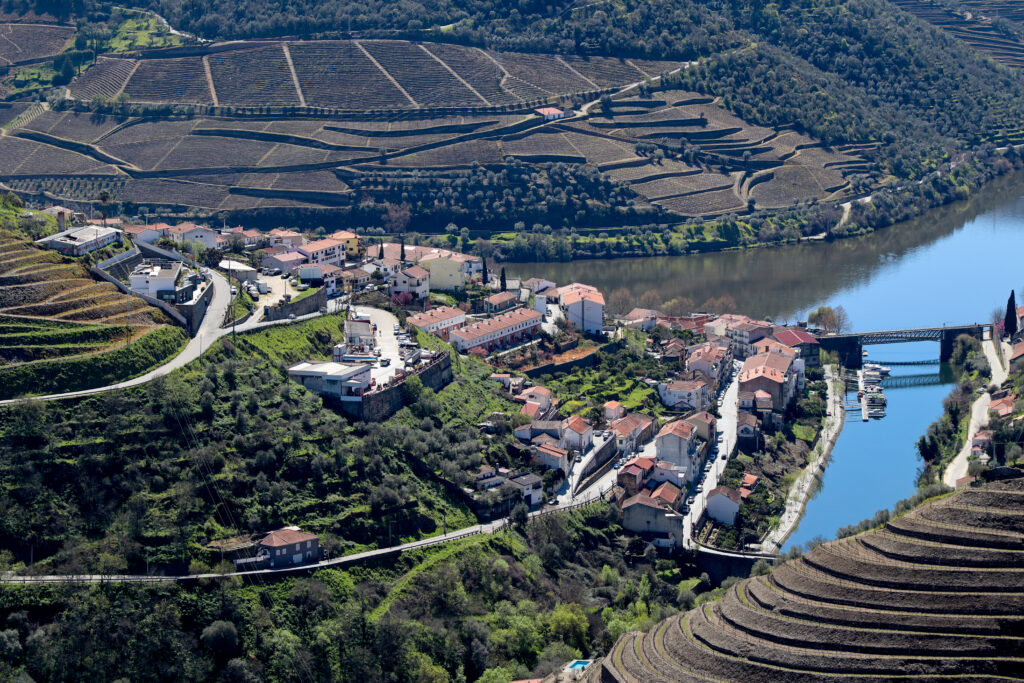
Timeless Douro: Portugal’s Heritage in the Heart of Wine Country Certain places captivate you, transporting you to a different era and erasing the outside world’s existence. Portugal’s Douro Valley is one of those dreamlike little bubbles. Nestled in northern Portugal, just a 90-minute drive from the bustling city of Porto, the Douro Valley greets you with sweeping vistas and rolling hills covered in terraced vineyards, all embraced by a silvery river winding its way through the landscape. This region immerses you in a centuries-old wine-making culture. Recognized as a UNESCO World Heritage Site, the Douro Valley is the oldest demarcated wine region in the world, with its boundaries set in 1756. While it may not be as famous as Bordeaux or Champagne, wine has been crafted here since the 3rd or 4th century AD.  Beyond its vineyards, the Douro Valley is also rich in history. Scattered throughout its villages, you’ll find remnants of Iron Age settlements, Roman bridges, Romanesque churches, Cistercian monasteries, and 17th-century palaces.   Getting to the Douro Valley from Porto   Douro by Train  Portugal’s most scenic train ride takes you along the Douro Valley from Porto (Portugal’s second city) to Régua, Pinhão, and Pocinho. If you’re a fan of train travel, experiencing the journey along the Douro River, much like in the early 20th century, is an unmissable experience. This nostalgic trip features steam and diesel carriages and engines that travel at 30 km/h, preserving the memory of a time when they connected towns and delivered the famous Port Wine. The train is an inexpensive way to get from Porto to the Douro Valley. However, train travel will not take you past Pinhão, which is located deep in the Douro Valley and is considered the most beautiful part of the region.  You can follow the river on the Douro Line between Régua and Tua. Régua station was the region’s most important, while Pinhão station is one of the country’s most beautiful, with its tiled façades. Alternatively, you can travel the Douro Line by regular train from Porto or combine a train and boat program for a complementary experience. The cost for a ticket from Porto to Pocinho is around €14 each way, and Porto to Régua is about €10 each way. These are fixed-price tickets with unlimited availability, ensuring they cannot sell out. You can buy tickets at www.cp.pt (in €) or Omio.com (in €, £, or $) and print them out or show them on your phone, but as there are no reservations, you may as well buy them at the station on the day. Which side of the train should you sit on? The river is on the right-hand side, going east from Porto through Tua to just before Ferradosa, then on the left to Pocinho. If the train isn’t crowded, you can switch seats at Ferradosa.  Three train stations are available in the Douro Valley: Peso da Régua, 2 hours from Porto Pinhão, 2h20 from Porto  Pocinho, 3h30 from Porto Douro by Boat  Departing from the quay at Vila Nova de Gaia, you can embark on a boat trip up the Douro River to Barca de Alva, the duration of which depends on how far you wish to travel. Alternatively, you can start from another location, like Régua, and combine boat and train. You can sleep on the ship or stay in quintas or manor houses near the river, immersing yourself in the Portuguese tradition of hospitality. The tour features a complete program with visits to regional landmarks, themed meals, and wine tastings. The beautiful, terraced slopes of the Douro Valley, covered in vines, begin near Barqueiros and extend to Barca de Alva, offering one of the most striking man-made rural landscapes. Until the late 19th century, the river was the central access route inland and the primary means of transporting produce from the distant interior. Navigation was challenging and risky, with the Rabelo boat being the only vessel capable of crossing the natural obstacles. The sturdiness and expertise of the boatmen made it possible to navigate the river and carry the great wine barrels. These barrels were never wholly filled so that they could float in the event of an accident. River Cruise Porto-Régua: You will train from São Bento, in the Porto train station, to Régua, and then, from Régua, you will take a boat ride back to Porto. Lunch is served. The estimated time of arrival in Porto is 18h.  Porto-Pinhão: You will take the boat cruise from Cais de Estiva, in Porto, to Pinhão. Make sure you visit the Azurejo tiles at the local train station; they are beautiful! Afterward, you will take a bus back to Porto, arriving around 21 h. Douro by Bus This option is the least favored because it offers no advantages for reaching the Douro Valley unless train tickets are sold out. The cost is neither cheaper nor takes less time than a train ride. Several companies offer this connection (Porto-Régua): Rodonorte and Rede Expressos. Rodonorte’s bus from Porto to the Douro Valley departs every seven hours and lasts 14 hours. Rede Expresso’s first bus from Porto departs every 10 h, and the last at 18 h; a ticket costs 9.50€ one-way. Douro by Car This drive is one of the world’s best for road trip lovers. Renting a car is your best option if you are looking for freedom and flexibility. We decided to go this route and picked up the rental car in Porto through Europcar. The positive news was that my 22-year-old son could drive a rental car in Portugal, and I enjoyed the ride! Driving through the Douro Valley was an excellent way to enjoy stunning landscapes, stop at charming villages, indulge in delicious wine tasting, and try the local cuisine. Please remember to have a designated driver afterward if you want to go wine tasting.  Having a car is an excellent way to explore the viewpoints of the river and its surroundings. Be prepared for constant ups and downs on narrow,

Timeless Douro: Portugal’s Heritage in the Heart of Wine Country Read More »

Essential Travel Tips: How to Plan the Perfect Itinerary

Essential Travel Tips: How to Plan the Perfect Itinerary Although it may initially sound daunting to the inexperienced, creating a day-by-day itinerary for a trip is a fulfilling task. This process, which I find very enjoyable, allows you to research the details of your destination, transforming your travel wish list into a tangible plan. It’s a type of passive travel that prepares you for genuine adventures, providing you with a deep sense of achievement and autonomy over your travel arrangements.  A well-structured plan is not a constraint but a tool that enhances your travel experience. Before going on a trip, I meticulously plan each day, which I find pleasurable and reassuring. This approach allows you to be flexible and adjust as needed while providing you with a clear understanding of how any changes impact the rest of the trip. An itinerary is not a rigid schedule; it’s a roadmap that allows you to be spontaneous and confident as you navigate unforeseen disruptions.  While crafting your itinerary, it’s crucial to remember the need for flexibility. Many factors, such as weather, crowds, geography, timing, and personal preferences, will inevitably influence your plans. Whether you crave new experiences or prefer to get lost and wander in a place for a few days, it’s essential to be adaptable. This attitude will help you enjoy your trip and adapt to any changes. Before your trip, consider learning about your destination’s local customs, traditions, and etiquette to handle culture shock. This way, you can avoid unintentional cultural faux pas and feel more comfortable and respectful during your visit. Itinerary Considerations: When planning a trip itinerary, consider the weather, culture shock, health needs, fatigue, public holidays, and local festivals to enhance your travel experience.  Make a logical transatlantic flight plan.  If your trip covers a large area, flying into one airport and departing from another is always a good idea. This strategy can save time and money by avoiding a round-trip return to your starting point, streamlining your plans, and reducing unnecessary travel time and costs. For example, if you’re planning to visit multiple European countries, flying into one city and departing from another is more efficient than backtracking to your original destination. This way, you can maximize your time and spend less on transportation. During our recent trip to Africa, I originally planned to fly from Nairobi, Kenya, to Windhoek, Namibia. But with no direct flights available, I would have lost a day in transit with several layovers. By exploring different flight options, I chose to fly from Nairobi to Cape Town instead, saving time and money. This approach reduced the hassle and expense of traveling to our next destination. Match your destination with your interests.  Whether you’re a fan of Renaissance art, a lover of big-city vibes, an avid hiker, or a shopping enthusiast, there is always a perfect destination. The key is choosing places that resonate with you and sparking excitement in your travel plans. Your trip should reflect your passions and interests, making it all the more memorable and enjoyable. Plan for (or around) festivals. Many countries host festivals worth planning a trip for. Want to run with the bulls in Pamplona? Celebrate Diwali in India—Experience Taiwan’s Lantern Festival. Or perhaps join the Carnival in Rio de Janeiro? Our beautiful world offers many vibrant festivals yearly, from massive city celebrations to tranquil, scenic traditions. Experienced travelers know to look for festivals that can create unique, unforgettable experiences, good and bad. To find the best festivals, consider using travel guides, local tourism websites, and social media platforms to stay updated on upcoming events and plan your trip accordingly. Similarly, watch out for public holidays that could lead to closures or limited options for dining, which can be avoided with careful planning. We spent Christmas in Seville, Spain, when the kids were young. Most restaurants were closed on Christmas Day, and we only found a few open tourist spots, meaning a hefty price tag for only mediocre quality. To handle public holidays, consider checking the local holiday calendar of your destination and planning your activities and meals accordingly. This way, you can avoid any inconvenience and make the most of your trip. Consider your mode(s) of transportation. As you plan your itinerary, I’d like you to please consider how you will navigate your travels. Are you on a road trip? Check rental cars and driving times to ensure each leg of the journey is realistic. If taking the train, verify train schedules and plan your route. Avoid booking until you know the schedule and timing and have enough time to travel from point A to point B. Always be sure to check local public transit options, too.  Minimize one-night stays. Even the fastest itineraries should include two-night stays. An early morning drive or train ride can help you settle into a town for two nights, giving you a full day to explore without interruption. Depending on the distance, using one town as a home base for day trips is more time-efficient than frequently changing locations and hotels. Ensure your itinerary allows for some flexibility. Be cautious not to overload your schedule, as this is a common pitfall that I sometimes fall into. Daily errands, work-related tasks, travel hiccups, and planning missteps can warrant allowing about a day of flexibility per week in your itinerary. Plan a “downtime from your vacation” in the middle for extended trips. Most people benefit from a few days in a spot without feeling pressure to visit museums or go on tours. A stop in the mountains or on an island, a friendly rural town, or even staying with a friend can refresh your enthusiasm for travel. Assume you will return. Don’t stress about not seeing everything—savor the moment. The memories you create will stay with you longer than taking too many photos on a hurried tour.  Your Best Itinerary in Seven Steps: Choosing between travel destinations can be like being a kid in a candy shop—there are so many tempting options, but trying to experience them all

Essential Travel Tips: How to Plan the Perfect Itinerary Read More »

The Ultimate Guide to Exploring Kenya

EXPLORE KENYA At a Glance Total area: 224,081 square miles Capital: Nairobi Main Religion: 85% Christian Population: 56.2 million people Official Language: Swahili is Kenya’s official language. English is widely spoken. Currency: The Kenyan shilling is the currency in Kenya. The conversion rate was from 1 USD to 127.62 Kenyan shillings. All major credit cards are accepted. Banking Hours: M-F 09:00–16:00 and Sat 09:00–12:00 Telecommunication: Country code: +254 plus Area Code plus 2-digit Area Codes (Nairobi 20, Mombasa 41, Nakuru 51, Kisumu 57, and Eldoret 53). Climate: Despite its location on the equator, Kenya’s climate is usually sunny, dry, and moderate for most of the year. The Laikipia Plateau in Central Kenya maintains comfortable temperatures due to its altitude. Coastal areas are hotter, but the ocean breeze helps to maintain pleasant conditions for most of the year. There are two rainy seasons: the heaviest rains (called masika) usually fall from mid-March to May, and a shorter period of rain (called vuli) occurs in November and December. January and February are mostly dry, although there may be a chance of rain. The dry season, with cooler temperatures, lasts from May to October. Travel Requirements As of January 1, 2024, foreign nationals can visit Kenya without a visa for business or tourism for up to 90 days. However, most visitors must apply for and pay for an Electronic Travel Authorization (E.T.A.) online at least 72 hours before travel. E.T.A. cost: $30–$34 It takes up to 3 business days to process the ETA.  E.T.A. validity is limited to one trip. To apply for an E.T.A., you’ll need to provide the following information: A recent passport-sized photo Contact information, including email address and phone number, is required. Arrival and departure itinerary Accommodation booking confirmation(s) Use a payment method like a credit card or debit card. If you are visiting for personal reasons, please provide your hosts’ passport numbers (or the number from another identity card). If you are visiting for business, you should have an invitation letter from your company. East African Community (E.A.C.) nationals are exempt from the E.T.A. requirement VAT Refunds: Most goods and services, including accommodations and food, in Kenya include the value-added tax (VAT), which is currently 16%. Foreign visitors must present receipts at the airport and carry purchased items in their luggage to get a VAT refund. Transportation Options Main Airport: Kenya has several major airports, including five international airports and Wilson Airport, the main airport for domestic flights. Jomo Kenyatta International Airport (JKIA), the largest airport in East and Central Africa, is the main airport in Nairobi and Kenya. It handles most inbound and outbound flights. JKIA is located in the Embakasi neighborhood of Nairobi, 11 miles southeast of the city’s commercial center. JKIA has scheduled flights to more than 50 countries and it records approximately 123 flights daily. Moi International Airport (M.I.A.), the second-largest airport under Kenya Airports Authority (K.A.A.) management, is the primary airport serving the coastal strip. Wilson Airport, a smaller secondary airport in Nairobi, primarily caters to light aircraft and small airlines. It’s the main airport for domestic flights, especially if you’re heading into the countryside. Kisumu International Airport and Eldoret International Airport are international airports in Kenya.  Public Transport: Non-motorized transport (N.M.T.) is the most widely used mode of transport. In Nairobi, 45% of people walk for their daily trips, and many others use N.M.T. to reach public transport. For transportation within Nairobi, the most popular option is Uber, which provides a reliable and secure means of getting around.  Bus Service: Matatus, or shared minibuses, are the most popular mode of public transportation among natives in Kenya. They leave their destinations when they are full, so there is no set schedule, but with fixed and reasonable fees, they are an excellent way for Kenyans to go about it. Travel by Train: Train travel in Kenya is a unique and picturesque method of experiencing the country’s different landscapes and connecting major towns. Kenya’s railway infrastructure, notably the Standard Gauge Railway (SGR) and Meter Gauge Railway (MGR), offers pleasant and efficient transportation for inhabitants and visitors. Transport: Over the years, tarmacked highways and flyovers have significantly improved urban roads, particularly those in Nairobi and Mombasa, alleviating traffic congestion. However, rural roads still need to be improved and be in better condition, making navigation difficult for visitors. Travel Safety Tips Kenya is a safe destination compared to other African countries. Nairobi Central and City Square are busy and relatively safe during the day, but it’s best not to travel alone. We had no issues when we took Uber to nighttime dining establishments. As with any large city, exercise caution and common sense. Avoid walking alone or traveling in isolated areas, and always be vigilant. Leave your valuables in your hotel’s safe box, and bring only what you need. Health Safety Malaria is prevalent everywhere, except in Nairobi and areas higher than 2500 meters above sea level. We prepared for this trip and took precautions during our time in Africa. We had anti-malarial medications and different kinds of mosquito repellant that we brought from home. Malaria is more common along the coast and around Lake Victoria. Malaria-carrying mosquitoes only come out at night, so always practice precautions. We wore long sleeves, clothing with permethrin, mosquito repellent spray, and even mosquito repellant bracelets. We had mosquito nets in our bedrooms at Diani Beach to ensure our safety while sleeping. To avoid mosquito bites, we sprayed mosquito repellant daily. We successfully avoided mosquito bites by taking these precautions. If you suspect malaria or any other mosquito disease, such as fever, low energy, chills, and lack of appetite, similar to flu-like symptoms, seek medical help as soon as possible. There are clinics throughout the country that are well-equipped to deal with malaria. You can receive immediate medication and treatment.  Fun Facts! Kenya has 536 kilometers of coastline in the Indian Ocean. It has miles of sandy beaches and turquoise waters. Some of its famous beaches include Diani Beach, Bamburi Beach, and Nyali Beach.

The Ultimate Guide to Exploring Kenya Read More »

Scroll to Top