Wildlife-Conservation

Give Me The Big Five – Rhinos

Give Me The Big Five – Rhinos Have you ever wondered why these animals are called “The Big Five”? The phrase ‘The Big Five’ originally referred to the difficulty of hunting the lion, leopard, rhino, elephant, and buffalo on foot in Africa. These five large African mammals were known to be dangerous, and trophy hunters considered it a feat to bring them home.  Our Kenyan safari promises the thrill of encountering some of the planet’s most magnificent wildlife. Many people’s ultimate safari goal is to spot the Big Five! Kenya’s untamed landscapes and the Masai Mara’s rolling savannahs provide the perfect backdrop for these beautiful creatures. Each game drive hopes to witness these majestic creatures in their natural habitats, showcasing the raw beauty and power of the African wilderness.  Africa has a treasure found nowhere else in the world. The Big Five can only be found in these African countries: Angola, Botswana, the Democratic Republic of Congo, Ethiopia, Kenya, Malawi, Namibia, Rwanda, South Africa, Tanzania, Uganda, Zambia, and Zimbabwe. “Everything in Africa bites, but the safari bug is the worst of all.” Brian Jackman With eager hearts and adventurous spirits, here’s our story of encounters with the Big Five.   Nice to meet you, Mr. Rhinoceros!  We had the rare and extraordinary experience of spotting a black rhino in Masai Mara. During our visit, this sighting had eluded safari visitors for the past three months! Steve and the rest of the guides we met the following morning were ecstatic and shared the significance of our encounter. Black rhinos are the rarest among the African Big Five in Masai Mara. It was believed Mara had only four of the Big Five until recently, when black rhinos were sighted again at the reserve. Black rhinos are critically endangered and notoriously elusive, making sightings rare.  Steve explained that seeing a black rhino in the wild is an exceptional event at Masai Mara due to their solitary nature and shrinking population. Over the past few months, despite numerous safari expeditions and diligent tracking by rangers and guides, no one has reported a sighting. The black rhino’s disappearance had been a concern, sparking conversations about their movements and behavior within the reserve. As we drove through the Savannah and finished this game drive in the early evening, Steve’s keen eyes caught sight of something. He also wondered why a few trucks had gathered on the horizon. He wanted to check it out, and as we got closer, he motioned for us to be silent and still. The majestic black rhino stood in the distance, its figure partially hidden by the vegetation. With its distinct hooked lip and formidable horn, the black rhino was grazing peacefully, oblivious to the stir it was causing among its human observers. Its leathery skin, scarred by the trials of the wild, twinkled under the sun’s rays. We watched in awe as the rhino moved gracefully, its massive frame effortlessly navigating the savannah. Steve whispered about the importance of this sighting, highlighting the ongoing conservation efforts aimed at protecting these magnificent creatures. The black rhino’s elusive presence was a testament to the conservation challenges and the wildlife’s resilience. Despite the threats of poaching and habitat loss, this lone rhino symbolized hope and perseverance. We stood in silence, mesmerized, watching the rhino in awe. As the sun started to set, most of the cars started to leave. When just a handful of cars remained, Steve took us closer to get a clearer glimpse of the rhino enjoying its evening grazing. After watching the majestic rhino for what felt like hours and taking hundreds of photographs, the twilight light was beginning to fade, and we decided it was best to head back, leaving the rhino peacefully grazing alone now.  The significance of that day’s sighting stayed with us long after the safari. It was a powerful reminder of the fragile beauty of the natural world and the need to protect and preserve it. For the rest of our safari, the memory of the black rhino was a constant source of wonder and inspiration, one of the highlights of our Mara adventure that we would cherish forever! Fun Facts: The two species of rhinoceros native to Africa are the black and white rhino. The names “black” and “white” rhinos are misleading, as both are gray. A noticeable physical difference is in the shape of their mouths. The black rhino has a pointed lip, whereas the white rhino has wide/square lips. The white rhino is classified as ‘near threatened,’ with 15,942 individuals in the wild, whereas the greater one-horned rhino is currently vulnerable, with 4,014 individuals in the wild. There are only 35–50 black rhinos in the Masai Mara at any time (many also traverse into the Serengeti).  “To truly understand Africa, you must go beyond the tourist trails and venture into the heart of the wilderness. It’s in the quiet moments, observing the animals in their natural habitats, that the continent reveals its secrets.” – Unknown. Author: CristyPhoto Credit: Nathan Stories from the Road Every journey has another story waiting to be discovered. Explore more experiences, cultures, wildlife, and people from around the world. EXPLORE ALL STORIES

Give Me The Big Five – Rhinos Read More »
Give Me The Big Five – Leopard

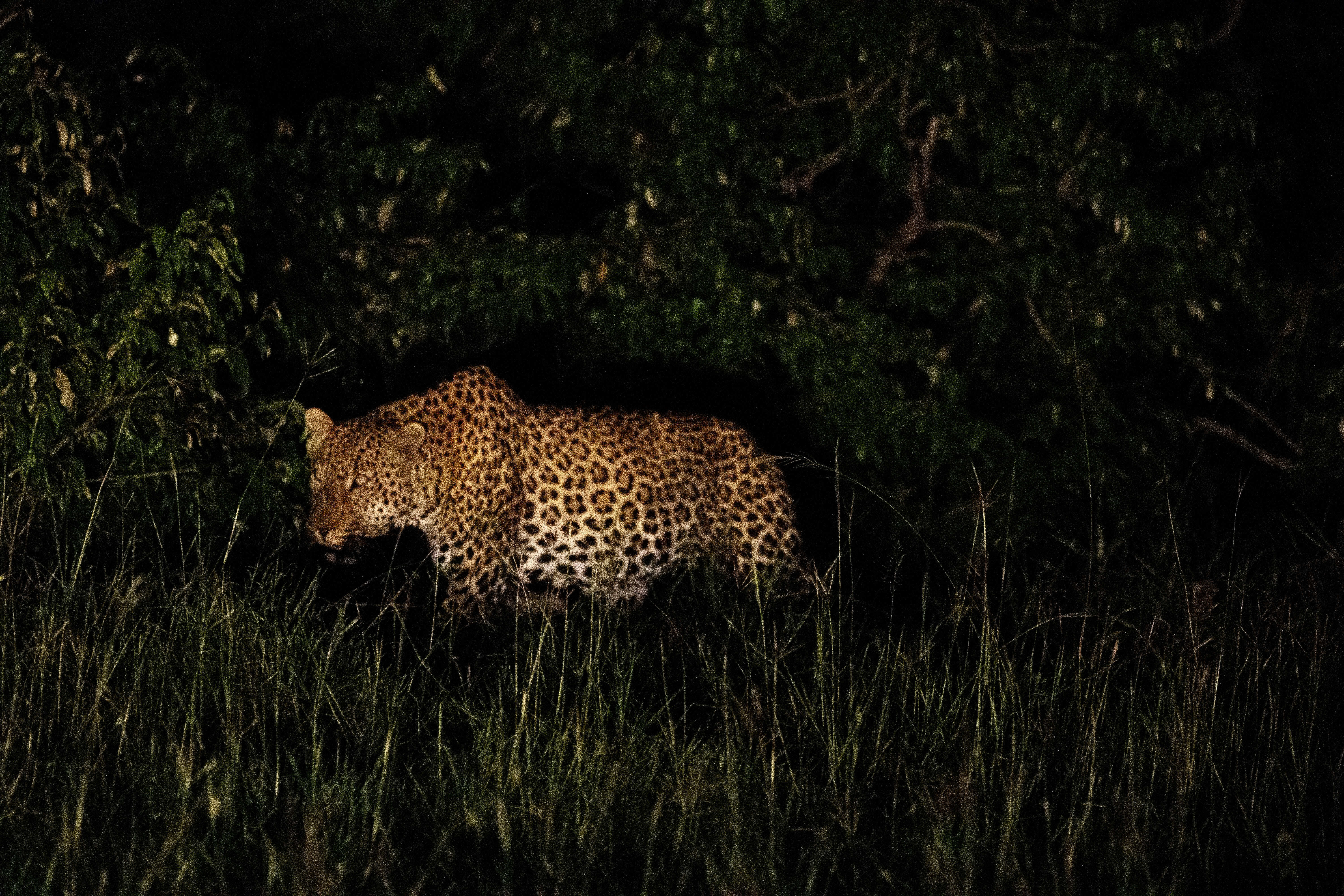
Give Me The Big Five – Leopard Have you ever wondered why these animals are called “The Big Five”? The phrase ‘The Big Five’ originally referred to the difficulty of hunting the lion, leopard, rhino, elephant, and buffalo on foot in Africa. These five large African mammals were known to be dangerous, and trophy hunters considered it a feat to bring them home.  Our Kenyan safari promises the thrill of encountering some of the planet’s most magnificent wildlife. Many people’s ultimate safari goal is to spot the Big Five! Kenya’s untamed landscapes and the Masai Mara’s rolling savannahs provide the perfect backdrop for these beautiful creatures. Each game drive hopes to witness these majestic creatures in their natural habitats, showcasing the raw beauty and power of the African wilderness.  Africa has a treasure found nowhere else in the world. The Big Five can only be found in these African countries: Angola, Botswana, the Democratic Republic of Congo, Ethiopia, Kenya, Malawi, Namibia, Rwanda, South Africa, Tanzania, Uganda, Zambia, and Zimbabwe. “Everything in Africa bites, but the safari bug is the worst of all.” Brian Jackman With eager hearts and adventurous spirits, here’s our story of encounters with the Big Five.   Desperately Seeking a Leopard! Leopards are among the stealthiest wild animals, and their highly solitary nature makes seeing them in the wild on a safari extremely rare.  On our first and second game drives, we saw four of the Big Five. We still have four game drives left, and the goal is to spot the elusive leopard! Our first game drive yielded no sightings.  On the second game drive, we ventured deeper into leopard territory, but after many hours of driving, we ended up with a flat tire right in the heart of their domain. This was the only time we were allowed to be outside the car. Steve, our guide, pierced the twilight silence by changing the tire. On the other side was a clearing with a small rift in the ground. A curious hyena was on the horizon, probably assessing whether we might become its next meal. We had only two game drives left, and I was determined to see the leopard. Upon our return to the lodge that evening, we learned that a scheduling conflict had forced Steve to step down as our guide. I was upset, as Steve was determined to spot the leopard for us, and we had two more game drives left! The lodge manager assisted us in strategizing our next steps and assured us she would do her best to ensure we saw a leopard before returning home. She had arranged a night drive and given us a new guide and a spotter, with only one goal: to spot the leopard! That evening, we drove through the darkness for hours; the headlights and infrared turned on when checking the bushes. Suddenly, the spotter exclaimed, “There!” We strained our eyes but couldn’t see anything in the pitch-black night. He insisted the leopard was there, pointing his infrared light at a tree. Excited by the prospect of spotting the leopard, we proceeded forward, slowly moving through the mud. Finally, we saw the leopard resting, draped over a branch. As we eagerly snapped photos, our safari vehicle became entangled in the mud! Our driver spent a few minutes figuring out how deep we were and how to get the truck out of the mud.  The commotion woke the leopard, who gracefully descended the tree. While we awaited assistance from another truck, the leopard observed us for some time before slowly vanishing into the bush. Fun Facts: Leopard spots are called rosettes because they resemble the shape of a rose flower. The rosettes help the leopard blend into the environment. “To truly understand Africa, you must go beyond the tourist trails and venture into the heart of the wilderness. It’s in the quiet moments, observing the animals in their natural habitats, that the continent reveals its secrets.” – Unknown. Author: CristyPhoto Credit: Nathan Stories from the Road Every journey has another story waiting to be discovered. Explore more experiences, cultures, wildlife, and people from around the world. EXPLORE ALL STORIES

Give Me The Big Five – Leopard Read More »

Give Me The Big Five – Elephants

Give Me The Big Five – Elephants Have you ever wondered why these animals are called “The Big Five”? The phrase ‘The Big Five’ originally referred to the difficulty of hunting the lion, leopard, rhino, elephant, and buffalo on foot in Africa. These five large African mammals were known to be dangerous, and trophy hunters considered it a feat to bring them home.  Our Kenyan safari promises the thrill of encountering some of the planet’s most magnificent wildlife. Many people’s ultimate safari goal is to spot the Big Five! Kenya’s untamed landscapes and the Masai Mara’s rolling savannahs provide the perfect backdrop for these beautiful creatures. Each game drive hopes to witness these majestic creatures in their natural habitats, showcasing the raw beauty and power of the African wilderness.  Africa has a treasure found nowhere else in the world. The Big Five can only be found in these African countries: Angola, Botswana, the Democratic Republic of Congo, Ethiopia, Kenya, Malawi, Namibia, Rwanda, South Africa, Tanzania, Uganda, Zambia, and Zimbabwe. “Everything in Africa bites, but the safari bug is the worst of all.” Brian Jackman With eager hearts and adventurous spirits, here’s our story of encounters with the Big Five.   Finding My Way Home: A Baby Elephant Tale   “They say an elephant never forgets. What they don’t tell you is that you never forget an elephant.” Bill Murray Here is the story of a baby elephant that we will never forget! On another beautiful morning in the sprawling expanse of the African savannah, we spotted a baby elephant seemingly lost and separated from his family. For this story, I will call him “Tembo.” ‘Tembo’ is a Swahili word for elephant. The early morning sun, slowly rising, cast long shadows across the landscape; hot air balloons started to rise for their tours; and the cold air was filled with the sounds of wildlife stirring to life. Tembo probably strayed too far during a night of foraging and now felt unfamiliar pangs of fear, his vulnerability palpable.  He was running with a sense of urgency and panic, his massive feet thundering across the ground and sending dust clouds. His trunk rose high, and he loudly trumpeted a desperate call for his family. The sound echoed through the savannah, a plaintive cry that carried far and wide. He stopped momentarily and listened for a response, but the silence that followed was deafening. His longing for his family, aching and raw, resonated with those who heard his call. Unfazed, he continued, his senses sharpened. He moved swiftly, navigating open plains, his massive feet leaving deep imprints in the soft earth. The sun climbed higher, casting a golden hue over the landscape as Tembo’s trumpeting grew more frequent. He was worn out; his legs ached, but he knew he had to keep going. In the distance, Tembo spotted a herd of elephants, and we can see he was excited during his approach, and his heart leaped with hope. Could this be his family? He raced toward them, his eyes scanning the familiar shapes for the comforting presence of his mother and siblings. The first herd of elephants he encountered as he drew closer was not his family. They largely ignored him, one of whom may have been the matriarch, who seemed to acknowledge and understand but gently nudged him away. Tembo continued to run and trumpet loudly, longing to find his family again.  Tembo set off once more, his trumpeting calls resonating through the air. The sun was higher in the sky, and the hot air balloons reached their cruising altitude. The sun breaks full over the horizon, spreading a warm, golden glow through the savannah. Tembo is moving even though it is starting to warm up. As he crossed a dusty road and we continued to follow him, his ears perked up at some distant sound. At this point, we decided to leave Tembo and continue with our game drive. We had followed him for an hour, and now it was time for us to move on and explore.  As we continued to drive, we eventually encountered a herd of elephants crossing the road. They took their time, enjoying the tall grass on both sides of the road. But one elephant in particular—the oldest one, we believe, was the Matriarch—seemed to linger and look off beyond us in the direction we came from—the direction of Tembo.  Elephants communicate with low hums (low-frequency rumbles). This deep, low-pitched hum traveled vast distances, allowing the elephants to stay in touch even when miles apart. Observing the subtle movements and gestures accompanying these sounds was fascinating, as if they were in a complex and intimate conversation. Steve invited us to listen as closely as possible because the matriarch appeared to communicate over a longer distance while the herd wandered in another direction. She kept her head pointed that way. We believe this was Tembo’s family. The herd’s matriarch seemed to lead the dialogue with her wise and gentle demeanor. Occasionally, she would pause, lift her trunk, and emit a soft rumble that resonated through the group. Witnessing these majestic creatures’ intricate social bonds and sophisticated communication skills was beautiful. Witnessing this silent conversation, we felt deeply connected to the natural world. This experience was another highlight of our safari, adding a profound dimension to our understanding of these gentle giants. It reminded us that there is so much more to wildlife than meets the eye and that every encounter in the wilderness holds a story waiting to be discovered.  “Kenya: All good things are wild and free.” – Unknown Fun Facts: Elephants are typically gray, but their natural color is grayish black. They often appear to be the same color as the soil where they live. This is because elephants love to take frequent mud baths or dust with soil to protect against insects, control body temperature, condition and moisturize the skin, and protect against sunburn. “To truly understand Africa, you must go beyond the tourist trails and venture into the

Give Me The Big Five – Elephants Read More »

Give Me The Big Five – Buffalo

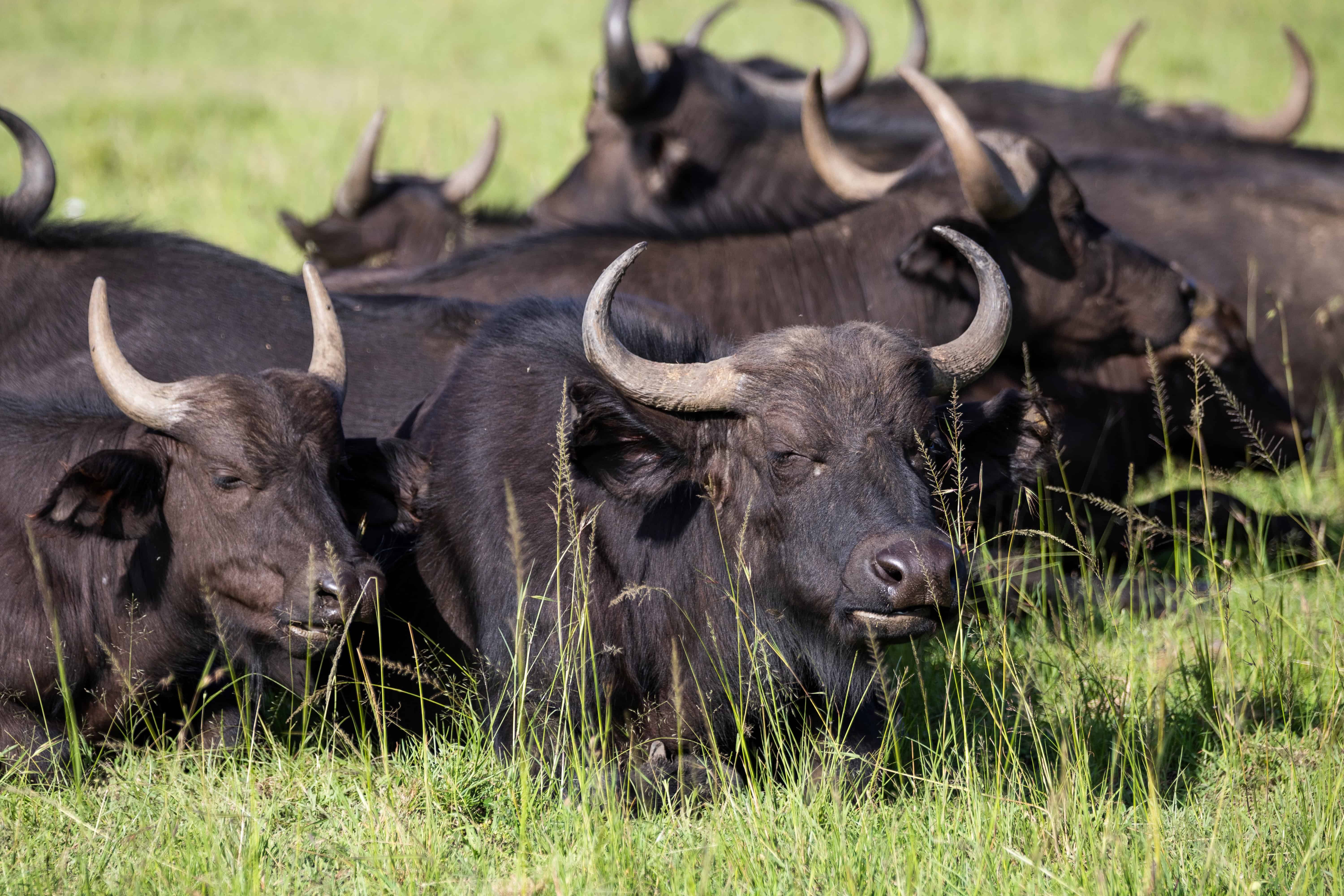
Give Me The Big Five – Buffalo Have you ever wondered why these animals are called “The Big Five”? The phrase ‘The Big Five’ originally referred to the difficulty of hunting the lion, leopard, rhino, elephant, and buffalo on foot in Africa. These five large African mammals were known to be dangerous, and trophy hunters considered it a feat to bring them home.  Our Kenyan safari promises the thrill of encountering some of the planet’s most magnificent wildlife. Many people’s ultimate safari goal is to spot the Big Five! Kenya’s untamed landscapes and the Masai Mara’s rolling savannahs provide the perfect backdrop for these beautiful creatures. Each game drive hopes to witness these majestic creatures in their natural habitats, showcasing the raw beauty and power of the African wilderness.  Africa has a treasure found nowhere else in the world. The Big Five can only be found in these African countries: Angola, Botswana, the Democratic Republic of Congo, Ethiopia, Kenya, Malawi, Namibia, Rwanda, South Africa, Tanzania, Uganda, Zambia, and Zimbabwe. “Everything in Africa bites, but the safari bug is the worst of all.” Brian Jackman With eager hearts and adventurous spirits, here’s our story of encounters with the Big Five.  Don’t Mess with Me—Cape Buffalo  The Cape buffalo is sometimes called the “mafia of the bush.” Known for their tendency to take revenge when provoked, they have been known to circle back, stalk, and even attack or kill hunters. Talk about the hunter becoming the hunted! Observing the Cape Buffalo from afar, they appear to be tame and calm. But do not let the look fool you! Our guide, Steve, shared some crucial survival advice in case of a cape buffalo attack. He told us that if we ever find ourselves in such a dangerous situation, we have two options: run to a tree and climb it, or lie on the ground and pretend to be dead. Steve recounted a harrowing story to illustrate his point. He mentioned that a buffalo once attacked one of his friends. Quickly, his friend decided to lie down and pretend to be dead, hoping the buffalo would lose interest. The buffalo approached with its notoriously rough tongue and began licking his friend’s head. The licking was so intense that it removed hair from his head. It was an excruciating and nerve-wracking experience for his friend, but it ultimately saved his life, as the buffalo eventually lost interest and wandered away. Steve emphasized that buffalo might look calm and unthreatening from a distance, but they are among the most dangerous animals in the African savannah. They are highly unpredictable and can become aggressive without warning. Their sheer size, strength, and tendency to hold grudges make them formidable opponents.  Steve’s story served as a forceful reminder of the risks involved in encountering these powerful creatures and the importance of being prepared for any situation while on safari. Fun Facts: Why do Cape buffaloes often have birds on their backs? African buffaloes have a symbiotic relationship that benefits both the buffalo and the birds. The birds feed on the ticks and parasites in the buffalo. This arrangement is good for the buffalo because these parasites suck a lot of blood and can weaken the animal. That is why buffaloes are delighted to keep the company of birds, and the birds are equally pleased to help! “To truly understand Africa, you must go beyond the tourist trails and venture into the heart of the wilderness. It’s in the quiet moments, observing the animals in their natural habitats, that the continent reveals its secrets.” – Unknown. Author: CristyPhoto Credit: Nathan Stories from the Road Every journey has another story waiting to be discovered. Explore more experiences, cultures, wildlife, and people from around the world. EXPLORE ALL STORIES

Give Me The Big Five – Buffalo Read More »

Give Me The Big Five – Lions

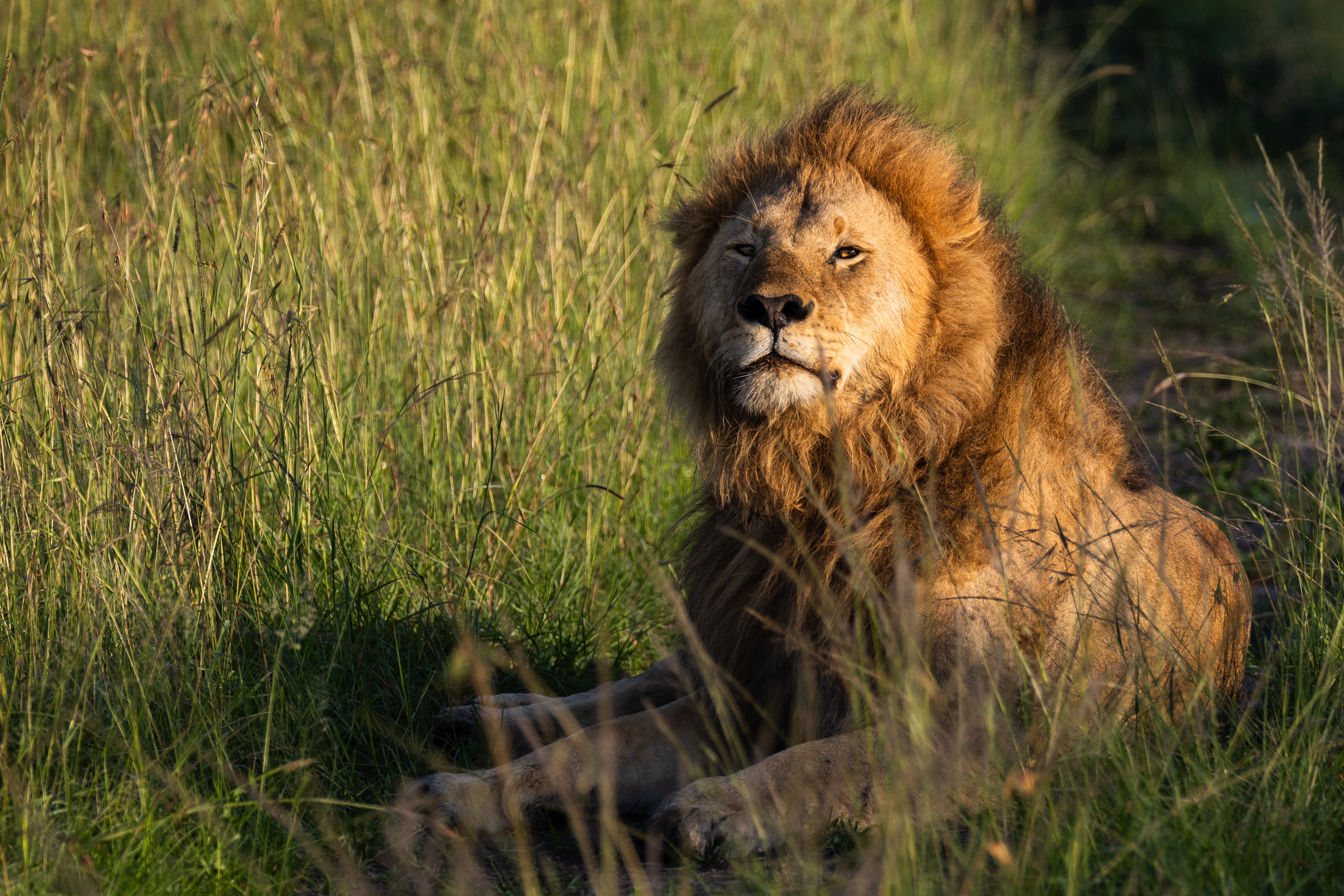
Give Me The Big Five – Lions Have you ever wondered why these animals are called “The Big Five”? The phrase ‘The Big Five’ originally referred to the difficulty of hunting the lion, leopard, rhino, elephant, and buffalo on foot in Africa. These five large African mammals were known to be dangerous, and trophy hunters considered it a feat to bring them home.  Our Kenyan safari promises the thrill of encountering some of the planet’s most magnificent wildlife. Many people’s ultimate safari goal is to spot the Big Five! Kenya’s untamed landscapes and the Masai Mara’s rolling savannahs provide the perfect backdrop for these beautiful creatures. Each game drive hopes to witness these majestic creatures in their natural habitats, showcasing the raw beauty and power of the African wilderness.  Africa has a treasure found nowhere else in the world. The Big Five can only be found in these African countries: Angola, Botswana, the Democratic Republic of Congo, Ethiopia, Kenya, Malawi, Namibia, Rwanda, South Africa, Tanzania, Uganda, Zambia, and Zimbabwe. “Everything in Africa bites, but the safari bug is the worst of all.” Brian Jackman With eager hearts and adventurous spirits, here’s our story of encounters with the Big Five.    So Many Lions, So Little Time   “You know you are alive when you live among lions.” – Karen Blixen Lions are often called the king of the jungle or the king of the beasts. They are one of Africa’s most well-known wild animals and most respected predators. “Until the lion tells his side of the story, the tale of the hunt will always glorify the hunter.” Zimbabwean proverb During our trip to Africa, we saw at least 25 lions at Masai Mara and Mara Naboisho Conservancy, and we came close to spotting 40 lions, lionesses, and cubs between different parks!  Our first lion sighting was on an early game drive in the heart of the Mara savannah, where a magnificent lion lounged in the golden morning sun. The vast grasslands stretched out around him, a sea of green and gold rippling gently in the breeze. As he reclined on a slight rise, he sunbathed his coat in warm light, highlighting the rich hues of his mane.  Occasionally, he lifted his head to feel the full embrace of the breeze on his face, his eyes closing for what must have been sheer enjoyment. The sun warmed his body; the wind cooled his face, creating a perfect harmony of nature’s elements. Another sighting of a lion was on a game drive in Naboisho. A lone lion moved purposefully through the tall grasses, his golden mane catching the morning sun’s light. His amber eyes were sharp and focused, scanning the horizon for any sign of his lioness and cub, searching for a specific, familiar scent that would lead him to his family. The lion would occasionally pause, his powerful silhouette outlined against the vibrant colors of the African sunrise. He lifted his head and let out a deep, resonant roar that echoed across the plains—a call that felt both like a declaration of his presence and a signal to his family. The savannah, momentarily quiet in response, appeared to pause its breathing. As he listened intently, his ears perked up, catching the faintest swoosh of movement in the distance. He was determined as he journeyed to find his lions and cubs. He knew they could not have wandered far, and his instincts guided him toward a familiar grove where they often rest. He let out another softer call, this time filled with reassurance. As he continued to push through, he finally spotted his lioness and her cubs beside her. Our guide, Steve, suggested that the lion chase the lioness and cub (since the cub was older) as a game. We drove around this stretch of land to see if we could catch them running. They didn’t, so we returned to the other side and watched them meet peacefully. After some time, they all disappeared into the bush together. Another morning, a pride of lionesses and cubs comes to life with playful energy. The sun, beginning to rise, casts a soft golden glow over the landscape, creating a vibrant backdrop for the cubs’ morning activities. The pride, a mix of lionesses and exuberant cubs, gathers in a clearing where the grass is dewy and cool. Full of boundless energy, the cubs are the first to engage in play. They pounce, stretch, and tumble over each other, their tiny roars of excitement filling the air. Their playful antics are a practice for future skills and a joyous expression of their youth.  We saw another pride: two lions with their lionesses and cubs. Our guide told us these two lions are brothers, and they like to fight. They were both very old. One of the lions exited the bush and started walking slowly towards our truck. He stopped next to me. If I stuck my arm out, I could have touched the lion; that’s how close he was to me!  As the lion remained within reach, his brother unexpectedly rushed towards him. Then they started attacking each other; I screamed, and everyone lost a chance to capture the Nat Geo photo of the year—a lion fight! Fear gripped me as they roared and growled, engaging in combat just a few inches away from me. They were still close enough that I could reach out and touch their faces. The brothers continued to fight side by side, their eyes filled with mixed anger and determination. The fight was a display of raw, primal power. As the adrenaline faded, the brothers separated, each limping slightly.  “In the eyes of a lion, there lies the wisdom of the ages, a gaze that pierces the soul and reminds us of the untamed essence that resides within us all.” – Unknown The younger lion moved away from our truck. His face had a few scratches and blood near his eyes. The fight has ended, but it was so close and

Give Me The Big Five – Lions Read More »

Safaris and Skylines: The Unique Juxtaposition of Nairobi National Park

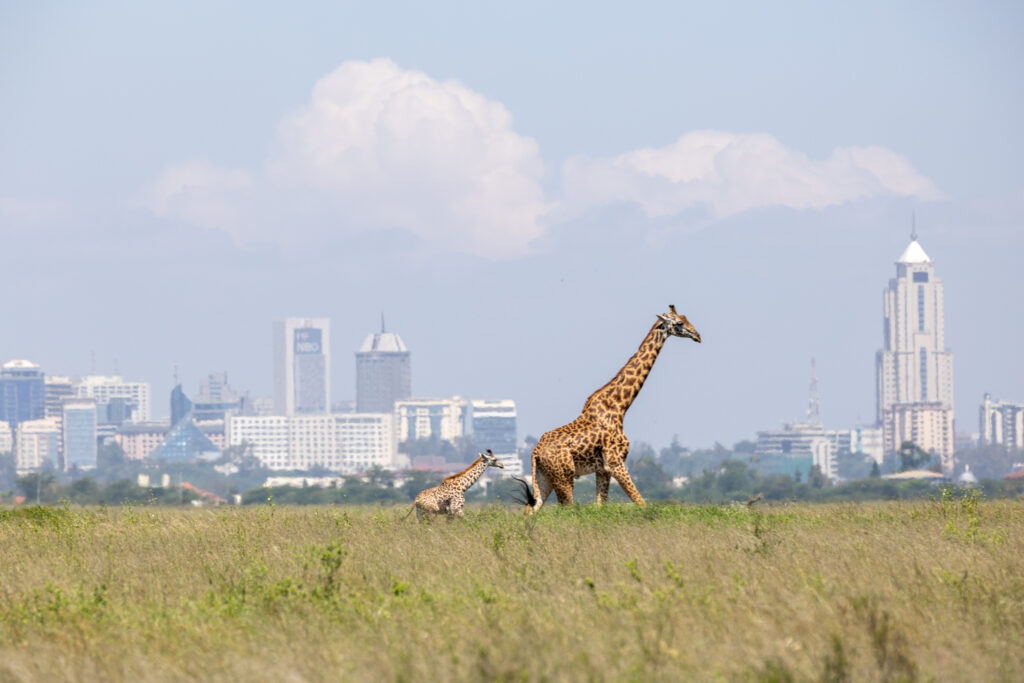
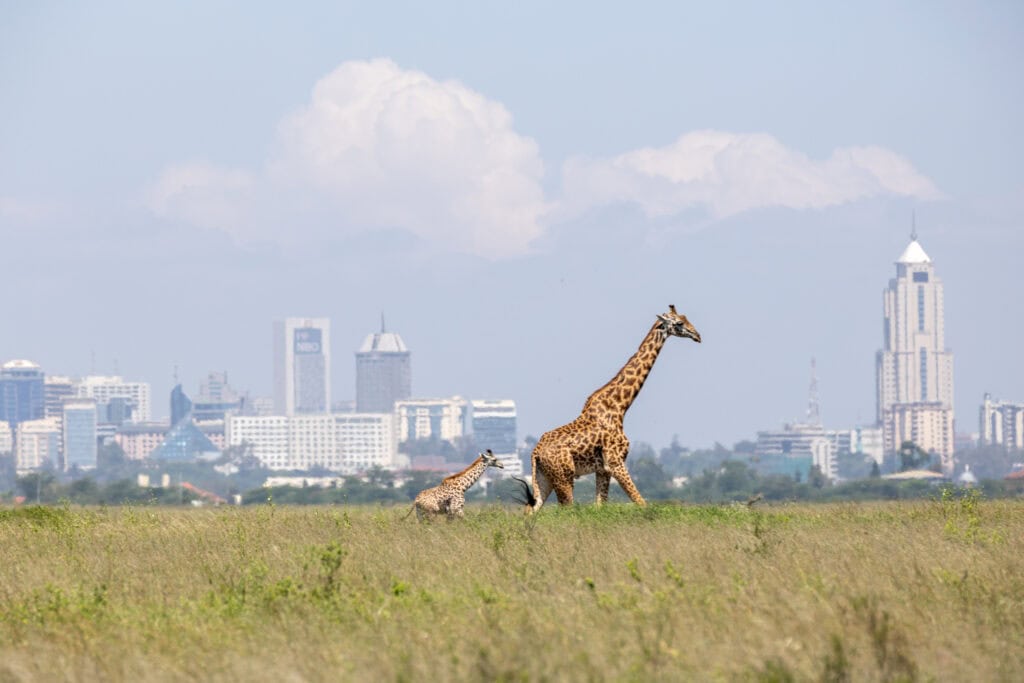
Safaris and Skylines: The Unique Juxtaposition of Nairobi National Park Nairobi National Park, a mere stone’s throw from the vibrant heart of Kenya’s capital, is a living testament to the nation’s consistent commitment to wildlife preservation. Founded in 1946, Nairobi National Park stands as Kenya’s first national park, serving as a unique urban sanctuary where the wild and the urban coexist. Spanning 117 square kilometers, this park is a veritable treasure trove of diverse wildlife and ecosystems, making it an unmissable stop for nature enthusiasts and globetrotters alike. A Safari at the Doorstep of a Metropolis One of the most extraordinary aspects of Nairobi National Park is its unique location, nestled against Nairobi’s urban skyline. Witnessing giraffes and rhinos grazing against a backdrop of skyscrapers is a surreal and exclusive experience. This juxtaposition of urban and wild underscores the park’s uniqueness and accessibility, offering visitors a rare opportunity to begin their safari adventure without leaving the city limits. Visiting Nairobi National Park is not just a safari; it’s a privileged glimpse into a world where nature and urban life coexist harmoniously! Almost immediately spotting a lioness at Nairobi National Park, mere minutes into our first game drive, was an exhilarating experience. As the early morning sun bathed the park in a warm, golden light, we navigated the park’s winding trails with eager anticipation. As we approached, the soft morning sun revealed this magnificent lioness. She sprawled out on a patch of tall grass, her golden face shimmering in the sunlight. With half-closed eyes, she appeared utterly relaxed, embodying a sense of calm and majesty that was genuinely captivating. Her robust frame rose and fell gently with each breath, a picture of serene strength. The scene perfectly balanced power and serenity, presenting the lioness in a state of leisure. Thinking this was the only lioness we would see, we sat quietly in our car and took numerous pictures. As we drove around the park, we saw giraffes with the skyline of Nairobi as a backdrop. It is a beautiful experience that beautifully encapsulates the unique charm of Nairobi National Park. As we ventured deeper into the park, the excitement of encountering these gentle giants grew. The landscape around us was a mix of rolling savannahs and scattered acacia trees, creating the perfect habitat for giraffes. We saw them—tall and elegant, their long necks gracefully reaching for the tender leaves of the trees. With their distinct patterns and towering stature, giraffes stood out against the horizon. But the contrast between the giraffes and the city skyline beyond made this sight genuinely excellent. The skyscrapers of Nairobi rose proudly in the background, starkly contrasting the park’s natural beauty. Another extraordinary and surreal experience was seeing a black rhino with Nairobi’s skyline in the background. The open grasslands and scattered acacia trees created an ideal setting for this wildlife encounter. Amidst the golden grasses, we saw a magnificent rhino and its child, its formidable form moving with a sense of ancient grace. The rhino’s thick, armored skin and prominent horn were awe-inspiring, symbolizing strength and resilience. What made this sight genuinely remarkable, however, was the backdrop: the modern, towering skyscrapers of Nairobi rising sharply against the horizon. The contrast was striking and thought-provoking. A wild rhino, whose ancestors roamed the earth long before human civilization, stood against the backdrop of a bustling, modern city. The sight perfectly captures the unique juxtaposition of Nairobi National Park, where the wild meets the urban harmoniously. Not far beyond the road, two armed guards monitored the pair’s location to ensure their safety from poachers.  Watching the rhinos calmly graze, occasionally lifting their heads to survey their surroundings, was a powerful reminder of the delicate balance between nature and human development. The scene was a vivid testament to Kenya’s commitment to wildlife conservation, even as the city of Nairobi continues to grow and thrive just beyond the park’s boundaries. Urban Wildlife Harmony This experience of seeing these animals with Nairobi as the backdrop is a vivid reminder of the delicate balance between urban expansion and conservation. It highlights the importance of protecting these natural sanctuaries that allow such incredible wildlife encounters to continue. It was a moment of awe and inspiration, a perfect blend of nature and city life unique to Nairobi National Park. Watching all these animals, we felt a profound sense of harmony between nature and civilization, a testament to Kenya’s commitment to preserving its wildlife despite rapid urban development.  The encounter was more than just a memorable wildlife sighting; it was a profound experience that emphasized the value of preserving natural habitats amidst urban expansion. Nairobi National Park stands as a positive example, showing that wildlife and urban life coexist with conscious efforts. Wildlife and Biodiversity Nairobi National Park is home to a rich variety of wildlife. Visitors can expect to see: Lions: The park has a healthy lion population, and spotting these majestic predators is a highlight for many visitors. Rhinos: Both black and white rhinos roam the park, and Nairobi National Park is one of the few places where you can see these magnificent creatures in their natural habitat. Giraffes: Towering giraffes are a common sight, gracefully moving through the savannah. Buffalo: Large herds of buffalo add to the park’s impressive wildlife roster. Zebras and Wildebeests: These grazers are abundant and often seen in large groups. Birdlife: The park is a haven for birdwatchers, with over 400 bird species, including ostriches and the colorful lilac-breasted roller. Gazelles: Several herds of Thompson’s and Grant’s gazelles wander in the park. The park also has diverse ecosystems, including open grass plains, acacia-dotted savannahs, wetlands, and riverine forests. This variety reinforces a wide range of flora and fauna, making every visit a unique experience. Conservation Efforts Nairobi National Park is pivotal in conservation, particularly for endangered species. The park’s rhino sanctuary is crucial for protecting and breeding black rhinos, significantly contributing to their preservation. As we drove past the black rhinos, armed guards monitored them, ensuring their safety.

Safaris and Skylines: The Unique Juxtaposition of Nairobi National Park Read More »

Magic Awaits: Exploring the Wonders of Lake Naivasha and Hell’s Gate

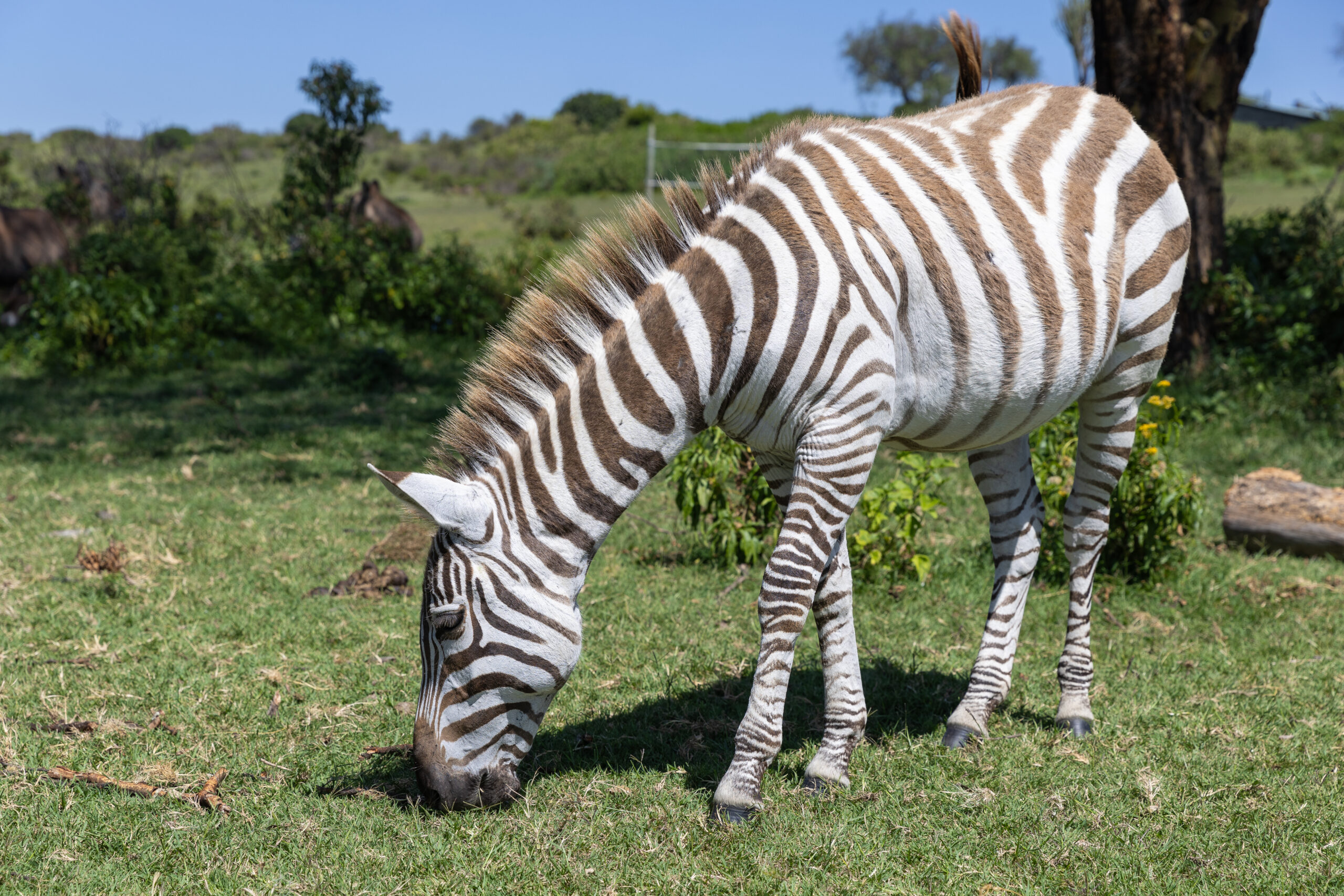
Magic Awaits: Exploring the Wonders of Lake Naivasha and Hell’s Gate Lake Naivasha is a freshwater lake, unlike Nakuru, which is a soda or saltier lake. It lies 6,200 feet above sea level, about 95 kilometers north of Nairobi in the Great Rift Valley. Naivasha derives from the local Maasai name Nai’posha, meaning “rough water.” Two rivers feed it, one of which is the Malewa, whose source is in the Aberdare Ranges. It has dried out twice since 1898. Our journey to Lake Naivasha on the second day in Nairobi was a thrilling adventure filled with anticipation and wonder. We started with a breathtaking stop to view the Great Rift Valley, a sight that left us in awe. As we left the bustling city behind and ventured into the rolling hills and open landscapes, we could feel the excitement building up. And when we finally reached the Great Rift Valley, the view that unfolded before us was spectacular. A vast area of land with dramatic escarpments and deep valleys extended in all directions, known as the Rift Valley. Standing there, with the cool morning breeze and the endless horizon, we felt awe at the geological forces that had shaped this region millions of years ago. After soaking up the stunning vistas and capturing numerous photographs, we continued our journey toward Lake Naivasha.  Upon arrival, the serene beauty of Lake Naivasha greeted us, including the sudden arrival of giraffes and zebras. This was our first encounter with the animals in their natural habitat, so we had to take many photos! Maxwell, our driver, had arranged for us to explore the lake by boat and go to Crescent Island. Diverse wildlife was all around us as the ship sailed effortlessly through the calm waters. Hippos lounged near the shore, their massive bodies partially submerged, while various birds, including pelicans, cormorants, and kingfishers, went about their daily activities. Crescent Island Game Sanctuary is considered one of the most beautiful parks in Kenya. It is often called Naivasha’s best-kept secret.  Our boat guide shared fascinating insights about the lake’s ecosystem and inhabitants, adding depth to our observations. Our time at Crescent Island was a truly magical experience. We found ourselves immersed in the tranquility of nature, with no other tourists in sight. It felt like our slice of paradise, a private audience with nature! The absence of other tourists heightened our connection to the natural surroundings, making the experience even more profound.  We strolled, following well-trodden paths through the island’s varied landscapes. We could only do a walking safari tour with wild animals up close because there were no major predators on the island. We had a guide, a park ranger, all to ourselves, talking about the animals as we walked past them! Almost immediately, we began encountering wildlife. Burchell’s zebras grazed nearby, their striped coats contrasting beautifully against the green backdrop. A 3-day-old baby zebra was hiding from her mother. As we approached, they gave us a curious look before quickly returning to their peaceful grazing. As we continued our leisurely walk, we came across a herd of wildebeests moving slowly through the grasslands.  Another unforgettable moment was spotting a family of Masai giraffes. Their long necks stretched high as they fed on the tender leaves of the acacia trees. Watching these gentle giants move gracefully across the landscape was a sight. The lack of other tourists allowed us to observe their behavior and interactions quietly, deepening our connection to the wild. As we ventured further, we encountered groups of zebras grazing peacefully and spotted several giraffes moving gracefully among the acacia trees. Being so close to these animals in their natural habitat was a thrilling experience, exhilarating and humbling us. We saw the hippopotamus, cape buffalo, impala, Defassa waterbuck, wildebeest, Thompson gazelle, Grant’s gazelle, bushbuck, and velvet monkey. We looked for the African Rock Python, as the ranger had recently spotted one, but did not find it. Crescent Island boasted an equally impressive birdlife. We saw vibrant kingfishers darting across the water and fish eagles perched high in the trees, their keen eyes scanning the lake for prey. The diversity of bird species added a melodic soundtrack to our walk, their calls and songs filling the air with a symphony of nature. By 1 PM, the clouds thickened, signaling an impending downpour. With a sense of urgency, we quickly left the Island to break for lunch before continuing our journey to Hell’s Gate National Park. Fun Fact: Crescent Island, a popular attraction in the Lake Naivasha area, served as the primary filming location for Out of Africa in 1985.  Hell’s Gate National Park The park, starkly contrasted with the serene lake, is known for its dramatic landscapes and geothermal activity. We entered to find imposing cliffs and narrow gorges that were the remains of ancient volcanic activity. The park’s lack of other visitors enhanced its raw, untamed beauty. We encountered various wildlife. Herds of zebras and gazelles grazed carefree, unconcerned by my presence. Giraffes moved gracefully among the acacia trees, their long necks reaching for the highest leaves. The sight of these animals in such a rugged landscape still motivates me. One of the most thrilling parts of the trip was walking through the park’s narrow gorges. We met a Maasai guide who took us through these rock pathways to a spot featured in The Lion King, where we saw all these crazy rock formations. The winding paths brought us to hot springs and geothermal vents where steam rose from the ground, creating an otherworldly atmosphere, all surrounded by tall rock walls. The solitude here was profound, allowing us to appreciate the park’s geological wonders fully. As the day drew close and we headed back to Nairobi, the sun started to set. Half asleep, I could see the sky slowly transforming into fiery oranges and purples, and the next thing I knew, it was dark, and we were back at the hotel. Fun Fact: The park inspired the Disney movies. The Lion King

Magic Awaits: Exploring the Wonders of Lake Naivasha and Hell’s Gate Read More »

Elephants and Hope: A Visit to Nairobi’s Sheldrick Wildlife Trust

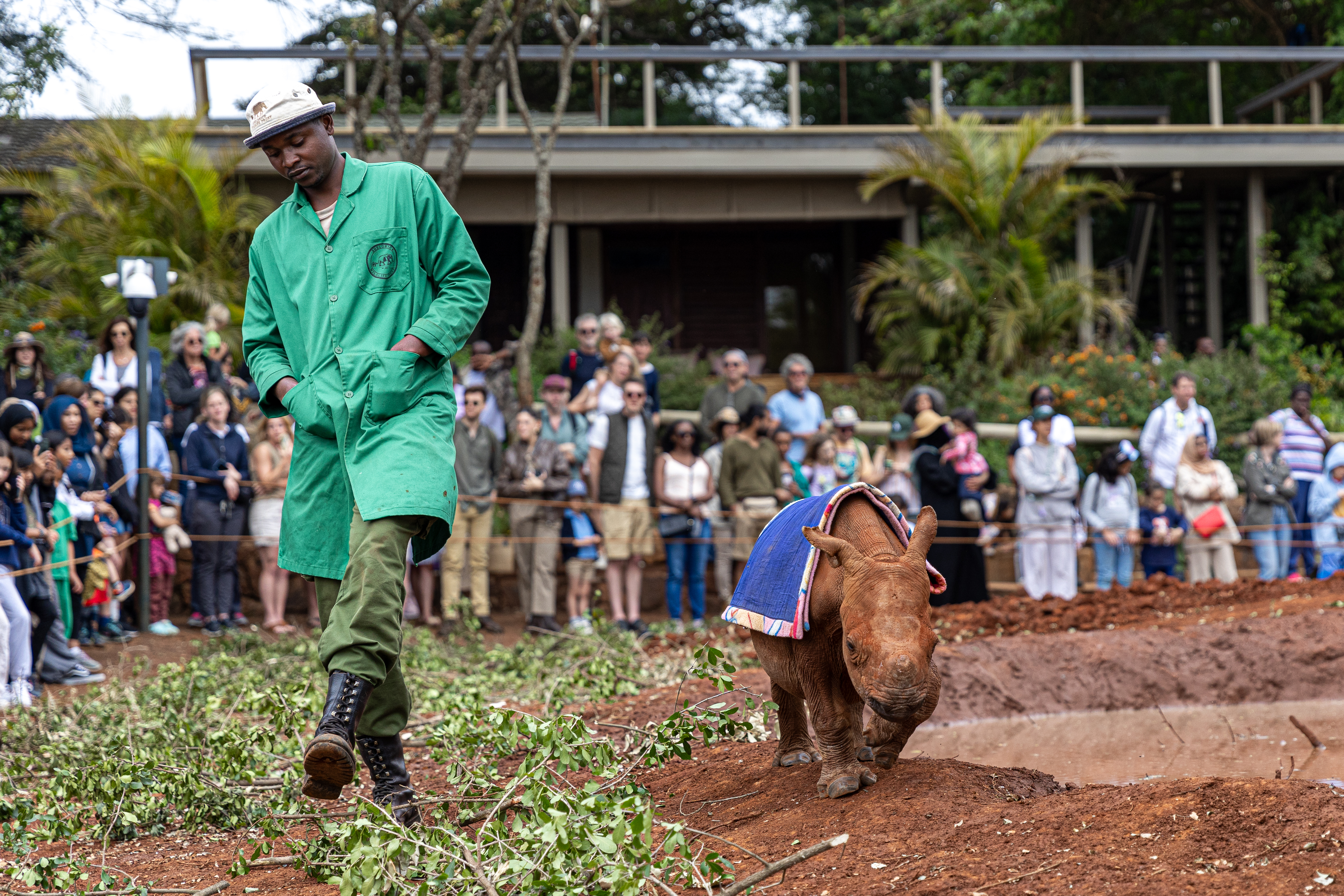
Elephants and Hope: A Visit to Nairobi’s Sheldrick Wildlife Trust Nestled on the edge of Nairobi National Park lies a sanctuary for orphaned baby elephants, victims of the ivory poaching trade. Sheldrick Wildlife Trust (SWT) operates the world’s most successful orphan elephant rescue and rehabilitation program. To honor her late husband, David Sheldrick, Dame Daphne Sheldrick founded it in 1977. My desire to travel to Kenya and visit the elephant orphanage stems from several reasons. First of all, I’ve always been enamored with elephants and how extraordinary these gentle giants are, especially after watching An Elephant’s World and Secrets of the Elephants on Nat Geo, which transported me to this incredible Kenyan wildlife operation. I’ve also read about the Sheldrick Wildlife Trust and its dedication to rescuing, rehabilitating, and reintroducing orphaned elephants into the wild. The Sheldrick Wildlife Trust’s capacity to save orphaned elephants and reintegrate them into the wild has me extremely interested. Every baby elephant has a heart-wrenching tale, but once they find sanctuary at the orphanage, there’s a glimmer of hope for their future. The tireless caretakers devote themselves to the elephants’ well-being, offering 24/7 care and sleeping alongside them for comfort.  How do I visit? The first option is a public midday visit to the elephant nursery. The second option is a private and exclusive afternoon encounter. Both options vary in price, group size, and experience. They are tightly managed and limited to just one hour each to ensure the elephants maintain a largely undisturbed daily routine. The public visit is scheduled for midday, 11 a.m.–noon. Guests must purchase their tickets precisely 90 days before their trip. No walk-up entries are allowed. The entrance fee is USD 15 per person. The midday visit is limited to 100 guests. The second option is private and limited to no more than eight individuals. The private encounters demand meticulous planning. This experience necessitates a generous USD 900 donation to the Sheldrick Wildlife Trust. SWT Impact Daphne Sheldrick established the trust in honor of her late husband, dedicating her life to wildlife preservation and conservation. She pioneered the development of milk formula and nurturing techniques crucial for successfully rearing milk-dependent elephant and rhinoceros calves. Her groundbreaking work transformed the Orphans’ Project into the cornerstone of the Sheldrick Wildlife Trust, emerging as a global leader in wildlife conservation. Her achievements are unparalleled, with over 160 formerly orphaned elephants thriving in their natural habitats across Kenya. The care of growing elephants demands a continuous, round-the-clock commitment. Even after graduating from the nursery unit in Nairobi, three-year-old calves are transitioned to one of Sheldrick’s three reintroduction units for the next phase of their rewilding journey. Situated in Tsavo East National Park and Kibwezi Forest, these units offer the spaciousness necessary for the orphans to reintegrate into the wild, residing in areas inhabited by wild elephant herds. Here, they are gradually weaned and equipped with the skills essential for living as wild elephants. Rewilding is a gradual process tailored to each elephant’s unique requirements, often spanning several years. The Sheldrick Wildlife Trust’s unwavering commitment to rescuing, rehabilitating, and reintroducing these wild orphans has earned it global acclaim, inspiring many conservation organizations worldwide. How Can We Support? Sheldrick Wildlife Trust commands my utmost admiration and endorsement. They have revolutionized Kenya’s approach to safeguarding its invaluable wildlife for over four decades. From their highly skilled team members to the management of eco-lodges and rewilding sites, Sheldrick consistently surpasses expectations as a conservation powerhouse. Please consider adopting one of their orphaned animals to bolster their impactful work. These digital adoptions offer a personalized adoption certificate, monthly email updates and watercolors, and exclusive access to keeper diaries. With a modest annual fee of just USD 50 per orphan, adopting one is a meaningful gesture of support and a profound way to align with Sheldrick Wildlife Trust’s unparalleled mission. We adopted a two-year-old baby elephant named Shujaa, which means hero in Swahili. On August 21, 2022, at dusk, visitors to Tsavo East National Park discovered Shujaa, a tiny calf left behind in a muddy embankment. Rescued just in time by the Voi Team and later flown to the Nairobi Nursery, his life was saved from certain peril. Ethical Elephant Encounter in Kenya Undoubtedly, the most ethically sound way to encounter elephants in Kenya is to observe them in their natural habitat. Kenya boasts renowned elephant herds in Amboseli, Masai Mara, and Tsavo, where these majestic creatures roam freely. Fortunately, Kenya’s tourism industry has yet to succumb to offering unethical elephant activities. Kenya, however, stands firm in its commitment to avoiding such exploitation within its tourism sector. Beyond the endeavors of the Sheldrick Wildlife Trust, another ethical elephant encounter awaits about 340 miles (550 km) north: the Reteti Elephant Sanctuary. The Samburu region’s community-owned grassroots initiative is devoted to saving and rehabilitating orphaned elephant calves. Established in 2016, Reteti operates entirely locally, with a community-elected board overseeing all activities and employing caretakers exclusively from the local community to tend to the elephants. The sanctuary offers daily tours for visitors keen on witnessing their work firsthand. An elephant caretaker leads each tour group through the grounds so they can observe the calves during feeding and amusing mud-wallowing sessions. A visit to Reteti Elephant Sanctuary not only supports their noble mission but also contributes to the empowerment of the local community through positive tourism impacts in the region. I Highly Recommend a Visit to the Sheldrick Trust. Our visit to the Sheldrick Wildlife Trust in Nairobi was one of our most heartwarming and educational experiences, timed perfectly to witness the endearing elephant feeding time. There was intense excitement and anticipation as we gathered with other visitors in the observation area. We all gathered at the feeding area, a sizable, open area with ropes encircling it so we could get a close-up view without disturbing the elephants. The feeding time started with the baby rhino, Raha, parading with her two caregivers, who were walking side by side. Her name, Raha, means joy

Elephants and Hope: A Visit to Nairobi’s Sheldrick Wildlife Trust Read More »

Nairobi’s Giraffe Center: An Exciting and Educational Day Out

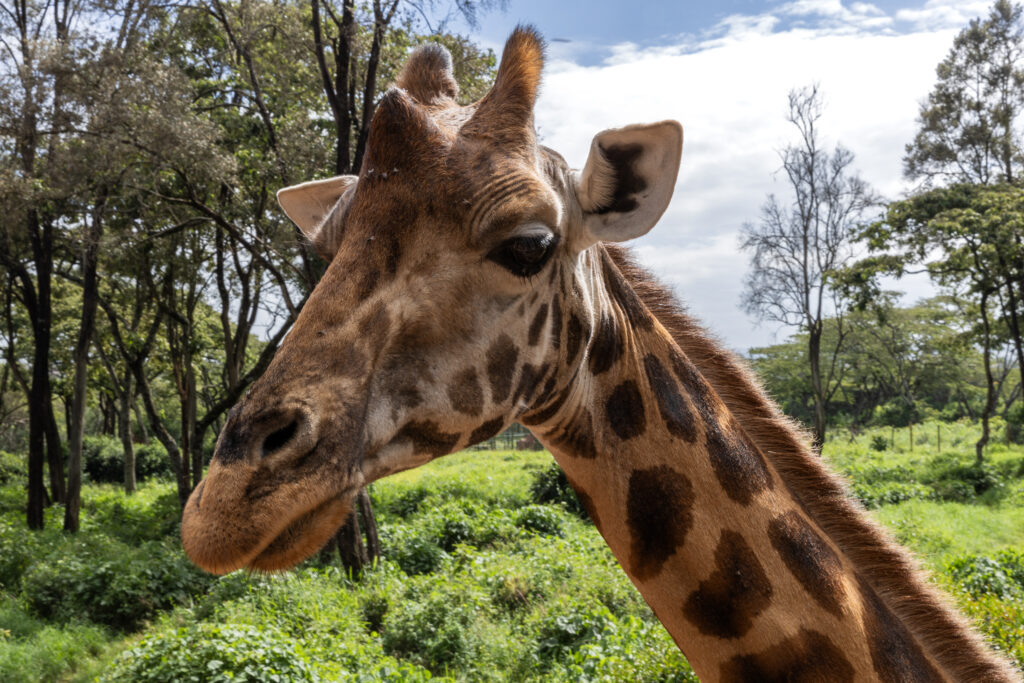
Nairobi’s Giraffe Center: An Exciting and Educational Day Out The Nairobi Giraffe Center is an exciting and educational day out with the family. You can see Africa’s most famous animals and have a fun and instructive adventure. It is located in the green suburb of Lang’ata, only a short drive from the city center of Nairobi. The organization dedicates itself to safeguarding the endangered Rothschild giraffe. The Giraffe Center is open from 09:00 to 17:00 daily, including weekends and all public holidays. For non-resident visitors, it costs Ksh 1,500 per adult and Ksh 750 per child aged 3–12. For Kenyan residents, it is Ksh 400 per adult and Ksh 200 per child. Children under 3 are free. There is no need to reserve your tickets beforehand; you can buy your tickets upon arrival. However, they only accept payment in M-Pesa, Visa, or Mastercard at the gate. Feed the giraffes! One of the most thrilling aspects of your visit is the chance to feed the giraffes. Upon arrival, you’ll be handed a complimentary bowl of food pellets to feed the giraffes, or you can purchase more at the entrance. With their long, prehensile tongues, the giraffes eagerly accept the pellets directly from your hand, making you both excited and privileged. This encounter is entertaining and makes for a fantastic picture opportunity. The well-informed personnel at the center explain the giraffes’ diet, habits, and conservation activities aimed at protecting them. Visitors may get up close and personal with the giraffes at the Giraffe Center’s viewing platform. Younger guests love this vantage point since it gives them a different look than the giraffes. You can also find a short nature path where you can go for a stroll while taking in the sights and sounds of the area’s native plants and animals.  But watch out that you don’t irritate them! One giraffe, in particular, has a strong dislike for children. The ranger sternly told the misbehaving children to quiet down and quit bothering the giraffe. According to him, this particular giraffe was cranky and didn’t particularly like kids. So, what did the kids do? They disregarded the guide’s instructions and seemingly teased the giraffe while offering their pellets. The seemingly innocent disregard provoked the old giraffe, and the giraffe retaliated. She turned on these children and began hitting the children with her head! Lessons Learned. Taking the kids to Nairobi’s Giraffe Center will surely be an unforgettable and enjoyable day out. Anyone visiting Nairobi should visit the Giraffe Center, where they can feed the animals and engage with them pleasantly and instructively.  For the ultimate giraffe experience, and if you have extra money, consider staying at the renowned Giraffe Manor. This unique opportunity will surely leave you feeling intrigued and excited. While staying at the Giraffe Manor, you could see the resident herd of Rothschild’s giraffes peeking through your windows in hopes of a treat before retreating to their sanctuary. The giraffes expect guests to share their breakfast and then wander back to the center for the rest of the day. The Giraffe Center provides an excellent opportunity to engage with nature while contributing to vital conservation initiatives. It is an ideal destination for anybody seeking a one-of-a-kind experience, whether they are animal lovers, conservationists, or adventure seekers. Going to the Giraffe Center is a must, regardless of whether you’re traveling with kids. Author: CristyPhoto Credit: Nathan Stories from the Road Every journey has another story waiting to be discovered. Explore more experiences, cultures, wildlife, and people from around the world. EXPLORE ALL STORIES

Nairobi’s Giraffe Center: An Exciting and Educational Day Out Read More »

Kenya’s Magic in 20 Days: Itinerary and Joys of Meeting Locals

Kenya’s Magic in 20 Days: Itinerary and Joys of Meeting Locals Arriving in Kenya for the first time was like stepping into a vivid dream, where the colors seemed brighter, the landscapes more expansive, and the people warmer than I could have ever imagined. Our journey began in Nairobi, a bustling metropolis that hums with the rhythm of life and adventure. We felt excitement and a hint of nervous anticipation as soon as we stepped off the plane. We were greeted with smiles and warm welcomes when we arrived at Jomo Kenyatta International Airport. The airport staff, our driver, and even fellow travelers exuded a genuine friendliness that immediately put us at ease. “Karibu Kenya!” everyone said with a broad smile. Their warm greetings and genuine smiles made us feel instantly at home. “Welcome to Kenya!” Planning this trip was challenging, as our family had to consider many factors. We deliberated over which county to visit, which safari destinations to explore, and how to manage our budget. Due to school and work commitments, December was the only time we could all go. It was not the ideal time for a safari or to witness the Zebra/Wildebeest Migration. I also learned that seeing the Big Five is not guaranteed during the rainy season. However, my research revealed that Kenya’s infrastructure is more developed than that of some other countries I considered. This was a crucial factor in choosing Kenya for our first African Safari! A few days in Nairobi: Wildlife, Culture, and Comfort The comfort and convenience of our accommodations made our stay in Nairobi even more enjoyable. We booked through Marriott’s Homes and Villas, which allowed me to upgrade to Marriott’s following reward status by staying a few more nights before year-end. Our Marriott Homestay, nestled in Westland, was a mere 30-minute drive from a warm, comfortable bed, offering us a perfect retreat after a day of exploration. With so much to see in Nairobi, the luxury of not having to rush off straight away was a delightful treat. Nairobi, often overshadowed by the allure of the safari circuit, is a gem awaiting discovery. It’s not just a city but a vibrant hub of unique experiences that will leave you in awe. You can even go on safari in Nairobi, where ample game wildlife roams practically within the city limits at Nairobi National Park. We had the pleasure of hiring an incredible driver, Maxwell, who showed us the best of Nairobi. Spending a few days in Nairobi is the perfect way to start your African adventure. From bustling city life to serene and exciting wildlife encounters, Nairobi offers various experiences, from exploring wildlife and natural beauty to discovering the city’s history and modern attractions. Here is our Kenya itinerary: Day 1: Arrive in Nairobi Day 2: Lunch and shopping with a friend at the ‘Christmas Market, Kenyan Style’ Day 3: Day trip to Lake Naivasha and Hell’s Gate National Park Day 4: Nairobi National Park Day 5: Sheldrick Wildlife Trust and Giraffe Center Day 6: Masai Mara Day 7: Masai Mara Day 8: Naboisho Conservancy Day 9: Naboisho Conservancy Day 10: Naboisho Conservancy Day 11: Back to Nairobi Day 12: Amboseli National Park  Day 13: Amboseli National Park Day 14: Tsavo National Park, East/West  Day 15: Tsavo National Park, East/West Day 16: Tsavo National Park, East/West Day 17: Train to Mombasa to Diani Beach Day 18: Diani Beach  Day 19: Diani Beach Day 20: Diani Beach   Things to do in and around Nairobi Rift Valley, Lake Naivasha, and Hell’s Gate National Park  Nairobi National Park Visit the Daphne Sheldrick Wildlife Trust! We recommend reserving in advance, as each day only offers one slot. Giraffe Center Railway Museum Shopping at Masai Market     Lunch and Dining Experience   Lunch at Babette’s in the Karen District The leafy suburb of Karen does not feel like part of the same city as you drive past high walls, giant trees, and perfectly tended gardens. In honor of Karen Blixen’s book, Babette’s Feast, we had lunch at Babette’s in the Karen Blixen Coffee Garden. We sat in the garden, and the ambiance was relaxing. The food was good; we had pizza, calamari, pasta, and chicken stew. Lunch at Carnivore’s I am figuring out what to write about my experience at Carnivore. The meat was excellent. However, I had anticipated a more diverse selection of game. They only had crocodile and Ox balls. Additionally, they attempted to fill you up with turkey, chicken, and pork before finally serving the sirloin at the last minute. It’s an all-you-can-eat restaurant. However, my kids thought the steak was the most exciting serving. Haandi Indian Restaurants We liked this restaurant and ended up having dinner a few times. We ordered our usual Vegetable Korma and Chicken Tikka Masala. It had excellent food, reasonable prices, and was near our apartment. The Joy of Meeting Kenyans! Meeting Kenyan people during this trip enhanced our travel experience in numerous ways! From the urban sophistication of Nairobi to the traditional villages of the Maasai and the coastal charm of Mombasa, the Kenyans we met left us with unforgettable memories and a deeper understanding of their beautiful country. We had the opportunity to learn about traditional Maasai beadwork, taste authentic Kenyan cuisine, and even participate in a local Maasai ritual. With each greeting of ‘Mambo Jambo,’ new connections, friendships, and cultural exchanges were made. Everywhere you turn, you are greeted with ‘Karibu’ or ‘Mambo Jambo,’ a lively and warm way of saying hello. This phrase is more than just a greeting and is deeply rooted in the friendly and hospitable nature of the Kenyan people. ‘Mambo’ is a casual Swahili greeting that roughly translates to ‘What’s up?’ or ‘How are things?’ ‘Jambo’ means ‘Hello’ and is one of the first Swahili words many visitors learn. Instantly, it makes you feel welcomed, like you are a part of the community, and that’s the beauty of it.   ‘Mambo Jambo’ is not just a

Kenya’s Magic in 20 Days: Itinerary and Joys of Meeting Locals Read More »

Scroll to Top