
Wildlife-Conservation

Journey to the Wild: First Impressions of Masai Mara

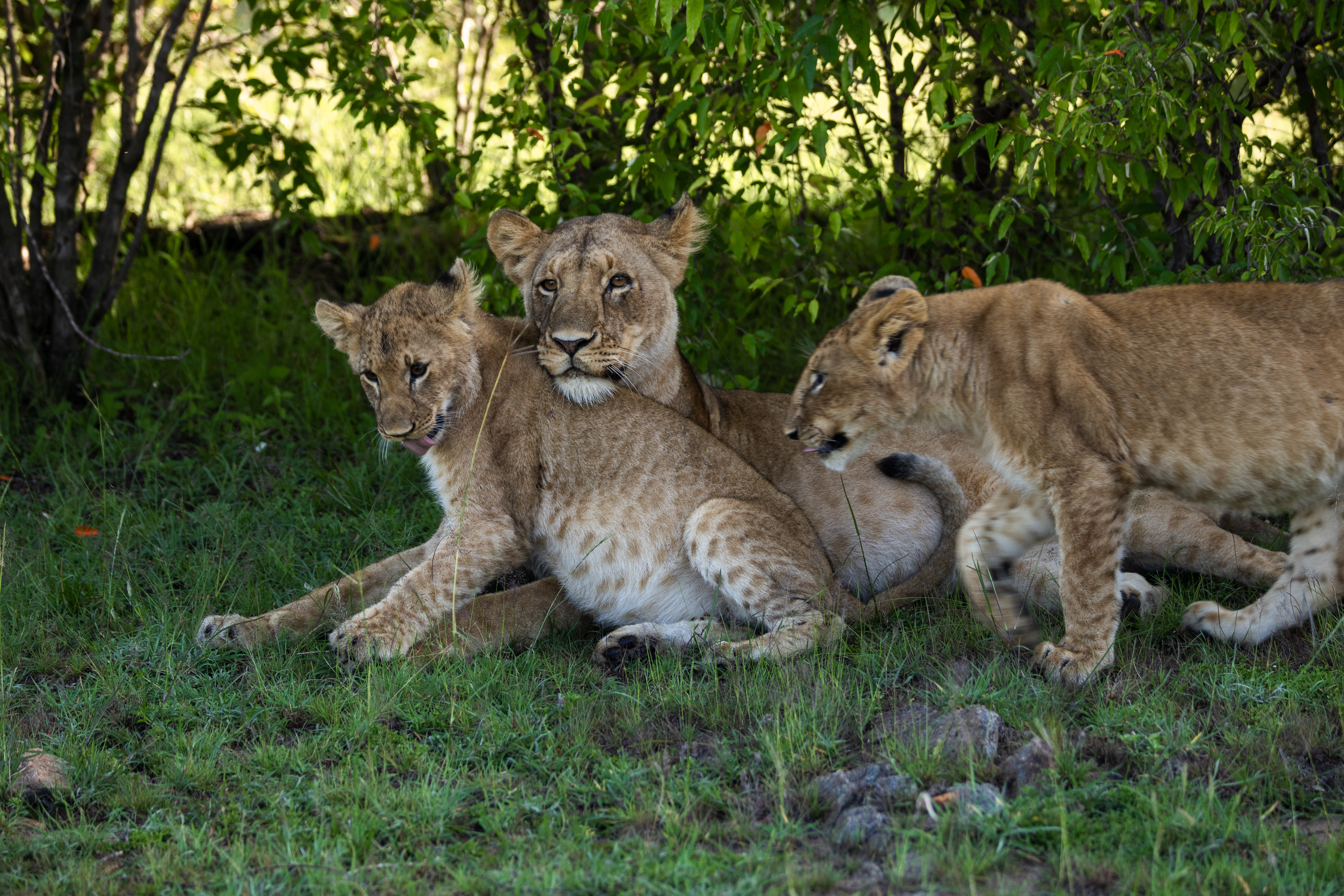
Journey to the Wild: First Impressions of Masai Mara “One cannot resist the lure of Africa.” -Rudyard Kipling We arrived safely after a 40-minute trip on a tiny propeller plane from Nairobi Wilson Airport to Masai Mara Oleikiombo Airport. The landing strip blends seamlessly into the natural surroundings with a sparse dirt runway. The plane touches down gently, stirring up a cloud of dust that quickly settles back onto the sun-baked earth.   Stepping off the plane, the warm African breeze carries the scents of the savannah—a mix of earth, grass, and the distant hint of wildlife. Our guide was already waiting for us. He picked up our bags and took us to the truck. The safari car—a Land Cruiser equipped for the rugged terrain—stands ready to take us deeper into the savannah. As we loaded our bags and settled into the open-air truck, our guide started sharing stories and insights, setting the stage for our fantastic adventure. The thrill of our first safari trip was palpable. The first animal we spotted was a hyena on our way to the Base Camp Lodge. The drive to the lodge was an exciting preview of the wildlife that awaited us, from giraffes and zebras to springboks and hartebeests. It was about noon when we arrived at the Base Camp Lodge, and our guide told us he would be back at 4 p.m. to take us on our first game drive, promising more unexpected and thrilling encounters. Our Masai guide, Steve, arrived on time for our first game drive. Upon leaving the camp, a diverse array of wildlife, including hyenas, giraffes, gazelles, cape buffalo, and topi (exclusive to the Mara and Serengeti), immediately greeted us. We also spotted a Thompson’s gazelle, a warthog, a corybant, an Elan, and a lilac-breasted roller, Kenya’s national bird. Each sighting of these exquisite animals was a testament to the region’s rich biodiversity. What is special about the Masai Mara? The Masai Mara boasts a breathtaking tapestry of wild, rugged landscapes, friendly locals, and distinctive large and small wildlife. Renowned for the spectacular Great Migration, the Mara attracts 1.5 million wildebeests, along with hundreds of thousands of zebras and other herbivores, to its vast savannahs annually from July to October. This awe-inspiring event, considered one of the Seven New Wonders of the World, is a testament to the region’s rich biodiversity and the interconnectedness of its ecosystems. The beauty of the African landscape is truly inspiring. In the Masai Mara, black rhinos are the rarest of the African Big Five. Until recently, it was thought that the Mara only had the African Big Four. Spotting these elusive creatures added more anticipation to our safari experience. The Savannah came alive with a symphony of sounds. The air was filled with the melodious chirps of birds and wind blowing through the tall grass, adding to the sense of being truly in the wild. In the distance, the occasional grunt of a wildebeest or the bark of a zebra served as a reminder of the incredible wildlife that inhabited this land. Experiencing our first herd of elephants was an unforgettable experience. We were amazed by these beautiful animals’ sheer size and ease. We had six game drives between the Masai Mara and the Naboisho Conservancy. In the first two game drives, we saw four of the Big Five, a term coined by big-game hunters to refer to the most challenging animals to hunt on foot. These include the lion, leopard, elephant, rhinoceros, and Cape buffalo. It was truly an unforgettable sight watching these majestic creatures! The Zebras Zebra: “There’s no limit to how much you’ll know, depending on how far beyond zebra you go.” Dr. Seuss Zebras are the most accessible animals to identify; seeing them is always a treat! Zebras graze peacefully, and their black and white stripes create a striking pattern against the golden grass. Occasionally, you may spot them roughhousing with each other. We came across a heartwarming scene that epitomized the beauty of motherhood in the wild. A tiny foal stood close to her mother, nestled within a small herd of zebras, seeking comfort and nourishment. The bond between mother and baby unfolded as we watched in quiet reverence. At that moment, the world around us faded into the background as we witnessed the timeless bond between mother and child, a bond that transcended species and spoke to the universal language of love. On the game drives, we must have seen hundreds of zebras and wildebeests in one place that looked like a mini-migration! The Giraffes Our first encounter with the inhabitants of the Masai Mara filled us with awe. A tower of giraffes, with their long, elegant necks reaching for the tender leaves of the acacia trees, epitomized the grace and elegance of African wildlife. Their gentle movements as they navigated the savannah were a testament to the harmony and beauty of life in the wild. Among the sea of giraffes, we once again spotted mother giraffes leaning down to bestow gentle kisses on their young calves and a baby giraffe sipping milk from its mother. We felt a profound sense of joy for the opportunity to bear witness to such extraordinary moments. The sight of giraffes engaging in their iconic pose never fails to mesmerize. With their long necks gracefully intertwined, they create a breathtaking tableau that speaks to the beauty and harmony of the natural world. It’s not just about physical proximity; it’s about connection and companionship. As we continue our safari through the Masai Mara, we carry the memory of giraffes in their iconic pose, a symbol of the profound connection that unites all living beings in the circle of life. More Lions We saw at least 40 lions, lionesses, and cubs from different parks, and they were all enchanting. Lions come out of the bush—first the lioness, then their cubs. We watched in breathless silence as a pride of lions lounged beneath the shade of a thorn tree, their golden coats shimmering

Journey to the Wild: First Impressions of Masai Mara Read More »
The Ultimate Safari: Comparing Stays at Masai Mara and Naboisho Conservancy

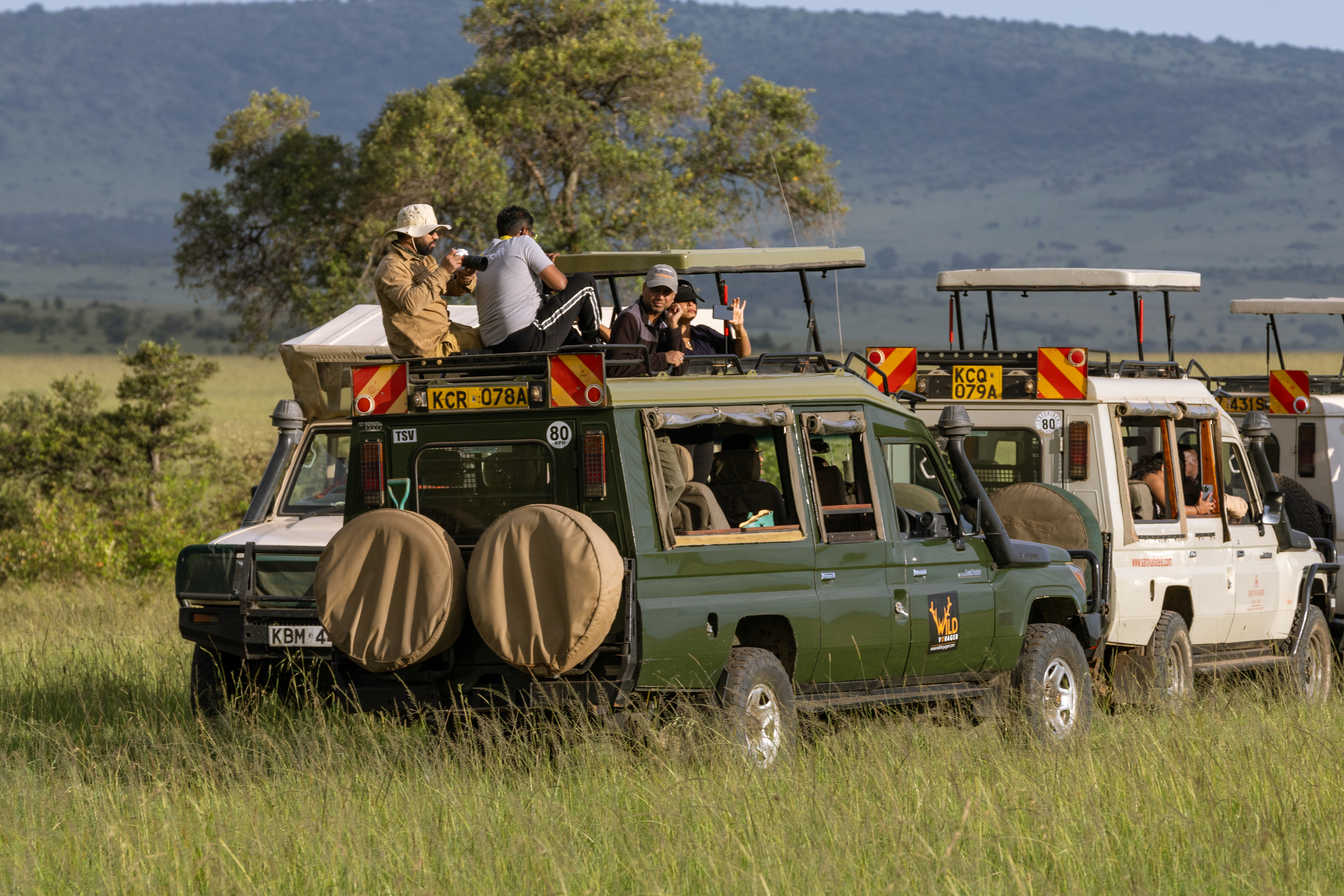
Masai Mara Reserve The Masai Mara Reserve is one of Africa’s most famous and rich wildlife regions. It is located in southwestern Kenya, bordering Tanzania’s Serengeti National Park. The Masai Mara Reserve is a public park; anyone can enter and tour it. Many tour operators offer safari tours; this is where my research on Kenyan safaris started. The Masai Mara is home to a kaleidoscope of wild and rocky landscapes, warm and hospitable Masai people, and a fantastic diversity of large and tiny animals. It is world-famous for hosting the dramatic Great Migration, which brings 1.5 million wildebeests to its expansive savannahs every July through October. The Mara also supports about 95 animal species and almost 550 bird species. The Mara is home to the African Big Five—lions, elephants, rhinoceroses, Cape buffalo, and leopards. The Masai Mara National Reserve is one of the few national reserves in Africa that is fortunate enough to host all of “The Big Five.” However, spotting rhinos and leopards can be as challenging as finding gold! The Masai Mara National Reserve is the “Home of the Big Cats” (lions, leopards, and cheetahs). It is famous for having the most significant number of big cats in East Africa and worldwide, delivering exceptional sightings and unrivaled cat encounters. Park Entrance Fee: Visitors pay park entrance fees to support conservation efforts and sustain the park’s ecosystem. As of January 1, 2024, the Masai Mara National Reserve has two different entry fee structures based on the travel season: January 1–June 30: Non-resident adults pay $100 per day, children ages 9–17 pay $50 per day, and students and citizens of Masai Mara pay different rates. July 1–December 31: Non-resident adults pay $200 per day, children ages 9–17 pay $50 per day, and students and citizens of Masai Mara pay different rates. Children aged eight and under receive free admission. Conservancy Private conservancies, such as the Naboisho Conservancy, are not just areas of land set aside for wildlife conservation. The Masai people own these exclusive havens, and local organizations or private businesses run them. Though smaller than the Masai Mara Reserve, these conservancies offer a more intimate and personalized safari experience, making you feel like a privileged guest in the heart of the wild. The Naboisho Conservancy consists of 50,000 acres of pristine wildlife territory and spectacular scenery in the Great Rift Valley. Situated within the greater Mara Region, it borders Mara National Reserve to the southwest, Olare Motorogi Conservancy to the west, and Ol Kinyei Conservancy to the east. The number of tourists at the Mara Naboisho Conservancy is limited—about 100 people at any given time, ensuring you’re not just another vehicle in a crowd. You might find yourself the only one around, enjoying unspoiled views of the wildlife. The Conservancy is home to one of Africa’s highest populations of lions. Their passionate and knowledgeable guides promise a memorable and thrilling time. The Conservancy supports land and wildlife conservation while generating wealth for Masai landowners. By visiting Mara Naboisho, you contribute to protecting the cultural heritage of the local Masai people and improving access to their vital services. Spanning 145 square kilometers, Mara Naboisho Conservancy is the second-largest Masai Mara region and has one of the highest wildlife concentrations in the region. Its rolling hills, riverine acacia woodlands, and sprawling grasslands host elephants, giraffes, wildebeests, and many lions. With only nine safari camps, it offers an exclusive safari that is free from crowds and provides a more authentic feel. Due to the limited number of accommodations, booking early is essential, especially during the peak travel season from July to October. Each camp and lodge offers unique qualities, ensuring a comfortable, satisfying, and exceptional safari experience. What are the differences between staying at Masai Mara Reserve and Naboisho Conservancy? Access The Masai Mara Reserve is open to the public, meaning there are more tourists. Such activity positively affects the wildlife, as they are familiar with humans’ presence. The reserve accommodates both day and overnight visitors, guided and unguided. Guests staying at the conservancy can interact closely with the wildlife. For instance, at a big cat sighting in the Masai Mara Reserve, you might see 20 to 30 cars, and sometimes even more. Most of the time, you will only see three or four vehicles at a time in a private reserve. Private conservancies only let a certain number of people in each day, and park tourists are not allowed to stay there all day. During the day, people who remain in private conservancies can visit the reserve. However, this isn’t the case; only those residing in conservancies can access safaris. Game Drives The reserve has strict rules about where you can go and what you can do on a game drive. The Masai Mara Reserve restricts game drives to the main road only during daylight hours. Your guide must stay on the road and not get too close to the animals. However, the reserve is the best place to see the famous river crossings of the Great Migration in July. Game Drive at Masai Mara National Reserve The Naboisho Conservancy permits guides to drive off-road, allowing visitors to get closer to the animals. There is a limit on the number of cars at each location. The scenery makes it easier to see the animals and enhances viewing enjoyment. Naboisho Conservancy Game Drive Night Drives While the Reserve prohibits night drives, private conservancies like Naboisho permit them. Every safari-goer should have the exciting encounter of seeing nighttime animals like leopards prowling at night at least once. On our night game drive, we saw an unforgettable leopard! Walking Safaris Only private conservancies, not the Masai Mara Reserve, allow walking safaris. Exploring the bush on foot offers a new perspective and lets you learn about the smaller creatures and plants often overlooked during game drives. Accommodations The Masai Mara Reserve has various properties, from camps and lodges to beautiful luxury properties. Accommodations in private conservancies offer a more luxurious and personalized feel. These

The Ultimate Safari: Comparing Stays at Masai Mara and Naboisho Conservancy Read More »

Scroll to Top