Cristy

Adventure Drive to Swakopmund: 4Wheeling in the Sand Dunes

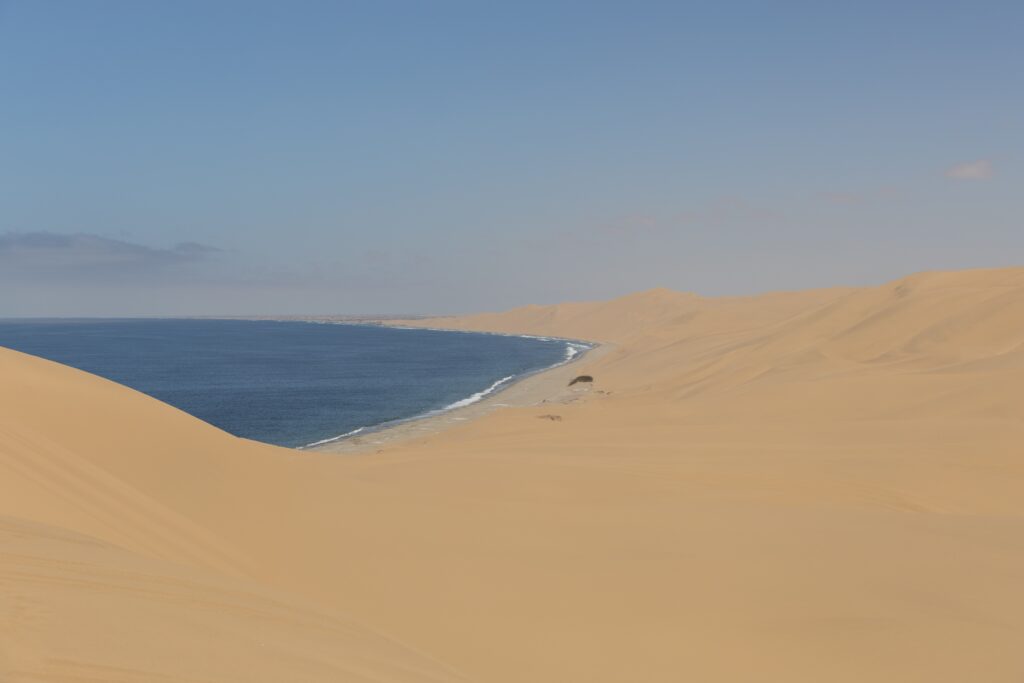
Adventure Drive to Swakopmund: 4-Wheeling in the Sand Dunes The drive from Etosha National Park to Swakopmund offers a fascinating transition from the arid savannah landscapes to the coastal desert toward the Atlantic Ocean. This drive covers a considerable 500 kilometers. The drive was arduous, and we were the only cars on the road for hours. The landscape changes dramatically along the way. The Jimny keeps chugging along, and its rugged wheels grip Namibia’s endless gravel road. The drive never ceases to enthrall and inspire, even though the horizon is farther than you can see. As we venture southwest, the terrain gradually transforms into a scene of rugged mountains and dramatic rock formations. The never-ending gravel road stretches ahead, cutting through the heart of the Namib Desert, where the shifting sands create an ever-changing mosaic of dunes and shadows. The only sound in the eerie silence of the desert’s vastness is the soft hum of the Jimny tires on the gravel. We tried to find local radio stations, saving our phone batteries, but only found deafeningly unexpected American music on the radio; it was Bruno Mars’s song, ‘Grenade.’ Approaching Swakopmund, the distant sound of the Atlantic Ocean becomes a soothing melody, and the temperature drops nicely, signaling the proximity to the coast. The landscape undergoes another metamorphosis as the dunes give way to the seaside town’s cool breezes and misty air. Swakopmund emerges on the horizon with its colonial architecture and palm-lined streets, a refreshing oasis between the desert and the Atlantic Ocean. Desert Breeze is our Swakopmund home, offering an uninterrupted view of the ancient Namib Desert. The resort is a short drive from central Swakopmund. Its position above the Swakop River overlooks the apricot dune sea and offers the ultimate desert experience.    One of the world’s oldest deserts, the Namib Desert, meets the Atlantic Ocean in northern Namibia. Namib translates to “vast place,” a suitable description for the miles of beach and dunes this collision stretches along. During our stay in Swakop, we hired a driver and guide via our accommodations. Our first stop was to see the Zeila ‘shipwreck’ along Namibia’s Skeleton Coast. The Zeila was a fishing trawler sold as scrap metal to an Indian company. On its way to Bombay, India, the fishing vessel became stranded after it came loose from its towing line. The scrapping company decided to forget about it, letting it drift to its final resting place on the coast of Namibia. Then, we drove down to Walvis Bay Lagoon to see the flamingos. The Walvis Bay lagoon is a Ramsar wetland of international importance, providing crucial habitat for a diverse range of bird species, including many flamingos. The flamingos in Walvis Bay are predominantly Greater Flamingos. These elegant birds are known for their distinctive pink plumage, long necks, and characteristic bill shape. The pink colors of the flamingos result from pigments in the food they consume, such as algae and crustaceans, which contain carotenoids. The Namibian coastline is 1,400 kilometers long. There are only two natural harbors, Lüderitz Bay and Walvis Bay; the rest is a barren coast with no fresh water and plenty of fog, appropriately named the “Skeleton Coast.”  The fun began when we started four-wheeling on the high dunes of Sandwich Harbor, where the Namib desert meets the cold waters of the South Atlantic Ocean. We drove on the narrow beach between the dunes and the waves of the Atlantic Ocean. I never thought we would get through these narrows; it was exhilarating! You can only navigate these strips at low tide. At high tide, the ocean reclaims the stretch of beach and eliminates all traces of vehicles. We were lucky; it was a perfect day! The dunes were breathtaking. Our 4×4 went straight down, across, and back up like a rollercoaster. It is an exhilarating and immersive experience that allows us to explore the stunning landscapes, unique ecosystems, and diverse wildlife of one of the world’s oldest deserts. The experience was truly exhilarating! Sandwich Harbour boasts two distinct wetlands and associated mudflats. One is aquifer-fed and supports typical emergent vegetation but is slowly disappearing due to natural causes. Under the tidal influence, the second consists of mudflats and raised shingle bars. Wedged between the sea and the Namib Dunes, it is one of Namibia’s most important coastal wetlands, supporting eight endangered species among many wading birds. We saw the lagoon area from one of the many beautiful lookout spots and had time to walk and explore. We had lots of time to stop along the way to take pictures.  We climbed the high dunes for a spectacular view of Sandwich Harbor Lagoon. Sand waterfalls result from the “cliffs” of sand that the ocean’s high tide waves have created, eroding once more with the sun and wind. High tides can hamper access to the lagoon, but today is a wonderful day.  We saw springbok, ostrich, jackals, and raptors such as Peregrine Falcons, Pale Chanting Goshawks, and Black-breasted Snake Eagles. We passed the remnants of an abandoned town, now buried up to the roof in the sand, with waves washing away any remaining wood structures.  Finally, we found the perfect spot to take a lunch break. Our guide prepared our lunch on a folding table and chairs at the beach. We picked up a box of freshly harvested oysters from Nami Oysters. The oysters are delicious; you can taste the ocean with every bite! Recommendations: The Desert Breeze Resort is one of the best places we have stayed in Namibia. Our room had big windows with a fantastic view of the Namib Desert. Our deck overlooks the desert, a path that leads down to the dunes, and an area across the riverbed where you can enjoy your sundowner on the dune. The chef deliciously prepared breakfast the next day, including our accommodations. Author: CristyPhoto Credit: Nathan Stories from the Road Every journey has another story waiting to be discovered. Explore more experiences, cultures, wildlife, and people from around

Adventure Drive to Swakopmund: 4Wheeling in the Sand Dunes Read More »
Nairobi’s Giraffe Center: An Exciting and Educational Day Out

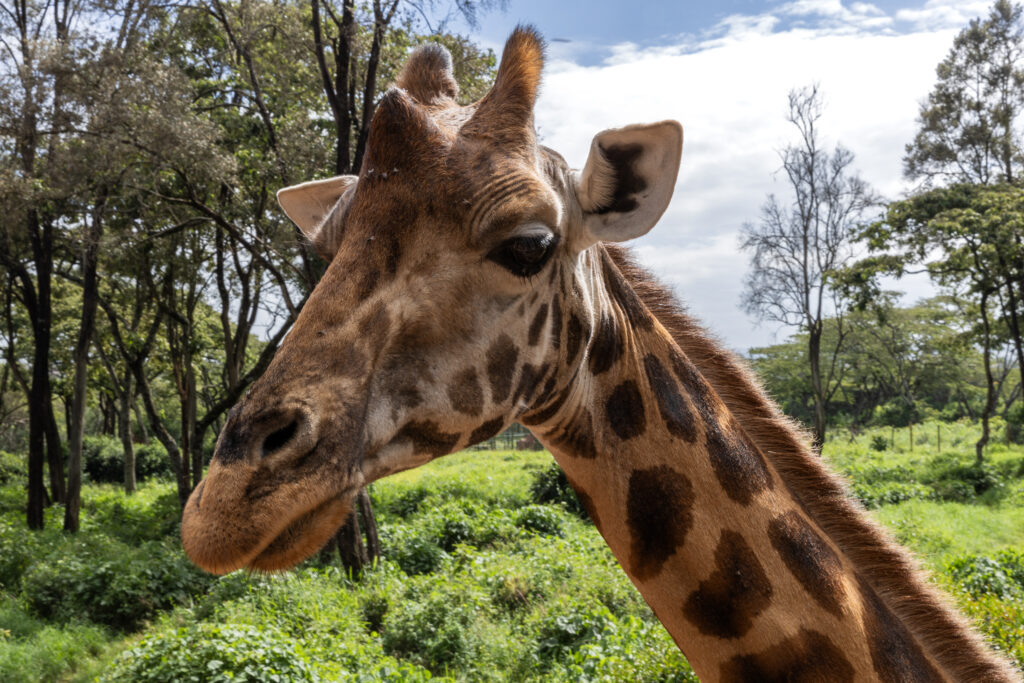
Nairobi’s Giraffe Center: An Exciting and Educational Day Out The Nairobi Giraffe Center is an exciting and educational day out with the family. You can see Africa’s most famous animals and have a fun and instructive adventure. It is located in the green suburb of Lang’ata, only a short drive from the city center of Nairobi. The organization dedicates itself to safeguarding the endangered Rothschild giraffe. The Giraffe Center is open from 09:00 to 17:00 daily, including weekends and all public holidays. For non-resident visitors, it costs Ksh 1,500 per adult and Ksh 750 per child aged 3–12. For Kenyan residents, it is Ksh 400 per adult and Ksh 200 per child. Children under 3 are free. There is no need to reserve your tickets beforehand; you can buy your tickets upon arrival. However, they only accept payment in M-Pesa, Visa, or Mastercard at the gate. Feed the giraffes! One of the most thrilling aspects of your visit is the chance to feed the giraffes. Upon arrival, you’ll be handed a complimentary bowl of food pellets to feed the giraffes, or you can purchase more at the entrance. With their long, prehensile tongues, the giraffes eagerly accept the pellets directly from your hand, making you both excited and privileged. This encounter is entertaining and makes for a fantastic picture opportunity. The well-informed personnel at the center explain the giraffes’ diet, habits, and conservation activities aimed at protecting them. Visitors may get up close and personal with the giraffes at the Giraffe Center’s viewing platform. Younger guests love this vantage point since it gives them a different look than the giraffes. You can also find a short nature path where you can go for a stroll while taking in the sights and sounds of the area’s native plants and animals.  But watch out that you don’t irritate them! One giraffe, in particular, has a strong dislike for children. The ranger sternly told the misbehaving children to quiet down and quit bothering the giraffe. According to him, this particular giraffe was cranky and didn’t particularly like kids. So, what did the kids do? They disregarded the guide’s instructions and seemingly teased the giraffe while offering their pellets. The seemingly innocent disregard provoked the old giraffe, and the giraffe retaliated. She turned on these children and began hitting the children with her head! Lessons Learned. Taking the kids to Nairobi’s Giraffe Center will surely be an unforgettable and enjoyable day out. Anyone visiting Nairobi should visit the Giraffe Center, where they can feed the animals and engage with them pleasantly and instructively.  For the ultimate giraffe experience, and if you have extra money, consider staying at the renowned Giraffe Manor. This unique opportunity will surely leave you feeling intrigued and excited. While staying at the Giraffe Manor, you could see the resident herd of Rothschild’s giraffes peeking through your windows in hopes of a treat before retreating to their sanctuary. The giraffes expect guests to share their breakfast and then wander back to the center for the rest of the day. The Giraffe Center provides an excellent opportunity to engage with nature while contributing to vital conservation initiatives. It is an ideal destination for anybody seeking a one-of-a-kind experience, whether they are animal lovers, conservationists, or adventure seekers. Going to the Giraffe Center is a must, regardless of whether you’re traveling with kids. Author: CristyPhoto Credit: Nathan Stories from the Road Every journey has another story waiting to be discovered. Explore more experiences, cultures, wildlife, and people from around the world. EXPLORE ALL STORIES

Nairobi’s Giraffe Center: An Exciting and Educational Day Out Read More »

Journey to the Wild: First Impressions of Masai Mara

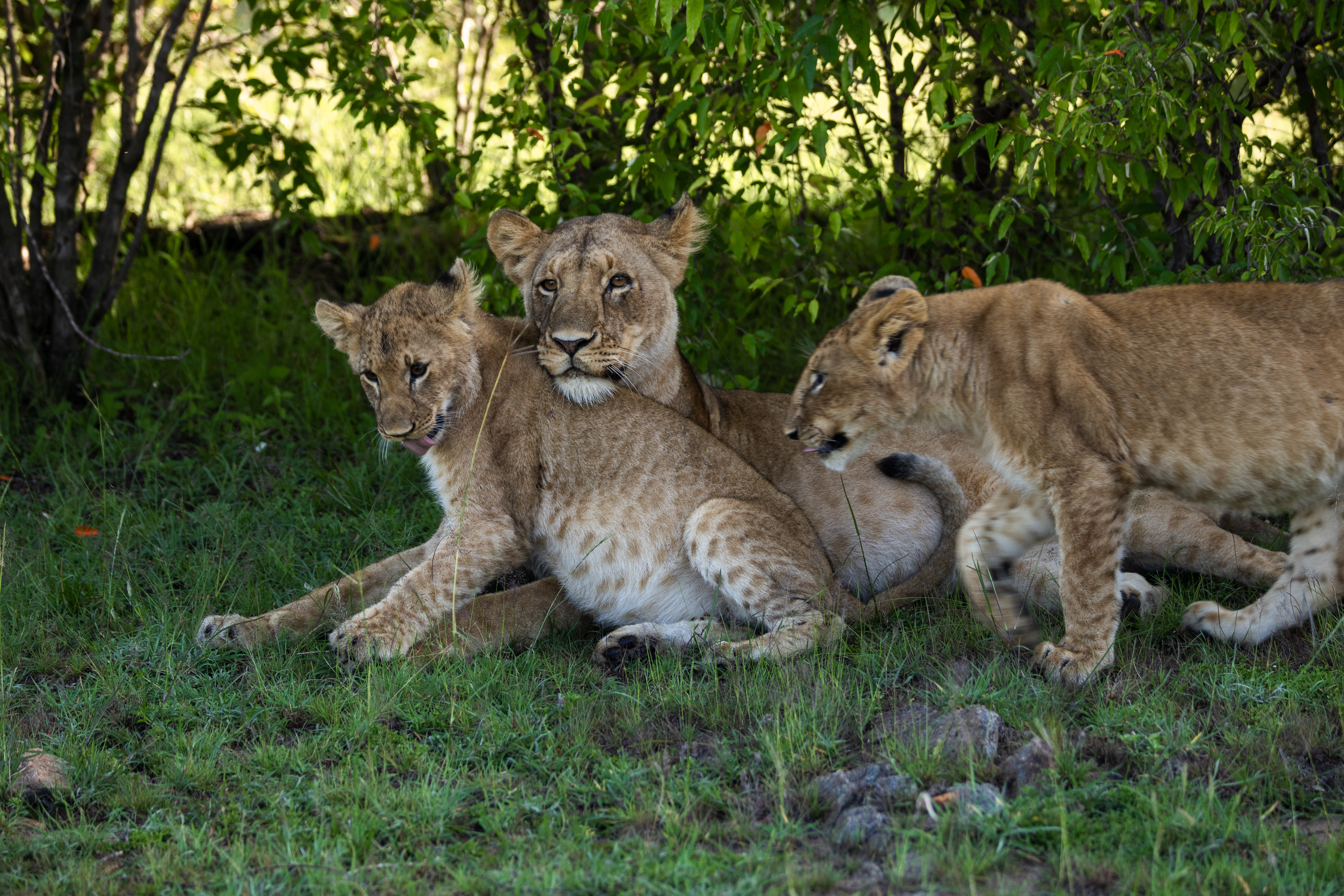
Journey to the Wild: First Impressions of Masai Mara “One cannot resist the lure of Africa.” -Rudyard Kipling We arrived safely after a 40-minute trip on a tiny propeller plane from Nairobi Wilson Airport to Masai Mara Oleikiombo Airport. The landing strip blends seamlessly into the natural surroundings with a sparse dirt runway. The plane touches down gently, stirring up a cloud of dust that quickly settles back onto the sun-baked earth.   Stepping off the plane, the warm African breeze carries the scents of the savannah—a mix of earth, grass, and the distant hint of wildlife. Our guide was already waiting for us. He picked up our bags and took us to the truck. The safari car—a Land Cruiser equipped for the rugged terrain—stands ready to take us deeper into the savannah. As we loaded our bags and settled into the open-air truck, our guide started sharing stories and insights, setting the stage for our fantastic adventure. The thrill of our first safari trip was palpable. The first animal we spotted was a hyena on our way to the Base Camp Lodge. The drive to the lodge was an exciting preview of the wildlife that awaited us, from giraffes and zebras to springboks and hartebeests. It was about noon when we arrived at the Base Camp Lodge, and our guide told us he would be back at 4 p.m. to take us on our first game drive, promising more unexpected and thrilling encounters. Our Masai guide, Steve, arrived on time for our first game drive. Upon leaving the camp, a diverse array of wildlife, including hyenas, giraffes, gazelles, cape buffalo, and topi (exclusive to the Mara and Serengeti), immediately greeted us. We also spotted a Thompson’s gazelle, a warthog, a corybant, an Elan, and a lilac-breasted roller, Kenya’s national bird. Each sighting of these exquisite animals was a testament to the region’s rich biodiversity. What is special about the Masai Mara? The Masai Mara boasts a breathtaking tapestry of wild, rugged landscapes, friendly locals, and distinctive large and small wildlife. Renowned for the spectacular Great Migration, the Mara attracts 1.5 million wildebeests, along with hundreds of thousands of zebras and other herbivores, to its vast savannahs annually from July to October. This awe-inspiring event, considered one of the Seven New Wonders of the World, is a testament to the region’s rich biodiversity and the interconnectedness of its ecosystems. The beauty of the African landscape is truly inspiring. In the Masai Mara, black rhinos are the rarest of the African Big Five. Until recently, it was thought that the Mara only had the African Big Four. Spotting these elusive creatures added more anticipation to our safari experience. The Savannah came alive with a symphony of sounds. The air was filled with the melodious chirps of birds and wind blowing through the tall grass, adding to the sense of being truly in the wild. In the distance, the occasional grunt of a wildebeest or the bark of a zebra served as a reminder of the incredible wildlife that inhabited this land. Experiencing our first herd of elephants was an unforgettable experience. We were amazed by these beautiful animals’ sheer size and ease. We had six game drives between the Masai Mara and the Naboisho Conservancy. In the first two game drives, we saw four of the Big Five, a term coined by big-game hunters to refer to the most challenging animals to hunt on foot. These include the lion, leopard, elephant, rhinoceros, and Cape buffalo. It was truly an unforgettable sight watching these majestic creatures! The Zebras Zebra: “There’s no limit to how much you’ll know, depending on how far beyond zebra you go.” Dr. Seuss Zebras are the most accessible animals to identify; seeing them is always a treat! Zebras graze peacefully, and their black and white stripes create a striking pattern against the golden grass. Occasionally, you may spot them roughhousing with each other. We came across a heartwarming scene that epitomized the beauty of motherhood in the wild. A tiny foal stood close to her mother, nestled within a small herd of zebras, seeking comfort and nourishment. The bond between mother and baby unfolded as we watched in quiet reverence. At that moment, the world around us faded into the background as we witnessed the timeless bond between mother and child, a bond that transcended species and spoke to the universal language of love. On the game drives, we must have seen hundreds of zebras and wildebeests in one place that looked like a mini-migration! The Giraffes Our first encounter with the inhabitants of the Masai Mara filled us with awe. A tower of giraffes, with their long, elegant necks reaching for the tender leaves of the acacia trees, epitomized the grace and elegance of African wildlife. Their gentle movements as they navigated the savannah were a testament to the harmony and beauty of life in the wild. Among the sea of giraffes, we once again spotted mother giraffes leaning down to bestow gentle kisses on their young calves and a baby giraffe sipping milk from its mother. We felt a profound sense of joy for the opportunity to bear witness to such extraordinary moments. The sight of giraffes engaging in their iconic pose never fails to mesmerize. With their long necks gracefully intertwined, they create a breathtaking tableau that speaks to the beauty and harmony of the natural world. It’s not just about physical proximity; it’s about connection and companionship. As we continue our safari through the Masai Mara, we carry the memory of giraffes in their iconic pose, a symbol of the profound connection that unites all living beings in the circle of life. More Lions We saw at least 40 lions, lionesses, and cubs from different parks, and they were all enchanting. Lions come out of the bush—first the lioness, then their cubs. We watched in breathless silence as a pride of lions lounged beneath the shade of a thorn tree, their golden coats shimmering

Journey to the Wild: First Impressions of Masai Mara Read More »

The Ultimate Safari: Comparing Stays at Masai Mara and Naboisho Conservancy

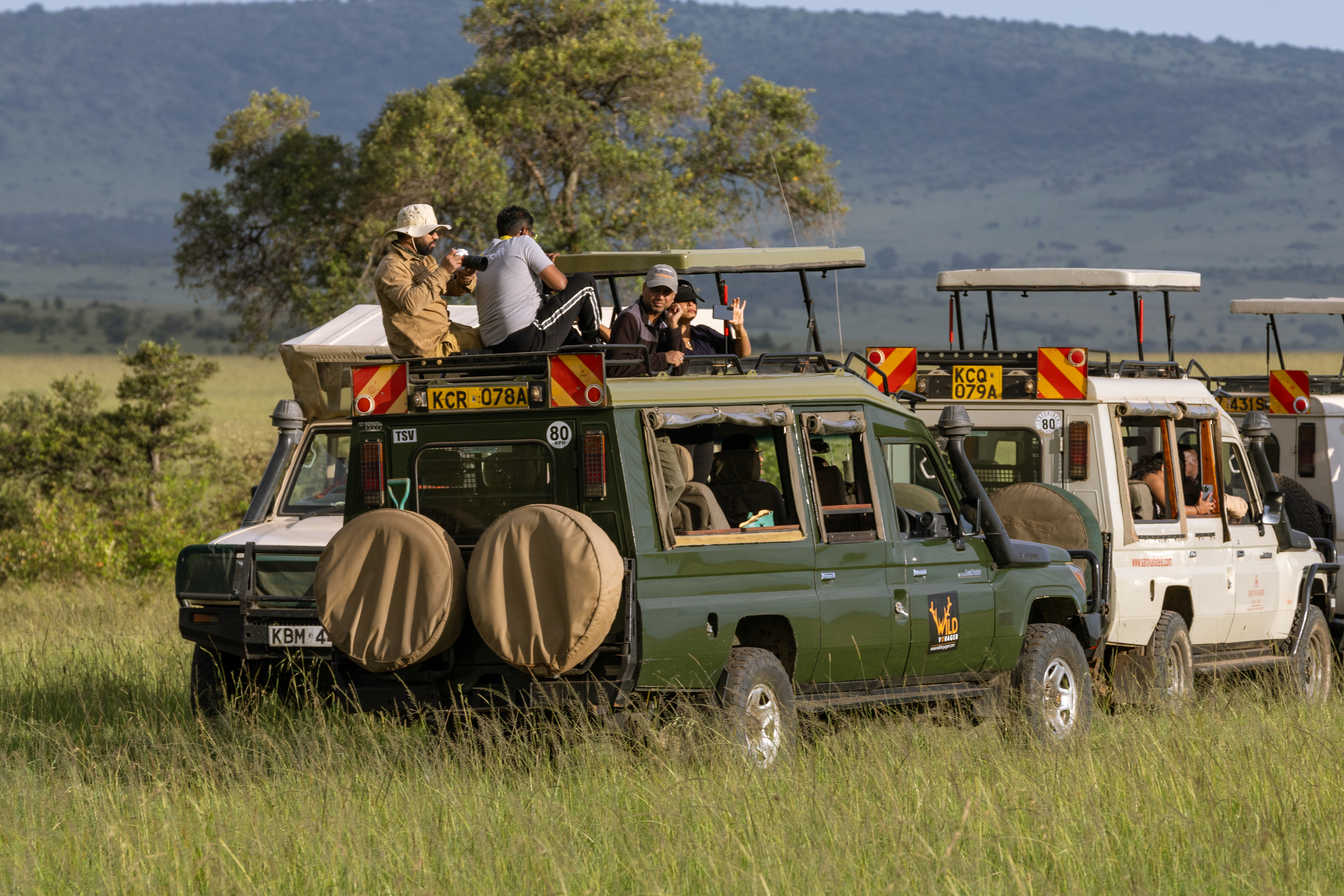
Masai Mara Reserve The Masai Mara Reserve is one of Africa’s most famous and rich wildlife regions. It is located in southwestern Kenya, bordering Tanzania’s Serengeti National Park. The Masai Mara Reserve is a public park; anyone can enter and tour it. Many tour operators offer safari tours; this is where my research on Kenyan safaris started. The Masai Mara is home to a kaleidoscope of wild and rocky landscapes, warm and hospitable Masai people, and a fantastic diversity of large and tiny animals. It is world-famous for hosting the dramatic Great Migration, which brings 1.5 million wildebeests to its expansive savannahs every July through October. The Mara also supports about 95 animal species and almost 550 bird species. The Mara is home to the African Big Five—lions, elephants, rhinoceroses, Cape buffalo, and leopards. The Masai Mara National Reserve is one of the few national reserves in Africa that is fortunate enough to host all of “The Big Five.” However, spotting rhinos and leopards can be as challenging as finding gold! The Masai Mara National Reserve is the “Home of the Big Cats” (lions, leopards, and cheetahs). It is famous for having the most significant number of big cats in East Africa and worldwide, delivering exceptional sightings and unrivaled cat encounters. Park Entrance Fee: Visitors pay park entrance fees to support conservation efforts and sustain the park’s ecosystem. As of January 1, 2024, the Masai Mara National Reserve has two different entry fee structures based on the travel season: January 1–June 30: Non-resident adults pay $100 per day, children ages 9–17 pay $50 per day, and students and citizens of Masai Mara pay different rates. July 1–December 31: Non-resident adults pay $200 per day, children ages 9–17 pay $50 per day, and students and citizens of Masai Mara pay different rates. Children aged eight and under receive free admission. Conservancy Private conservancies, such as the Naboisho Conservancy, are not just areas of land set aside for wildlife conservation. The Masai people own these exclusive havens, and local organizations or private businesses run them. Though smaller than the Masai Mara Reserve, these conservancies offer a more intimate and personalized safari experience, making you feel like a privileged guest in the heart of the wild. The Naboisho Conservancy consists of 50,000 acres of pristine wildlife territory and spectacular scenery in the Great Rift Valley. Situated within the greater Mara Region, it borders Mara National Reserve to the southwest, Olare Motorogi Conservancy to the west, and Ol Kinyei Conservancy to the east. The number of tourists at the Mara Naboisho Conservancy is limited—about 100 people at any given time, ensuring you’re not just another vehicle in a crowd. You might find yourself the only one around, enjoying unspoiled views of the wildlife. The Conservancy is home to one of Africa’s highest populations of lions. Their passionate and knowledgeable guides promise a memorable and thrilling time. The Conservancy supports land and wildlife conservation while generating wealth for Masai landowners. By visiting Mara Naboisho, you contribute to protecting the cultural heritage of the local Masai people and improving access to their vital services. Spanning 145 square kilometers, Mara Naboisho Conservancy is the second-largest Masai Mara region and has one of the highest wildlife concentrations in the region. Its rolling hills, riverine acacia woodlands, and sprawling grasslands host elephants, giraffes, wildebeests, and many lions. With only nine safari camps, it offers an exclusive safari that is free from crowds and provides a more authentic feel. Due to the limited number of accommodations, booking early is essential, especially during the peak travel season from July to October. Each camp and lodge offers unique qualities, ensuring a comfortable, satisfying, and exceptional safari experience. What are the differences between staying at Masai Mara Reserve and Naboisho Conservancy? Access The Masai Mara Reserve is open to the public, meaning there are more tourists. Such activity positively affects the wildlife, as they are familiar with humans’ presence. The reserve accommodates both day and overnight visitors, guided and unguided. Guests staying at the conservancy can interact closely with the wildlife. For instance, at a big cat sighting in the Masai Mara Reserve, you might see 20 to 30 cars, and sometimes even more. Most of the time, you will only see three or four vehicles at a time in a private reserve. Private conservancies only let a certain number of people in each day, and park tourists are not allowed to stay there all day. During the day, people who remain in private conservancies can visit the reserve. However, this isn’t the case; only those residing in conservancies can access safaris. Game Drives The reserve has strict rules about where you can go and what you can do on a game drive. The Masai Mara Reserve restricts game drives to the main road only during daylight hours. Your guide must stay on the road and not get too close to the animals. However, the reserve is the best place to see the famous river crossings of the Great Migration in July. Game Drive at Masai Mara National Reserve The Naboisho Conservancy permits guides to drive off-road, allowing visitors to get closer to the animals. There is a limit on the number of cars at each location. The scenery makes it easier to see the animals and enhances viewing enjoyment. Naboisho Conservancy Game Drive Night Drives While the Reserve prohibits night drives, private conservancies like Naboisho permit them. Every safari-goer should have the exciting encounter of seeing nighttime animals like leopards prowling at night at least once. On our night game drive, we saw an unforgettable leopard! Walking Safaris Only private conservancies, not the Masai Mara Reserve, allow walking safaris. Exploring the bush on foot offers a new perspective and lets you learn about the smaller creatures and plants often overlooked during game drives. Accommodations The Masai Mara Reserve has various properties, from camps and lodges to beautiful luxury properties. Accommodations in private conservancies offer a more luxurious and personalized feel. These

The Ultimate Safari: Comparing Stays at Masai Mara and Naboisho Conservancy Read More »

Solitaire’s Mystique: A Fascinating Drive from Swakopmund to Sesriem

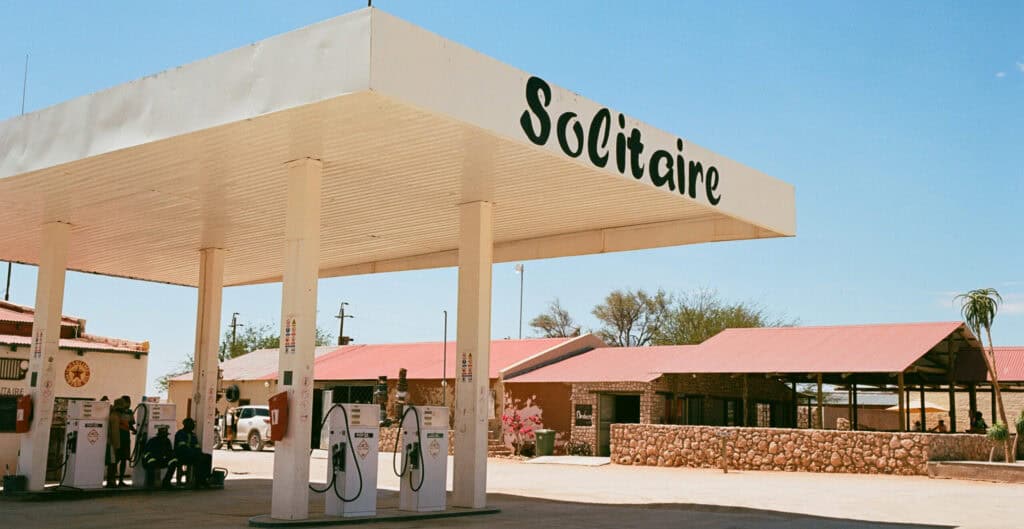
Solitaire’s Mystique: A Fascinating Drive from Swakopmund to Sesriem The drive from Swakopmund to Sesriem along the gravel road unfolds like a cinematic odyssey, revealing the raw beauty of Namibia’s hinterlands. The transition from the coastal haven of Swakopmund to the heart of the Namib Desert is a visual masterpiece, and each kilometer traversed introduces another chapter to our Namibia story.  As the Jimny’s wheels kiss the gravel, the coastal breeze of Swakopmund gradually yields to the barren embrace of the Namib Desert. The gravel road stretches ahead, a sinuous ribbon weaving through an otherworldly landscape of rolling hills and vast horizons. The colors are more intense, painting the surroundings in hues of burnt sienna, ochre, and dusty gold. As we continue the drive, the ever-changing panorama includes occasional encounters with gemsboks, antelopes, and springboks gracefully navigating the arid terrain. Ancient, weathered mountains stand as silent sentinels, their rugged peaks mirroring the resilience of the desert itself.  Stopping in Solitaire  Solitaire, a small town in the heart of the Namib Desert, exudes a quirky and nostalgic charm, creating a captivating oasis in the arid expanse.  As we approach Solitaire, the landscape shifts, revealing the iconic red dunes in the distance. The first sign of Solitaire emerges like a mirage: a collection of weathered cars, vibrant desert flowers, and the iconic red-and-white gas station.  The atmosphere transports us to a bygone era as we arrive at Solitaire. Rusted cars dot the desert landscape, reminiscent of America’s Route 66. The solitary petrol station, a beacon in the vastness, serves as a stop for fuel and whimsical photographs. The locals, known for their warm hospitality, share a few laughs, leaving an enduring mark on our visit. We quickly stopped at Solitaire for gas, lunch, and an apple pie to reach our next destination. As we left Solitaire and resumed our drive to Sesriem, the memories of this desert lingered, adding a touch of anticipation of what awaited us at the world-famous dunes. Author: CristyPhoto Credit: Nathan Stories from the Road Every journey has another story waiting to be discovered. Explore more experiences, cultures, wildlife, and people from around the world. EXPLORE ALL STORIES

Solitaire’s Mystique: A Fascinating Drive from Swakopmund to Sesriem Read More »

Free Things to do in San Francisco – Lands End Trail

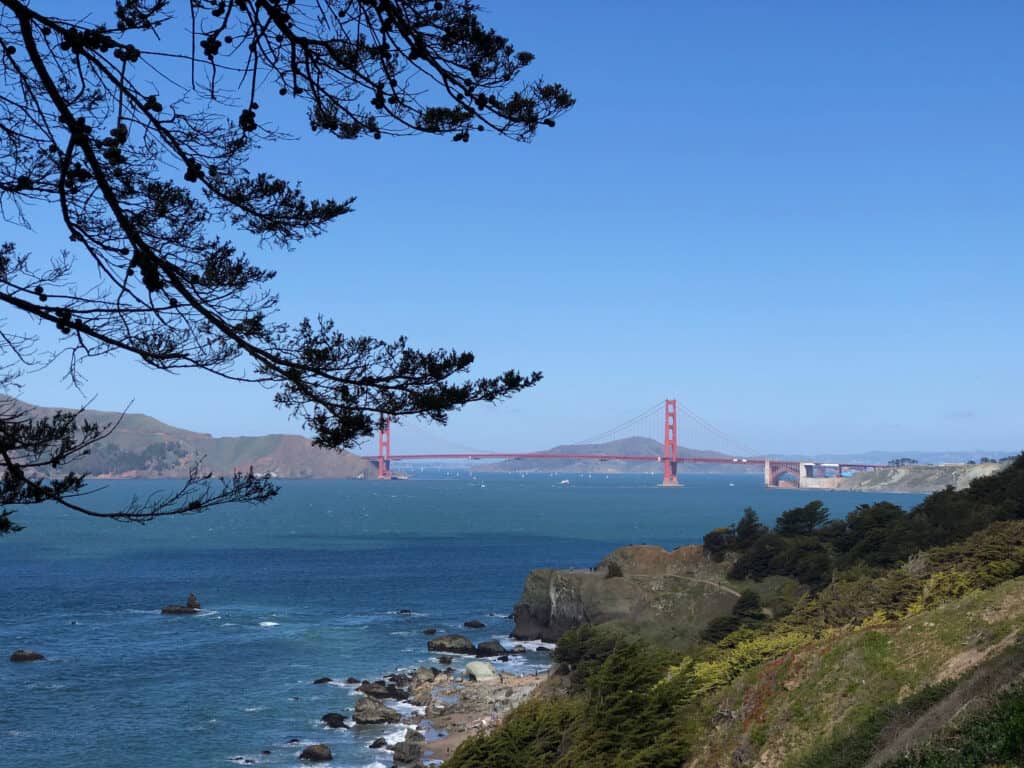
Free Things to do in San Francisco – Lands End Trail One of the many things I love about living in San Francisco is the many excellent hiking and walking trails throughout the city. Since getting rid of my car many years ago, I have been doing my urban walks and exploring different areas of San Francisco. As a native San Franciscan, one of my favorite hiking trails is the Lands End Trail.  At the northwestern corner of San Francisco, the Lands End Trail explores the historic Sutro Baths and offers a brilliant view of the Pacific Ocean. This is the wildest, rockiest corner of San Francisco. Shipwrecks and a history of landslides litter this corner. At the tip of Land’s End is Point Lobos, named by the Spanish for its many lobos marinos (sea wolves), as the barks of those sea lions, as they are called today, drifted up from the rocks below. The trails wind their way around rocky cliffs above the ocean, moving through shady stands of cypress and eucalyptus, offering 30-mile views up and down the California coast and emerging onto fantastic views of the shore, headlands, and the Golden Gate Bridge. Despite the terrain, this section of the Coastal Trail was once a railroad bed, and the adjacent street, El Camino del Mar, extended through Lands End. The two roads led to the Cliff House, Sutro Baths, and Ocean Beach.   The hike itself is moderate, and it is an excellent walk for people of all ages. I have seen older adults, children, families, dog walkers, runners, and joggers using this trail. If you are looking for a more challenging hike, this hike may not be right for you. Although the hike is pretty easy, there are many stairs on the trail, so if you have bad knees or hips, this trail may not be the best for you.  I have been on this trail for years, and it can sometimes get crowded. I visited the Lands End Trail a couple of weeks ago, and while I noticed people present, it didn’t feel crowded. Most everyone wore a mask and respected other people’s spaces. Details 4 miles 300–500 feet of elevation if you take the offshoots Location: 680 Point Lobos Ave., San Francisco, CA 94121 Getting There The trail is accessible from the parking lot at the end of Geary Avenue. There are two main parking lots here, one near the Sutro Baths and another by the memorial. Choose the former if you want to see the baths and do the whole trail; choose the latter if you want a wonderful view of the bridge and have limited time. Note that these parking lots can get busy on the weekends.   Tips & Highlights Contact for more information: Lands End Lookout (415) 426-5240 When hiking in the Golden Gate National Recreation Area, stay on trails and keep your distance from cliffs. Walk north along the city’s edge—and the continent—on the Coastal Trail. Scan San Francisco from the Legion of Honor overlook and return via the El Camino Del Mar Trail. Check out the memorial to the USS San Francisco—a WWII cruiser that sustained 45 hits and 25 fires during the Battle of Guadalcanal in 1942—and the newly improved adjacent overlook. The West Fort Miley batteries offer a grassy picnic area among three turn-of-the-century gun emplacements. Author & Photo Credit: Jojo Stories from the Road Every journey has another story waiting to be discovered. Explore more experiences, cultures, wildlife, and people from around the world. EXPLORE ALL STORIES

Free Things to do in San Francisco – Lands End Trail Read More »

Aurora Nights: The Endless Dance of the Northern Lights

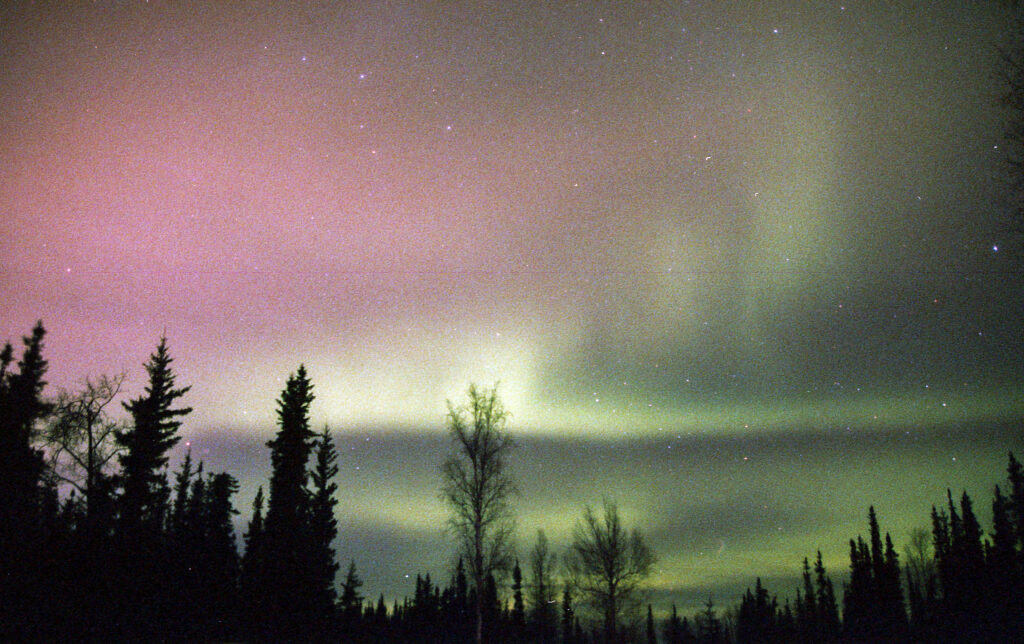
Aurora Nights: The Endless Dance of the Northern Lights The northern lights, also known as the Aurora Borealis, are the light of dawn. The term is derived from Aurora, the goddess of dawn, and Boreas, the northern wind personified. The northern lights appear when the sun’s highly charged solar wind particles collide with air molecules in the Earth’s atmosphere, transferring their energy into light. This occurs around the Polar Regions, where those magnetic fields converge. These magnetic fields create auroral ovals around our planet’s top and bottom, which move and distort as the Earth rotates and solar flare activity increases. They usually occur between 60 and 75 degrees of latitude, covering northern parts of Canada, Norway, Sweden, Finland, Alaska, Russia, and Iceland. Fairbanks, Alaska, is nearby, and it’s cheap for West Coasters to see the Northern Lights. While Norway offers a romantic allure, with Tromso as a premier spot for aurora viewing, Fairbanks sits within the Northern Lights aurora oval, offering a budget-friendly opportunity to witness nature’s stunning light display. According to Space.com, “The next 4 to 5 years will be the best time to see the northern lights this solar cycle. With a promising aurora forecast for the coming years, now is the best time to plan your aurora sightseeing trip.” Initially, our plans for our Fairbanks trip were a long weekend getaway, giving us two chances to catch a glimpse of the Aurora. Of course, there are no guarantees when encountering Mother Nature’s wonders. Amidst my preparations, I stumbled upon a wealth of knowledge embodied in one individual—Amy, the Aurora Borealis Notifications Group curator on Facebook. Despite my persistent inquiries for assurances, her response remained consistent: with clear skies, no light pollution, and a stay for at least five days in Fairbanks, the odds of witnessing the Aurora are greatly enhanced. We chased her at night and slept most of the day! While Fairbanks offers attractions such as the ice sculptures in March, visitors can also drive to North Pole, Alaska, to visit the Christmas store that is open year-round or explore downtown. There are a few excellent places to eat, but little to do. Other travelers may have different interests, such as hiking. It was just too cold for us.  I recommend staying for five days in Fairbanks to increase your chances of seeing the Northern Lights.    Here’s what a 5-day trip to Fairbanks in March looks like.   Day 1: Most flights land either late at night or early in the morning. Ours arrived at 1 a.m. We stayed at Pike’s Waterfront Lodge, which offers airport shuttle services. By 1:30 AM, we were at the hotel. Upon arrival, we heard people exclaiming and running outside, “She’s out there!” Hastily leaving our luggage at the front desk, we dashed outside. It was a mind-blowing moment to witness her presence without any effort on our part. The Aurora dance continued for a while before we realized it was time to check in and catch some sleep. It was already 3:00 in the morning. Her Majesty welcomed us; fortunately, we didn’t have to venture far.    Day 2: We arranged a photography tour with Aaron of Fairbanks Aurora Tour the following evening. While witnessing the Northern Lights is never guaranteed, Aaron assured us he’d try to locate them. Upon picking us up, he warned us we might need to venture far due to cloudy conditions around Fairbanks. He continues to check the weather updates on his phone while driving to our destination. We arrived at our first and second locations, but after discovering it would be cloudy, we moved on. He was an exceptional guide, with knowledge and enthusiasm for the Aurora.  Eventually, we found ourselves seemingly in the middle of nowhere, on the riverbank of the Nenana area. At -10 degrees, the biting cold numbed us, literally and figuratively. The area had fresh snow, so you must be careful not to wander, as you might fall. Well, that was me! I walked and fell! We found a spot, and most group members set up their photo gear, preparing for the Aurora. We had to get a new tripod earlier that day, as ours froze and broke last night while taking photos of the Aurora out in the cold. My son, Nathan, was brave enough to be out in the cold, setting up his new tripod, hoping it would not freeze and break again. He patiently waited in the cold and was ready to shoot when she came out. It was a very long wait. Thankfully, Aaron’s van had reliable heating that warmed some of us. He diligently monitored the weather conditions as we patiently waited for the appearance of the Aurora.  It was 1:30 a.m., and after two hours of anticipation, the Aurora Borealis graced us with her majestic presence, dancing brilliantly before our eyes. We stayed at the riverbank until 4 AM and returned to the hotel at 5:30 AM. We continued to see her on our way back, and she was also visible at the hotel. We were excited and continued to wander around the hotel’s waterfront and gaze at the beautiful Aurora. We can’t get enough!  Although the event was a photography tour, half the people, including me, did not carry big cameras and lenses. Half of the people had their iPhones. This was a group of 10 people in a small van. Everyone coexisted peacefully and complied with the established rules. They also avoided turning on their phone flashlights to prevent light pollution and help adjust their eyes to the dark. Aaron also only used a red light, which is best for changing the eyes to night vision.   Day 3: We reserved two spots with Alaska Aurora Adventure for an Aurora viewing. Heather, the owner, graciously fetched us from our hotel and whisked us to the North Pole. They are a full-fledged tour operator with cozy cabins where you can hunker down for prime Aurora viewing. You can rent a cabin for a few

Aurora Nights: The Endless Dance of the Northern Lights Read More »

The Best Time to Go: Choosing Your Perfect Travel Season

The Best Time to Go: Choosing Your Perfect Travel Season Some people have the flexibility in their jobs and lifestyles to choose the perfect time to take their vacations, while others have less control over their schedules. There is no ideal time to travel; the best time is when you’re ready to take that trip! Whether you’ve made a sudden decision or have been planning for years, the world awaits you once you’re ready. Fortunately, our beautiful world is open to visitors all year round, and each season presents its unique atmosphere and experiences. The travel industry divides the year into three distinct seasons: peak season, shoulder season, and off-season. Each period has its advantages and disadvantages. Regardless of when you decide to visit, the world is always lively with people, offering ample opportunities to immerse yourself in the culture and embark on new adventures. Peak Season Traveling during peak season, when popular destinations are bustling and prices are at their peak, is an adventure. This is when the weather is usually at its best, and many cities and towns host their most significant festivals, concerts, and events, adding a vibrant touch to your travel experience.  Pros: The best weather conditions usually align with peak season in most destinations, making them ideal for outdoor activities such as hiking, sightseeing, and beach visits. Many cities and towns host their most significant festivals, concerts, and events. Immersing yourself in local culture and traditions can enhance your travel experience. Peak season often brings longer daylight hours, giving you more time to explore and enjoy your chosen destination. Many attractions and services operate at their fullest, offering visitors the complete experience, including museums, special tours, performances, and seasonal menus. With more travelers and locals out and about, there are more opportunities for social interaction and meeting new people. Peak season presents ample chances to make connections, whether you’re exploring a big city or at the beach. Peak season often brings a vibrant nightlife scene, with clubs, bars, and restaurants buzzing with activity late into the evening. Cons: Popular destinations can become crowded, making it necessary to book accommodations and attractions well in advance. Prices increase because of the heightened demand for travel and accommodation during peak season.  Planning is essential for securing reservations and ensuring you can get the most out of your trip. Traveling during peak season can be incredibly rewarding. I recall our visit to Rome in the summer. Despite the heat, the city was pulsating with energy, and there were countless exciting events and activities. With careful planning and realistic expectations, you can create unforgettable memories and truly experience the essence of the places you visit. Shoulder Season Stepping into the shoulder season, between the busy peak season and the quieter off-season, is like entering a peaceful oasis. The pleasant weather, fewer crowds, and affordable prices create a serene atmosphere, perfect for a relaxed and intimate travel experience.  Shoulder season typically features pleasant weather, making it ideal for exploring outdoor and indoor attractions comfortably. As tourist numbers decrease after peak season, you’ll encounter fewer crowds at popular attractions, allowing for a more relaxed and intimate experience. With demand lower than during peak season, accommodation and airfare prices are more affordable, helping you save on travel expenses. There will be greater availability for hotels, restaurants, and activities, giving you more flexibility in planning your itinerary and making reservations. Shoulder season often coincides with lesser-known local events and festivals that offer an authentic taste of the destination’s culture. In some regions, shoulder season aligns with seasonal transitions such as autumn foliage or spring blooms, offering stunning natural scenery and photo opportunities. Traveling during the shoulder season allows you to experience a calmer and more budget-friendly destination. I remember when I visited Paris during this time, the weather was perfect for outdoor activities, and I didn’t have to worry about long queues or crowded attractions. I was able to enjoy a unique, less-crowded travel experience and immerse myself in the local culture. Off-Season Traveling during the off-season, typically when tourist numbers are at their lowest, offers many advantages for those seeking a different travel experience. While some destinations may have cooler or wetter weather or fewer daylight hours during this time, there are numerous benefits to embracing off-season travel. Off-season brings lower demand, often resulting in savings in airfare, accommodations, and attractions. Popular destinations become much quieter during the off-season, allowing you to explore landmarks and attractions at your pace. Traveling during the off-season can offer the chance to experience a destination from a different perspective, often with seasonal activities such as winter sports or holiday markets. With fewer tourists, you’ll have greater chances to engage with locals and experience the genuine facets of a destination. The lower demand for travel during this time of year means you have even more flexibility in planning your itinerary and securing reservations, often on shorter notice. Traveling in the off-season can offer a calmer and more tranquil environment, perfect for those seeking relaxation and a break from the crowds. Traveling during the off-season presents different challenges, such as potential changes in weather and limited availability for certain outdoor activities. However, it can also be a rewarding way to explore new places, offering a quieter, more affordable, and often more authentic experience. You can make the most of your off-season travels by planning and being open to adventures. Note: My family traveled to Kenya for a safari during the off-season. This is the only time we can travel due to school and work schedules. I was told by the companies I contacted and the websites I visited that it is the rainy season and that seeing the animals is not guaranteed. The animals don’t look for food when there’s plenty of water. What transpired during this trip was truly remarkable. It only rained for one day, and it was our travel day! During our game drives, there were fewer people and more room for us to explore. We saw the Big 5 and many animals throughout the different parks. Our

The Best Time to Go: Choosing Your Perfect Travel Season Read More »

Travel Insurance 101: Essential Tips for Peace of Mind

Travel Insurance 101: Essential Tips for Peace of Mind   Ensuring your trip with travel insurance is not just a beneficial idea; it’s a source of peace of mind. A comprehensive trip insurance policy acts as a safety net, protecting your nonrefundable, prepaid plans—such as flights, hotel stays, and excursions—if your trip is canceled for a covered reason. If you’ve already paid for something and can’t get a refund, travel insurance can help you recover those costs. Travel insurance is a wise investment, but it’s not always required. It’s about having the flexibility to choose. For instance, you may not need additional coverage if you travel domestically and have comprehensive health insurance. Similarly, travel insurance might not be worth the cost if you’re booking a last-minute trip and can easily change or cancel your plans. Understanding your scenarios can help you save your hard-earned cash and feel empowered in your travel decisions. Whether you need to purchase travel insurance depends on your specific circumstances. Travel insurance is an excellent way to safeguard the money you’ve invested in your vacation. However, it’s important to note that travel insurance is not a universally applicable solution. You can select the coverage level that best meets your needs, providing peace of mind without exceeding your budget. Understanding your circumstances is essential to making an informed decision. A comprehensive travel insurance plan safeguards your nonrefundable reservations, including prepaid excursions, flights, and accommodations. However, if your trip does not involve any nonrefundable bookings, travel insurance may not be necessary. International travel medical insurance policies typically include emergency medical expenses such as medical treatment, an ambulance, hospital stays, surgeries, doctor visits, and prescription medications. In the worst-case scenario, it will also cover an emergency evacuation. The emergency evacuation benefit is significant in extreme situations where you need to be transported back to your home country for medical treatment that is not available locally. Most domestic medical insurance policies do not cover medical expenses incurred outside the U.S. If you want medical coverage during an international vacation, purchasing a separate travel medical insurance policy is a viable option. International trips. Consider this: You’re on a two-week trip to Nepal to hike the Annapurna Circuit and then wrap up your journey in India. An unforeseen injury, such as altitude sickness, could require urgent medical attention and even force you to return home earlier than planned. In such scenarios, comprehensive travel insurance, which includes trip interruption and emergency medical coverage, becomes essential. For those who enjoy thrilling adventures, if your travel itinerary includes exciting activities like skydiving, mountain biking, scuba diving, or bungee jumping, opting for a plan that covers adventure sports is a wise choice. Additionally, if your trip involves carrying valuable items such as expensive jewelry, sports equipment, or tech gadgets, it’s prudent to invest in travel insurance for added protection. These are just a few examples of the types of things and activities that travel insurance can cover. Here are two scenarios when travel insurance is a fantastic idea. True stories! Scenario 1: A friend of mine recently traveled to Central America for a hiking trip. This group of travelers consists of experienced hikers who are physically fit and have explored extreme trails worldwide. During one of their hikes, the friend unfortunately fell and suffered a hip fracture. She was hospitalized immediately for urgent medical attention and was later airlifted back to the United States for surgery. She faced a staggering out-of-pocket expense of approximately $40,000 without travel insurance. This situation illustrates the value of having travel insurance, particularly for those engaging in adventurous activities in foreign countries, as it can offer essential financial support in case of unforeseen injuries or emergencies. Scenario 2: Nathan and I were lucky to survive a car accident while traveling in Cape Town, South Africa. Our rental car overturned on the way back to the hotel, a sudden and unexpected event. We were grateful no one was hurt, but the two vehicles were totaled. Our car accident in Cape Town, South Africa, highlighted the value of our experience with travel insurance. We were reassured and felt secure knowing that our medical expenses were covered and that we didn’t have to worry about the financial implications of the accident. This incident reaffirmed the value of travel insurance in providing peace of mind during unforeseen circumstances when traveling abroad. Another thing to note is that buying insurance when renting a car is a fantastic idea! Advantages of Travel Insurance: Trip Cancellation Coverage: Travel plans can change unexpectedly for various reasons, such as illness, natural disasters, or emergencies. Travel insurance can reimburse you for prepaid, nonrefundable expenses if you must cancel your trip for a covered reason. Emergency Medical Expenses: If you fall ill or get injured while traveling, especially in a foreign country where healthcare costs can be high, travel insurance can cover your medical expenses, including hospital stays, surgeries, and medications. Medical Evacuation and Repatriation: In a severe medical emergency with inadequate local medical facilities, travel insurance can cover the cost of medically necessary evacuation to the nearest adequate medical facility or repatriation to your home country. Lost or Delayed Baggage: Travel insurance can cover lost, stolen, or delayed baggage, helping you recover the cost of essential items or compensate for the inconvenience. Travel Delay or Interruption: If your trip is delayed or interrupted due to severe weather, natural disasters, or transportation strikes, travel insurance can reimburse you for additional expenses, such as accommodation, meals, and transportation. Emergency Assistance Services: Many travel insurance plans offer 24/7 emergency assistance services, providing access to a helpline for medical referrals, travel assistance, legal assistance, and other emergency support while traveling. Coverage for Adventure Activities: If you plan to engage in adventurous or high-risk activities such as skiing, scuba diving, or mountain climbing, travel insurance can cover potential injuries or accidents related to these activities. Financial Protection for Travel Investment: Travel can involve significant financial investments in flights, accommodations, tours, and activities. Travel insurance helps

Travel Insurance 101: Essential Tips for Peace of Mind Read More »

Hotels to Hostels: Tips for Choosing the Best Accommodations

Hotels to Hostels: Tips for Choosing the Best Accommodations When organizing your travel accommodations, consider your budget and preferences to explore various options. For those on a budget, hostels, guesthouses, or budget hotels offer basic amenities at affordable rates. Vacation rentals and platforms like VRBO provide cost-effective solutions, particularly for family or group travel. Mid-range options include boutique or reputable chain hotels, offering comfort with added perks like breakfast and Wi-Fi. Luxury seekers can indulge in upscale hotels with premium spas and gourmet dining services. Secure the best deals by booking in advance and watching for promotions. Tailor your experience by reading reviews, booking ahead, and staying informed about policies. Flexibility and confirmation before your trip ensure a smooth journey.  Here’s a checklist for effective planning: Establish your accommodation budget to guide your selection process and eliminate options outside your financial range. You can choose between hotels, hostels, vacation rentals, bed and breakfasts, or other options based on your budget, desired amenities, and preferred experience. Research your destination to identify available accommodations and determine the best areas to stay, considering factors like proximity to attractions, safety, and access to transportation. Check reviews and ratings on reputable websites and booking platforms to assess the quality and reliability of potential accommodations. Book your accommodations early to secure favorable rates and ensure availability, particularly during peak travel times. Opt for accommodations near your planned attractions and activities, and consider proximity to public transportation for added convenience. Compare options and select those that align with your preferences to prioritize amenities such as free Wi-Fi, breakfast, or fitness facilities. Take advantage of promotions and package deals offered by hotels and travel sites, which may include discounted rates on tours or complimentary meals, to enhance your travel experience while saving money. Before you decide, please review the accommodation’s policies regarding cancellations, check-in/out times, and other regulations to make sure you’re free. Familiarity with these terms can prevent surprises, guaranteeing a seamless and stress-free stay. You can maintain flexibility with travel dates and lodging selections to uncover better deals and explore more options. Contact the accommodation a few days before departure to confirm your reservation and ask about any special requirements or updates. For instance, they may inform you of altered check-in procedures or upcoming events during your stay. Staying informed about these changes aids in trip preparation. Travel accommodations cater to diverse preferences, budgets, and styles. Here are some of the most common types of travel accommodations: I prefer using HOTELS.COM and EXPEDIA to research reasonable hotel rates. They usually have competitive rates, which I have bought from these websites. Hotels: Hotels are available at various budgets and offer a range of amenities, from economical to luxurious, including housekeeping, room service, and dining options. Travelers who want comfort and convenience favor them.  Budget Hotels: Offering essential accommodations at affordable rates, budget hotels feature clean rooms, private bathrooms, and minimal services. Although budget hotels lack luxuries, they offer excellent value for travelers who are conscious of their budget. Although budget hotels lack luxuries, they provide excellent value for travelers who are conscious of their budget. Budget options include complimentary breakfast, fitness centers, and on-site dining. Rooms are well-appointed with features like flat-screen TVs and mini-fridges. Independently owned hotels are known for their attention to detail, distinctive designs, and individualized service. Often found in trendy or historic areas, they prioritize creating a memorable guest experience. Luxury Hotels: These hotels provide premium accommodations and exceptional service. They offer spacious, elegantly decorated rooms with top-notch furnishings. Amenities include fine-dining restaurants, spas, and concierge services. Extended-stay hotels cater to long-term guests like business travelers or relocators. They offer apartment-style rooms with kitchenettes, separate living areas, and laundry facilities for a homely feel. Resort Hotels: Designed for comprehensive vacation experiences, resort hotels boast pools, spas, golf courses, and on-site dining options. Situated in scenic locales, they cater to leisure and relaxation travelers. Conference and Convention Hotels: These hotels cater to business travelers and large groups attending events. They feature extensive meeting spaces, business catering services, and amenities for leisure guests. Apart from these designated categories, hotels typically offer a range of amenities, such as Housekeeping: Standard daily cleaning and upkeep services keep rooms fresh and comfortable for guests. Complimentary Wi-Fi, breakfast, fitness centers, and on-site dining options often accompany these services. Room Service: Many hotels extend room service, enabling guests to order meals directly to their rooms for added convenience. On-Site Dining: Hotels commonly have one or more restaurants and bars offering guests dining and beverage options. Fitness and Wellness: Some hotels furnish fitness centers and occasionally include spas, pools, or wellness classes, aiming to enrich the guest experience by facilitating fitness routines or relaxation opportunities. Concierge Services: High-end hotels offer concierge services to aid guests with reservations, recommendations, and tailored requests, enhancing the overall stay experience. Overall, hotels present a comprehensive and convenient lodging choice for travelers, catering to various needs and preferences through diverse categories and amenities. Hostels: Popular among backpackers and solo travelers, hostels offer economical accommodations, often featuring shared rooms and communal spaces conducive to social interaction. Vacation Rentals: Homes, apartments, or condos available for short or extended stays provide a more homelike experience, suitable for families or groups seeking flexibility and comfort. NOTE: I like using VRBO and have used it on many occasions. The most recent booking with them was at Diani Beach in Kenya. The house we stayed in had 3 bedrooms, a pool, and air conditioning (essential in the Kenyan summer), and we came with a maid too.  Bed and breakfasts (B&Bs): B&Bs frequently have local owners who provide individualized hospitality in a comfortable, homey setting that typically includes breakfast. Inns: Inns resemble B&Bs and are frequently in picturesque or rural locales. They provide a charming retreat for guests seeking tranquility and scenic surroundings. Campsites and RV Parks: Campsites and RV parks, which are ideal for outdoor enthusiasts, provide spaces for tent camping or parking recreational vehicles, and they are often situated in

Hotels to Hostels: Tips for Choosing the Best Accommodations Read More »

Scroll to Top