
Cristy S

Meet Happy: Co-founder of Bwindi Conservation for Future Foundation

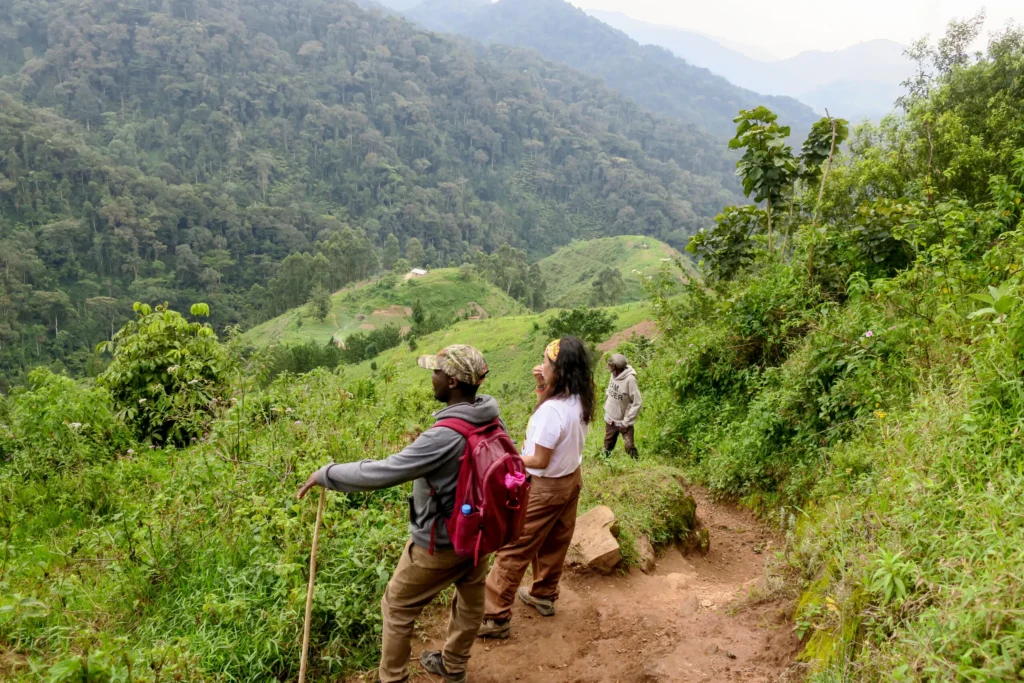
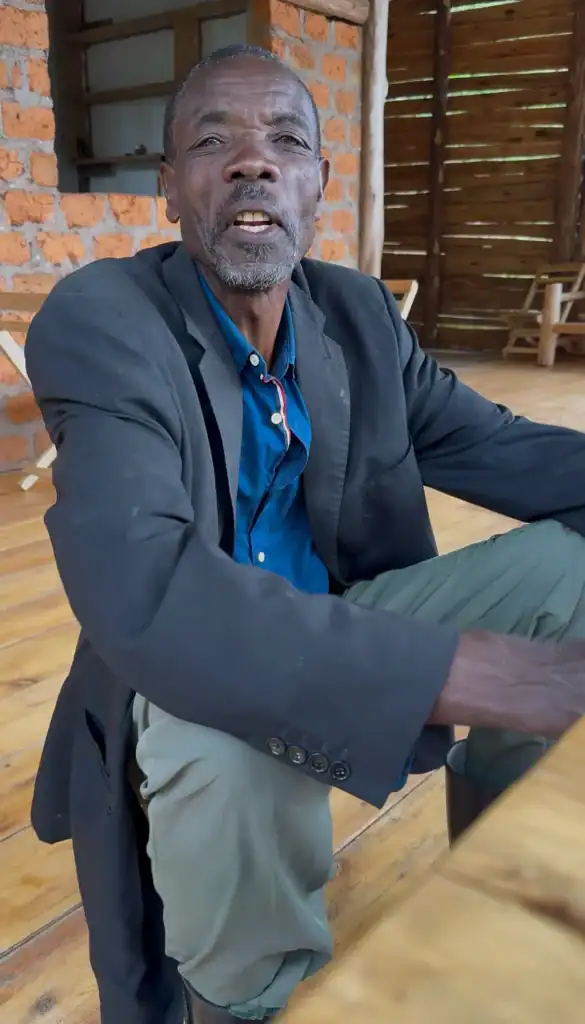
The Architects of Rubuguri The Visionary Who Returned Home to Build a Better Future I first learned about Happy Bruno while exploring the work of the Bwindi Conservation for Future Generations and the possibility of a partnership focused on sustainable tourism. After several WhatsApp conversations, it became clear that I needed to meet him and experience his work firsthand. That curiosity ultimately led me to Uganda.      Happy Bruno Co-Founder, Bwindi Foundation for Future Generations | Mayor, Rubuguri Town Council     I met many remarkable people during my time in Uganda, but some left a stronger impression. Happy Bruno is one of those, and yes, that is his real name! Happy was named after his mother, ‘Happiness,’ carrying forward a legacy of optimism and purpose. Although his college studies in Kampala could have led him far from home, Happy and his wife, Gloria, intentionally chose to return to Rubuguri. There, in the community where he was born, he committed himself to giving back everything he had learned. He is the co-founder of the Bwindi Foundation for Future Generations. Currently, he serves as Mayor of Rubuguri Town Council, a role that symbolizes trust, responsibility, and genuine commitment rather than ambition. But titles only show part of the story. Happy works tirelessly to ensure his community not only survives but genuinely thrives. Through the foundation, he supports conservation efforts while empowering women and children across 16 villages near Bwindi Impenetrable National Park. His work connects environmental protection with human well-being, recognizing that the future of the forest and the future of the people are intertwined. He is also a deeply dedicated father. Happy has two biological sons, with another child on the way. He has opened his home and heart to many adopted children, ensuring they have access to education and opportunities. He often steps in when circumstances fall short. What stayed with me most wasn’t just how much he does, but how grounded he remains. Whether discussing village development, education, conservation, or the future of his children or the women in the villages, Happy leads with humility, consistency, and purpose. Some people grow into their names. Happy Bruno lives up to his name by choosing to return, serve, and stay!   Read “My Interview with Happy.” The children of Rubuguri, whose school is in desperate need of rebuilding. Happy ensures they’re supported, but he knows it’s not enough. He asked me, pleaded with me: to help them get what they deserve: a real school. Not because he’s their mayor, but because he refuses to accept that poverty should determine a child’s future. Truly an honor to trek with this group; true conservationists who dedicate their lives to making the world better. They don’t separate wildlife protection from community empowerment. They understand it’s all connected. Walking alongside them was a reminder that real change happens when people show up and do the work.

Meet Happy: Co-founder of Bwindi Conservation for Future Foundation Read More »

Meet Silver: Co-founder of Bwindi Conservation for Future Foundation

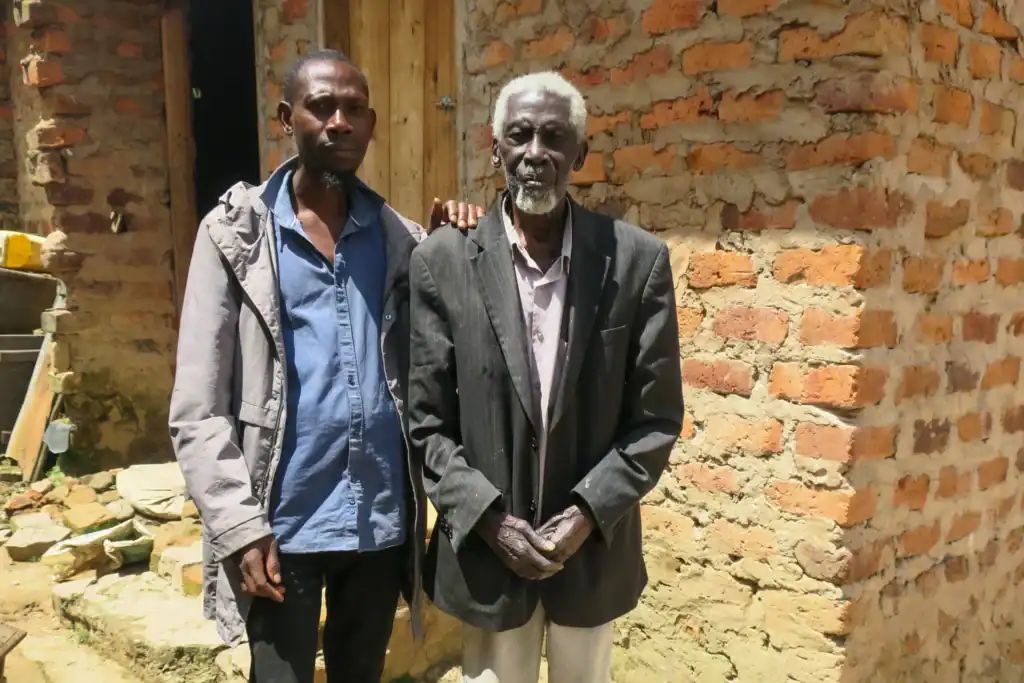
The Architects of Rubuguri A Life Dedicated to Children and Community Some people make noise openly. Others change the world quietly, so quietly that you only notice their impact when you start listening to the stories. Silver is one of those people. Before becoming a co-founder of the Bwindi Conservation for Generations Foundation, Silver was a schoolteacher, and at heart, he still is. His passion has always been education, especially for children who are often left behind solely because of where they were born.   Silver Co-Founder, Bwindi Conservation for Generations Foundation | Owner of Nshongi Camp       In this part of Uganda, many children live far from schools. Even government schools require fees that families cannot afford. For some, the cost of a uniform or books is already impossible. Instead of accepting this reality, Silver chose to challenge it. Using his personal resources, he established and funded the Rushaga Community School. It was built for children who otherwise would not have access to education. The school operates on a sliding fee scale, determined solely by what families can afford, which, in many cases, is almost nothing. There is minimal external funding or donations, and time after time, Silver steps in, using his own money to cover the shortfall, support the children, and pay the teachers. But his work goes far beyond the classroom. I’ve spoken to several people who speak highly of Silver, and what stands out most is how he doesn’t take credit for everything he’s done. He gives seeds to women so they can plant crops to feed their families or sell at the market. He provides money for basket-weaving materials, empowering women to create items they can sell for income. He buys food for children who would otherwise go hungry. He pays school fees when families cannot afford them. During my stay, I heard story after story. There were plenty of quiet testimonials from people whose lives were altered by him; Silver paid for their schooling when there was no hope. A family was supported when there were no options left. A child who learned to read because Silver believed they deserved that chance. When I sat with Silver, I expected him to tell me about what he had built. Instead, he talked only about what still needed to be done. He never mentioned the school fees he had personally covered, the seeds he gave to women, or the children he had fed when there was nothing at home. When I shared that I had brought a suitcase filled with baseball equipment, his face lit up. He spoke excitedly about how meaningful it would be for the children and how wonderful it would be to bring someone to teach them how to play. Even in joy, his focus remained entirely on what might be possible next for the Children of Rushaga. Other people told his stories. Silver never would. That is the kind of man who made me want to be better. Silver also owns Nshongi Camp, a lodge just 500 meters from the forest edge. It’s one of those rare places where nature constantly reminds you who truly lives there, with occasional sightings of mountain gorillas, elephants, monkeys, and antelopes as part of everyday life. The camp reflects him perfectly: grounded, purposeful, and deeply connected to the land and community. To meet Silver is to understand that authentic leadership doesn’t stem from position or authority; it arises from service, sacrifice, and consistency. It was truly an honor to have crossed paths with a man who has quietly shaped the future of so many children and will continue to do so for generations to come.   This is Silver, Happy, and me at the Nshongi Camp restaurant with the Bwindi Impenetrable National Forest literally at our backs. The forest is close enough to walk into, and gorillas, elephants, monkeys, and antelopes are regularly seen. Silver co-founded the Bwindi Conservation of Generations Foundation with Happy, but what struck me most were the stories people shared. He helped many children and families without ever making a noise about it.   If you’re visiting this part of Uganda, stay at Nshongi Camp. And don’t rush through. This place, these people, this forest, they’re worth more than a quick stop.

Meet Silver: Co-founder of Bwindi Conservation for Future Foundation Read More »

The Ultimate Guide to Exploring Greece

EXPLORE GREECE Your Comprehensive Destination Guide At a Glance Total area: 131,957 square kilometers   Capital:  Athens Religion: Eastern Orthodox Christianity (Greek Orthodox Church)Population: Approximately 10.2 million Languages: Greek; English is widely spoken, as well as German, French, and ItalianCurrency: Euro (EUR, €) Banking Hours: Mon–Fri, 8:00 am–2:30 pm  Telephone/Communication: The country code is +30. Greece has strong mobile coverage and offers 4G/5G in most urban areas and popular islands. Free Wi-Fi is common in cafes, hotels, and some public areas. Climate: Mediterranean climate. Summers: Hot and dry (June to September), especially in the islands and southern mainland. Average highs often reach 30–35°C (86–95°F). Winters: Mild and wetter, especially in the north and mountain regions. Best time to visit: April to June & September to October (fewer crowds, pleasant weather) VAT in Greece Eligibility Criteria To qualify for a VAT refund in Greece: Residency: You must be a permanent resident outside the European Union. Minimum Purchase: Spend at least €50 (including VAT) in a single store on the same day. Export Requirement: Goods must be exported from the EU within three months of purchase. Note: Not all stores participate in the VAT refund scheme. Look for the “Tax-Free Shopping” sign or inquire at the checkout. How to Claim Your VAT Refund Shop at Participating Stores: Request a Tax-Free Form at the time of purchase. Provide your passport details to complete the form. Ensure the form is filled out correctly and keep all receipts. At the Airport: After customs validation, proceed to the VAT refund service counter (e.g., Global Blue, Premier Tax Free). Submit your stamped forms to receive your refund. By Mail If you cannot claim the refund at the airport, please mail the stamped forms and receipts to the VAT refund service provider. Make sure to complete all necessary sections, including your credit card details, for the refund. Refund Amount and Fees Refund Percentage: Depending on the refund agent and service fees, you can receive approximately 12.5% to 14.75% of the purchase amount back. Service Fees: Refund agents may deduct a commission from your refund. Payment Methods: Refunds can be issued via cash, credit card, bank transfer, or e-wallet. Travel Requirements Entry & Visa Passport Validity: Your U.S. passport must be valid for at least 3 months beyond your planned departure from the Schengen Area, which includes Greece. It is advisable to have at least 6 months of validity to avoid potential issues during transit through other countries. Visa-Free Travel:  180 days U.S. citizens can enter Greece without a visa for stays of up to 90 days within 180 days for tourism, business, or short-term study. Proof of Return or Onward Travel: You may be required to show a return ticket or evidence of onward travel. Sufficient Funds: Be prepared to demonstrate that you have enough financial means to cover your stay. Health Insurance: While not mandatory, it’s strongly recommended to have travel insurance that covers emergency medical expenses during your stay in Greece COVID-19 Requirements: As of May 2023, Greece has lifted all COVID-19 entry requirements. Proof of vaccination or recovery is not required, but it is best to stay updated on any changes. Upcoming Changes: ETIAS and Entry/Exit System ETIAS (European Travel Information and Authorization System): In late 2026, U.S. citizens must obtain an ETIAS authorization before traveling to Greece and other Schengen Area countries. U.S. citizens can apply online, pay a €7 fee, and typically receive approval within a few minutes to a few days. Exit System (EES): Scheduled for implementation in October 2025, the EES will collect biometric data (fingerprints and facial scans) at border crossings within the Schengen Area. This system aims to enhance border security and streamline entry and exit processes. Travel Tips Apply for ETIAS Early: Once ETIAS becomes operational, apply well before your travel date, as processing times can vary. Stay Informed: Regularly check official sources, such as the U.S. Department of State and the European Commission, for the latest travel advisories and requirements. Travel Insurance: Consider purchasing comprehensive travel insurance that includes coverage for medical emergencies, trip cancellations, and unexpected delays. Enroll in STEP: Register with the U.S. Department of State’s Smart Traveler Enrollment Program (STEP) to receive important updates and facilitate assistance in emergencies Getting there from the US Traveling from the United States to Greece is more convenient than ever, with numerous direct and connecting flight options available—especially during the spring and summer months when tourism peaks. Major U.S. Cities with Direct Flights to Greece Nonstop flights typically operate to Athens International Airport (ATH) from the following major U.S. cities: New York City (JFK, EWR)—year-round or seasonal Philadelphia (PHL) Chicago (ORD) Washington, D.C. (IAD) Boston (BOS) Atlanta (ATL) Miami (MIA) Los Angeles (LAX)—mostly seasonal Airlines offering direct or one-stop flights include Delta Air Lines United Airlines American Airlines Emirates Lufthansa, Air France, Swiss, ITA Airways (via European hubs) Aegean Airlines (Greece’s flagship carrier) Flight Duration Direct flights: ~9–11 hours from the East Coast One-stop flights: ~13–16 hours total travel time, depending on the route and layover city Travel Safety Tips General Safety: Stay Alert in Crowded Areas: Tourist hotspots like Athens (especially near the Acropolis, Plaka, and Monastiraki) can attract pickpockets. Keep your belongings secure and be vigilant. Entry & Health Safety Requirements: No Mandatory COVID-19 Restrictions: Greece has lifted all COVID-19 entry restrictions—no proof of vaccination, negative tests, or quarantine is required for travelers from the U.S. or other countries. Travel Insurance: Although the law does not mandate it, we strongly recommend obtaining comprehensive travel insurance that covers health emergencies, trip cancellations, and medical evacuation. Health Precautions: Carry any personal medications, and consider bringing basic first aid supplies. Tap water is safe to drink in most areas, but bottled water is recommended in some islands or rural areas. Transportation Safety: Use licensed taxis or ride-sharing apps. Driving in rural areas can be challenging due to narrow or winding roads, so exercise caution if renting a car. Beach & Water Safety: Always swim in designated areas with lifeguards present. Watch

The Ultimate Guide to Exploring Greece Read More »

The Ultimate Guide to Exploring Germany

EXPLORE GERMANY Your Comprehensive Destination Guide At a Glance Total area: 357,022 square kilometers   Capital:  Berlin Religion: Christianity (mainly Protestant and Roman Catholic)Population: Approximately 84 million Languages: German; English is widely spoken. Currency: Euro (EUR, €) Banking Hours: Mon–Fri, 8:30 am–4:00 pm  Telephone/Communication: The country code is +49. Germany has an excellent telecom infrastructure, with 4G widely available and 5G rolling out. Standard Free Wi-Fi is common in hotels, cafes, and public areas. Climate: Temperate seasonal climate. Cold winters (can drop below freezing, especially in the south and east) Warm summers (average highs around 24°C / 75°F) Rain is relatively evenly distributed throughout the year VAT in Germany If you’re a non-EU resident (including U.S. citizens), you may be eligible for a VAT refund on purchases made during your trip. To qualify for a VAT refund: Shop at stores that offer “Tax-Free Shopping.” Look for signs or ask at the register. Spend a minimum amount (usually around €50 per receipt). Ask for a VAT refund (Tax-Free Form) when purchasing. Get your receipts stamped by German customs at the airport when leaving the EU. Submit the stamped forms at a refund booth or by mail (Global Blue, Planet Tax-Free, etc.) Pro Tips: Arrive at the airport early—VAT refund lines can be long. You must show the unused goods and original receipts at customs. Some services (like hotel stays and meals) are not eligible for a refund. Travel Requirements Entry & Visa As of 2025, under the Schengen Agreement, U.S. citizens can travel to Germany for tourism or business without a visa and stay up to 90 days within 180 days. Valid Passport Must be valid for at least 3 months beyond your planned departure from the Schengen area. Must have been issued within the last 10 years. Proof of Return or Onward Travel Upon entry, they may request a return flight ticket or proof of onward travel. Proof of Sufficient Funds While not always checked, travelers may need to show evidence they can financially support themselves (e.g., credit cards, cash, or bank statements). Travel Insurance (Highly Recommended) Airlines and immigration officers recommend and sometimes require health insurance with a minimum coverage of €30,000. ETIAS Requirement (Coming Soon) Starting mid-2025, U.S. travelers must obtain an ETIAS travel authorization before entering Germany or any Schengen country. ETIAS = European Travel Information and Authorization System Similar to the U.S. ESTA Cost: ~€7 Valid for 3 years or until your passport expires Monitor official EU updates for information on the launch and application process of ETIAS. Who Needs a Visa? If you’re Planning to stay more than 90 days, Working, studying, or joining the family in Germany,If you plan to stay for more than 90 days, you must apply for a national visa at the nearest German consulate before entering Germany. Getting there from the US Traveling to Germany from the United States is straightforward, with numerous nonstop flights from major U.S. cities available daily. Most international flights arrive at one of Germany’s major airports, including Frankfurt am Main Airport (FRA)—Germany’s most prominent and busiest airport Munich Airport (MUC)—Known for its efficiency and ease of transfer Berlin Brandenburg Airport (BER)—Serving the capital city Düsseldorf (DUS), Hamburg (HAM), and Stuttgart (STR)—Regional international hubs Major U.S. departure cities with direct flights to Germany include: New York (JFK, EWR) Chicago (ORD) Los Angeles (LAX) San Francisco (SFO) Washington, D.C. (IAD) Boston (BOS) Miami (MIA) Dallas (DFW) Atlanta (ATL) Seattle (SEA) Airlines offering direct flights include Lufthansa (Germany’s flagship carrier) United Airlines Delta Air Lines American Airlines Condor Flight time ranges from 7 to 11 hours, depending on the departure city and destination airport.   Travel Safety Tips General Safety: Low crime rate: Violent crime is rare, but like any major destination, petty theft (especially pickpocketing) can occur—particularly in tourist hotspots like Berlin, Munich, and Frankfurt. Stay alert in crowds: Keep valuables close and avoid leaving bags unattended in train stations, airports, and markets. Public Transportation Tips Germany’s trains and metros are safe, clean, and efficient. On regional trains, you may need to validate your ticket before boarding. Be cautious of scammers posing as ticket inspectors—always ask for ID if unsure. Legal & Cultural Tips Obey the rules: Germany is known for its order and rule-following. Jaywalking, fare-dodging, or being loud in residential areas can draw fines or negative attention. Carry ID: You’re legally required to carry a valid photo ID (e.g., passport) at all times. Drugs are illegal—even cannabis use can lead to legal issues outside specific medical contexts. Emergency Numbers Police: 110 Ambulance/Fire: 112(Both numbers work from any phone, including mobiles without a SIM card.) Language Help English is widely spoken, especially in urban and tourist areas, but having a translation app or knowing a few German phrases can be helpful. Local Insight Tap water is safe to drink. Public restrooms may require a small fee (€0.50–€1.00), so carry coins. People take quiet hours seriously, especially in residential areas. Health Safety Tips   Vaccination Requirements No mandatory vaccines for travelers from the U.S. However, the CDC and WHO recommend being up to date on routine vaccinations: MMR (measles, mumps, rubella) DTP (diphtheria, tetanus, pertussis) Polio Influenza (especially if traveling in fall or winter) COVID-19 (not required, but recommended) Health Insurance While not required for entry (yet), travel health insurance with at least €30,000 coverage is highly recommended. Germany offers excellent medical care, but non-residents must cover expenses without valid international insurance. Pro tip: The full implementation of the ETIAS visa waiver system in 2025 will likely require travel insurance. Medical Services Pharmacies (Apotheken) are widespread and easily identified by a red “A” sign. For minor issues, pharmacists can often advise or prescribe over-the-counter remedies. In the event of a serious illness or injury, Emergency number: 112 Public and private hospitals offer world-class care, though private clinics may require upfront payment. Food & Water Safety In Germany, tap water is safe to drink in all locations. Food hygiene standards are high—enjoy local cuisine without worry. No Tropical Diseases Germany

The Ultimate Guide to Exploring Germany Read More »

The Ultimate Guide to Exploring Denmark

EXPLORE DENMARK Your Comprehensive Destination Guide At a Glance Total area: 42,933 square kilometers   Capital:  Copenhagen Religion: Evangelical Lutheran (Church of Denmark) — about 74% of the population are membersPopulation: Approximately 5.9 million Languages: Danish (official); English is widely spoken; German is taught in schools and spoken in some southern areasCurrency: Euro (EUR, €) Banking Hours: Mon–Fri, 9:00 am–4:00 pm  Telephone/Communication: The country code is +45. Denmark has an advanced telecommunications infrastructure. Mobile networks: 4G and 5G are widely available. Internet penetration is high, with widespread broadband and mobile internet coverage Climate: Temperate oceanic climate. Mild winters with average temperatures around 0°C to 5°C (32°F to 41°F) Cool summers with average temperatures around 17°C to 21°C (63°F to 70°F) Rainfall is fairly evenly distributed throughout the year VAT in Denmark Visitors from outside the EU can claim a VAT refund on goods bought in Denmark if the total purchase amount exceeds a certain minimum (usually around 300 DKK) and if they export unused goods outside the EU within 3 months. The refund process requires proper documentation (receipts and tax-free forms) from the retailer.   How to claim a VAT Refund:When departing Denmark or the EU, you typically complete this process at the airport or border. Some companies help with VAT refund processing (like Global Blue or Planet). Travel Requirements Entry & Visa Visa-Free Travel: U.S. passport holders can enter the Czech Republic (a Schengen Area country) without a visa for tourism, business, or short-term study for up to 90 days within 180 days. Passport Validity: Your passport must be valid for at least three months beyond your departure date from the Schengen Area. Proof of Funds: You may be required to demonstrate sufficient financial means for your stay. Return or Onward Ticket: While not always mandatory, it’s advisable to have a return or onward ticket to show your intent to leave the Schengen Area within the allowed period. Travel Insurance: While not a strict entry requirement, it’s highly recommended to have travel medical insurance that covers potential health issues or accidents during your stay. Some accommodations may request proof of insurance upon check-in. Getting there from the US Direct Flights from the U.S. to Denmark Several U.S. cities offer nonstop flights to Copenhagen: U.S. City Airline Route Notes New York (JFK) SAS, Norse Atlantic Daily or near-daily service Newark (EWR) United Airlines Year-round nonstop Chicago (ORD) SAS Frequent service Washington, D.C. (IAD) SAS Seasonal direct Boston (BOS) SAS Seasonal or year-round Los Angeles (LAX) SAS Often seasonal; long-haul direct San Francisco (SFO) SAS (historically) May return depending on season/demand Miami (MIA) Norse Atlantic (seasonal) Budget-friendly long-haul option Most other U.S. cities will require a 1-stop connection through major European hubs like Frankfurt (FRA) Amsterdam (AMS) London Heathrow (LHR) Paris (CDG) Reykjavík (KEF) (via Icelandair) Oslo (OSL) or Stockholm (ARN) with SAS   Travel Safety Tips General Safety: Denmark is considered one of the safest countries in the world, with low crime rates. Violent crime is rare, but always stay alert in crowded areas and tourist hotspots to avoid petty theft, such as pickpocketing. Pickpocketing & Theft: Watch your belongings, especially in busy places such as Copenhagen’s city center, train stations, and tourist attractions. Keep valuables in front pockets or use a money belt. Bicycle Safety: Denmark is very bike-friendly, but traffic moves fast. If you rent or use a bike, always obey traffic rules, use bike lanes, and wear a helmet where required. Be cautious at intersections. Public Transport: Public transportation is safe and reliable. To avoid fines, always buy a valid ticket before boarding trains, buses, or metros. Natural Conditions: The weather can be unpredictable—dress in layers and be prepared for rain or wind, especially if visiting coastal areas or islands. Emergency Numbers: Dial 112 for emergencies (police, fire, ambulance). Local Laws & Customs: Drug laws are strict; avoid any illegal substances. Alcohol consumption is legal from age 18, but public intoxication is frowned upon. Most public indoor spaces prohibit smoking. COVID-19 & Health: Follow any local health guidelines or restrictions. Denmark has high-quality healthcare, but travel insurance is recommended to cover any unexpected medical needs. Stay Connected: Have a local SIM card or roaming plan to easily access maps, emergency contacts, and translation apps. Cultural Respect: Danes value privacy and modesty. Respect personal space and be polite in public interactions. Health Safety Tips for Denmark Healthcare Quality: Denmark has a high standard of healthcare services with modern hospitals and clinics. Emergency medical services are efficient and reliable. Travel Insurance: Even though Denmark has excellent healthcare, make sure to have comprehensive travel health insurance that covers medical treatment and possible evacuation. Vaccinations: No mandatory vaccinations are required for entry into Denmark from the U.S. However, it’s recommended to be up-to-date on routine vaccines such as: Measles, Mumps, Rubella (MMR) Tetanus-Diphtheria-Pertussis Polio Influenza (especially during flu season) COVID-19: Stay updated on any COVID-19 entry requirements or restrictions, which may change. If necessary, carry a mask for use in healthcare settings or crowded places. Food and Water Safety: Tap water in Denmark is safe and clean to drink. Food safety standards are high, but always practice common sense—eat from reputable restaurants and wash fruits/vegetables if you prepare your meals. Medication: Bring any prescription medications you need, along with the prescription note. Pharmacies are widely available, but some medicines may require a prescription. Sun Protection: Despite the cooler climate, Denmark’s summers can have intense UV rays, so use sunscreen, hats, and sunglasses to protect your skin. Mental Health: Travel can be stressful, so take time to rest and stay hydrated. If you have any medical conditions, carry any necessary documentation and emergency contact info. Fun Facts! Happiest Country: Denmark consistently ranks as one of the happiest countries in the world, thanks to its strong social welfare, work-life balance, and community spirit. Bicycles Everywhere: There are more bicycles than people in Denmark! Copenhagen alone has over 600,000 bikes, and about 62% of Copenhageners commute to work or school by bike. Denmark is

The Ultimate Guide to Exploring Denmark Read More »

The Ultimate Guide to Exploring Czech Republic

EXPLORE CZECH REPUBLIC Your Comprehensive Destination Guide At a Glance Total area: 78,866 square kilometers   Capital: Prague Religion: Historically, the country was predominantly Roman Catholic; however, today, the majority of people identify as non-religious or atheist, while Christianity remains the largest religion.Population: Approximately 10.5 million Languages: Czech (official) and Slovak are also widely understood; English and German are commonly spoken in tourist areas.Currency: Euro (EUR, €) Banking Hours: Mon–Fri, 8:30 am–4:30 pm; some banks are open on Saturday mornings in larger cities. Telephone/Communication: The country code is +420. Mobile networks have excellent coverage, including 4G and, increasingly, 5G. Free Wi-Fi is commonly available in hotels, cafes, and public places. Climate: Temperate continental climate. Winters (Dec–Feb) can be cold with snow, temperatures often between -5°C and 3°C (23°F–37°F) Summers (Jun–Aug) are warm, averaging 20°C to 25°C (68°F–77°F) Spring and autumn are mild with variable weather. VAT in the Czech Republic Non-EU residence: If you’re a non-EU resident, you may be eligible for a VAT refund on goods purchased in the Czech Republic under these conditions: Requirements: The total purchase must exceed 2,001 CZK (approx. €80) per receipt per store per day. You must export the goods from the EU within 3 months of purchase. You must get a Tax-Free Form from the store when you purchase. When leaving the EU, present the goods, receipts, passport, and completed form to customs officials to obtain a customs stamp. Claim your refund at the airport or through a VAT refund service (e.g., Global Blue, Planet). Important Notes: VAT refunds are only available for goods, not services (e.g., hotel stays, restaurant meals). The store must be part of a tax-free shopping scheme. Refunds are typically 85–90% of the VAT paid (processing fees may apply). Travel Requirements Entry & Visa Visa-Free Travel: U.S. passport holders can enter the Czech Republic (a Schengen Area country) without a visa for tourism, business, or short-term study for up to 90 days within 180 days. Passport Validity: Your passport must be valid for at least three months beyond your departure date from the Schengen Area. Proof of Funds: You may be required to demonstrate sufficient financial means for your stay. Return or Onward Ticket: While not always mandatory, it’s advisable to have a return or onward ticket to show your intent to leave the Schengen Area within the allowed period. Travel Insurance: While not a strict entry requirement, it’s highly recommended to have travel medical insurance that covers potential health issues or accidents during your stay. Some accommodations may request proof of insurance upon check-in. Entry/Exit System (EES) Biometric Data Collection: Starting in October 2025, the EU will implement the Entry/Exit System (EES), which will collect biometric data (fingerprints and facial recognition) upon entry and exit. This system aims to enhance border security and streamline the entry process. Future Travel Authorization (ETIAS) Upcoming Requirement: In late 2026, U.S. travelers must obtain an ETIAS (European Travel Information and Authorization System) authorization before entering the Schengen Area. This is not a visa but a pre-screening process to enhance security. The application will be online, cost €7, and be valid for three years or until your passport expires. Getting there from the US Currently, there are no year-round direct flights, but seasonal/direct flights are sometimes available from New York (JFK or EWR) Philadelphia (PHL) via American Airlines (seasonal) Most travelers connect through major European hubs such as Frankfurt (FRA) Amsterdam (AMS) Paris (CDG) London (LHR) Zurich (ZRH) Munich (MUC) Istanbul (IST) (often the best-priced long-haul option) Travel Safety Tips Stay Alert in Crowded Tourist Areas. Places like Prague’s Old Town, Charles Bridge, and major train stations attract pickpockets. Keep wallets, phones, and bags secure, and be mindful of your surroundings. Use Licensed Transport. Always use official taxis or reliable ride-hailing apps like Bolt or Uber. Public transport (trams, buses, and metro) is safe, clean, and punctual. Watch Your Belongings in Public Transport. Pickpocketing can happen on busy trams or buses. Keep bags zipped and close to your body. Be Careful at Night. Central areas in Prague and other cities are generally safe, but the streets should not be poorly lit or isolated late at night. Respect Local Laws and Customs. Many indoor public places ban smoking. Only those aged 18 and over can receive alcohol service. Emergency Number. Dial 112 for police, fire, or medical emergencies anywhere in the Czech Republic. Stay Informed About Demonstrations. Political protests sometimes happen in Prague; avoid large crowds or demonstrations to stay safe. Beware of Scams. Exercise caution regarding unofficial tour guides, currency exchange booths with suspiciously high rates, or individuals offering unsolicited assistance. Health and Hygiene. Tap water is safe to drink. If you have allergies or dietary restrictions, learn basic Czech phrases to communicate them. Travel Insurance: Always have travel insurance covering theft, medical emergencies, and trip cancellations. As of June 2025, the Czech Republic has lifted all COVID-19-related entry restrictions. Travelers are no longer required to present proof of vaccination, recovery, or a negative test upon arrival. Additionally, the passenger locator form is no longer necessary for entry. Health Safety Tips Recommended Vaccinations for Travelers While the Czech Republic does not mandate specific vaccinations for entry, the Centers for Disease Control and Prevention (CDC) and Passport Health recommend the following for travelers: Measles, Mumps, Rubella (MMR): Ensure you are up-to-date on the MMR vaccine. Hepatitis A: Recommended for most travelers, mainly if unvaccinated. Hepatitis B: Recommended for travelers exposed to blood or body fluids. Tetanus: Ensure your tetanus vaccination is up-to-date. Tick-borne Encephalitis: Recommended for travelers spending time outdoors in rural or forested areas, particularly from spring to autumn. Rabies: Considered for travelers who may have close contact with animals. Health Insurance Requirements While not a strict entry requirement, comprehensive travel health insurance that covers medical expenses, including emergency evacuation and repatriation, is highly recommended. Upon arrival, some travelers have reported receiving requests for proof of insurance, particularly for more extended stays or specific visa types. Animal Bites: Avoid contact with stray animals to reduce

The Ultimate Guide to Exploring Czech Republic Read More »

The Ultimate Guide to Exploring Belgium

EXPLORE BELGIUM Your Comprehensive Destination Guide At a Glance Total area: 30,688 square kilometers   Capital: Brussels Religion: Christianity (predominantly Roman Catholic)Population: Approximately 11.7 million Language: Dutch, French, GermanCurrency: Euro (EUR, €) Banking Hours: Mon–Fri, 9:00 am–4:00 pm; some close for lunch Telephone/Communication: The country code is +32; widespread mobile and internet coverage Climate: Temperate maritime climate; cool summers, mild winters, frequent rain year-round.   VAT in Belgium Non-EU residence: Your permanent residence must be outside the EU, and you should be visiting Belgium for leisure purposes, planning to leave the EU after your trip. Export of goods: You must carry the purchased items in your personal luggage when you leave the EU, and this must occur within three months after the month in which the purchase was made. Minimum purchase amount: The total value of your eligible goods must exceed €125 per invoice or Tax-Free Form. You can potentially combine multiple invoices from the same retailer on the same day if they amount to at least €125.01. Personal use: The purchases must be for your personal use, not for business or commercial purposes. Documentation: You must obtain a Tax-Free Form or invoice from the retailer, keep the original sales receipt, and have your passport and travel documents readily available.  Travel Requirements Entry & Visa Passport   A valid U.S. passport is required. It must be valid for at least 3 months beyond your departure from the Schengen Area. You must have issued it within the last 10 years. Visa No visa is required for tourism or business stays of up to 90 days within 180 days in the Schengen Area (including Belgium). Your stay must not involve paid work. ETIAS (Coming Soon) Beginning in mid-2025, U.S. travelers must apply for an ETIAS travel authorization before entering Belgium or any Schengen country. This will be a simple online process, valid for 3 years or until your passport expires. Proof of Sufficient Funds & Accommodation (May Be Requested): Border officials may request the following documents: Proof of accommodation (hotel booking, invitation letter, etc.) Proof of financial means for the stay Travel Insurance We strongly recommend travel medical insurance to cover potential healthcare costs in Europe, even though it’s not mandatory. Getting there from the US Traveling to Belgium from the United States is straightforward, with several major airlines offering direct and connecting flights. Brussels Airport (BRU) is the primary gateway into Belgium, about 12 kilometers (7.5 miles) from the capital city. Direct Flights:Major U.S. cities such as New York (JFK), Washington, D.C. (IAD), and Chicago (ORD) offer nonstop flights to Brussels through airlines like United, Delta, American Airlines, and Brussels Airlines. Flight times typically range from 7 to 9 hours, depending on the departure city. Connecting Flights:If you’re flying from a smaller U.S. city, you may need to connect through major European hubs like Amsterdam, Frankfurt, Paris, or London. Numerous carriers serve these routes and often provide flexible schedules and pricing options. Arrival & Transportation:Brussels Airport connects the city center and other Belgian cities via train, bus, and taxi. A train from the airport to Brussels Central Station takes about 20 minutes. High-speed trains also make connecting to nearby countries such as France, Germany, and the Netherlands easy. Travel Safety Tips Stay Alert in Crowded Areas. Pickpocketing can be common in busy tourist spots like Grand Place in Brussels, train stations, and popular festivals. Keep your belongings secure and avoid carrying too much cash. Use Licensed Taxis or Public Transport. Avoid unlicensed taxis. Belgium has an excellent public transport system—trains, trams, and buses are safe and reliable. Watch Out for Bicycle Traffic. Many Belgian cities are bike-friendly, and cyclists have the right-of-way in many areas. Be cautious when crossing streets or opening car doors. Be Careful at Night. While Belgian cities are generally safe, staying in well-lit, populated areas at night is best. Avoid walking alone in poorly lit or isolated places. Know Emergency Numbers. The emergency number in Belgium is 112 for police, fire, and medical emergencies. Avoid Political Demonstrations. Belgium can have protests and strikes; avoiding large gatherings or demonstrations is wise to avoid unexpected disruptions. Check Local Travel Advisories. Stay updated on regional alerts, especially if traveling near borders or in crowded events. Health Precautions. Tap water is safe to drink in Belgium. Carry basic medication and health insurance details just in case. Secure Your Accommodation. Use hotel safes if available, and double-check doors and windows in your lodging. Respect Local Laws and Customs. For example, smoking is banned in most indoor public spaces, and there are strict rules on drug possession. Health Safety Tips VaccinationsNo special vaccinations are required for Belgium if you are coming from the US or Europe. However, being current on routine vaccines like measles, mumps, rubella (MMR), tetanus, diphtheria, and influenza is beneficial. Health Care QualityBelgium has high-quality healthcare facilities. Pharmacies are widespread; pharmacists can often provide advice without a doctor’s visit. Travel InsuranceAlways have travel health insurance covering medical emergencies and hospital stays abroad. Water and Food SafetyTap water is safe to drink throughout Belgium. Food standards are high, but still follow basic hygiene rules—wash your hands before eating and avoid street food if you have a sensitive stomach. MedicationBring any prescription medications with you in original packaging and a copy of the prescription. Over-the-counter medications are available in pharmacies. Allergies and Dietary NeedsBelgian cuisine is diverse but can include nuts, dairy, and gluten. If you have allergies, learn key phrases in French or Dutch to communicate your needs. Seasonal WeatherBelgium’s weather can be rainy and chilly, even in summer. Dress in layers and stay dry to avoid colds or flu. Sun ProtectionSummers can have sunny days, so bring sunscreen, sunglasses, and a hat when spending time outdoors. Emergency ServicesFor medical emergencies, call 112. Major cities have excellent hospitals with English-speaking staff. Mental HealthTraveling can be stressful. Take time to rest, stay hydrated, and maintain a balanced diet. Fun Facts Austria is known as the birthplace of classical music legends, producing world-famous composers such as Mozart, Haydn,

The Ultimate Guide to Exploring Belgium Read More »

The Ultimate Guide to Exploring New Zealand

EXPLORE NEW ZEALAND Your Comprehensive Destination Guide At a Glance Total area: 268,021 sq km (103,483 sq miles) Capital: Wellington Religion: Christianity remains the largest religion, though New Zealand is increasingly secular and diverse, with many practicing no religionPopulation: 5.2 million Language: English (official), Māori (official), and New Zealand Sign Language (official)Currency: New Zealand Dollar (NZD) Banking Hours: Mon–Fri, 9:00 am–5:00 pm  Telephone/Communication: The country code is +64; there is strong mobile and internet coverage throughout the country, including most rural areas Climate:Generally temperate maritime climate — mild temperatures year-round, with more rainfall on the west coast of the South Island and warmer, drier conditions in the north   VAT in Australia New Zealand charges a Goods and Services Tax (GST) of 15% on most goods and services. Prices include GST, which is generally not refundable for tourists. Travel Requirements Entry & Visa Passport: A valid passport is required, with at least three months’ validity beyond the departure date. Visa: Many nationalities require an Electronic Travel Authority (ETA) or visa. Visitors from visa waiver countries must apply for an ETA and pay the International Visitor Conservation and Tourism Levy (IVL). Vaccinations: There are no mandatory vaccinations for entry, but we recommend routine immunizations. COVID-19 regulations may apply. Customs: Strict biosecurity laws to protect agriculture and natural ecosystems — declare all food, plant material, and animal products. Health: Healthcare is excellent, and travel insurance is recommended. Getting there from the US New Zealand’s main international airports are Auckland (AKL), Christchurch (CHC), and Wellington (WLG). Auckland is the primary hub with direct flights from major global cities, including Sydney, Los Angeles, London, Shanghai, and Singapore. Airlines such as Air New Zealand, Qantas, Emirates, and United Airlines operate regular flights. Travel Safety Tips   Safety: New Zealand has low crime rates and is considered safe for travelers. Outdoor activities carry some risks (hiking, water sports, adventure tourism), so follow local safety advice. Emergency number: 111 for police, fire, and ambulance. Health: Tap water is safe to drink nationwide. Use sun protection, as intense UV radiation can be strong, especially in the summer. Some areas recommend using insect repellent to prevent sandflies and mosquitoes. Fun Facts! Land of the Long White Cloud: Aotearoa is the Māori name for New Zealand, often translated as “Land of the Long White Cloud.” Home of the Kiwi: The Kiwi is a native flightless bird and the affectionate nickname for New Zealanders. Middle-earth: New Zealand’s landscapes famously served as the backdrop for the Lord of the Rings and Hobbit films. Sheep Outnumber People: New Zealand has about 5 times as many sheep as people. Rugby Passion: Rugby union is the country’s national sport, with the All Blacks team known worldwide for their haka war dance and dominance. Maori Culture: Māori culture profoundly influences New Zealand’s identity — including language, arts, and ceremonies like the pōwhiri (welcome). Adventure Capital: Queenstown is known as the “adventure capital of the world” with bungee jumping, skydiving, jet boating, and more. Glowworms: Magical glowworm caves in Waitomo attract visitors for an ethereal underground boat ride. Clean and Green: New Zealand is famed for its environmental efforts and stunning natural landscapes. Top Places to Visit in New Zealand North New Zealand   Auckland, the largest city, is known as the “City of Sails.” Things to Do: Visit the Sky Tower for panoramic city views and adrenaline activities like the SkyJump. Explore the vibrant waterfront at Viaduct Harbour and Wynyard Quarter. Ferry trips to nearby islands like Waiheke (renowned for vineyards and beaches) and Rangitoto (a volcanic island with hiking trails). Wander the Auckland Domain and visit the Auckland War Memorial Museum. Enjoy the eclectic food scene with diverse cuisines. Wellington is a capital city with a strong arts, culture, and café scene. Things to Do: Explore Te Papa Tongarewa, New Zealand’s national museum. Take the Wellington Cable Car for city and harbor views, ending at the Botanic Garden. Stroll along the waterfront and enjoy craft breweries and restaurants. Discover Zealandia, an urban eco-sanctuary with native wildlife. Experience lively festivals and a thriving creative community. Rotorua is a Geothermal wonderland and the heart of Māori culture. Things to Do: Visit geysers, mud pools, and hot springs at Wai-O-Tapu and Te Puia. Experience traditional Māori cultural performances and hangi feasts. Relax in the Polynesian Spa. Explore the nearby Redwood Forest with walking and biking trails. Try adventure sports like zorbing and luging. Taupō: a Gateway to Lake Taupō and Tongariro National Park. Things to Do: Cruise or fish on Lake Taupō, New Zealand’s largest lake. Visit Huka Falls for spectacular waterfalls. Explore Tongariro Alpine Crossing, one of the world’s best one-day hikes. Enjoy hot springs and spa resorts around the lake. There are also opportunities for jet boating and skydiving. Bay of Islands is a picturesque coastal region with over 140 subtropical islands. Things to Do: Boat tours to see dolphins, whales, and historic sites like the Waitangi Treaty Grounds. Swim, snorkel, and kayak in clear waters. Explore charming towns like Paihia and Russell. Visit historic sites, including Kerikeri’s Stone Store and Mission House. Coromandel Peninsula: Stunning beaches, native forests, and a laid-back vibe. Things to Do: Relax at Hot Water Beach, where you can dig your hot pool in the sand. Hike the Cathedral Cove coastal walk. Visit quaint towns like Whitianga and Coromandel Town. Explore native forest trails and waterfalls. Hamilton is renowned for its gardens and its proximity to Hobbiton. Things to Do: Wander the Hamilton Gardens, an internationally recognized themed garden. Visit the Hobbiton Movie Set nearby, the famous filming location for The Lord of the Rings and The Hobbit. Enjoy river walks and parks in the city. Napier/Hawke’s Bay: Famous for Art Deco architecture and excellent wineries. Things to Do: Take an Art Deco walking tour of Napier. Enjoy wine tastings in the Hawke’s Bay wine region, known for Syrah and Chardonnay. Visit the National Aquarium of New Zealand. Explore coastal walks and local farmers’ markets. Discover the natural beauty and wildlife of Whangarei,

The Ultimate Guide to Exploring New Zealand Read More »

The Ultimate Guide to Exploring Australia

EXPLORE AUSTRALIA Your Comprehensive Destination Guide At a Glance Total area: 7.692 million sq km (2.97 million sq miles)   Capital: Canberra Religion: Diverse, with Christianity most common; many other faiths practicedPopulation: Approximately 26 million Language: EnglishCurrency: Australian Dollar (AUD) Banking Hours: Mon–Fri, 9:00 am–5:00 pm  Telephone/Communication: The country code is +61; there is excellent mobile and internet coverage across urban areas, though remote regions can have limited connectivity Climate: Varied—from tropical in the north to temperate in the south; deserts dominate the interior; coastal areas generally enjoy mild, moderate weather with distinct seasons   VAT in Australia Most prices in Australia include a 10% Goods and Services Tax (GST). A Tourist Refund Scheme (TRS) allows tourists to claim a refund for GST and Wine Equalization Tax paid on goods purchased and taken out of Australia. Travel Requirements Entry & Visa Passport: A valid passport is required. Visa: Most visitors require a visa or an Electronic Travel Authority (ETA). ETAs are available for citizens of many countries and are easy to apply for online. Longer stays or work/study purposes require other visa types. Vaccinations: No mandatory vaccinations for entry, but routine immunizations recommended. COVID-19 protocols may apply depending on current health advisories. Customs: Strict biosecurity laws to protect Australia’s unique ecosystem; prohibited items include fresh fruit, plants, and animal products. Health: Travel insurance is highly recommended. Healthcare is excellent in cities but limited in remote areas. Getting there from the US Australia’s major international gateways are Sydney (SYD), Melbourne (MEL), Brisbane (BNE), Perth (PER), and Adelaide (ADL). Flights arrive worldwide, including direct services from North America, Europe, Asia, and the Middle East. Airlines such as Qantas, Virgin Australia, Emirates, and Singapore operate regular flights. Travel Safety Tips Safety: Australia is generally very safe for tourists. Be aware of natural hazards like strong ocean currents, sun exposure, and wildlife (e.g., snakes, spiders, and jellyfish). Follow local advice when swimming, hiking, or exploring remote areas. Emergency number: 000 for police, fire, and ambulance. Health: Use strong sunscreen and protective clothing to guard against UV radiation. Stay hydrated, especially in hotter climates. Tap water is safe to drink across the country. Insect repellent is advised in tropical areas to prevent mosquito-borne diseases. Fun Facts! Unique Wildlife: Home to iconic animals like kangaroos, koalas, wombats, and the platypus. The Great Barrier Reef: The world’s most extensive coral reef system, stretching over 2,300 km along Queensland’s coast. Indigenous Culture: Aboriginal Australians have one of the world’s oldest continuous cultures, rich with storytelling, art, and connection to the land. Outback Adventure: Vast deserts and red earth make up the legendary Outback, which is home to famous landmarks like Uluru (Ayers Rock). Sport Crazy: Australians love cricket, Aussie Rules Football, rugby, and surfing. Coffee Culture: Australian cities boast some of the world’s best coffee scenes, especially in Melbourne. Longest Fence: The Dingo Fence in Australia is one of the longest structures in the world, built to keep wild dingoes away from sheep farms. Melbourne’s Laneways: Known for vibrant street art, hidden cafes, and boutique shops. Australia Day is celebrated on January 26th; however, for many, it is a day of reflection and debate about Indigenous history. Top Places to Visit in Australia Australia by Region New South Wales (NSW) Sydney: Australia’s most iconic city — where the architectural wonders of the Opera House and Harbour Bridge meet golden beaches like Bondi and Manly. Ferry rides across the harbor, food markets at The Rocks, and coastal walks to Coogee showcase the city’s balance of nature and culture. Sydney Opera House: World-famous architectural icon. Book a tour or catch a live performance. Top Things to Do and See in Sydney Sydney Harbour Bridge: Climb it for panoramic city and harbor views, or stroll across the pedestrian walkway. Circular Quay & The Rocks: This historic district has cobblestone streets, markets, cafes, and galleries. It is excellent for waterfront dining and people-watching. Bondi Beach: Australia’s most famous beach, perfect for surfing, swimming, or coastal walks like the Bondi to Coogee trail. Royal Botanic Garden: This urban oasis overlooks the harbor and Opera House. It is perfect for picnics and relaxation. Taronga Zoo: Wildlife park with native Australian animals and spectacular harbor views; accessible by ferry from Circular Quay. Museums & Galleries: Australian Museum, Art Gallery of NSW, Museum of Contemporary Art. Darling Harbour: Family-friendly with an aquarium, playgrounds, restaurants, and bars. Blue Mountains: Just two hours west of Sydney, this UNESCO World Heritage site offers breathtaking escarpments, the mystical Three Sisters rock formation, and cascading waterfalls like Wentworth Falls. The Blue Mountains are ideal for day hikes, scenic railways, and immersion in the rainforest. Hunter Valley: One of the country’s oldest wine regions, known for its Semillon and Shiraz. Meander through cellar doors, enjoy gourmet food trails and take sunrise hot air balloon rides over rolling vineyards. Byron Bay: A bohemian beach escape at the northeastern tip of NSW. Catch a wave, take a yoga class, watch the sunrise from Cape Byron Lighthouse (mainland Australia’s easternmost point), and explore local artisan markets. Victoria Melbourne: A cosmopolitan melting pot with a thriving laneway culture. Sip award-winning coffee, discover world-class street art, and get lost in art galleries and bookshops. Melbourne pulses with events year-round, from the Australian Open to the Grand Prix. Great Ocean Road: One of the world’s most scenic drives. Hug the cliffs from Torquay to Allansford, witness the majesty of the Twelve Apostles, and stop in charming seaside towns. Don’t miss rainforest walks in Great Otway National Park. Phillip Island: Famous for its nightly penguin parade, where tiny fairy penguins waddle ashore at dusk. It is also home to the Australian Motorcycle Grand Prix and great surfing beaches. Yarra Valley: A foodie’s paradise just an hour from Melbourne. Sample local cheeses, chocolates, and top-tier wines while soaking in the countryside views. Many wineries host live music and art exhibits. Queensland Brisbane: A laid-back city with a thriving arts scene along South Bank. Stroll through botanic gardens, hop on the

The Ultimate Guide to Exploring Australia Read More »

Scroll to Top