
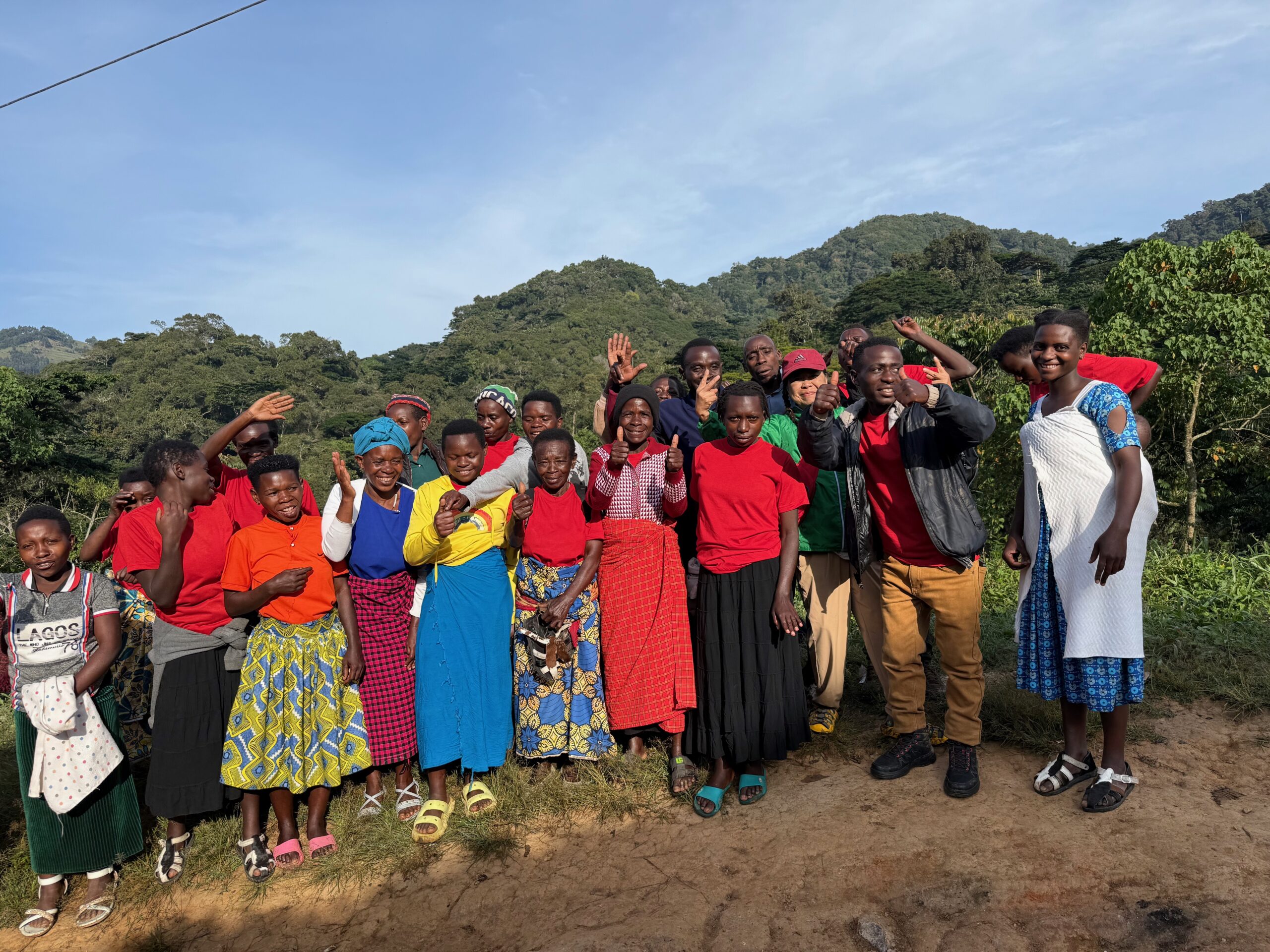
Batwa: The Next Generation
The young men and women of the Batwa community weren’t alive when their families still lived inside the forest. They know that world the way most of us know our grandparents’ childhoods, through stories, told and retold, sitting close enough to listen carefully.
And they do listen. Evenings are still spent with elders, hearing about life before 1991: how the forest provided everything, how their grandparents tracked, hunted, and moved through land that’s now off-limits to them except as visitors. It would be easy for that history to fade with the generation that actually lived it. Instead, the younger Batwa have taken on the job of remembering as something they actively hold onto.
That resilience shows up in practical ways, too. Many young Batwa now work in the tourism industry that grew out of the very forest their families were pushed from. They work as guides on the Batwa Cultural Experience, and as UWA rangers within Bwindi and Mgahinga themselves. It’s not lost on anyone that this generation is walking back into the forest for a living, in a role their grandparents never could have imagined needing. And their children are growing up with something their parents didn’t have: free education, at community schools serving the Batwa families.
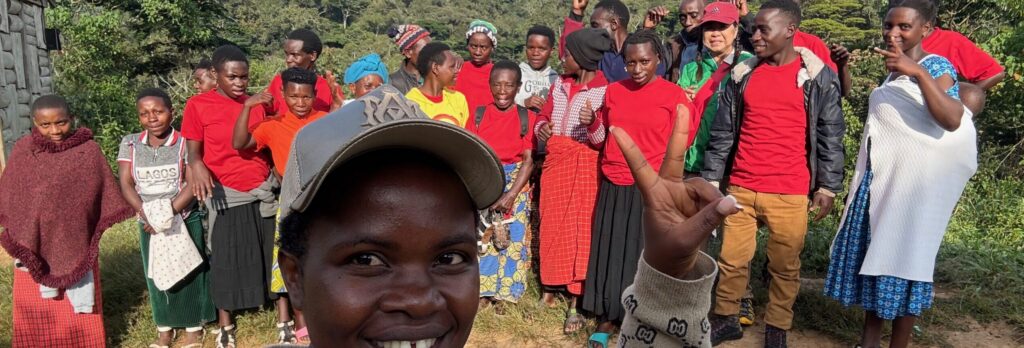
That resilience shows up in practical ways, too. Many young Batwa now work in the tourism industry that grew out of the very forest their families were pushed from. They work as guides on the Batwa Cultural Experience, and as UWA rangers within Bwindi and Mgahinga themselves. It’s not lost on anyone that this generation is walking back into the forest for a living, in a role their grandparents never could have imagined needing. And their children are growing up with something their parents didn’t have: free education, at community schools serving the Batwa families.
Stories from the Road
Every journey has another story waiting to be discovered. Explore more experiences, cultures, wildlife, and people from around the world.