
Batwa & Tourism
There’s a version of this story that ends at the gorillas. Bwindi Impenetrable Forest protects roughly half the world’s remaining mountain gorillas, and travelers pay some of the steepest permit fees in wildlife tourism for an hour in their presence. It’s a genuine conservation success story. But spend a day in the region, and you’ll run into a second story sitting right beside the first one, the Batwa Cultural Experience, a half-day tour built around the community that lived in this forest long before it was a national park, and who were pushed out of it to make that park possible.
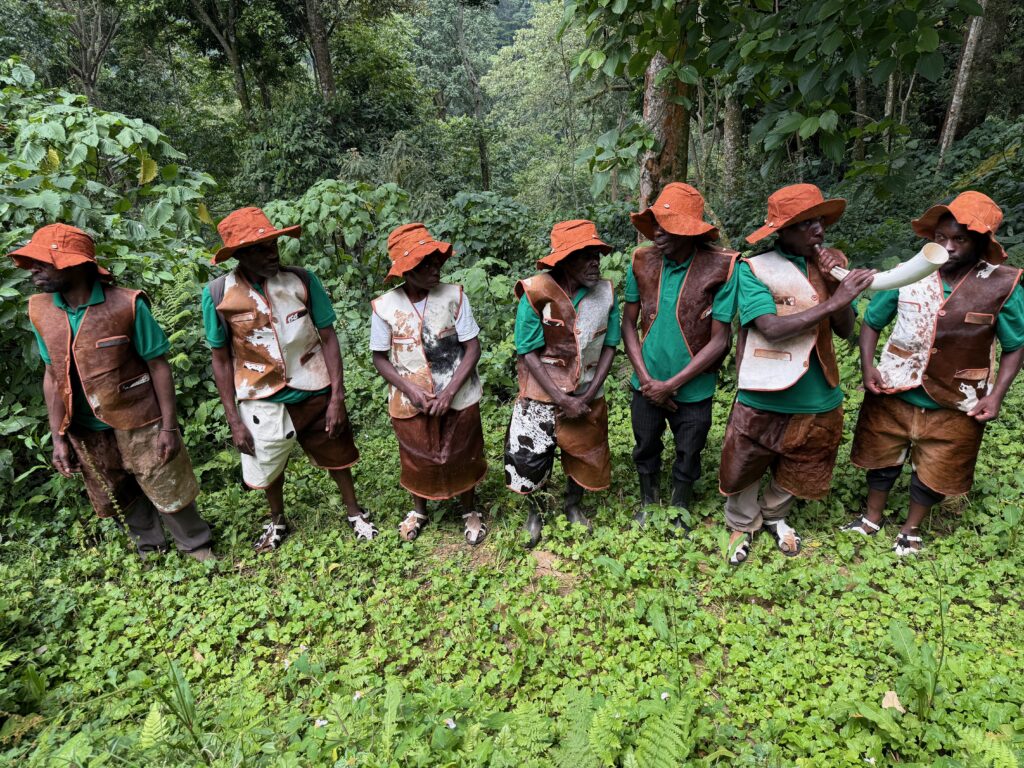
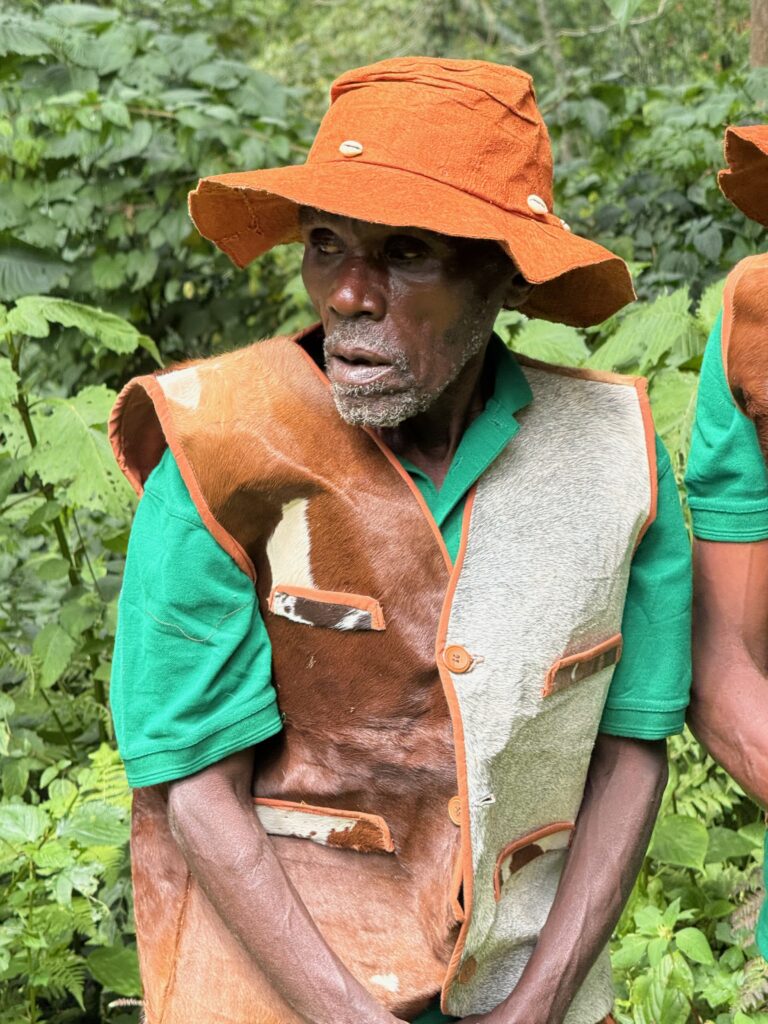
The tour itself is straightforward on paper: a guided walk through the forest with Batwa community members, who demonstrate traditional skills: fire-starting by friction, hunting techniques, foraging for medicinal plants, building a temporary shelter, the same skills their parents and grandparents used to live in these hills full-time. There’s usually a stop in a village, sometimes a meal, often a performance of traditional song and dance. For visitors, it’s a few unforgettable hours. For the Batwa involved, it’s a job.
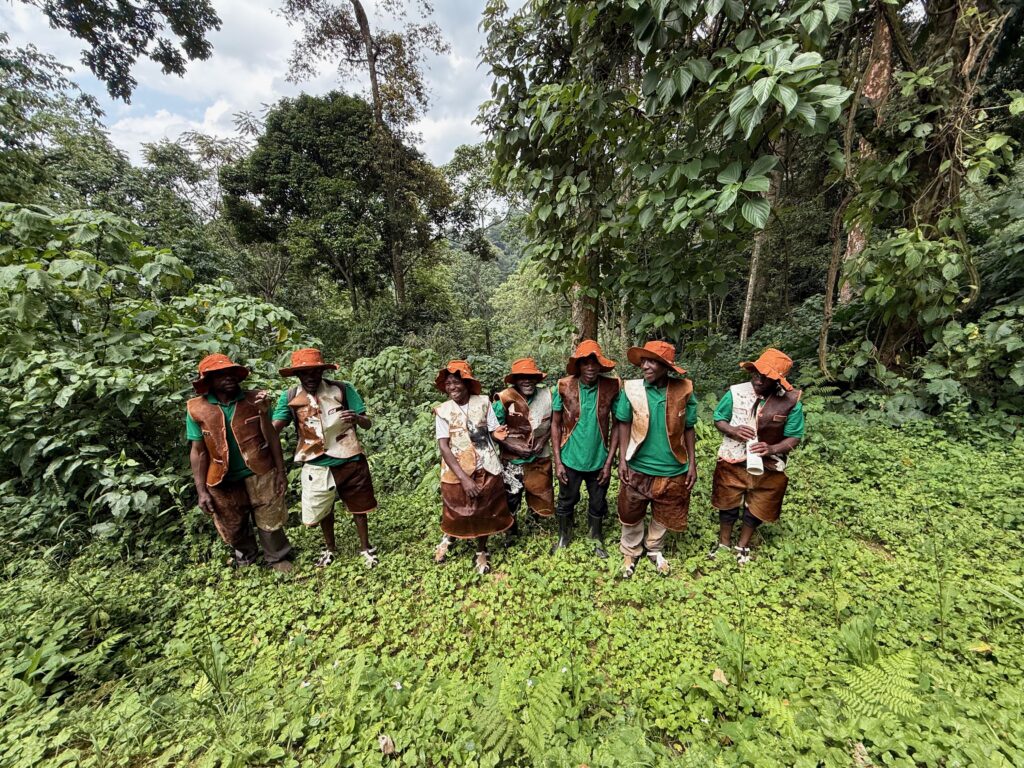
This isn’t a museum exhibit or a historical reenactment. It’s living people narrating the loss of their own home, on a schedule, to a rotating cast of strangers, because the tourism economy built around their former land is now one of the only economies that will hire them. A portion of the revenue from these tours and from broader park fees does support Batwa communities, funding things like the Rushaga Community School, which allows Batwa children to attend for free, closing at least part of the education gap that opened up when their families lost the forest. Some of that money is real, and it does help. But it doesn’t undo the original story: people were removed from their land so the land could be protected, and now that same protection is monetized in a way that includes them only as guides, performers, and cultural consultants to their own history.
This tour deserves a visit and added to your itinerary. We make sure we choose the right community-run operators to ensure revenue actually reaches Batwa households; they’re one of the more direct ways a traveler can put money into a marginalized community’s hands, and they give younger Batwa a reason and a means to keep traditions alive that might otherwise fade with their grandparents’ generation. But it’s worth going in without the comfortable version of the story. The one where conservation is an unambiguous win, and everyone benefits equally. The gorillas were saved. The forest is thriving. And the people who understood both best, longer than anyone, are still waiting for a version of “conservation” that includes them as more than an afternoon stop on someone else’s itinerary.
Stories from the Road
Every journey has another story waiting to be discovered. Explore more experiences, cultures, wildlife, and people from around the world.