
WHY CONSERVATION MATTERS

Protecting Mountain Gorillas for the Next Generation

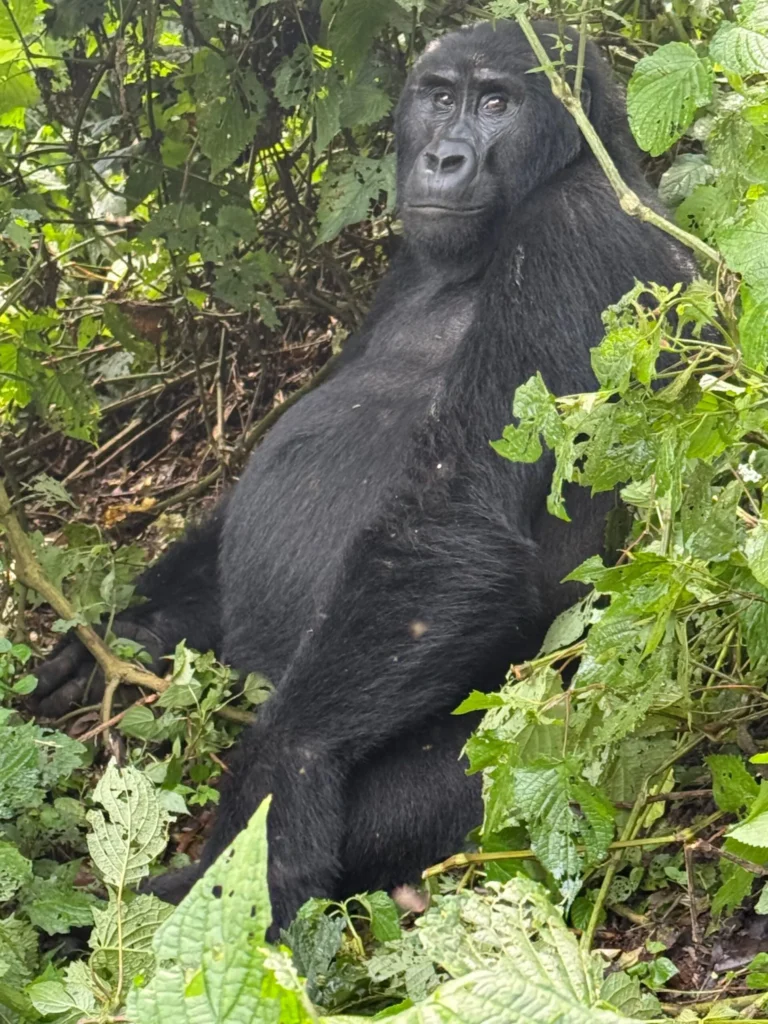
The story of the mountain gorilla is one of the greatest conservation successes of our time. In the 1980s, fewer than 300 mountain gorillas remained in the wild. Today, thanks to dedicated conservation efforts and responsible tourism, that number has increased to over 1,000.

But this progress didn’t happen by chance, and it won’t keep going without our support.
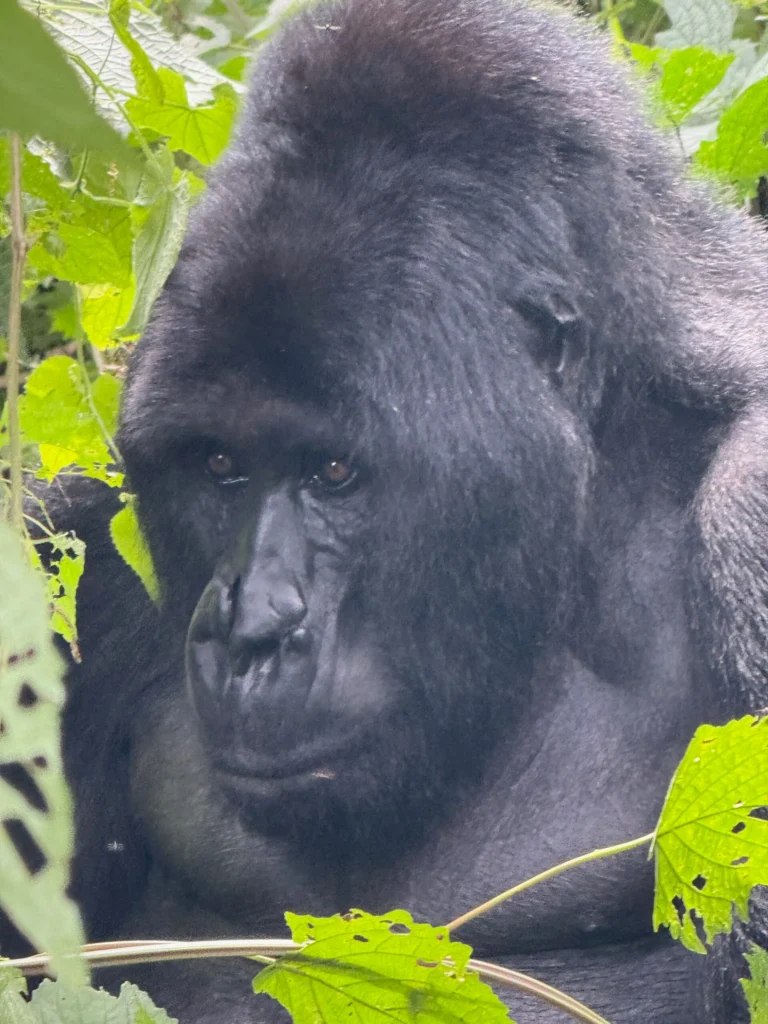
In the 1980s, fewer than 300 mountain gorillas remained on the entire planet. That’s not a typo. A species now considered one of conservation’s great comeback stories was, within living memory, close enough to extinction that its survival was genuinely in question.

The numbers since then tell the story of what sustained, patient effort can do. In 2011, Bwindi alone had roughly 400 mountain gorillas. By 2018, that had grown to 459. Today, the global population stands at over 1,000 individuals,  and it’s still climbing. That recovery didn’t happen on its own. It happened because rangers, researchers, governments, and travelers all kept showing up for it, year after year, long after the initial crisis had faded from headlines.

Why One Species Protects Hundreds

Mountain gorillas are what conservationists call an “umbrella species.” Protect them, and you’re not just protecting one animal. You’re protecting the entire ecosystem they depend on. Bwindi Impenetrable National Park is one of the most biodiverse forests in Africa, home to over 120 mammal species, 350 bird species, 200 butterfly species, and countless plants, insects, and microorganisms most visitors will never even notice. Every ranger patrol, every habituation project, every dollar that goes toward gorilla protection ends up protecting all of it:  the rivers, the forest canopy, the entire web of life that depends on this specific patch of the planet staying intact.

The Threats Haven’t Disappeared

Despite the recovery, mountain gorillas are still not out of danger. They remain vulnerable to habitat loss, to poaching, and,  perhaps counterintuitively, to us: because they share so much of our DNA, mountain gorillas can catch human illnesses, which is part of why health checks and masks are non-negotiable on every trek. Conservation isn’t a problem that gets solved once. It’s a condition that has to be maintained, actively, indefinitely.

Building Something That Outlasts a Single Trip

This is where “for future generations” stops being a slogan and starts being a design choice. Mi Bella Mondo’s approach to protecting gorillas’ long-term means investing directly in the people who live alongside them. We work on the ground with our local partners, including the founding director of the Rushaga Community School, along with the UWA rangers and other local stewards of this land who protect it every day. That means education initiatives for the children and youth of Rushaga, and conservation efforts that are genuinely locally led. When a community has a direct stake in the forest surviving, through jobs, schools, and opportunity, protecting that forest becomes simply how the next generation gets to grow up.

What “Future Generations” Actually Means Here

It means a ranger habituating a family today so a family of gorillas and the tourism economy still exists in 30 years. It means a child at the Rushaga Community School getting an education that might make them the next change-maker, the next ranger, the next tracker, the next guide. It means a population of gorillas that went from 300 to over 1,000, continuing that trajectory instead of reversing it.

None of that happens by accident, and none of it happens quickly. This is the outcome every ranger, every dollar of permit revenue, and every responsible traveler is actively working towards, one habituated family and one supported child at a time.

Everyone is a Conservationist!

You don’t need to be a biologist or live in Uganda to make a difference. You need to care. And if you’ve read this far, you already do!

Let’s Travel For GOOD.

Stories from the Road

Every journey has another story waiting to be discovered. Explore more experiences, cultures, wildlife, and people from around the world.

Scroll to Top