Cristy S

Driving a Car in San Francisco: Pros, Cons, and Tips

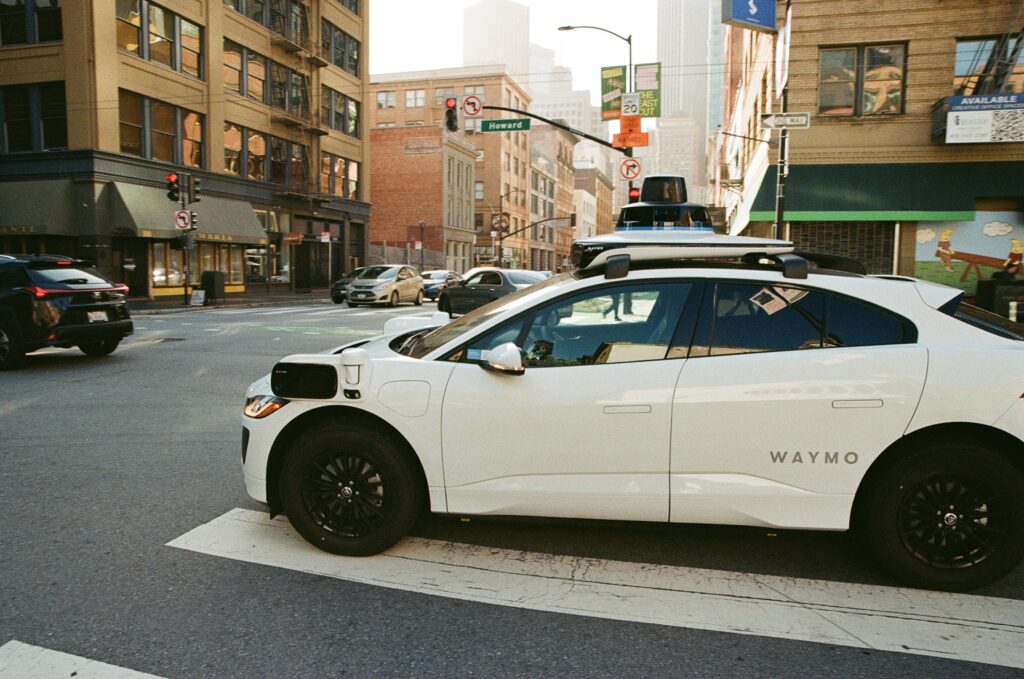
Driving a Car in San Francisco: Pros, Cons, and Tips San Francisco is a city known for its charm, steep hills, and iconic sights. While driving can provide convenience and flexibility, it isn’t always the most practical option depending on your plans and location. Here’s a breakdown of when it makes sense to drive and when alternatives might be better, along with insights on choosing accommodations near the airport versus in tourist areas. When It Makes Sense to Drive in San Francisco Exploring Beyond the City:Driving is ideal if your plans include destinations outside the city, such as: Muir Woods: Just 30 minutes north, public transit options are limited. Wine Country: A day trip to Napa or Sonoma is easiest by car. The Pacific Coast: A scenic drive along Highway 1 to Half Moon Bay or further south to Monterey and Carmel. Late-Night Travel:Public transportation options, like BART or buses, are less frequent or unavailable late at night. A car makes sense if you have nighttime plans, especially in less central neighborhoods. Staying in the suburbs:If you’re staying outside the city (e.g., in Daly City, Millbrae, or near the airport), a car can save you time and provide flexibility. Traveling with a Group or Family:For families or groups of 3-4, sharing rides or renting a car can be cost-effective compared to individual transit tickets or rideshare fares, particularly for airport transfers or day trips. When Public Transportation or Rideshares Are Better within the City San Francisco is compact and well served by: Muni buses & trains: covering neighborhoods and major attractions. Cable Cars: A classic experience for short trips. BART: Convenient for travel to/from the airport or East Bay. Ferries: Ideal for visiting Sausalito or Alcatraz. Driving in the city means dealing with: Expensive Parking: Hotel rates range from $40–$80 per night. Metered or garage parking downtown is limited and pricey. Traffic: Rush hours and events can create gridlock. Navigating Hills: Some streets, like Lombard Street, are not for the faint of heart. Eco-Friendly or budget-conscious travel: Public transportation or biking (especially using Bay Wheels) reduces your environmental impact and costs far less than a rental car or parking fees. Staying Near the Airport vs. Staying in a Tourist Area Staying Near the Airport (SFO): Pros: Affordable hotel options with parking. Convenient if you have an early/late flight or plan to rent a car. Easy access to freeways for day trips. Cons: Longer commute to attractions (30–45 minutes via BART or car). Limited local dining or nightlife. Best For: Budget travelers, short layovers, or those focusing on destinations outside San Francisco. Staying in a Tourist Area (e.g., Union Square, Fisherman’s Wharf): Pros: Walkable access to attractions, restaurants, and shops. Public transportation hubs nearby. Iconic neighborhoods to experience the city’s vibe. Cons: Higher hotel rates and limited parking. Busy streets, which can feel overwhelming for some. Best For: First-time visitors, those without a car, or anyone wanting to immerse themselves in San Francisco’s culture and landmarks. Driving Tips for San Francisco Plan Parking Ahead: Use apps like SpotHero to find and book parking spaces. Use Smaller Cars: Compact vehicles make navigating narrow streets and tight parking easier. Watch for Tolls: Driving to Marin County or the East Bay involves crossing toll bridges like the Golden Gate or Bay Bridge. For car rentals, we recommend using Economy Bookings Car Rental. Ultimately, whether to drive or rely on public transportation depends on your itinerary, preferences, and where you’re staying. A mix of the two often provides the best balance for exploring San Francisco and beyond. Stories from the Road Every journey has another story waiting to be discovered. Explore more experiences, cultures, wildlife, and people from around the world. EXPLORE ALL STORIES

Driving a Car in San Francisco: Pros, Cons, and Tips Read More »
A Guide to Navigating San Francisco’s Public Transportation

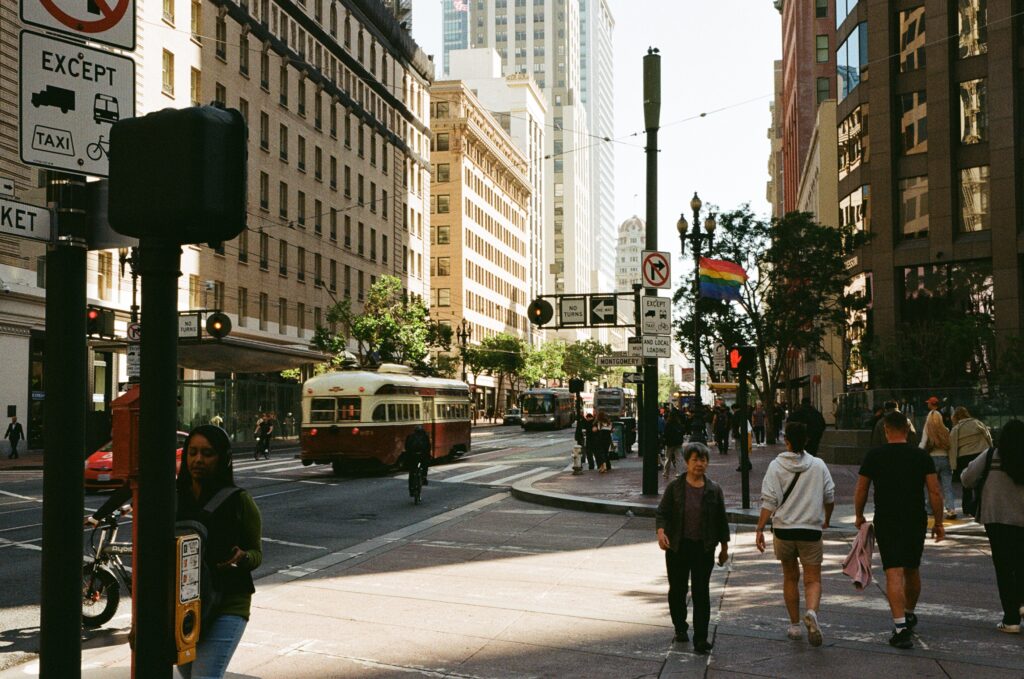
A Guide to Navigating San Francisco’s Public Transportation San Francisco’s public transit system is one of the most effective methods for exploring the city. It is designed to help residents and visitors navigate the city’s iconic hills, colorful neighborhoods, and main attractions without the hassle of driving or parking. The following transportation options will alleviate the need to navigate congested streets or pay exorbitant parking fees when visiting diverse regions such as the Mission, Chinatown, and North Beach. By utilizing public transportation in San Francisco, you can experience the City at your leisure and feel as though you are a local. This is accurate regardless of whether you are transiting the harbor by ferry, boarding a transport to Golden Gate Park, or traveling the picturesque cable cars. Most Bay Area transportation systems, including Muni, BART, and Caltrain, accept the Clipper Card to simplify transit payments. At entry points, this rechargeable card will promptly deduct the appropriate fare from your account when you present it. You have the choice to acquire a daily or extended stay. Muni is the primary public transportation system in the city. Muni, an acronym for the San Francisco Municipal Transportation Agency, maintains various transportation options, such as buses, light rail trains, cable cars, and historic streetcars. The city is easily navigable without a vehicle due to Muni’s extensive coverage of nearly every area. Muni buses and light rail lines reliably and frequently connect popular destinations such as the Mission District, Fisherman’s Wharf, Union Square, and Golden Gate Park. The Muni is a cost-effective mode of transportation, with a single ticket priced at about $3. In addition, there are options for day passes or the “Muni Passport” that allow for unlimited journeys, which may be a cost-effective option if you intend to visit multiple locations. To board, you can use the MuniMobile app, a Clipper Card, or cash. A single adult ticket costs $3 if paid in cash and $2.50 if paid via MuniMobile or Clipper Card. Youth (ages 5-18), seniors (ages 65+), and travelers with disabilities ride for less. The F-Line, a particularly renowned Muni streetcar, offers a breathtaking tour from downtown to Fisherman’s Wharf, spanning Market Street and the Embarcadero. Inbound, the F-Line runs along Market Street until it reaches the Ferry Terminal Building on the Embarcadero, then turns west to the wharf. There are four inbound stops along Jefferson Street. Outbound, passengers can board at the Jones Street Station or two other spots along Beach Street at the wharf. The F-Line runs 365 days a year, from before 6 AM until after 1 AM. Streetcars run every six minutes during daylight hours and 10-15 minutes early morning and late evening. Riding the Powell-Hyde line on the cable cars is one of the most thrilling activities in San Francisco. This encounter offers a swift ascension to the city’s high peaks, where visitors can enjoy spectacular vistas of the harbor and the city below. It is an obligatory aspect of a visit to San Francisco; however, it is crucial to remember that it is a highly sought-after destination, and the queues may become quite lengthy. Market Street turnaround and the Hyde and Beach stop at Ghirardelli Square. Market Street turnaround: The starting point for the Powell-Hyde cable car and Hyde and Beach stop: The ending point for the Powell-Hyde cable car, located at Ghirardelli Square. Fares are available as a single-ride ticket ($7) or a 1-, 3-, and 7-day pass. Single-ride (one-way) fares must be paid in advance of boarding at the terminus. Fares may be paid onboard to the conductor at all other stops. You can also purchase fares via the free MuniMobile app; the cable car lines start operating at 7:30 a.m. and close at 10:30 p.m., Monday through Sunday. A downloadable map of the cable car routes is available on the Market Street Railway site. Insider tip: Transfers from buses or metro lines are not accepted on cable cars. Check out the SF Muni website for more information about MUNI maps and guides. The BART system connects the Bay Area. BART is fast, affordable, and avoids traffic, which can often be heavy around the airport and downtown areas. With trains running every 15-30 minutes, it’s a reliable choice for visitors looking to get into the heart of the City without the hassle of parking or rental cars. The Bay Area Rapid Transit (BART) system extends south to the San Francisco International Airport (SFO) and beyond, connecting San Francisco to communities in the East Bay, including Berkeley and Oakland. Using BART is not only straightforward but also fast and convenient when compared to commuting in congestion in the Bay Area, particularly during peak hours. The Bay Area Rapid Transit (BART) system offers a dependable and cost-effective method of transportation to the central business district of the city for visitors who arrive at San Francisco International Airport (SFO). This eliminates the necessity of renting a vehicle. Check out the BART website for more information. Traveling from San Francisco International Airport (SFO) to downtown San Francisco via BART (Bay Area Rapid Transit) is one of the most convenient and affordable options. How to Get from SFO to Downtown San Francisco on BART Locate the BART Station: The BART station is located in the International Terminal at SFO. If you arrive at Terminals 1, 2, or 3, you can take the AirTrain (SFO’s free shuttle) to the International Terminal to reach the BART station. Board the BART Train: Look for trains heading toward Daly City or Pittsburg/Bay Point (sometimes referred to as the Yellow Line). Both options will take you through downtown San Francisco. Get Off at Your Stop: Popular downtown stops include Civic Center, Powell Street (near Union Square), Montgomery Street, and Embarcadero. Cost of BART from SFO to Downtown San Francisco Fare: The one-way fare from SFO to downtown San Francisco is approximately $10.40. You can pay with a Clipper Card (a reloadable transit card used throughout the Bay Area) or purchase a paper ticket from

A Guide to Navigating San Francisco’s Public Transportation Read More »

Sunset District

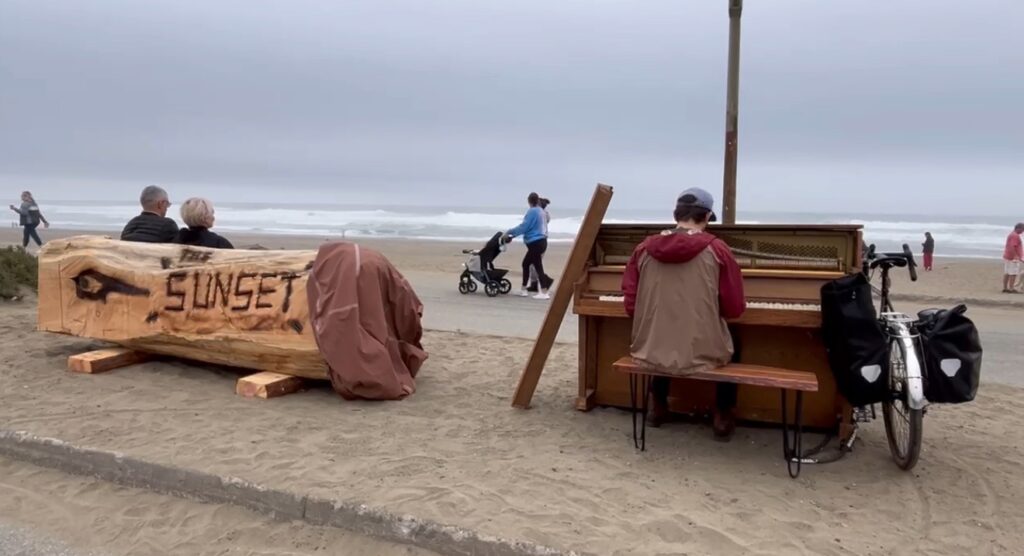
Sunset District  The Sunset District is a predominantly residential neighborhood located in the western part of San Francisco, stretching from the Pacific Ocean to Golden Gate Park. Known for its relaxed atmosphere and family-friendly vibe, the area features a mix of single-family homes, charming apartments, and various local businesses. Historically, the district developed in the early 20th century, transforming from dunes to a thriving community filled with parks and schools. Its distinctive coastal climate is frequently characterized by fog and cool breezes due to its proximity to the ocean and natural landscapes. Things to do and see! 16th Avenue Stairs—famous for all the colorfully tiled stairs in the City. There are a total of 163 steps, and all of them are gorgeous beyond belief. Each flight of stairs has a design that is specific to it.  Some of these are the ocean, the sky during the day and at night, and other magical locations.Location: Moraga Street between 15th and 16th Street Lower Great Highway Trail—This path is about 3.5 miles long and takes you from Ocean Beach to the now-closed Cliff House (or the other way around depending on how you walk it). As you walk along it, you will see the remnants of the massive Sutro Baths, which burned down long ago. The views are spectacular, and there are lots of trees, shrubs, and birds all around you. Great Highway and Noriega Street Grandview Park—This mountaintop park in the San Francisco Sunset District has a 360-degree view of the City. From the top, you can see the Golden Gate Bridge, the East Bay, south towards Silicon Valley, and more. Mount Sutro Open Space Preserve—This is a true hidden gem for nature lovers in San Francisco. With over 61 acres of eucalyptus trees, wildlife, and trails, you will feel like you have gone back in time. Location: 106 Clarendon Avenue. Breweries—The Sunset is an up-and-coming location for breweries today. Most of the breweries are small batches and owned by locals who started them on their own. A number of them have the brewing equipment on site, and you can see the brewing in person. San Francisco Zoo—a gem that has more than 2,000 animals with more than 250 species on its 100 acres! When you visit here, you will see that it has different sections to make your journey easier to plan. Some of these include the African Region with gorillas, giraffes, and birds. Penguin Island is a favorite since it has two species of endangered rhinos, and of course, penguins and a black rhino! There is also a special Exploration Zone that is specifically for kids with interactive displays so they can learn more about the animals. Make sure to check the feeding schedules too. Buy tickets here. Location: Sloat Boulevard and Great Highway More on Golden Gate Park here.   Outside Lands Festival This massive 3-day festival happens in August and is full of live music, comedy, food, drinks, and art. This festival is one of the most famous and always has headliners each day from many different musical styles. Some of the past musical performers include Paul Simon, Lil Wayne, and Puddles Pity Party. There are special food and drink areas that serve only the best of the best. These tickets can be hard to get, so it is best to plan and buy them as soon as possible. Stories from the Road Every journey has another story waiting to be discovered. Explore more experiences, cultures, wildlife, and people from around the world. EXPLORE ALL STORIES

Sunset District Read More »

Richmond District

Richmond District The Richmond District, located in the western part of San Francisco, is a diverse and vibrant neighborhood known for its residential charm and cultural richness. The neighborhood, which consists of a mix of Victorian houses and mid-century buildings, showcases the city’s architectural heritage. The community is home to a significant number of immigrants, particularly from Asia, contributing to a unique blend of cultures, languages, and culinary experiences. It is friendly and laid-back, making it a quintessential San Francisco neighborhood that celebrates its multicultural heritage while fostering a strong sense of community. The San Francisco Richmond District’s eastern borders are Arguello Blvd. and Masonic Ave., and it runs all the way west to Ocean Beach. Things to do and see!   More on Golden Gate Park here. Ocean Beach—At the far western end of the Richmond District in SF, you will find Ocean Beach. This flat beach is where SF meets the Pacific Ocean. It’s a low-key spot where surfers hang out to catch some waves (the waves are small, so it’s perfect for beginners), and locals come for some peace. It’s cold here most of the year, so make sure to bundle up a little before you arrive. This beach is known for gorgeous sunsets, loads of surfers, and an easy escape from all the hustle and bustle of the city. Richmond District Mural Walk—The Richmond is home to some lovely murals that reflect the area’s diversity and community spirit. Murals can be found along Balboa Street, Clement Street, and other parts of the neighborhood, depicting cultural scenes, historical figures, and nature. Columbarium—The Columbarium is the resting place for thousands of San Francisco residents. It was built in the late 1800s and was well-maintained for several years. However, it was abandoned in 1934 and fell into disrepair after the surrounding cemetery was moved south of the city. The Neptune Society took it over in 1980 and did a fantastic job fixing it up. Today, this gorgeous building is a wonderful place to visit in the San Francisco Richmond District. It’s beautiful both inside and out with a Neoclassical design, colorful stained-glass windows, and interesting displays for those who have been laid to rest here. Neck of the Woods—Head over to one of the hottest live music spots in the Richmond District in SF, Neck of the Woods. This small venue offers live music most nights of the week. Holy Virgin Cathedral—This Russian Orthodox Church is a church in the Richmond District. The outside features gold-covered domes with richly colored murals. Inside, you can get a better look at its multicolored stained-glass windows. You can also look at its various pieces of art, including the frescoes depicting the Stations of the Cross. It’s open to the public as long as there isn’t a mass in session. Lands End—At the edge of the Richmond District, Lands End is a stunning coastal park with rugged cliffs, scenic trails, and breathtaking views of the Pacific Ocean and Golden Gate Bridge. The Lands End Trail is a must, leading to the Labyrinth—a circular maze overlooking the water. It’s a fantastic spot for hiking and photography. See our blog about hiking on the trail and free things to do in San Francisco. Lincoln Park Golf Course—a great spot for a golf course! The Lincoln Park Golf Course is inexpensive (for local standards) and has gorgeous views of the Golden Gate Bridge and the surrounding area. It’s a par-68 course that opened in 1928. This public course in the San Francisco Richmond District is open to all golfers. Lincoln Park—a close-up look at the detail that went into creating the tiles on the Lincoln Park Steps. These colorful mosaic steps are at the end of California Street near 32nd Avenue. The red, orange, blue, and yellow stairs attract visitors from around the world. It’s a wonderful stop for that perfect Instagram picture. Sutro Baths Ruins—Lands End, the Sutro Baths ruins offer a glimpse into San Francisco’s history. This former public bathhouse built in the late 1800s was once the world’s largest indoor swimming complex. Today, it’s an atmospheric site where visitors can explore the ruins and take in dramatic coastal views. There’s also a nearby cave trail that’s fun to explore. Stories from the Road Every journey has another story waiting to be discovered. Explore more experiences, cultures, wildlife, and people from around the world. EXPLORE ALL STORIES

Richmond District Read More »

SOMA (South of Market)

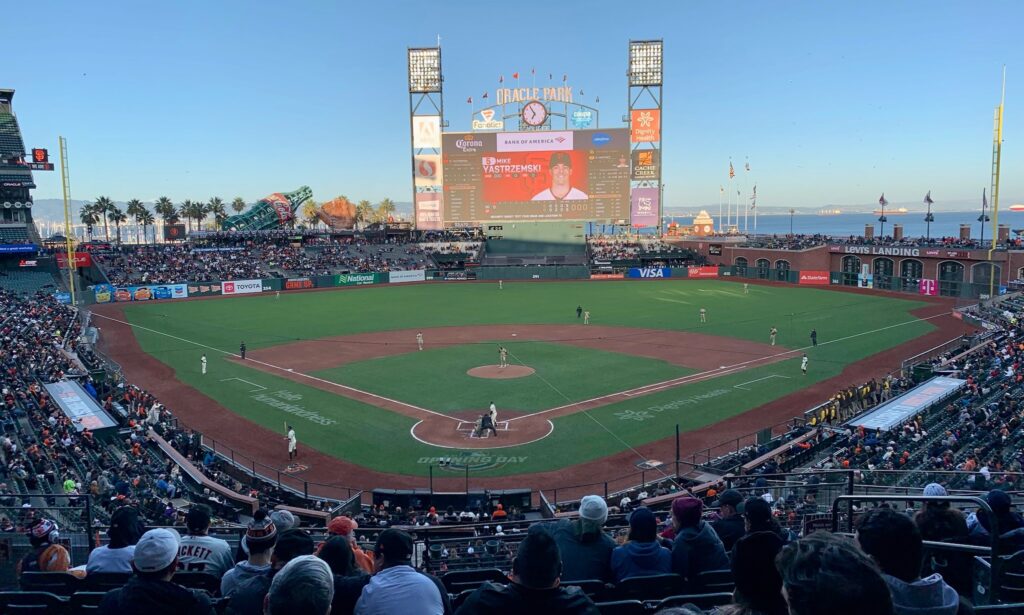
SOMA (South of Market) It is one of San Francisco’s most dynamic and rapidly evolving neighborhoods, characterized by its industrial roots and contemporary development. Historically a center for manufacturing and warehousing, SoMa has transformed over the years into a vibrant area filled with art spaces, tech companies, and cultural venues. This transition has brought both innovation and complexity as long-standing communities coexist with new residents and businesses. The neighborhood’s architecture reflects its past, with a mix of historic warehouses and modern high-rises. Incorporating the city’s spirit of adaptability and resilience amidst the ups and downs of urban life, SoMA’s diversity shapes its identity. Things to do and see! San Francisco Museum of Modern Art (SFMOMA)—one of the largest modern and contemporary art museums in the United States. Its impressive collection features works from artists like Frida Kahlo, Jackson Pollock, and Andy Warhol, as well as rotating exhibitions. Don’t miss the rooftop sculpture garden and the iconic Living Wall, a vertical garden installation with over 19,000 plants. The Museum of Modern Art recently underwent a major renovation and addition. SFMOMA is home to more than 30,000 pieces of art, including photography, sculptures, paintings, and more. Buy tickets here.Location: 151 3rd Street. Yerba Buena Gardens—This peaceful urban oasis offers green space in the heart of SoMa. The gardens are home to fountains, a reflecting pool, art installations, and the Martin Luther King Jr. Memorial waterfall. It’s a wonderful place to relax, have a picnic, or attend one of the many events held here throughout the year. The Yerba Buena Center for the Performing Arts features both a museum and performances. The museum features an evolving set of exhibits from artists from around the world. Shows here include ballet, films, and more.Location: 701 Mission Street. Daniel Libeskind, an architect, created the striking Contemporary Jewish Museum (CJM). The museum offers exhibitions that explore Jewish culture, history, and art. It’s a thought-provoking space that includes art installations, interactive exhibits, and community programs. Children’s Creativity Museum—Located at Yerba Buena Gardens, a hands-on, interactive museum for families with children. It features activities like animation studios, a design lab, and a music studio where kids can create and explore. It’s a fun stop for families visiting SoMa. Things to Do with Kids: You will find a variety of things to do with kids. LeRoy King Carousel—an indoor carousel that is open daily and tied to the museum (211 4th Street), an indoor skating rink that is open all year long (750 Folsom Street), and a bowling alley (750 Folsom Street) that is geared toward kids and teens. Rincon Murals—Another favorite in the South of Market San Francisco is the murals in the historic Rincon Center. Enter through the doors on Mission (between Spear and Steuart) to check out the gorgeous murals in the lobby of the old parking lot. The 27 murals here follow the history of San Francisco, according to an artist (Anton Refregier) who had never visited San Francisco before he was selected to paint them.Location: 121 Spear Street. Oracle Park (Home of the San Francisco Giants)—one of the most beautiful baseball stadiums in the United States—offers views of the San Francisco Bay and a unique atmosphere for watching a Giants game. Even if it’s off-season, you can take a behind-the-scenes stadium tour or visit The Yard at Mission Rock, a nearby space with pop-up food and drink vendors. Other activities here each year include concerts, SF Giants Fan Fest, Discovery Days, and free opera. You can also tour Oracle Park on certain days. The SF Giants take the field in late March for pre-season games against the A’s. Their regular season runs from April to late September/early October and beyond if they make it into the playoffs.Location: 24 Willie Mays Plaza. AT&T Rooftop Park—Located on top of the AT&T headquarters at 500 Howard Street, this hidden rooftop garden offers lovely views of the city skyline and a tranquil space with seating and greenery. It’s open to the public and makes for a relaxing, elevated escape from the busy streets below. Museum of the African Diaspora (MoAD)—MoAD focuses on the art, culture, and history of the African diaspora. Its exhibitions showcase African and African American artists, celebrating African heritage and exploring issues of identity, migration, and resilience. The museum often hosts talks, screenings, and events that foster community discussions. You will learn about the migration of people from Africa to countries around the world. The museum is not your typical one and includes interactive displays, so you have fun as you learn. Make sure to step across the street to fully see their display in the window, which creates an image out of thousands of small pictures.Location: 685 Mission Street. The Arcades at Musée Mécanique—this unique arcade museum features antique coin-operated machines and vintage games. From fortune tellers to old-school arcade games, Musée Mécanique offers a quirky, nostalgic experience. It’s technically closer to Fisherman’s Wharf but simple to visit from SoMa. Exploratorium (Pier 15)—technically, in the Embarcadero area, the Exploratorium is close enough to SoMa to make it a must-visit. This interactive science museum features exhibits that let you explore science, art, and human perception. It’s a fun and educational stop for visitors of all ages, especially during their “After Dark” events for adults. Buy tickets here. South Park—a tiny, oval-shaped park with hip cafes and restaurants all around it. Once a historic gathering place for artists, it now offers a relaxed atmosphere for a coffee break or a walk. The Butler & The Chef is a charming French cafe nearby, perfect for breakfast or lunch. Shopping and Design Stores—SoMa is home to unique boutiques and design stores. Heath Ceramics offers handcrafted ceramics, while Design Within Reach showcases modern furniture and home decor. SoMa’s shopping scene caters to fans of design with high-quality, artisan goods. Metreon—Inside this complex, you will find about half a dozen shops, a food court with more than a dozen options, and a large 16-screen movie theater with an IMAX. Most stores

SOMA (South of Market) Read More »

Tenderloin District

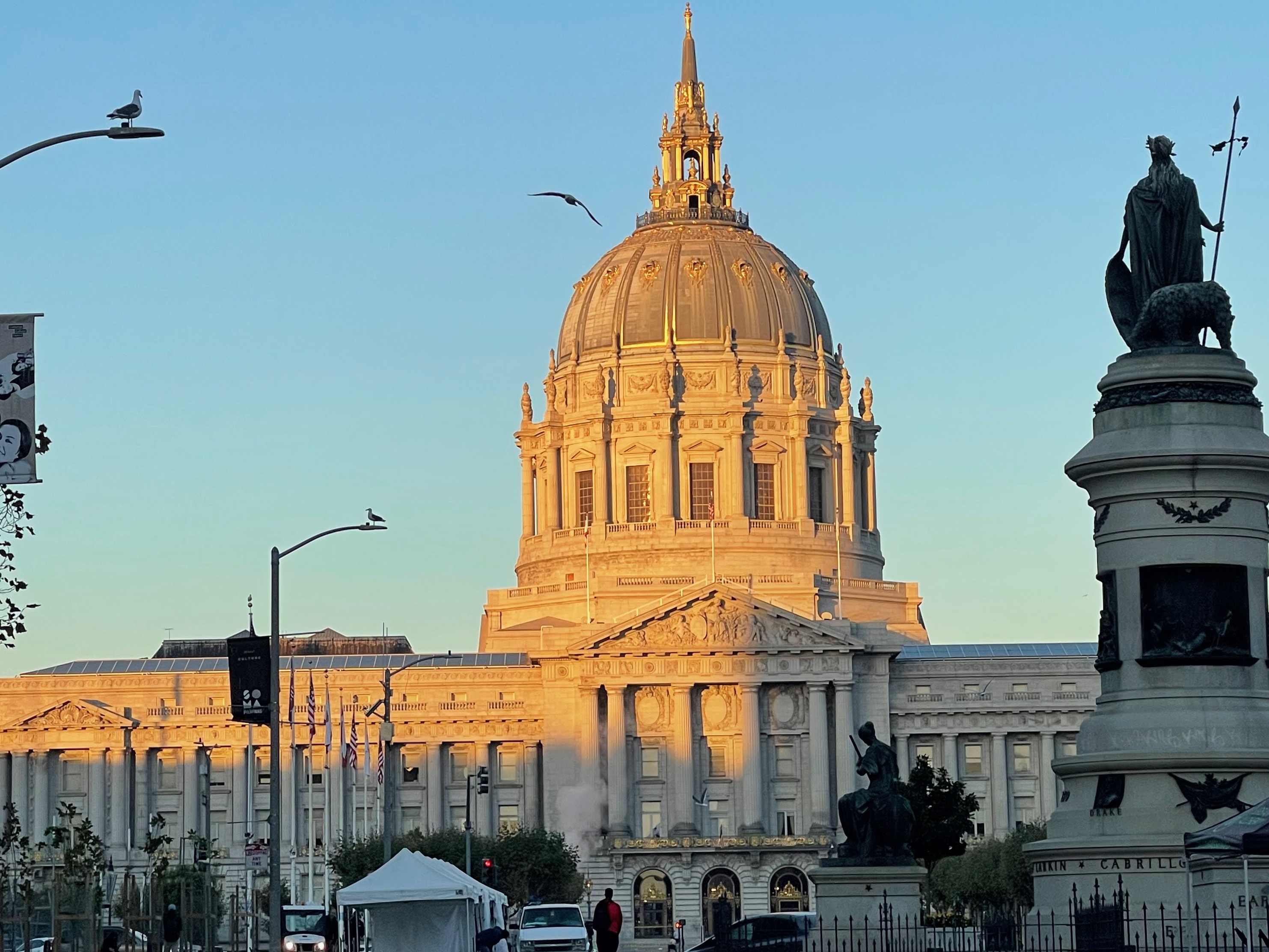
Tenderloin District The Tenderloin District is a neighborhood with a complex and storied history. Known for its gritty urban character, the area has long been a hub for marginalized communities, including immigrants, artists, and activists. Over the years, it has become synonymous with the city’s struggles around poverty and homelessness, while also serving as a cultural melting pot. Despite its challenges, the Tenderloin has retained a resilient spirit, offering a glimpse into a side of San Francisco where social issues and urban life collide. Its deep history and the diverse groups that call it home contribute to its unique character within the city’s broader landscape. The Tenderloin neighborhood isn’t going to welcome you with open arms. Its guarded and selective nature is exactly why this San Francisco pocket has resisted gentrification and remained a bastion of activism amidst complicated politics and money-wielding players fighting over the neighborhood like, well, a cut of tenderloin. Things to do and see! Tenderloin Museum—start your visit here, which dives into the neighborhood’s rich history. From its origins as a nightlife and jazz hub in the 1920s to its role in the LGBTQ+ rights movement, the museum provides insights into the community and culture that have shaped Tenderloin. They also offer guided walking tours that share lesser-known stories about the area. Check Out the Local Murals—the Tenderloin has some amazing street art and murals that capture the spirit and resilience of the community. Many of the murals were created by local artists and community groups and can be found along alleyways and building walls.  Discover the Tenderloin National Forest—this hidden gem is a small, green sanctuary located in Cohen Alley, created by the community as a space for art, nature, and relaxation. It’s a peaceful spot filled with greenery, murals, and artwork, providing a bit of tranquility amid the busy streets. The space often hosts community events, art workshops, and gatherings. The first tree planted, a giant redwood, is now a 25-year-old threatening to grow beyond the strict 40-foot height caps in other old neighborhoods. catch the occasional concert. Location: 501 Ellis Street. Great American Music Hall—this historic venue, dating back to 1907, is one of the oldest concert halls in San Francisco and an architectural gem. Known for its gilded balconies and stunning decor, Great American Music Hall hosts a variety of live music performances, from indie bands to jazz musicians. It’s a must-see for music lovers who enjoy an intimate concert experience. Asian Art Museum—just outside the Tenderloin, the Asian Art Museum houses one of the largest collections of Asian art in the U.S., with exhibits spanning from ancient times to contemporary works. It’s an incredible spot to see everything from Japanese calligraphy to Buddhist sculptures, providing a cultural escape just a short walk away. Glide Memorial Church—known for its social justice work, activism, and community services. It’s a unique place to visit for its gospel choir and inclusive, energetic Sunday services, welcoming people from all walks of life. Glide is also an important organization in the community, offering services like meal programs and healthcare. Explore Historic Architecture—the Tenderloin has some of the city’s best-preserved examples of early 20th-century architecture, including Art Deco and Beaux-Arts buildings. Walking through the neighborhood, you’ll spot old theaters, apartment buildings, and historic hotels like the Hotel California and Alder Hotel, which hold stories of old Hollywood and jazz. LGBTQ+ History and Culture—the Tenderloin played a significant role in the LGBTQ+ rights movement, and the neighborhood’s past reflects this. In 1966, Compton’s Cafeteria (now a historic site near Taylor and Turk Streets) was the site of one of the first known LGBTQ+ protests against police harassment, predating the Stonewall riots. You can visit the Compton’s Cafeteria plaque to learn about this landmark event in LGBTQ+ history. Visit Local Theaters—the Tenderloin has a surprising number of small theaters and independent art venues. Piano Fight is a popular spot for comedy shows, improv, theater, and live music, offering an eclectic mix of local talent. EXIT Theatre hosts experimental theater and the San Francisco Fringe Festival, making it a wonderful place to catch unique performances. People-watching at Civic Center Plaza (nearby)—the San Francisco City Hall, the War Memorial Opera House, and the San Francisco Public Library are just a few of the iconic structures that surround the Civic Center Plaza, a public square close to the Tenderloin. It’s a wonderful place to people-watch, snap photos of City Hall’s beautiful architecture, and relax in the open space. Seasonal events, such as farmers’ markets and food festivals, are often held here. Golden Gate Theatre—Catch a show at the Golden Gate Theatre, a restored theater that often hosts Broadway productions and popular musicals. It’s a beautiful venue with historic charm and brings major shows to San Francisco. Homeless Outreach and Volunteering—The Tenderloin faces challenges related to homelessness, and there are many organizations that support the local community. If you’re interested in giving back, you can volunteer with groups like St. Anthony’s Foundation, which provides food, medical services, and shelter. It’s a meaningful way to connect with and contribute to the community. Nightlife and Bars Despite its gritty reputation, the Tenderloin has some unique and iconic bars. Swig offers a relaxed, stylish vibe with cocktails and music, while Emperor Norton’s Boozeland has a lively dive bar atmosphere. Black Cat is a jazz bar with live music and vintage, speakeasy-inspired decor, perfect for a night out. Back to the main page, San Francisco neighborhoods, to keep planning your perfect adventure.  

Tenderloin District Read More »

Japantown

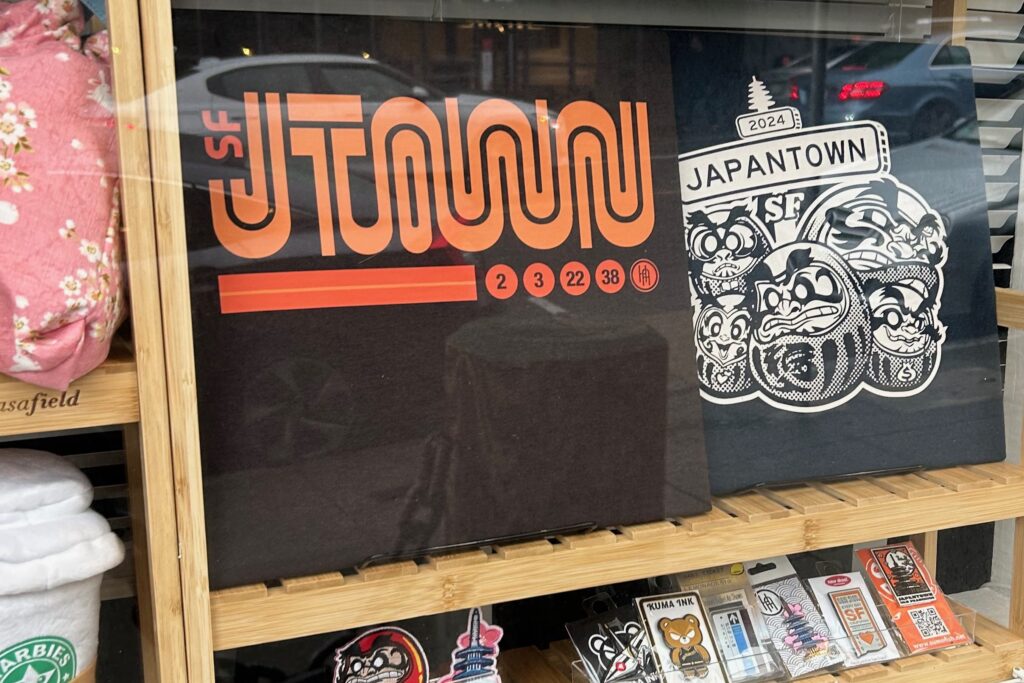
Japantown It is one of only three Japantowns in the United States and one of the oldest and most enduring cultural neighborhoods in San Francisco. It represents a strong connection to the Japanese-American community. Established in the early 1900s, it has a deep history rooted in the experiences of Japanese immigrants and their descendants. The neighborhood’s quiet charm reflects a blend of tradition and resilience, offering a peaceful contrast to the urban sprawl that surrounds it. Japantown remains a significant cultural landmark in San Francisco’s diverse landscape. Things to do and see! Japan Center Malls (East and West Malls)—the Japan Center is the heart of Japantown, housing a variety of shops, restaurants, and cultural stores. Inside, you’ll find Japanese souvenirs, anime merchandise, kimonos, and Japanese household items. Explore shops like Daiso (for affordable Japanese goods) and Kinokuniya (a Japanese bookstore with a fantastic selection of manga, art books, and stationery). Don’t miss the hidden gem of the Sanrio Store, offering Hello Kitty and other kawaii items that make for perfect souvenirs. Osaka, Japan’s sister city to San Francisco, gave the world-famous Peace Pagoda as a gift. It’s located in Peace Plaza, the central square of Japantown, and serves as a focal point for the community. It’s a wonderful spot for photos and a peaceful place to take in the architecture and Japanese-inspired landscaping. Kabuki Springs & Spa—a tranquil retreat with traditional Japanese-style baths, massage services, and spa treatments. With hot and cold pools, saunas, and steam rooms, the communal baths offer a tranquil setting on alternate days. It’s the perfect place to relax after a day of sightseeing. Entrance at 1750 Geary Blvd., Kinokuniya Mall. Catch a Movie at the Kabuki Theater—The AMC Kabuki 8 is a unique theater known for screening a mix of mainstream, indie, and Japanese films. It’s a stylish cinema with reserved seating, and some screenings are 21+ and feature a bar service. Enjoy a Japanese or international film to complete your cultural experience. Soko Hardware—This charming family-owned store, opened in 1925, is a mix of a traditional hardware store and a Japanese home goods shop. You’ll find everything from Japanese kitchenware and ceramics to gardening tools and paper lanterns. Japanese Cultural and Community Center of Northern California (JCCCNC)—The JCCCNC offers cultural workshops, events, and classes that showcase Japanese culture, from calligraphy and tea ceremonies to language lessons. Check their schedule to see if any events are open to the public during your visit. Explore Buchanan Street Mall—This pedestrian street features Japanese-inspired sculptures, street art, and murals. You’ll find quaint shops selling Japanese trinkets, beauty products, and accessories. It’s also a wonderful place for photos and a leisurely walk. Japanese American History Museum—Located nearby, this museum documents the history of Japanese Americans in San Francisco and the broader Bay Area, including the internment period during WWII. It’s a small but meaningful museum that provides insight into the community’s history and resilience. J-Pop Summit (Occasional Event)—occasionally held in Japantown, the J-Pop Summit is a festival celebrating Japanese pop culture, featuring music performances, fashion shows, anime, and art. This event brings fans of Japanese pop culture together and showcases the latest trends from Japan. Visit St. Mary’s Cathedral (nearby)—just a short walk from Japantown, St. Mary’s Cathedral is a modern, strikingly designed Catholic cathedral with impressive architecture. Its distinctive, futuristic shape makes it worth a quick visit, especially for architecture enthusiasts. Explore Artisanal Shops—Japantown features a range of unique artisan shops where you can find handcrafted goods. Kintetsu Mall has several small stores where you can buy Japanese ceramics, teas, chopsticks, and other crafts. These make excellent gifts or souvenirs. Try Karaoke—Karaoke is a popular pastime in Japan, and you can find it right here in Japantown. Visit Do Re Mi Music Studio or Pandora Karaoke & Bar to sing your favorite songs with friends in private karaoke rooms. Visit During the Cherry Blossom Festival The Northern California Cherry Blossom Festival is one of the largest in the U.S. The festival celebrates Japanese culture with traditional performances, Taiko drummers, food booths, and cultural demonstrations. It’s a wonderful time to experience Japantown at its liveliest. This festival takes place over two weekends in early April every year. Stories from the Road Every journey has another story waiting to be discovered. Explore more experiences, cultures, wildlife, and people from around the world. EXPLORE ALL STORIES

Japantown Read More »

Union Square

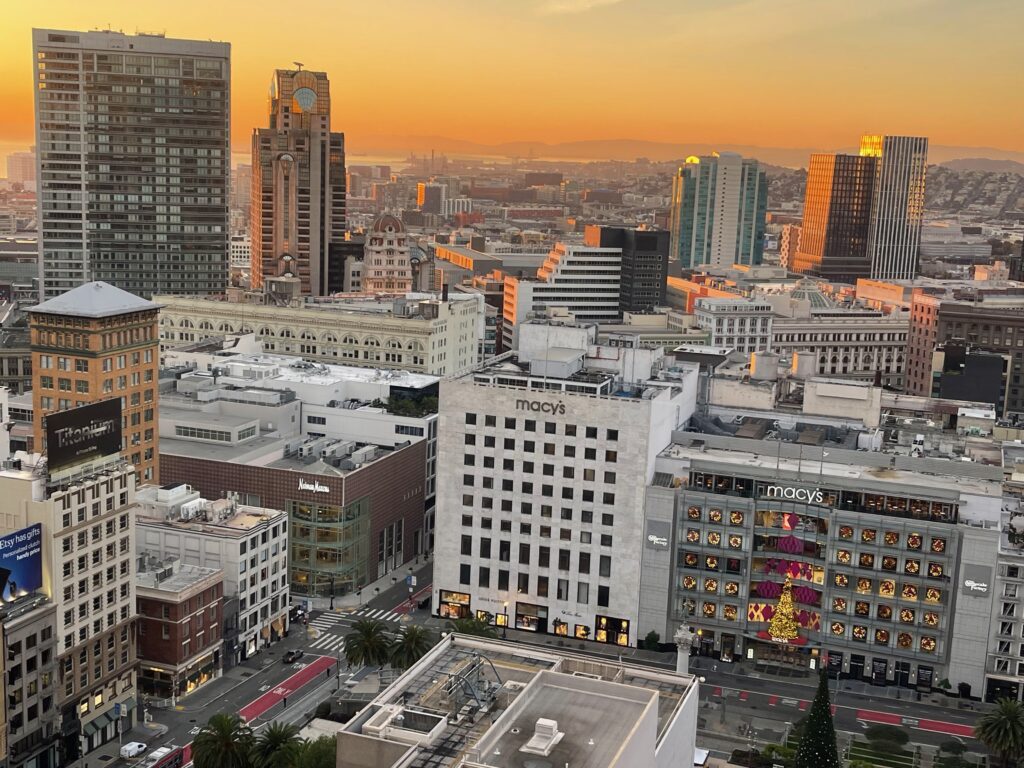
Union Square Union Square is the bustling heart of San Francisco, known for its central location and energy. This neighborhood exudes a mix of modernity and classic charm, reflecting the city’s commercial and cultural history. The district has long been a hub for activity, where historic architecture blends with sleek, contemporary developments. Its central position has made it a key part of San Francisco’s urban landscape, a space where the city’s past and present converge amidst the busy streets and towering structures. Things to do and see! Shopping—Union Square is San Francisco’s premier shopping destination, home to high-end department stores, designer boutiques, and flagship stores. Popular spots include Macy’s, Neiman Marcus, Saks Fifth Avenue, and Bloomingdale. You’ll also find luxury stores like Louis Vuitton, Gucci, Hermes, Saint Laurent, Goyard, Tiffany & Co., and Chanel. For unique finds, visit Maiden Lane, a charming, pedestrian-only street with upscale boutiques and specialty shops.  Union Square Park—At the heart of the neighborhood, Union Square Park is a lively gathering place with a central plaza, seating areas, and seasonal events. The park features a large open space with the Dewey Monument, a towering statue dedicated to Admiral George Dewey. In winter, Union Square transforms with a beautiful ice skating rink and a large holiday tree, creating a festive atmosphere. Throughout the year, you’ll find events like live music, art exhibits, and movie nights. Theaters and Live Entertainment—Don’t forget to catch a show! Experience a variety of theater programming on Theater Row. Check out shows ranging from drama to comedy to Broadway musicals and original works by emerging playwrights. Theaters nearby include the Orpheum Theatre, Curran Theatre, Golden Gate Theatre, San Francisco Playhouse, and American Conservatory Theater. Smaller venues, like Theater District’s Exit Theatre, feature independent performances and a unique arts scene. Art Galleries and Public Art—Union Square is home to several art galleries showcasing works by local, national, and international artists. Notable galleries include Chandran Gallery, Martin Lawrence Galleries, and SFMOMA Artists Gallery (nearby). Along with public art installations and sculptures, Union Square also features the painted hearts known as Hearts in San Francisco sculptures, which are on display all over the area. Visit the Westin St. Francis Hotel—The historic Westin St. Francis Hotel is a landmark in Union Square, dating back to 1904. Step inside to admire its elegant lobby and vintage charm. The Clock Bar inside the hotel is a great spot for a cocktail, and the glass elevators offer stunning views of the city as they ascend the building. Enjoy Panoramic Views at the Top of the Mark—For a classic San Francisco experience, head to the Top of the Mark at the InterContinental Mark Hopkins Hotel, a short walk from Union Square. This iconic rooftop bar offers spectacular 360-degree views of the city and the Bay, along with a range of cocktails and small plates.  Cable Car Rides—Union Square is a key stop for the famous San Francisco cable cars. Hop on at the Powell Street Turnaround for a scenic ride to Fisherman’s Wharf or Nob Hill. It’s a quintessential San Francisco experience and a delightful way to explore other parts of the city. Visit the San Francisco Museum of Modern Art (SFMOMA)—a short walk from Union Square. SFMOMA is one of the largest modern and contemporary art museums in the country. It houses works by renowned artists like Andy Warhol, Jackson Pollock, and Frida Kahlo. The museum’s seven floors feature paintings, sculptures, photography, and interactive exhibits. Buy tickets here. Visit the Contemporary Jewish Museum (CJM)—also a short walk from Union Square, the CJM features innovative exhibitions that explore Jewish art, culture, and history. Daniel Libeskind created a striking architectural piece for it, and it frequently hosts thought-provoking exhibitions, lectures, and cultural events. Treat Yourself to Dessert at Ghirardelli on Market Street—a visit to the Ghirardelli Ice Cream and Chocolate Shop on Market Street is a treat. Enjoy decadent ice cream sundaes or take home Ghirardelli chocolate, a San Francisco classic. Watch Street Performers and Artists—Union Square’s lively atmosphere attracts talented street performers, artists, and musicians, especially during the weekends. Take a moment to watch the performances or browse through the unique artwork on display. Tea at the Rotunda—It’s teatime! Explore the expansive Neiman Marcus department store, and after shopping, relax under the Rotunda for an elegant lunch or high tea. Explore Chinatown Back to the main page, San Francisco neighborhoods, to continue planning your perfect adventure. 

Union Square Read More »

Pacific Heights

Pacific Heights Pacific Heights is one of San Francisco’s most affluent and prestigious neighborhoods, known for its grand mansions, tree-lined streets, and sweeping views of the bay. With its blend of historic homes and modern architecture, the area showcases the city’s rich architectural heritage, where many properties date back to the 19th and early 20th centuries. It exudes a quiet elegance, offering a glimpse into the lives of San Francisco’s elite. Historically home to some of the city’s wealthiest residents, Pacific Heights remains a symbol of sophistication and exclusivity, with its serene atmosphere providing a stark contrast to the bustle of downtown just below. Things to do and see! Lafayette Park—a peaceful, beautifully landscaped park offering panoramic views of the Bay and the city skyline. It’s a popular spot for picnics, dog-walking, and relaxing, with plenty of benches, grassy lawns, and walking paths. The park also features a children’s playground, making it a perfect spot for families. Alta Plaza Park—This hilltop park provides sweeping views of the city, including sights of the Golden Gate Bridge, Alcatraz, and the Bay. Alta Plaza Park is known for its broad lawns, terraced steps, and tennis courts. Climb the steps to take in one of the best vantage points in San Francisco, particularly lovely at sunset. Explore the Historic Mansions—Pacific Heights is home to some of San Francisco’s grandest historic mansions and Victorian-style homes. Stroll along streets like Broadway, Lyon, and Baker to see beautifully preserved houses, including the iconic “Painted Ladies.” Many homes have plaques with historical details, and some were former residences of celebrities and notable figures. The Haas-Lilienthal House—This Victorian mansion-turned-museum offers a glimpse into San Francisco’s architectural history. The Haas-Lilienthal House is the only Victorian home in the city that’s open to the public. It features period furnishings and guided tours, providing insight into life in San Francisco in the late 1800s.  Visit Billionaire’s Row—Located on a stretch of Broadway Street, “Billionaire’s Row” is lined with some of the most luxurious and expensive homes in San Francisco. These mansions feature stunning architecture and some of the best views in the city. While these homes are private, a walk along this area is worth it to see the grandeur of San Francisco’s high-society residences. Lyon Street Steps—The Lyon Street Steps are an iconic staircase with beautiful gardens, elegant architecture, and impressive views. Between Broadway and Vallejo Streets, there is a steep set of steps with well-kept landscaping all around it. It’s a great workout, and at the top, you’ll be rewarded with incredible views of the Bay and the Palace of Fine Arts. Fillmore Street Shopping—the main commercial area in Pacific Heights, lined with trendy boutiques and designer stores. The Spreckels Mansion—a magnificent French Baroque mansion that sugar baron Adolph Spreckels constructed in 1912. This mansion has a fascinating history and has been home to various notable residents, including novelist Danielle Steel. Location: 2080 Washington Street. Swedenborgian Church—This charming, historic church, located at 2107 Lyon Street, is one of the oldest Arts and Crafts-style buildings in the United States. The Swedenborg Church features rustic wooden beams, handcrafted furniture, and a serene garden. It’s a National Historic Landmark and a unique architectural gem. Octagon House—The Octagon House is a quirky, eight-sided house built in 1861. Located at 2645 Gough Street, this house is a rare architectural treasure that now serves as a museum showcasing period furnishings and historical artifacts. It’s open to the public for tours on select days and provides insight into the early days of San Francisco. Photograph the Views from Pacific Avenue—Pacific Avenue is another street that offers breathtaking views of San Francisco Bay, the Golden Gate Bridge, and the Presidio. Strolling along this street is a wonderful way to soak in the charm of the neighborhood and capture some fantastic photos of the city’s skyline and landmarks. Architectural Walking Tour—Take a self-guided or organized walking tour focusing on the neighborhood’s rich architectural heritage. You’ll see examples of Queen Anne, Colonial Revival, and Italianate Victorian homes. Many tour companies offer history-filled tours that delve into the architectural beauty and stories behind the grand homes of Pacific Heights. Sundance Kabuki Cinema—Located in nearby Japantown, the Sundance Kabuki Cinema is a unique movie theater known for its comfortable seating and select screenings of independent films. The cinema has a stylish bar, making it a popular spot for date nights and a laid-back movie experience. Enjoy the Fillmore Jazz Festival The Fillmore Jazz Festival is one of the best summer festivals in San Francisco. It’s also the largest free jazz festival on the West Coast, attracting over 50,000 visitors annually. Each summer, it takes over 12 blocks on Fillmore Street between the Pacific Heights and Japantown neighborhoods in San Francisco. The festival features several stages with live jazz performances. This festival is always held on or around the July 4th holiday. Stories from the Road Every journey has another story waiting to be discovered. Explore more experiences, cultures, wildlife, and people from around the world. EXPLORE ALL STORIES

Pacific Heights Read More »

The Marina District

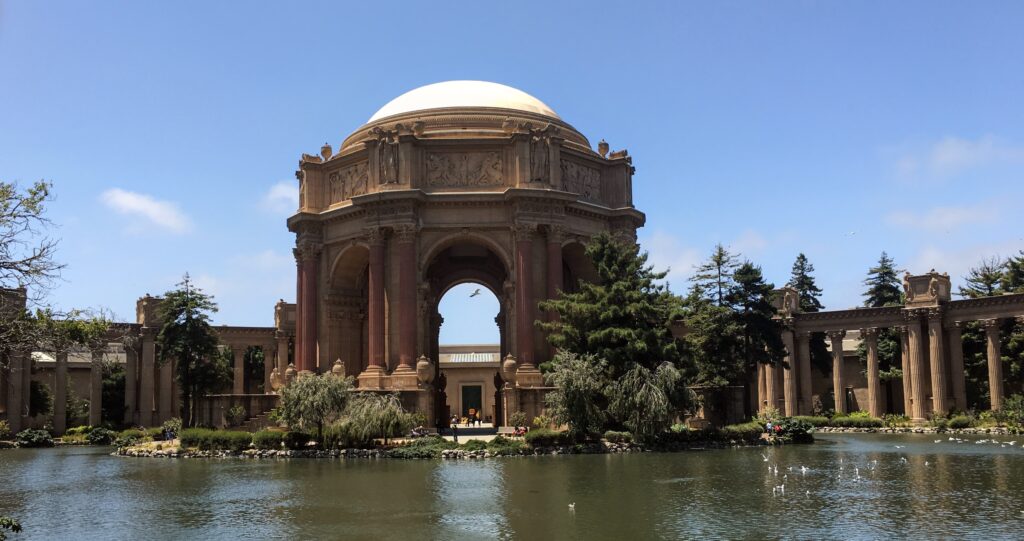
The Marina District The Marina District is a vibrant waterfront neighborhood in San Francisco that boasts an air of relaxed sophistication. Built on land reclaimed after the 1906 earthquake, its streets are lined with charming homes featuring elegant Art Deco architecture. The area is known for its scenic views of the bay and the iconic Golden Gate Bridge, making it a favorite for residents who enjoy the neighborhood’s tranquil atmosphere and proximity to the water. Things to do and see! Palace of Fine Arts—One of San Francisco’s most iconic landmarks, the Palace of Fine Arts is a stunning Greco-Roman-style structure built for the 1915 Panama-Pacific Exposition. Stroll around its scenic lagoon, enjoy the architecture, and take in the beautiful surroundings. It’s a popular spot for photos and picnics and is especially magical in the evening when it’s lit up.Marina Green—a wide, grassy area along the waterfront with stunning views of the Golden Gate Bridge, Alcatraz Island, and the Bay. It’s a perfect spot for a picnic, a game of frisbee, or a leisurely walk. You’ll often find locals jogging, biking, or walking their dogs here, especially on sunny days.  Crissy Field—Located just west of the Marina Green, Crissy Field offers a beach, walking paths, and fantastic views of the Golden Gate Bridge. It’s part of the Presidio, a historic military base turned national park. Crissy Field is ideal for families, picnickers, and outdoor enthusiasts, with plenty of space for kitesurfing, beach volleyball, and birdwatching. Fort Mason—a historic former military post that’s now a cultural center. It’s home to art galleries, theaters, and unique events throughout the year, like food festivals, craft fairs, and farmers’ markets. Check out the Fort Mason Center for Arts & Culture and grab food from the Off the Grid food trucks on Fridays for a taste of local cuisine. Wave Organ—This unique art installation on the waterfront is an acoustic sculpture that “plays” sounds created by the movement of the waves. Made from salvaged granite and marble, the Wave Organ has pipes and vents that produce musical sounds as the tide comes in and out. It’s best to visit at high tide when the sounds are strongest. Golden Gate Bridge Views—The Marina District offers some of the best views of the Golden Gate Bridge. For incredible photo opportunities, head to the end of Crissy Field or the nearby Presidio Yacht Club. The views at sunrise or sunset are particularly beautiful, and you can often capture both the bridge and the bay in one shot. Houseboats at the Marina Harbor—Stroll along the Marina Harbor to see the unique houseboats docked there. It’s an intriguing sight, and you can walk along the docks to enjoy views of the yachts, sailboats, and houseboats with the city skyline in the background. Exploratorium at Pier 15 (Nearby)—although technically just outside the Marina District, the Exploratorium at Pier 15 is a fascinating, hands-on science and art museum that’s fun for all ages. It offers interactive exhibits that explore science, perception, and art, and it’s just a short drive or bike ride from the marina. Buy tickets here. Catch Sunset Views at Lyon Street Steps—a bit outside the Marina District but worth the walk, the Lyon Street Steps offer beautiful views of the Bay, the Marina, and the Palace of Fine Arts. Climbing the steps is a bit of a workout, but it’s rewarded with one of the best vantage points in the area, especially during sunset. Take a Bay Cruise—For a different perspective of the Marina District and San Francisco Bay, consider taking a boat tour or a sunset cruise departing from nearby piers. Many cruises offer breathtaking views of the Golden Gate Bridge, Alcatraz, and the city skyline, making for a memorable experience. Buy tickets here. Alcatraz Island Tour (nearby)—a short ferry ride away, Alcatraz Island is one of San Francisco’s most famous attractions. Known for its history as a federal prison, a tour of Alcatraz offers fascinating insights into its infamous inmates, like Al Capone. The views of the city and the bay from the ferry are also stunning. Buy tickets here. Shopping and Dining on Chestnut Street—Chestnut Street is the heart of the Marina District, lined with boutiques, shops, and an array of restaurants. You can find everything from casual cafes and fine dining to trendy bars. This area is also perfect for browsing boutiques, local shops, and fitness studios.   Stories from the Road Every journey has another story waiting to be discovered. Explore more experiences, cultures, wildlife, and people from around the world. EXPLORE ALL STORIES

The Marina District Read More »

Scroll to Top