Places

Exploring Smiljan’s Tribute to the Visionary Inventor, Nikola Tesla

Nikola Tesla’s Hometown- Smiljan Finding the Tesla Memorial Center in Smiljan was a surprise! Everyone was delighted by the great Nikola Tesla and his ground-breaking contributions to modern science and technology, so our last-minute trip was a happy discovery. Road journeys by themselves allow for natural itinerary adjustments and diversions. This freedom brought us to the Tesla Museum, where we fully engaged in the life of this remarkable creator. Born in a small Croatian town in 1856, visionary Nikola Tesla went on to transform the planet with his work on alternating current (AC) energy, which is still fundamental to our electrical systems today. Standing at the home that molded one of the greatest minds in history felt like a significant experience. Among other historical sites, the memorial center has been maintained as an homage to his legacy, Tesla’s childhood home, and the Serbian Orthodox St. Peter and Paul’s Church. This is a fantastic spot to explore Tesla’s early life and see how his passion for science and invention started. Imagine young Tesla here, contemplating the secrets of nature that would subsequently become his creative inspiration. The interactive exhibits captured our interest as they provided a practical chance to explore Tesla’s scientific discoveries. The museum displays his creations and brings Tesla’s creative ideas to life, fostering an immersive experience that ignites appreciation of his genius and inquiry. His constant search for knowledge and significant influence on our contemporary society inspired the whole family. This exhibit is a must-see regardless of your interests, whether they be in engineering, physics, or simply marveling at one of history’s greatest minds. For those heading through Zagreb or down the Dalmatian coast, this quick and straightforward detour is well worth stopping for! We were enthralled with the museum’s outstanding exhibits and outside spaces, which proved appealing to people of all ages—including adults. Regardless of their background or hobbies, Tesla’s narrative sparks wonder, curiosity, and invention that stays with every visitor. Make sure to visit Smiljan if you’re passing through! Here’s the link to the Nicola Tesla Museum. Author: CristyPhoto Credit: Nathan Stories from the Road Every journey has another story waiting to be discovered. Explore more experiences, cultures, wildlife, and people from around the world. EXPLORE ALL STORIES

Exploring Smiljan’s Tribute to the Visionary Inventor, Nikola Tesla Read More »

Sun, Sand, and City Wandering in Beautiful Split

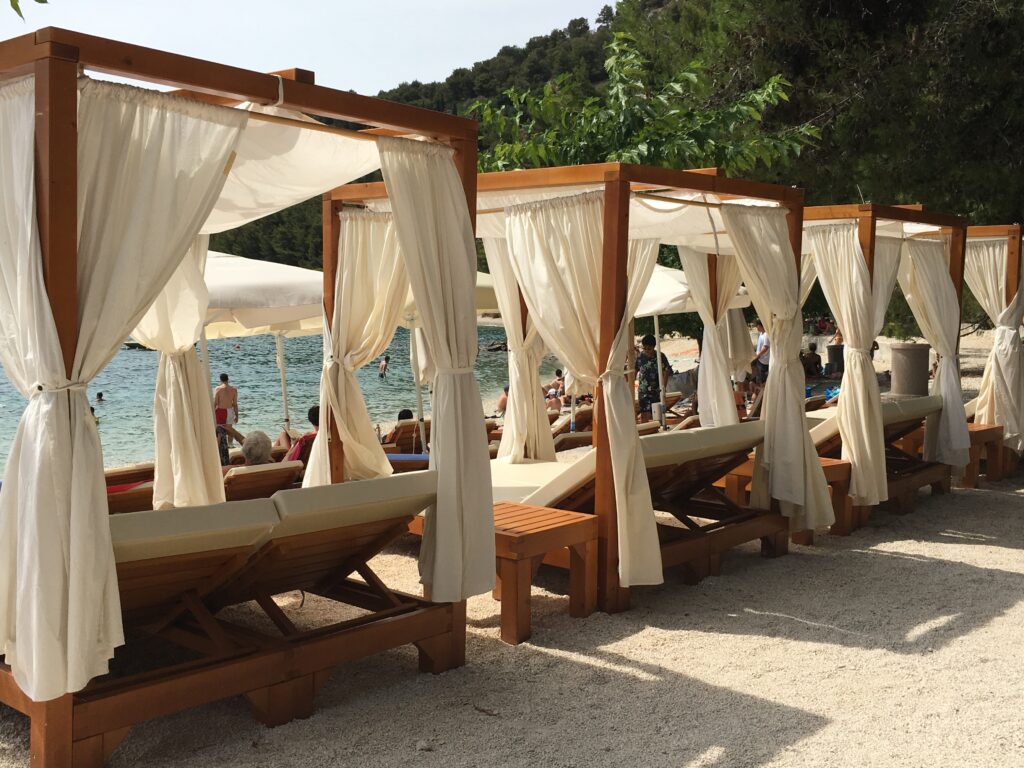
Following a pleasant journey from Trogir, we arrived in Split, brimming with gusto. The journey included a stunning combination of coastline views and idyllic landscapes. It prepared us for what was to follow. Split welcomed us with its pulsating enthusiasm. The ancient walls of Diocletian’s Palace towered, resonating with centuries of history. Situated in the heart of the city, Diocletian’s Palace is an extraordinary structure, its formidable walls and intricate tunnels exemplifying Roman architecture and history. Roman Emperor Diocletian erected Diocletian’s Palace in the fourth century AD as his retirement home. He vacated the imperial throne and lived until his demise. The Palace is extensive and covers fifty percent of the historic district. It is a UNESCO World Heritage Site. PalaceTown is inside Diocletian’s Palace, making it a unique historical locale. This is the optimal place! Split’s Old Town is distinctive for its amalgamation of Roman and medieval buildings, vibrant ambiance, and picturesque, tiny lanes. Like other European locales, the streets have cobblestones, dining establishments, and tiny alleys, making it an exceptional site for exploring. The Promenade Riva, a true reflection of Split’s seaside charm, offers a serene escape from the city’s hustle and bustle. Lined with palm trees, it provides stunning views and a peaceful ambiance. The constant movement of vessels in the port creates a soothing backdrop for dining, people-watching, and unwinding along the Adriatic shore. The Bell Tower of the Cathedral of Saint Domnius offers the most breathtaking view of Split. Ascending to the top is challenging due to its physically demanding ascent and unstable railings. But the reward is worth it, as the tower provides an unparalleled view of the port, city, and historic area, making it the most exquisite vista in Split. After days packed with sightseeing and being on the road, we decided to pause the whirlwind of history, architecture, and new places by spending a day at Kašjuni Beach. Everyone was ready to let go of the schedule to trade castles and cobblestone streets for the simplicity of sand, sun, and sea. The rugged beauty of the pebbly shore and the clear, turquoise water stretching endlessly into the horizon instantly captivated us as we pulled up to Kajuni Beach, nestled beneath the rocky slopes of Marjan Hill. We found Joe’s Beach Lounge and Bar, the perfect spot at the edge of the beach. It gave us quick access and a cozy retreat to call our own for the day. Jack’s had everything we needed—comfortable spots to unwind, a shaded area where we could break from the sun, and the best beach view we could have asked for. We spent the day alternating between dips in the cool, clear water and relaxing and sleeping on the sunbeds, soaking up the beauty of Split’s coastline. Time slowed as we all relaxed. When the sun began to dip lower, casting the beach in a warm, golden glow, we reluctantly started to pack up. With salty skin, sun-kissed smiles, and memories of this perfect pause by the sea, we returned to the car, ready to hit the road again, carrying a piece of Croatia’s coastal magic with us.  Detour to Klis Fortress Klis The next day, we left the Croatian coast and ventured inland, with a planned stop at Klis Fortress before crossing into Bosnia. The drive from Split to Klis was short, winding through narrow mountain roads that offered spectacular views of the Dalmatian coastline and the sparkling Adriatic below. Soon, the massive stone walls of Klis Fortress came into view, perched high on a rugged hill. The fortress seemed to rise from the very rock beneath it, a place that has withstood centuries of history, battles, and shifting empires. Standing there among the ancient stone and the tales it contained was like entering another time entirely. After a final look back at Split from Klis’s highest point, we returned to the car, eager to continue our journey. As we left Croatia, the landscape changed gradually from coastal blues and greens to the rugged, mountainous terrain of Bosnia. The drive was serene as the mountains spread out before us, dotted with tiny villages and winding rivers that added a special beauty to the landscape. Crossing the border felt like entering a new chapter of our trip. We stopped for a quick roadside lunch, savoring the simple meal as we looked out over Bosnia’s vast landscapes. The anticipation grew as we discussed our plans and the adventures awaiting us in this next Balkan country. Our day had been a beautiful blend of history, natural beauty, and the excitement of moving forward, and as the road opened up ahead of us, we felt ready for whatever Bosnia had in store. Author: CristyPhoto Credit: Nathan Stories from the Road Every journey has another story waiting to be discovered. Explore more experiences, cultures, wildlife, and people from around the world. EXPLORE ALL STORIES

Sun, Sand, and City Wandering in Beautiful Split Read More »

Hidden Wonders of Bosnia and Herzegovina

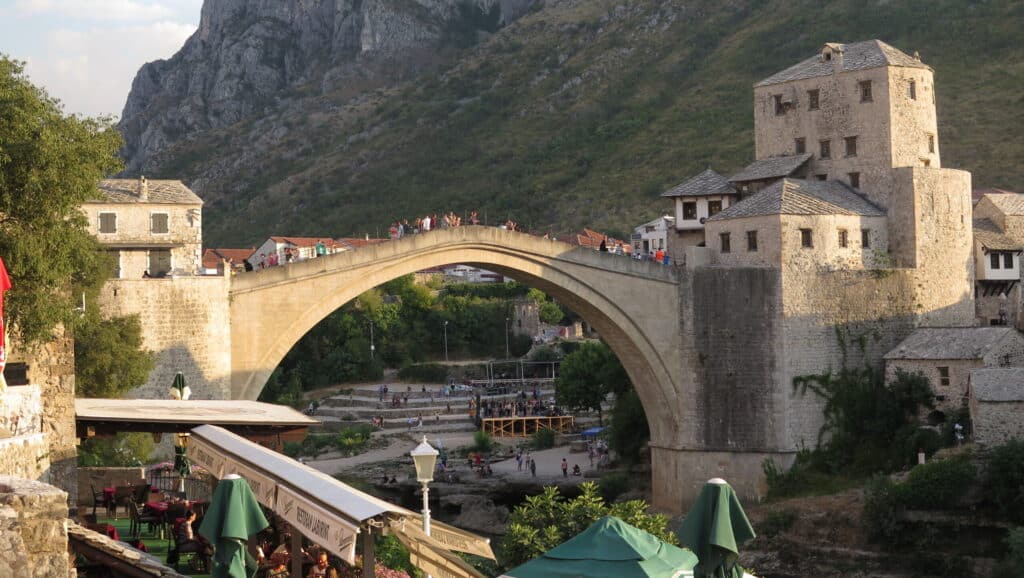
Bosnia and Herzegovina is a fascinating country in the Balkans. Bosnia and Herzegovina is renowned for its abundant history, diverse culture, and breathtaking natural scenery. Its blend of Ottoman, Austro-Hungarian, and Yugoslav influences is visible in its architecture, food, and traditions. Though the country bears scars from its turbulent past, it remains a place of immense beauty, warmth, and cultural depth, making it a unique destination for travelers. Exploring Medjugorje When we arrived in Medjugorje, we felt serenity and calmness. The little village radiated respect and tranquility. The reported apparitions of the Virgin Mary brought Medjugorje worldwide recognition. This place turned into a major Catholic pilgrimage destination. These apparitions sparked six local children to report seeing the Virgin Mary on Apparition Hill in 1981. Since then, many people who believe Medjugorje has miraculous healing abilities have visited the place. Many pilgrims have claimed strong spiritual awakenings and healing. Rising against the horizon, St. James Church—the spiritual center of the town—stands forth. On a sweltering Medjugorje day, we began our difficult climb up Apparition Hill. This was a challenging path because of its somewhat high slope. The dry, rocky ground and scorching heat made it harder to climb. As we climbed higher, the view started to show the beauty of the vast stretches of the nearby hills and valleys. For us and the other climbers, the intermittent wind provided a brief respite from the heat and offered some comfort. Despite the heat making the ascent sluggish, we persevered. The spiritual value of the trip for the pilgrims transcended their exhaustion on a hot July day. Believers gathered around a monument to the Virgin Mary. This marked the location of her first apparition for the group of children in 1981. A large cross on top of the hill offered a panoramic view. Some pilgrims continued to climb the steep hill to pray, taking in the breathtaking surroundings. The boys persevered while I sank to the ground below. Simply put, it was too hot! Trekking back from Apparition Hill was a quiet affair. The boys returned from their climb, and we had a quick lunch before leaving to travel to Mostar. Medjugorje offered an intense spiritual experience. The town’s peaceful and devout attitude produced a special and powerful spiritual atmosphere. This pilgrimage has affected the lives of millions of visitors before us. As we left Medjugorje, the tranquil streets gave way to the rugged landscape of Bosnia and Herzegovina. With sporadic views of the Neretva River glittering in the afternoon light, the route to Mostar went past little towns, vineyards, and verdant fields. The terrain seemed ageless, a mirror of the nation, strong and understatedly beautiful. As we approached Mostar, the landscape unfolded to reveal a city nestled between hills. Tips for Visiting Medjugorje Respect local customs and religious importance by dressing modestly. This is especially important while visiting places of worship, such as churches. Be polite and silent in the various places that Medjugorje has set aside for calm contemplation and prayer. If you are visiting in the summer, keep Hydrated. The weather can get hot, so make sure to have water with you! Exploring Mostar Mostar, with its blend of historic Ottoman-style architecture and visible scars from the war, is a city that evoked a range of emotions. The buildings, some still bearing the marks of battle, served as poignant reminders of the area’s turbulent history. This juxtaposition of the past and the more recent recovery makes Mostar a place that resonates deeply with visitors, offering a rich cultural experience. The Stari Most stood as a symbol of Mostar’s resilience, having been rebuilt after the devastation of the Bosnian War. The city, despite the horrors it endured, has risen above its past, a testament to the human spirit’s ability to overcome adversity.   This beautiful stone bridge looks like it has been around for a long time. However, it was only rebuilt a few years ago, which is truly remarkable! The Ottomans built the original bridge in the 16th century. The Bosnian War of 1993 destroyed the bridge, which was a terrible loss for the city and its people. Traditional methods allowed for the stone-by-stone reconstruction of the Stari Most. People from all over the world made this possible. UNESCO has now recognized the bridge as a World Heritage Site. The bridge connects the two sides of Mostar and the painful gaps between people in the past. It had become a symbol of strength and unity. During the summer, divers meet at the bridge to make dangerous jumps into the Neretva River below. This had been a tradition for generations! The bravery of the divers when you see them jump from 20 meters above will inspire you. It felt that each dive honors the history of the bridge and the country. Stari Most’s revealed how powerful Bosnia and Herzegovina is. It links the past and the present, hope and history! Author: CristyPhoto Credit: Nathan Stories from the Road Every journey has another story waiting to be discovered. Explore more experiences, cultures, wildlife, and people from around the world. EXPLORE ALL STORIES

Hidden Wonders of Bosnia and Herzegovina Read More »

Capturing The Beauty Of The Balkans In Montenegro

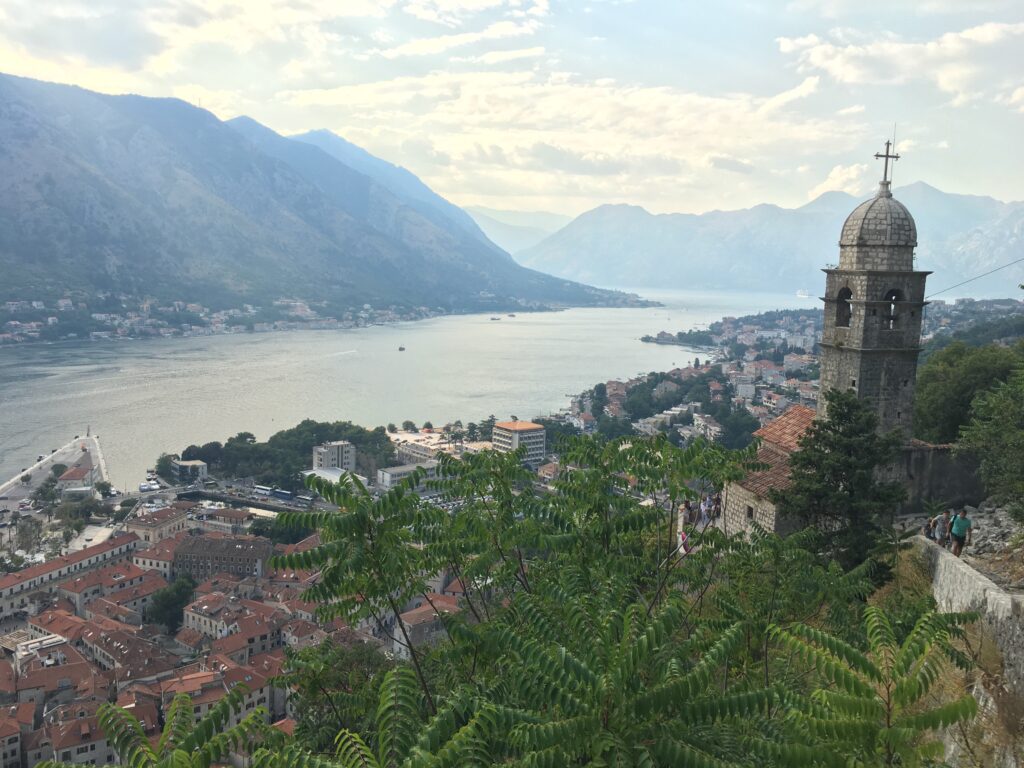
Discovering Kotor, Montenegro We couldn’t resist a quick stop in Kotor, Montenegro. Kotor is a picturesque seaside town in Montenegro’s Bay of Kotor, encircled by the majestic Lovćen mountains. Upon arrival, Kotor captivated us with its beauty.Nestled at the end of a sweeping bay framed by mountains, Kotor felt like a hidden medieval treasure. As we stepped through the ancient city gates, the maze of stone streets drew us in, revealing charming squares, historic churches, and lively cafes tucked between old walls at every turn. The Old Town welcomed us with a labyrinth of winding passageways adorned with cobblestones, plazas, and stone edifices with red tile roofs, all of which had existed for centuries. UNESCO has designated the Old Town a World Heritage Site. Kotor’s architecture reflects its Venetian heritage. After exploring the streets of the Old Town, we took a break at a local café and savored some traditional Montenegrin dishes. The town’s cuisine offered a distinctive fusion of flavors thanks to its Venetian heritage. Don’t pass up the opportunity to try the local seafood, which goes perfectly with a glass of Montenegrin wine. Check out our Food Guide on Croatian cuisine. The optimal activity in Kotor is to explore the streets of the Old Town leisurely. The essence of Kotor immersed tourists in a historical epoch. Each turn revealed fresh discoveries, including a concealed café, a boutique store, and a historic church, such as St. Tryphon’s Cathedral, established in 1166. The medieval walls seemed to recount stories of former sailors, merchants, and conquerors, adding a sense of intrigue and excitement to the exploration. We ascended to the Castle of San Giovanni, an indelible challenge. The trek started in the Old Town. The precipitous stone stairway traversed olive trees and historic walls. The ascent gave a more expansive view of the bay. The sweeping vistas are just magnificent! The glistening Adriatic waves, the mountains around the bay, and the terracotta roofs of Kotor below provided a breathtaking vista. There are 1,350 stairs to the summit—the vista justified the climb! When you reach the top of the castle, it seems like the work has paid off. The views over the red rooftops and the bay below were breathtaking, giving us a taste of the dramatic beauty Montenegro is known for. The dilapidated stronghold served as a sentinel of Kotor’s illustrious past. This perspective revealed how Kotor’s strategic position rendered it a coveted asset for several rulers. Kotor’s allure lies in its historical significance and its ability to connect travelers to nature, culture, and heritage. The town’s strategic location on the Adriatic coast had made it a coveted asset for several rulers throughout history. Its well-preserved medieval fortifications and buildings, such as St. Tryphon’s Cathedral, established in 1166, offer a glimpse into its illustrious past. Back on the road, we grabbed a quick espresso at a local café, savoring one last moment in this enchanting city before heading on to our final stop, Dubrovnik. The brief visit left us with a sense of Kotor’s magic, a perfect interlude of history and scenery along our journey. Author: CristyPhoto Credit: Nathan Stories from the Road Every journey has another story waiting to be discovered. Explore more experiences, cultures, wildlife, and people from around the world. EXPLORE ALL STORIES

Capturing The Beauty Of The Balkans In Montenegro Read More »

Wander Through History: Exploring the Magic of Dubrovnik

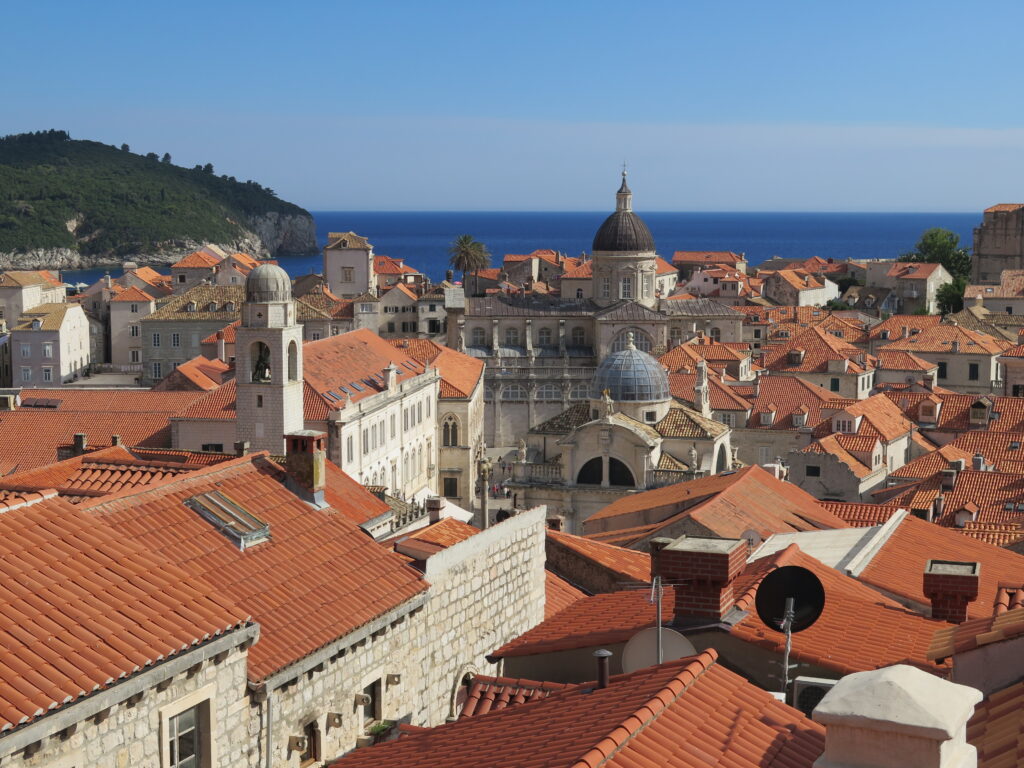
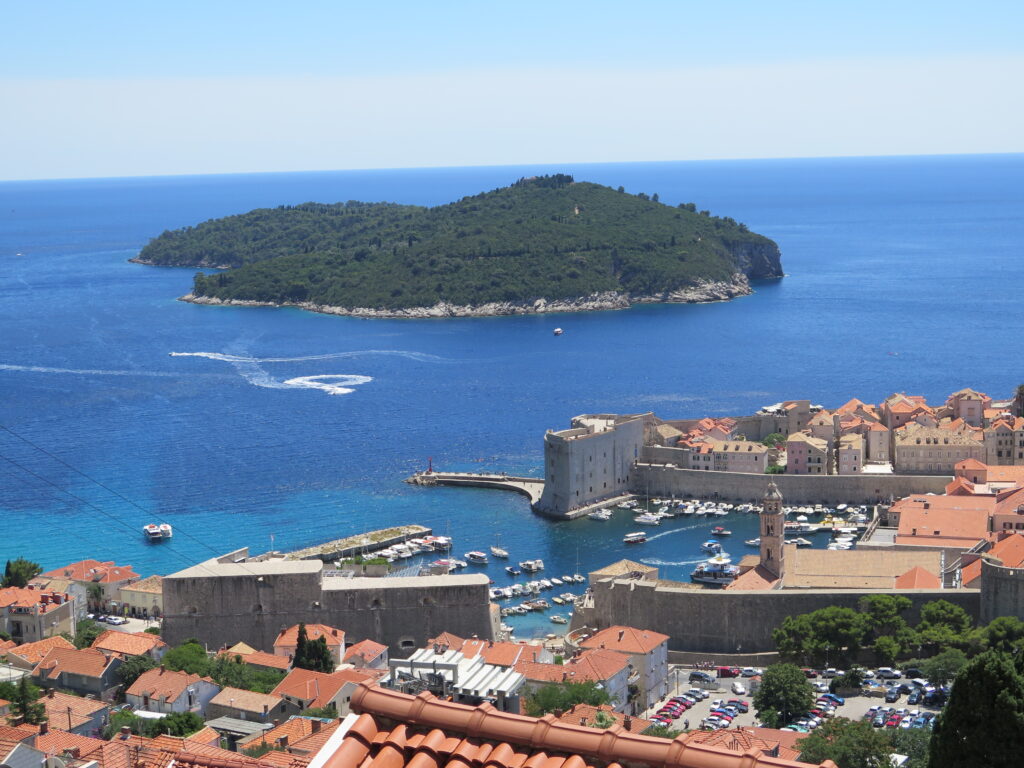
  Exploring Dubrovnik Our road trip concluded in Dubrovnik, the “Pearl of the Adriatic.” The city’s stunning medieval walls and terracotta rooftops were a sight to behold as we approached from the winding coastal road. Arriving in Dubrovnik felt like moving across time. Located halfway between the sea and the mountains, the city boldly exhibits its old stone walls! Ascending from the gorgeous hilltop, our excitement rose as we were ready to see one of the best-preserved medieval cities on Earth. We arrived at our Airbnb, perched at the very top of Dubrovnik’s hillside. From the balcony, we could see Lokrum Island and the beautiful Adriatic Sea unhindered in a panoramic fashion. We dropped off our bags, then returned the rental vehicle and started around the Old Town. Approaching Dubrovnik’s renowned gates and walking through its cobblestone alleys was like entering another age. Lunch was at the seafood restaurant Lokanda Peskarija on the harbor. A distinctive start to Dubrovnik’s gourmet scene, the fresh seafood and regional cuisine paired with the marina’s vista produced lifelong memories. The day carried on as we drifted through Old Town’s complex network of little lanes. Every turn revealed additional secret gems—quaint cafés, little shops, and old buildings that suggested the rich history of the city. Dubrovnik’s historic attractiveness and unique atmosphere proved its title as “Pearl of the Adriatic” was justified. We were happy to be back at our flat at the tranquil top of the city after a busy day of wandering. From the balcony, with the sun sinking over Lokrum Island, our first day in Dubrovnik had the perfect finish—a blend of natural beauty and historical awe. From this vantage point, which would become our daily refuge, Dubrovnik’s charm throughout our three-day trip would be visible. Every moment in this city, whether we were meandering around the Old Town, savoring regional food, or seeing the sunset over the Adriatic, was unforgettable and a perfect end to our road journey throughout Croatia. What to do in Dubrovnik:   Visit Dubrovnik’s City Walls. One of the most iconic activities in Dubrovnik is walking the 1.2-mile-long city walls. It offered spectacular views of Dubrovnik and the Adriatic Sea. The ancient fortifications provided amazing views of the city enriched with history, showcasing its blend of medieval and Mediterranean charm. The city walls of Dubrovnik encircled the Old Town like a protective embrace, standing as a testament to the city’s strength and resilience through centuries of change. Strolling along these ancient stone fortifications rewarded us with sweeping views of the Adriatic Sea on one side and the terracotta rooftops of Dubrovnik on the other. The walls, punctuated by formidable towers and gates, told stories of the city’s rich history. A local had explained to us that although these walls have stood for centuries, they had never experienced a true conflict until the war in the 1990s. Throughout history, Dubrovnik avoided many conflicts. They say that when Napoleon arrived, they opened their gates to his army rather than fight and be under siege! Each step along the walls brought us closer to Dubrovnik’s past, offering a unique perspective on a city that has preserved its heritage with pride. You can visit the City Walls year-round. During the high season, visit the walls in the morning or late afternoon to avoid the crowds. Get lost in the side streets of the Stari Grad.  Getting lost in the side streets of Stari Grad, “Dubrovnik’s Old Town,” feels like stepping back in time. This UNESCO World Heritage site is a captivating maze of cobbled streets, medieval architecture, and striking fortresses overlooking the Adriatic Sea. Every area of Dubrovnik’s Old Town offers a little history and charm. The towering stone walls, polished from centuries of footsteps, guided us through winding streets lined with rustic homes, quaint shops, and inviting cafes. The sound of bells ringing from ancient churches echoed through the alleys while you heard locals chatting in lively squares under the warm Adriatic sun. The blend of past and present in Dubrovnik’s Old Town captivates, inviting you to immerse yourself in its enchanting ambiance. Go through Pile Gate, and people watch along Stradun. When in Dubrovnik, do what the locals do. Have coffee, and people watch along the famed Stradun Street, which goes through the Old Town. You’ll spot locals dressed like they’re coming off a runway and some unique tourists from all over the world. Pile Gate is located at the western entrance to Dubrovnik’s Old Town and is one of the main points of entry into the historic city. It was built in the 16th century; this grand gate was part of Dubrovnik’s ancient city walls and led directly onto Stradun, the Old Town’s main street. The gate consisted of both an outer and inner gate, with a stone bridge and a moat that once served as part of the city’s defense system. Just outside Pile Gate, you’ll find a bustling area with access to buses, taxis, and scenic coastal views, making it a popular starting point for exploring Dubrovnik’s historic heart. Visit the local beaches Dubrovnik has too many beaches to list them all, and some are busier with tourists than others. There are several additional beaches that many visitors may not even be aware of, even if Banje Beach is the most well-known. There are no harmful species or sharks in the water. When cliff jumping, use caution. Although many places seem secure, visitors often hurt themselves on subterranean rocks (particularly at Buza Bar). Kayak or snorkel in the Adriatic Stroll through Uvala in Lapad Uvala, the heart of Lapad in Dubrovnik, is a picturesque bay that blends the serenity of nature with the lively energy of seaside life. Uvala’s pedestrian promenade is lined with charming cafes, inviting beach bars, and family-friendly restaurants, creating the perfect setting for a relaxed day or evening out. It is about a 20-minute walk outside the Old Town. As the sun sets, Uvala transforms, with locals and travelers gathering to enjoy

Wander Through History: Exploring the Magic of Dubrovnik Read More »

Croatia on Screen: The Ultimate Set-Jetting Adventure

Wikipedia defines “set-jetting” as visiting locations used for filming. Journalist Gretchen Kelly was the first person in the US press to use the word “set-jetting” in 2008. Nonetheless, according to Expedia’s 2023 travel trends research, 30% of tourists claim that movies and TV series have impacted their trip choices. As a fan of Game of Thrones, I seized the chance to “set-jet” to Croatia for the GOT setting when the family chose to go to Central Europe. Exploring Game of Thrones Filming Locations Through some of the most famous filming locations, Croatia provides Game of Thrones fans a rare chance to follow in the footsteps of their favorite characters. The coastal towns and medieval architecture of Croatia, a country renowned for its spectacular vistas and rich history, provided the ideal setting for King’s Landing, Qarth, and other events. The King’s Landing in Dubrovnik Perhaps the most well-known movie site in Croatia is Dubrovnik, the capital of the Seven Kingdoms, also known as King’s Landing. Its narrow alleys, Baroque architecture, and medieval city walls served as the backdrop for the political intrigue throughout the series. City Walls: You will immediately recognize Dubrovnik’s imposing walls from the many scenes in which characters like Tyrion and Cersei Lannister plan and scheme. These walls functioned as a big stage for expansive vistas of the mythical city and were essential to situations such as the Battle of Blackwater Bay. Fort Lovrijenac: Also referred to as the “Red Keep,” this stronghold served as the setting for several palace sequences in the series. Reaching the summit provides a clear perspective of the city walls and breathtaking vistas of the Adriatic Sea. Pile Gate: Following King Robert’s death, King Joffrey encountered an irate crowd here. You can sense the stress from that wild scene as you stroll through the neighboring cobblestone streets. Jesuit Staircase: Cersei’s notorious “Walk of Atonement” in season 5 took place in the Great Sept of Baelor, which fans will immediately know.   Island of Lokrum: Qarth In season 2, Lokrum Island, a short boat trip from Dubrovnik, changed into the ethereal metropolis of Qarth, dubbed the “Queen of Cities.” Benedictine Monastery: This ancient location serves as the setting for Daenerys Targaryen’s stay in Qarth, where she seeks safety and encounters the mysterious warlocks. Imagine the beautiful gardens and opulent halls where the Mother of Dragons stood as you strolled through its remains. Botanical Gardens: Fans who are keen to relive certain important episodes while immersing themselves in nature will find Qarth to be the perfect destination thanks to the unique flora of Lokrum’s gardens, which enhance the strange atmosphere of the planet. Split: Meereen Split, Croatia’s second-largest city, served as the filming location for scenes set in Meereen, where Daenerys governed and released the slaves. The subterranean dungeons where Daenerys kept her dragons were located in Diocletian’s Palace, one of the best-preserved Roman structures in the world and a UNESCO World Heritage site. As you pass through its stone rooms, it’s natural to imagine the dragons, shackled in the dark depths. Some other moments, including the slave insurrection in Meereen, also featured the palace. Klis Fortress: Located just outside Split, this historic bastion played the role of the city of Meereen in scenes where the Unsullied army was on watch. The citadel is a must-see for enthusiasts of both history and Game of Thrones since it overlooks the surrounding valleys and provides stunning vistas. Šibenik: Bravo Arya Stark trained to become a faceless assassin in the city of Braavos, which was the medieval town of Šibenik. St. James’ Cathedral: As Arya explores Braavos in the show, this breathtaking UNESCO landmark appears in the backdrop. Its Gothic-Renaissance architecture will give you an idea of Arya’s self-discovery journey and her stay in the city of many faces. Trsteno Arboretum: Gardens of King’s Landing Characters like Olenna Tyrell and Sansa Stark shared secrets at the opulent King’s Landing grounds, Trsteno Arboretum, just outside of Dubrovnik. Renaissance Gardens: These verdant gardens, which also offer a serene haven and a stunning view of the Adriatic, served as the inspiration for some of the show’s most perilous political schemes. You might remember the stressful but lovely times spent amid the flowers and fountains as you go around the arboretum. The trip combines breathtaking landscapes and unforgettable experiences from one of the most-watched television shows, providing a unique experience for everyone set-jetting around Croatia. Few other shooting sites can match Croatia’s medieval towns and untamed landscapes for Game of Thrones. Every destination, from the sun-drenched walls of Dubrovnik to the Roman dungeons of Split, offers a fresh perspective on the mythical realm of Westeros and a genuine experience that takes you right into the heart of the Seven Kingdoms. Author: CristyPhoto Credit: Nathan Stories from the Road Every journey has another story waiting to be discovered. Explore more experiences, cultures, wildlife, and people from around the world. EXPLORE ALL STORIES

Croatia on Screen: The Ultimate Set-Jetting Adventure Read More »

Timeless Douro: Portugal’s Heritage in the Heart of Wine Country

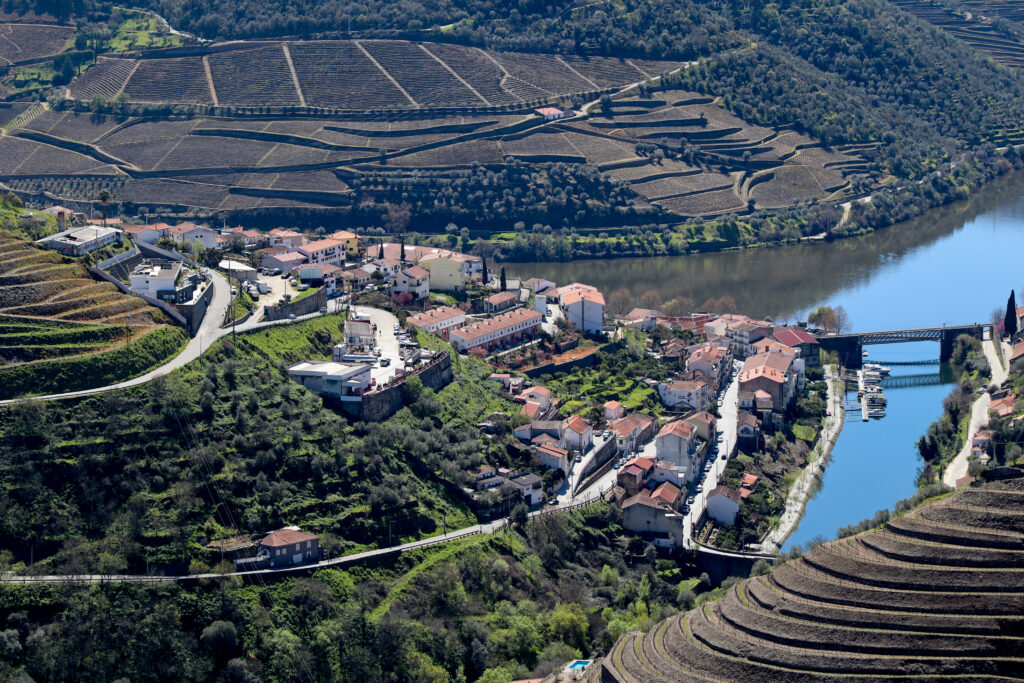
Timeless Douro: Portugal’s Heritage in the Heart of Wine Country Certain places captivate you, transporting you to a different era and erasing the outside world’s existence. Portugal’s Douro Valley is one of those dreamlike little bubbles. Nestled in northern Portugal, just a 90-minute drive from the bustling city of Porto, the Douro Valley greets you with sweeping vistas and rolling hills covered in terraced vineyards, all embraced by a silvery river winding its way through the landscape. This region immerses you in a centuries-old wine-making culture. Recognized as a UNESCO World Heritage Site, the Douro Valley is the oldest demarcated wine region in the world, with its boundaries set in 1756. While it may not be as famous as Bordeaux or Champagne, wine has been crafted here since the 3rd or 4th century AD.  Beyond its vineyards, the Douro Valley is also rich in history. Scattered throughout its villages, you’ll find remnants of Iron Age settlements, Roman bridges, Romanesque churches, Cistercian monasteries, and 17th-century palaces.   Getting to the Douro Valley from Porto   Douro by Train  Portugal’s most scenic train ride takes you along the Douro Valley from Porto (Portugal’s second city) to Régua, Pinhão, and Pocinho. If you’re a fan of train travel, experiencing the journey along the Douro River, much like in the early 20th century, is an unmissable experience. This nostalgic trip features steam and diesel carriages and engines that travel at 30 km/h, preserving the memory of a time when they connected towns and delivered the famous Port Wine. The train is an inexpensive way to get from Porto to the Douro Valley. However, train travel will not take you past Pinhão, which is located deep in the Douro Valley and is considered the most beautiful part of the region.  You can follow the river on the Douro Line between Régua and Tua. Régua station was the region’s most important, while Pinhão station is one of the country’s most beautiful, with its tiled façades. Alternatively, you can travel the Douro Line by regular train from Porto or combine a train and boat program for a complementary experience. The cost for a ticket from Porto to Pocinho is around €14 each way, and Porto to Régua is about €10 each way. These are fixed-price tickets with unlimited availability, ensuring they cannot sell out. You can buy tickets at www.cp.pt (in €) or Omio.com (in €, £, or $) and print them out or show them on your phone, but as there are no reservations, you may as well buy them at the station on the day. Which side of the train should you sit on? The river is on the right-hand side, going east from Porto through Tua to just before Ferradosa, then on the left to Pocinho. If the train isn’t crowded, you can switch seats at Ferradosa.  Three train stations are available in the Douro Valley: Peso da Régua, 2 hours from Porto Pinhão, 2h20 from Porto  Pocinho, 3h30 from Porto Douro by Boat  Departing from the quay at Vila Nova de Gaia, you can embark on a boat trip up the Douro River to Barca de Alva, the duration of which depends on how far you wish to travel. Alternatively, you can start from another location, like Régua, and combine boat and train. You can sleep on the ship or stay in quintas or manor houses near the river, immersing yourself in the Portuguese tradition of hospitality. The tour features a complete program with visits to regional landmarks, themed meals, and wine tastings. The beautiful, terraced slopes of the Douro Valley, covered in vines, begin near Barqueiros and extend to Barca de Alva, offering one of the most striking man-made rural landscapes. Until the late 19th century, the river was the central access route inland and the primary means of transporting produce from the distant interior. Navigation was challenging and risky, with the Rabelo boat being the only vessel capable of crossing the natural obstacles. The sturdiness and expertise of the boatmen made it possible to navigate the river and carry the great wine barrels. These barrels were never wholly filled so that they could float in the event of an accident. River Cruise Porto-Régua: You will train from São Bento, in the Porto train station, to Régua, and then, from Régua, you will take a boat ride back to Porto. Lunch is served. The estimated time of arrival in Porto is 18h.  Porto-Pinhão: You will take the boat cruise from Cais de Estiva, in Porto, to Pinhão. Make sure you visit the Azurejo tiles at the local train station; they are beautiful! Afterward, you will take a bus back to Porto, arriving around 21 h. Douro by Bus This option is the least favored because it offers no advantages for reaching the Douro Valley unless train tickets are sold out. The cost is neither cheaper nor takes less time than a train ride. Several companies offer this connection (Porto-Régua): Rodonorte and Rede Expressos. Rodonorte’s bus from Porto to the Douro Valley departs every seven hours and lasts 14 hours. Rede Expresso’s first bus from Porto departs every 10 h, and the last at 18 h; a ticket costs 9.50€ one-way. Douro by Car This drive is one of the world’s best for road trip lovers. Renting a car is your best option if you are looking for freedom and flexibility. We decided to go this route and picked up the rental car in Porto through Europcar. The positive news was that my 22-year-old son could drive a rental car in Portugal, and I enjoyed the ride! Driving through the Douro Valley was an excellent way to enjoy stunning landscapes, stop at charming villages, indulge in delicious wine tasting, and try the local cuisine. Please remember to have a designated driver afterward if you want to go wine tasting.  Having a car is an excellent way to explore the viewpoints of the river and its surroundings. Be prepared for constant ups and downs on narrow,

Timeless Douro: Portugal’s Heritage in the Heart of Wine Country Read More »

Aurora Nights: The Endless Dance of the Northern Lights

Aurora Nights: The Endless Dance of the Northern Lights The northern lights, also known as the Aurora Borealis, are the light of dawn. The term is derived from Aurora, the goddess of dawn, and Boreas, the northern wind personified. The northern lights appear when the sun’s highly charged solar wind particles collide with air molecules in the Earth’s atmosphere, transferring their energy into light. This occurs around the Polar Regions, where those magnetic fields converge. These magnetic fields create auroral ovals around our planet’s top and bottom, which move and distort as the Earth rotates and solar flare activity increases. They usually occur between 60 and 75 degrees of latitude, covering northern parts of Canada, Norway, Sweden, Finland, Alaska, Russia, and Iceland. Fairbanks, Alaska, is nearby, and it’s cheap for West Coasters to see the Northern Lights. While Norway offers a romantic allure, with Tromso as a premier spot for aurora viewing, Fairbanks sits within the Northern Lights aurora oval, offering a budget-friendly opportunity to witness nature’s stunning light display. According to Space.com, “The next 4 to 5 years will be the best time to see the northern lights this solar cycle. With a promising aurora forecast for the coming years, now is the best time to plan your aurora sightseeing trip.” Initially, our plans for our Fairbanks trip were a long weekend getaway, giving us two chances to catch a glimpse of the Aurora. Of course, there are no guarantees when encountering Mother Nature’s wonders. Amidst my preparations, I stumbled upon a wealth of knowledge embodied in one individual—Amy, the Aurora Borealis Notifications Group curator on Facebook. Despite my persistent inquiries for assurances, her response remained consistent: with clear skies, no light pollution, and a stay for at least five days in Fairbanks, the odds of witnessing the Aurora are greatly enhanced. We chased her at night and slept most of the day! While Fairbanks offers attractions such as the ice sculptures in March, visitors can also drive to North Pole, Alaska, to visit the Christmas store that is open year-round or explore downtown. There are a few excellent places to eat, but little to do. Other travelers may have different interests, such as hiking. It was just too cold for us.  I recommend staying for five days in Fairbanks to increase your chances of seeing the Northern Lights.    Here’s what a 5-day trip to Fairbanks in March looks like.   Day 1: Most flights land either late at night or early in the morning. Ours arrived at 1 a.m. We stayed at Pike’s Waterfront Lodge, which offers airport shuttle services. By 1:30 AM, we were at the hotel. Upon arrival, we heard people exclaiming and running outside, “She’s out there!” Hastily leaving our luggage at the front desk, we dashed outside. It was a mind-blowing moment to witness her presence without any effort on our part. The Aurora dance continued for a while before we realized it was time to check in and catch some sleep. It was already 3:00 in the morning. Her Majesty welcomed us; fortunately, we didn’t have to venture far.    Day 2: We arranged a photography tour with Aaron of Fairbanks Aurora Tour the following evening. While witnessing the Northern Lights is never guaranteed, Aaron assured us he’d try to locate them. Upon picking us up, he warned us we might need to venture far due to cloudy conditions around Fairbanks. He continues to check the weather updates on his phone while driving to our destination. We arrived at our first and second locations, but after discovering it would be cloudy, we moved on. He was an exceptional guide, with knowledge and enthusiasm for the Aurora.  Eventually, we found ourselves seemingly in the middle of nowhere, on the riverbank of the Nenana area. At -10 degrees, the biting cold numbed us, literally and figuratively. The area had fresh snow, so you must be careful not to wander, as you might fall. Well, that was me! I walked and fell! We found a spot, and most group members set up their photo gear, preparing for the Aurora. We had to get a new tripod earlier that day, as ours froze and broke last night while taking photos of the Aurora out in the cold. My son, Nathan, was brave enough to be out in the cold, setting up his new tripod, hoping it would not freeze and break again. He patiently waited in the cold and was ready to shoot when she came out. It was a very long wait. Thankfully, Aaron’s van had reliable heating that warmed some of us. He diligently monitored the weather conditions as we patiently waited for the appearance of the Aurora.  It was 1:30 a.m., and after two hours of anticipation, the Aurora Borealis graced us with her majestic presence, dancing brilliantly before our eyes. We stayed at the riverbank until 4 AM and returned to the hotel at 5:30 AM. We continued to see her on our way back, and she was also visible at the hotel. We were excited and continued to wander around the hotel’s waterfront and gaze at the beautiful Aurora. We can’t get enough!  Although the event was a photography tour, half the people, including me, did not carry big cameras and lenses. Half of the people had their iPhones. This was a group of 10 people in a small van. Everyone coexisted peacefully and complied with the established rules. They also avoided turning on their phone flashlights to prevent light pollution and help adjust their eyes to the dark. Aaron also only used a red light, which is best for changing the eyes to night vision.   Day 3: We reserved two spots with Alaska Aurora Adventure for an Aurora viewing. Heather, the owner, graciously fetched us from our hotel and whisked us to the North Pole. They are a full-fledged tour operator with cozy cabins where you can hunker down for prime Aurora viewing. You can rent a cabin for a few


Aurora Nights: The Endless Dance of the Northern Lights Read More »

Scroll to Top