Cristy S

Health Insurance

Health Insurance Health Insurance When traveling to India, it is recommended to obtain comprehensive health insurance covering all potential medical expenses incurred abroad. The healthcare system in India can vary in quality, and medical costs can be significant, particularly for foreign nationals. Having reliable health insurance is essential to ensure access to timely and adequate medical care without the added burden of exorbitant expenses. India, with its diverse landscapes and vibrant culture, offers many experiences for travelers. However, it is crucial to be prepared for any unforeseen health-related circumstances. The risk of illness or accidents can never be eliminated, and having valid health insurance provides peace of mind during your journey. Medical emergencies can occur anytime, and without appropriate insurance coverage, one may face challenges in accessing necessary treatments. In India, private hospitals often offer excellent medical care, but the costs can be high. Health insurance provides financial protection and ensures you receive the required medical attention without worrying about substantial medical bills or being denied treatment due to insufficient funds. Additionally, in severe cases where advanced medical treatment is necessary, medical evacuation to a nearby country may be required. This can incur substantial expenses. However, with comprehensive health insurance, such as international coverage, you can rest assured that the costs associated with medical evacuation and repatriation will be taken care of, allowing you to focus on your recovery. Before You Travel Review and understand the coverage provided by your health insurance policy. Ensure that it includes emergency medical care, hospitalization, medications, and potential medical evacuation. Familiarize yourself with the reimbursement procedures and the insurance provider’s contact details should you require assistance during your trip. For more information about travel insurance, read our travel tips, Travel Insurance 101.   Back to the Timeless India. 

Health Insurance Read More »

Travel By Air

Travel By Air International Airports India is home to numerous international airports, serving as gateways to the country and facilitating global connectivity. These airports play a crucial role in the nation’s economy, tourism, and transportation. Below is an overview of some of the major international airports in India: Indira Gandhi International Airport (IGIA), Delhi (DEL) The busiest airport in India and South Asia, IGIA is a significant hub for domestic and international travel. It boasts world-class facilities, including Terminal 3, one of the largest passenger terminals in the world. The airport’s passenger capacity is over 60 million annually. Chhatrapati Shivaji Maharaj International Airport (CSMIA), Mumbai (BOM), Maharashtra The second busiest airport in India, serving as a hub for major airlines and connecting Mumbai, India’s financial capital, with the world. Terminal 2 is renowned for its cutting-edge design and art installations showcasing Indian culture. Passenger Traffic: Approximately 50 million annually. Kempegowda International Airport, Bengaluru (BLR), Karnataka The primary airport for the IT capital of India caters to business travelers and leisure passengers alike. It is known for its green initiatives, including solar-powered operations. Passenger Capacity: Over 33 million annually. Chennai International Airport (MAA), Tamil Nadu One of the oldest airports in India, it serves as a central hub for travelers to and from South India. It is undergoing upgrades to handle higher passenger capacity and enhance its infrastructure. Passenger Traffic: It handles approximately 22 million passengers annually. Netaji Subhas Chandra Bose International Airport, Kolkata (CCU), West Bengal A key airport for travelers to eastern and northeastern India, named after the famous Indian freedom fighter. Expanded terminal facilities to accommodate increasing passenger loads. Passenger Capacity: Over 22 million annually. Rajiv Gandhi International Airport, Hyderabad (HYD), Telangana It is recognized for its efficient operations and passenger-friendly infrastructure, serving as a southern and central India hub. Regularly ranked among the best airports in its category for service quality. Passenger Traffic: Approximately 21 million annually. Cochin International Airport (COK), Kerala The first airport in the world to run entirely on solar power. It is a gateway to Kerala, India’s tourist hotspot known as “God’s Own Country.” Passenger Traffic: Handles over 10 million annually. Goa International Airport (GOI) Primarily catering to leisure travelers visiting Goa’s beaches and cultural landmarks. New Addition: Mopa International Airport, also known as Manohar International Airport, complements operations in Goa and handles additional traffic. Passenger traffic is around 8 million annually. Sardar Vallabhbhai Patel International Airport, Ahmedabad (AMD), Gujarat A key gateway to Gujarat, facilitating business and tourist travel to cities like Ahmedabad and Gandhinagar. Passenger Traffic: Approximately 11 million passengers are handled annually. Jaipur International Airport (JAI), Rajasthan It is a gateway for international tourists visiting Rajasthan, known for its forts, palaces, and heritage sites. Though it handles international traffic, many domestic flights cater to the state’s booming tourism industry. Major Domestic Airports Across India   Classification of Domestic Airports Indian domestic airports are classified based on their location, size, and traffic: Tier-1 Airports: Located in major metropolitan areas and state capitals. Examples: Pune, Lucknow, and Thiruvananthapuram airports. Tier-2 and Tier-3 Airports: Smaller airports connecting non-metropolitan cities, such as Gorakhpur, Surat, and Madurai airports. Kempegowda International Airport, Bengaluru While primarily serving as an international hub, its domestic terminal handles significant passenger traffic. Pune Airport (PNQ), Maharashtra Located in Lohegaon, it serves one of India’s fastest-growing cities, linking major domestic destinations. Lucknow’s Chaudhary Charan Singh Airport (LKO), Uttar Pradesh A central hub for air travel in northern India, serving the state capital and surrounding regions. Chandigarh International Airport (IXC), Punjab and Haryana Serves as the primary airport for Chandigarh, Panchkula, and Mohali, handling domestic connections to key Indian cities. Trivandrum International Airport (TRV), Kerala Besides international flights, it links Kerala’s capital to major Indian cities like Mumbai and Delhi. Emerging Domestic Airports As part of India’s regional connectivity program under the UDAN scheme (Ude Desh ka Aam Nagrik), several new domestic airports have been developed to connect underserved and remote regions. Notable airports include: Durgapur Airport (RDP), West Bengal: Boosting industrial and academic connections. Bareilly Airport (BEK), Uttar Pradesh: This connects smaller cities to hubs like Delhi and Mumbai. Darbhanga Airport (DBR), Bihar: A significant addition to the north Bihar region, helping meet passenger demand. Key Airports by Zones North India: Amritsar (ATQ), Varanasi (VNS), Dehradun (DED), and Srinagar (SXR). South India: Coimbatore (CJB), Mangalore (IXE), Vijayawada (VGA), and Vizag (VTZ). West India: Udaipur (UDR), Rajkot (RAJ), Surat (STV), Aurangabad (IXU). East and Northeast India: Bagdogra (IXB), Silchar (IXS), Imphal (IMF), Dimapur (DMU).   Back to the Timeless India. 

Travel By Air Read More »

Travel By Rail

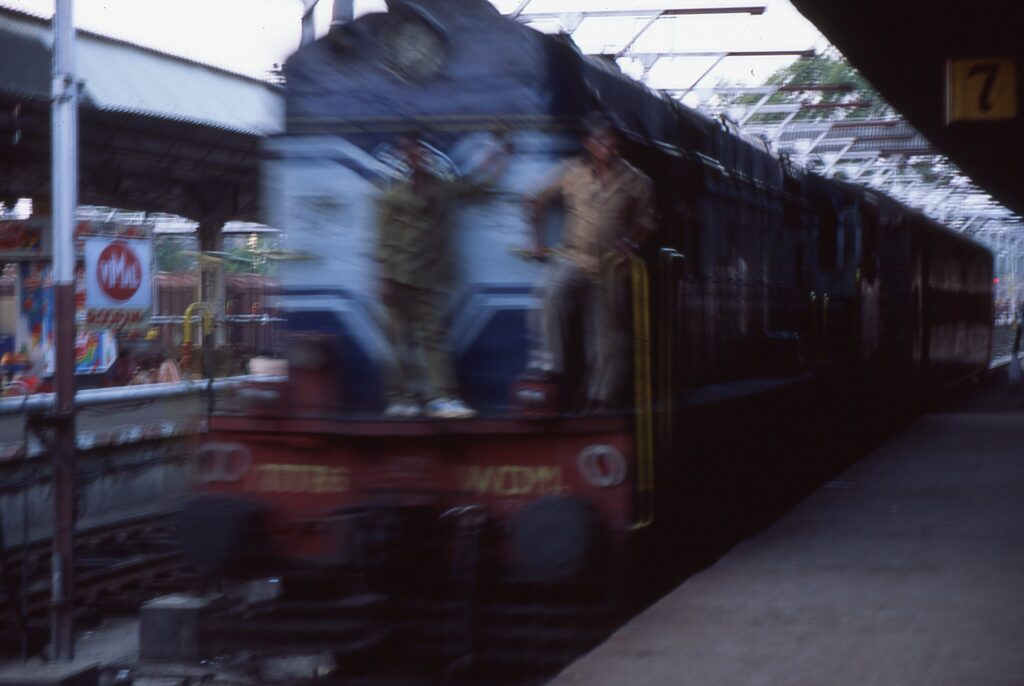
Travel By Rail Train travel in India is one of the most extensive, affordable, and culturally enriching ways to explore the country. The Indian Railways, operated by the Ministry of Railways, is one of the largest railway networks in the world and plays a pivotal role in the nation’s connectivity, economy, and daily life. Here’s an in-depth look into train travel in India: Indian Railways: A Vast Network Scale: Over 67,850 kilometers of track, connecting more than 7,300 stations. Daily Operations: Approximately 13,000 passenger trains operate daily, carrying over 23 million passengers. Geographic Coverage: The network spans from the Himalayan foothills in the north to the southern tip of Kanyakumari and from the deserts of Rajasthan in the west to the lush forests of the northeast. Types of Train Services Indian Railways offers diverse train services to cater to different budgets and travel preferences: Luxury Trains Designed for high-end travel experiences, often focusing on historical and scenic tourism. Notable trains: Palace on Wheels: A royal experience through Rajasthan. Maharajas’ Express: A luxurious train offering heritage routes. Deccan Odyssey: Showcasing the beauty of the Deccan Plateau. Premium Trains Rajdhani Express: High-speed, fully air-conditioned trains connecting major cities to Delhi. Shatabdi Express: Short-distance, high-speed intercity travel. Duronto Express: Non-stop services between major cities, known for efficiency. Vande Bharat Express: India’s first semi-high-speed train, offering modern features and speed. Superfast and Mail/Express Trains Widely used for medium- and long-distance travel with fewer stops. Examples: Kerala Express, Tamil Nadu Express. Passenger and Local Trains Serve commuters traveling short distances, including suburban areas and small towns. Examples: Mumbai Local Trains, Chennai Suburban Railway. Regional Trains Connect smaller towns and rural areas to more significant railway hubs, such as Jan Shatabdi and Intercity trains. Classes of Travel Indian trains offer multiple classes to suit various preferences: First Class AC (1A): Premium, spacious cabins with privacy and air-conditioning. Second AC (2A): Air-conditioned compartments with curtained bunks. Third AC (3A): Air-conditioned, affordable berths in an open-plan layout. Sleeper Class (SL): Non-air-conditioned berths for budget travelers. General Class (GS): Unreserved seating, extremely economical but often overcrowded. Iconic Train Journeys Some train routes are famous for their scenic beauty and unique experiences: Darjeeling Himalayan Railway (Toy Train): A UNESCO World Heritage Site offering spectacular views of the Eastern Himalayas. Konkan Railway: Travels through the picturesque Western Ghats, coastal regions, and tunnels. Nilgiri Mountain Railway: Another UNESCO World Heritage Site known for steep climbs and stunning vistas in Tamil Nadu. Modernization and Advances Indian Railways has seen significant advancements to improve passenger experience: High-Speed Rail (Bullet Trains): The Mumbai-Ahmedabad corridor is set to be India’s first bullet train route. Electrification: Most of the network is transitioning from diesel to electric traction for sustainability. Smart Coaches: Equipped with GPS, CCTV, and bio-toilets. Onboard Services: E-catering, Wi-Fi, and improved hygiene standards. Benefits of Train Travel in India Affordable: Ideal for budget-conscious travelers. Cultural Immersion: Interact with fellow travelers, enjoy local snacks, and witness the diversity of India. Scenic: Many routes provide breathtaking views of mountains, forests, rivers, and fields. Challenges Overcrowding, particularly in general compartments and popular routes. Punctuality Issues: Delays are standard on some routes, especially during extreme weather conditions. Infrastructure: While modernization is underway, some stations and trains still face cleanliness and maintenance issues. Tips for Train Travel in India Book tickets well in advance, especially during festivals or peak travel seasons. Travel light for convenience in crowded trains. Keep essentials like water, food, and entertainment handy during long journeys. Opt for AC coaches for comfort in extreme weather conditions. Ticket Booking Online Booking: Tickets can be reserved on the official IRCTC website or mobile app. Tatkal Scheme: Last-minute ticket bookings are available under this system. Season Passes: Frequent travelers use season tickets for local and suburban trains. Train travel in India offers an unparalleled experience, blending affordability, connectivity, and adventure. Whether you’re a local commuter or a tourist savoring India’s rich heritage, the railway system offers a unique insight into the nation’s essence. As modernization continues, train travel in India is set to become even more efficient, comfortable, and enjoyable.   Back to the Timeless India. 

Travel By Rail Read More »

Travel By Bus

Travel By Bus Bus travel is a vital mode of transportation in India, connecting urban centers, small towns, and remote villages. Known for its affordability and extensive reach, India’s bus network is one of the largest and most diverse in the world. It is an essential part of the daily commute for millions of people and a convenient option for travelers exploring the country. Importance of Bus Travel in India Connectivity: Buses provide access to areas not covered by trains or flights, mainly rural and hilly regions. Affordability: A cost-effective travel option for people across all economic strata. Convenience: High-frequency services and multiple boarding points make buses a flexible transportation choice. Types of Bus Services Indian bus services cater to various budgets, comfort levels, and travel distances. Government-Operated Buses Operated by State Road Transport Corporations (SRTC), these are often reliable and affordable. Examples: KSRTC (Karnataka) MSRTC (Maharashtra) APSRTC (Andhra Pradesh) TNSTC (Tamil Nadu) Government buses typically fall into these categories: Ordinary Buses: Economical but essential amenities, suited for short distances. Semi-deluxe and deluxe buses offer slightly better seating and comfort for longer journeys. Luxury Buses: Air-conditioned options with plush seating, catering to middle- and high-income travelers. Private Bus Operators Private operators provide extensive services with a focus on comfort and convenience. Popular operators include: VRL Travels, SRS Travels, RedBus partners, and more. Private buses are available in various formats: Non-AC and AC Buses: Suitable for different budgets and weather conditions. Volvo and Scania Coaches: Premium buses for intercity and long-distance routes, known for smooth rides. Sleeper Buses: Equipped with berths for overnight journeys. Luxury Buses: Wi-Fi, onboard entertainment, and clean restrooms are available in selected services. City Buses Urban areas often have a robust bus network: Low-Floor Buses: Operated in cities like Delhi, Bengaluru, and Mumbai for convenience and accessibility. Electric Buses: Environment-friendly buses are gaining traction in metro cities like Hyderabad and Pune. Mini-buses: Serve narrower lanes and less-crowded routes in towns and suburbs. Popular Bus Routes in India Bus routes often complement the railway network, ensuring smooth travel between cities and towns: Delhi to Jaipur: Frequent luxury and semi-deluxe buses connect the two cities within 5-6 hours. Chennai to Bengaluru: Overnight sleeper buses are a common choice for this route. Manali to Leh: A scenic yet adventurous route through the Himalayan mountains. Mumbai to Pune: A short and popular route with regular air-conditioned buses. Benefits of Bus Travel Affordable: A lower-cost alternative compared to trains and flights. Last-mile connectivity: Reaches places inaccessible by other modes of transportation. Flexible Timings: The high frequency of buses ensures flexibility for travelers. Variety: Travelers can choose buses based on their budget and comfort requirements. Challenges of Bus Travel in India Traffic Congestion: Travel time can be unpredictable, especially in cities and on busy highways. Comfort: Ordinary buses may lack adequate legroom and amenities. Overcrowding: Common in government-operated buses during peak hours and festivals. Road Conditions: Poor roads in certain regions can make journeys longer and less comfortable. Tips for Bus Travel in India Book tickets in advance, especially during peak travel seasons or on popular routes. Use Online Platforms: Websites like RedBus, AbhiBus, and MakeMyTrip make it easy to book tickets, compare prices, and check reviews. Pack Essentials: Carry water, snacks, and a light blanket for long journeys. Opt for Trusted Operators: When choosing private buses, select well-reviewed operators for safety and comfort. Be Punctual: Arrive at the bus stop early to avoid missing your ride. Advancements in Bus Travel The Indian bus system is evolving to meet modern needs: Electric and CNG Buses: Cities like Delhi and Bengaluru are investing in greener alternatives to reduce air pollution. Smart Ticketing: Contactless payments and mobile ticketing apps enhance user convenience. Better Infrastructure: Modern bus terminals with waiting lounges, clean restrooms, and digital information boards are being developed. Highways and Expressways: Improved road infrastructure, like the Mumbai-Pune Expressway, ensures faster and smoother journeys. Cultural Experience of Bus Travel Bus travel in India offers a unique opportunity to interact with people from different walks of life, listen to regional music, and even enjoy local snack vendors during stops. For tourists, it is a budget-friendly way to experience India’s diversity up close. Conclusion Bus travel in India remains indispensable for its extensive reach and affordability. Despite challenges, continued investments in technology, infrastructure, and comfort make it an increasingly preferred mode of travel for millions. Whether for a short urban commute or an intercity journey, buses offer an accessible and versatile way to explore the vibrant landscapes of India.   Back to the Timeless India. 

Travel By Bus Read More »

Local Transportation

Local Transportation India’s local transportation system is as vibrant and diverse as its culture. Each mode of transport caters to different needs and settings, reflecting the country’s mix of tradition and modernity. Auto-Rickshaws Auto-rickshaws are one of India’s most iconic and convenient forms of local transportation. These three-wheeled vehicles are ubiquitous in cities and towns, offering a fast and affordable means to navigate congested urban streets. Auto-rickshaws typically run on CNG or LPG in metro areas, ensuring eco-friendliness. Bicycle Rickshaws Bicycle rickshaws are a traditional, eco-friendly mode of transport still prevalent in smaller towns and older parts of major cities. They are human-powered and ideal for short-distance travel, especially in narrow-lane areas where motorized vehicles might struggle to pass. Uber and Ola Technology-driven cab services like Uber and its Indian counterpart, Ola, have become popular, especially in urban centers. These platforms offer app-based bookings with options ranging from shared rides to luxury vehicles. They offer convenience, transparency, and cashless payments, making them favorites among commuters. Taxis Conventional taxis remain an essential part of India’s transportation ecosystem. They can often be flagged down at specific taxi stands or booked via telephone or apps. While metered taxis dominate larger cities, fixed-rate systems are standard in smaller towns. Buses State-run and private buses are the backbone of public transportation in India. City buses connect neighborhoods within metropolitan areas, while intercity and interstate buses provide long-distance travel options. Services range from budget-friendly non-AC buses to luxury, air-conditioned coaches. Camel Transport In Rajasthan and Gujarat, camels are still a functional mode of transportation in rural and desert regions. Camel carts carry goods and people across the arid Thar Desert and serve as tourist attractions, offering rides through sandy dunes. Elephants While no longer a standard transportation method, elephants play a role in India’s tourism industry, especially in places like Jaipur and Kerala. They are used for ceremonial purposes and short rides, often as part of a royal or jungle-themed experience. Horse and Horse Carts (Tanga) Horses and horse-drawn carriages (locally known as “tangas” or “bagghis”) are traditional modes of transport still found in parts of rural India and at tourist spots. Hill stations like Shimla, Mussoorie, and Manali also share horse rides. Cycle Rentals and E-Bikes Modern cycling culture is growing in cities with dedicated cycle-sharing platforms and bike rental systems. This sustainable transport solution is especially popular for short-distance travel in eco-conscious areas like university campuses and tourist hotspots. Motorbikes and Scooters Two-wheelers are an essential mode of local travel in India. They provide quick and economical solutions for navigating crowded urban and rural areas. Rentals are typical in destinations like Goa, where travelers can rent motorbikes and scooters. Conclusion India’s local transportation systems showcase a harmonious coexistence of tradition and modernity. Whether it’s a camel ride in the dunes, a state-of-the-art app-based taxi service in a metropolis, or a nostalgic tanga ride through a village, the variety suits every preference and need; this diversity also reflects India’s adaptability and innovation, blending age-old practices with cutting-edge technology to meet the dynamic demands of commuters. Back to the Timeless India. 

Local Transportation Read More »

Climbing Into the Clouds: A Christmas Eve Adventure in Guatemala

Climbing into the Clouds: A Christmas Eve Adventure in Guatemala Acatenango Volcano Hike Around 3:30 am, someone abruptly wakes me up. That is if I had managed to get any sleep at all. Christmas Eve is a big fireworks night here in Guatemala. Our guide begins rallying the troops, but he makes it clear that visibility is limited due to cloud cover. People start to bail and head back to bed. Still, I’m here now (and awake), so I decided to push on. About half of us do. It’s cold! The sort of bitterness that the great explorers faced in the Arctic.  At least, that’s what I tell myself to push through it all. It’s freezing, or at least close to it. In my current state of consciousness, everything remains the same. This time, I borrowed an actual headlamp from someone who chose to stay behind. Note to self: Always bring spare flashlight batteries. At least I can see now.   Our Ascent. We start the climb to the summit. It’s steep and dark, and I’m only driven by some vague idea of the satisfaction I will get when I say I succeeded. I don’t remember much of this time—it was all instinct, and I think I managed to suppress every ounce of pain that I was feeling. But eventually, we summitted! Great success. At this point, the guide decided it would be beneficial to tell us that people had died trying to camp up here. It was below freezing at this altitude, and I didn’t need anything else to distract me. And now the view… Unfortunately, there was nothing to see on a night like this but clouds. I later learned that I last saw the volcano before the new year was one or two nights ago. (See featured photo.) We sat on the dirt for a bit and tried to take what we could. To be honest, I was thankfully too exhausted to be disappointed. Nevertheless, I must experience the sight of lava at some point in my life. It was time to descend. We bombed our way down that hill on the soft dirt, chasing the rising sun. I destroyed my Salomons, but at least they saw an actual trail, right? We had breakfast and then started the rest of the descent. I didn’t see anything, and yet I had a wonderful time. We had excellent guides and enjoyed the company during our Christmas Eve adventure in Guatemala! I have included a few additional photos from our trip to Guatemala City.  Author and photo credit: Neal

Climbing Into the Clouds: A Christmas Eve Adventure in Guatemala Read More »

Neighborhoods and Nostalgia: My San Francisco Story

Neighborhoods and Nostalgia: My San Francisco Story I fell in love with  San Francisco the first time I set foot in this magical city. My family immigrated to the United States in the late 1970s from the Philippines, and I can still vividly remember stepping off that plane and feeling the cool air that chilled me with excitement. Driving into San Francisco from the airport, I immediately noticed the fog and how it cascaded through the hills of the city. This was going to be a new adventure!!! Growing up in San Francisco, my siblings and I were exposed to many different cultures and different cuisines that were reflected in the many diverse neighborhoods in the city. I remember, as a young boy, going to Sunday service at St. Patrick’s Church on Mission Street and immediately going to Chinatown after mass to eat dim sum. I can still recall the hustle and bustle of the waitstaff pushing the carts with the steaming bamboo containers filled with all kinds of goodies. I also remember the first time we went to Japantown and walked around the center and tried sushi and ramen for the first time.  Of course, we also frequented the Mission District, where we had our first taste of the Mission Style Burrito, which is now popular all over the world. As I got older, I went to high school on the other side of town and was introduced to the communities on the west side of the City.  My friends and I would have bonfires at Ocean Beach and explore the Sunset District.  It was a more residential area at the time, but there were some hidden gems in the area.  At this time, I also spent a lot of time in the Richmond District of the city.  The Sunset and Richmond Districts are parallel to each other and are separated by Golden Gate Park. As a San Francisco resident, I have lived in many different neighborhoods. From Visitacion Valley with my family, my sister and I moved to Noe Valley near 24th Street, which is the commercial center of the neighborhood.  After a few years of living with my sister, I moved to a beautiful Victorian building in the Duboce Triangle area. From there, I moved to Glen Park for several years, and now I am at Twin Peaks, where I wake up to a view of the city every day. I love San Francisco, and I always will. It’s not a perfect city, but it’s perfect for me! Author and photo credit: Jojo  Check out our new Destination Guide, Navigate San Francisco Like a Pro, and plan your next adventure!

Neighborhoods and Nostalgia: My San Francisco Story Read More »

Navigate San Francisco Like a Pro: A Traveler’s Guide to San Francisco

SAN FRANCISCO A TRAVELER’S GUIDE Welcome to San Francisco, our favorite City by the Bay!  We write this guide to provide you with the information you need to plan your trip. We take you through the best of what San Francisco neighborhoods have to offer, from famous landmarks to hidden gems, ensuring you make the most of your visit. Whether you’re in San Francisco for one day, two days, a week, or even a month, you’ll never run out of things to do in this beautiful city. San Francisco is more than just a City to me—it’s the canvas of my formative years and my home away from home. Life has taken me away repeatedly—new opportunities, new beginnings—but each time, I find myself drawn back to this City that holds my heart. I still live within driving distance of San Francisco; it’s not the same as being fully immersed in its energy. I miss the vibe of the city, the hum of its streets, the food, and the way it feels like no other place in the world. Every visit reawakens my goal to return permanently, to once again live in this beautiful, vibrant city that shaped who I am. – Cristy Table of Contents Getting to San Francisco By AirSan Francisco International Airport (SFO) is the main gateway to the city, offering numerous domestic and international flights. Other nearby airports include Oakland International Airport (OAK) and San Jose International Airport (SJC). By TrainAmtrak offers services to San Francisco via the Emeryville station, with connecting buses to the city. The Coast Starlight and California Zephyr routes provide scenic journeys. By CarSan Francisco is accessible via major highways, including US-101 and I-80. Be prepared for traffic and limited parking in the city. Climate San Francisco has wet and moderate winters, sunny and temperate springs, foggy and cold summers, and bright and pleasant autumns. The average low temperature is 51 °F (11 °C), while the average high is 63 °F (17 °C). The average rainfall between November and April is roughly 21 inches (533 mm). There is sunlight for two-thirds of the potential daily hours. The most distinguishing element of the weather is the summer fog, which hovers low over the city until lunchtime, causing concern among shivering visitors. San Francisco Neighborhoods  Things to Do and See Sunset District Sunset District The Sunset District is a predominantly residential neighborhood located in the… Read More Richmond District Richmond District The Richmond District, located in the western part of San Francisco, is a diverse… Read More SOMA (South of Market) SOMA (South of Market) It is one of San Francisco’s most dynamic and rapidly evolving neighborhoods… Read More Tenderloin District Tenderloin District The Tenderloin District is a neighborhood with a complex and storied history… Read More Japantown Japantown It is one of only three Japantowns in the United States and one of the oldest and most… Read More Union Square Union Square Union Square is the bustling heart of San Francisco, known for its central location and… Read More Pacific Heights Pacific Heights Pacific Heights is one of San Francisco’s most affluent and prestigious… Read More The Marina District The Marina District The Marina District is a vibrant waterfront neighborhood in San Francisco that… Read More The Castro The Castro San Francisco’s vibrant LGBTQ+ epicenter, the Castro, is known for its historical… Read More Northbeach Often called San Francisco’s “Little Italy,” it is a lively and historic neighborhood… Read More The Nob Hill The Nob Hill Nob Hill is one of San Francisco’s most prestigious and historic neighborhoods… Read More Haight-Ashbury District Haight-Ashbury District Simply called “The Haight,” it is a historic San Francisco… Read More Fisherman’s Wharf Fisherman’s Wharf Fisherman’s Wharf is one of San Francisco’s most iconic and… Read More The Mission District The Mission District Commonly known as “The Mission,” it is one of San Francisco’s… Read More Chinatown Chinatown The oldest Chinatown in North America and one of the most significant outside of Asia… Read More The Presidio The Presidio The Presidio, a 1,491-acre park in the Golden Gate National Recreation Area, is a… Read More Beyond the Classics Hidden Gems Where to Find the Most Breathtaking Views in San Francisco Read More The Transamerica Pyramid Building Reimagined Read More Exploring Salesforce Tower and Its Urban Oasis Read More Golden Gate Park: What You Need To Know Read More Murals and Masterpieces The Streets of San Francisco Where Art and Culture Collide Click Here Budget Stays, Luxury Hotels, and Unique Alternatives The Ultimate San Francisco Accommodation Guide San Francisco Accommodations for Every Budget San Francisco Accommodations for Every Budget Finding the perfect hotel in San Francisco is all… Read More Alternative Accomodations in San Francisco Alternative Accomodations in San Francisco Affordable Stays with Stunning Views: Hostels Offering… Read More Culture and Creativity Exploring San Francisco’s Museums A guide to Art, Science, and Culture Click Here How to Get Around San Francisco Should You Drive or Take Public Transit? Driving a Car in San Francisco: Pros, Cons, and Tips Read More A Guide to Navigating San Francisco’s Public Transportation Read More Plan Your Adventure The Best of San Francisco 1, 2, and 3-Day Itinerary Click Here Our Stories Blogs The Maha Kumbh Mela: A Journey of Faith and Endurance Read More The Maha Kumbh Mela Day 1: Immersed in the Sea of Humanity Read More From Food Trucks to Fine Dining Our Favorite Best Eats in San Francisco Good Value – Gao Vietnamese Food Cheap Eats – Saigon Sandwich Good Value – Ichika Sushi Restaurant Good Value – Bravas Tapas Good Value – Coqueta Spanish Tapas Good Value – Che Fico Italian Restaurant Cheap Eats – Good Mongkok Bakery Cheap Eats – Truly Med Cheap Eats – Moya Ethiopian Food Z and Y Szechuan Restaurant Experiencing Keiseki at Kusakabe in San Francisco A Flavorful Escape: Dinner at Sorrel in San Francisco A Taste of San Francisco: Highlights from the Ferry Building Farmers Market Destination Guide: Bay Area and Beyond >>> COMING

Navigate San Francisco Like a Pro: A Traveler’s Guide to San Francisco Read More »

Where to Find the Most Breathtaking Views in San Francisco

Where to Find the Most Breathtaking Views in San Francisco San Francisco is famous for its breathtaking views, thanks to its rolling hills, iconic landmarks, and waterfront location. Here are some of the best places to capture stunning views of the city—perfect for photography enthusiasts or anyone who loves a wonderful panorama. No matter how long you’re in San Francisco, these viewpoints will ensure you leave with stunning photos and unforgettable memories of this magical city! Twin Peaks  Why Go: Offers one of the most comprehensive 360° views of San Francisco, including downtown, the Golden Gate Bridge, and the Bay. When to Visit: Sunset or after dark when the city lights sparkle. How to Get There: Drive or take the 37-Corbett bus. Limited parking is available near the summit. Golden Gate Bridge  North Side (Marin Headlands): Cross the bridge to the Marin Headlands for iconic shots of the bridge with the city skyline in the background. South Side (Battery Spencer): A short hike up to Battery Spencer provides close-up views of the bridge and the bay. How to Get There: Drive or take Golden Gate Transit buses. Rideshare apps are also an effortless option. Coit Tower  Why Go: Located atop Telegraph Hill, Coit Tower offers sweeping views of the Financial District, the Bay Bridge, and Alcatraz Island. Pro Tip: Pay to access the observation deck for the best vantage point. How to Get There: Walk up the Filbert Steps or take the 39-Coit Muni bus. Alamo Square (Painted Ladies)  Why Go: Capture the famous “Painted Ladies” Victorian houses with downtown San Francisco as the backdrop. Pro Tip: Visit early in the morning to avoid crowds and get softer light for photos. How to Get There: Take the 21-Hayes bus. Lands End Why Go: This rugged coastal park provides stunning views of the Pacific Ocean, the Golden Gate Bridge, and the Marin Headlands. The Labyrinth at Lands End is a particularly photogenic spot. Pro Tip: Wear sturdy shoes for hiking trails. How to Get There: Take the 38-Geary bus to 48th Avenue and walk to the trailhead. The Ferry Building  Why Go: From the Ferry Building, you can capture the Bay Bridge and waterfront views, especially beautiful during sunrise or at night when the bridge lights illuminate. Pro Tip: Combine this with a stroll along the Embarcadero. How to Get There: accessible via BART, Muni, and Ferries. Marin Headlands Why Go: postcard-perfect views of the Golden Gate Bridge with the city in the background. Popular spots include Hawk Hill and Kirby Cove. When to Visit: Sunrise for soft lighting or foggy mornings for dramatic effects. How to Get There: Drive or bike across the Golden Gate Bridge. Dolores Park  Why Go: Enjoy a laid-back vibe with panoramic views of the city skyline from this popular park in the Mission District. Pro Tip: Bring a blanket and snacks to relax while enjoying the view. How to Get There: Take the J-Church Muni line or 33-Ashbury bus. Baker Beach Why Go: Capture dramatic views of the Golden Gate Bridge framed by rugged cliffs and the ocean. It’s especially striking at sunset. How to Get There: Take the 29-Sunset bus. Treasure Island Why Go: Located in the middle of the bay, this island provides a unique perspective of the San Francisco skyline and both bridges. Pro Tip: Visit at night for dazzling city lights reflected on the water. How to Get There: Drive or take AC Transit from the city. Sutro Baths and Ocean Beach Why Go: For incredible sunset shots, head to the Sutro Baths ruins, where the waves crash dramatically against the shore. How to Get There: Take the 38-Geary bus or drive to the parking area near Lands End. The Top of Lombard Street Why Go: Known as the “crookedest street in the world,” the top of Lombard Street offers great views of Russian Hill and Coit Tower. Pro Tip: Combine this with a walk through North Beach. How to Get There: Take the Powell-Hyde cable car to the top of Lombard Street. Crissy Field Why Go: For waterfront views of the Golden Gate Bridge with Alcatraz and the city skyline in the background. Pro Tip: Great for morning walks or cycling along the path. How to Get There: Take the 28-19th Avenue bus or drive. Bernal Heights Park Why Go: This quiet hilltop park offers a peaceful setting with panoramic views of the city, including Twin Peaks, downtown, and the Bay Bridge. Pro Tip: Climb up at sunrise or sunset for stunning light and fewer people. How to Get There: Take the 67-Bernal Heights bus. Salesforce Park   Why Go: Located atop the Salesforce Transit Center, this rooftop park provides unique views of downtown San Francisco’s skyscrapers. Pro Tip: Free entry and plenty of green spaces to relax. How to Get There: Walk from nearby BART or Muni stops. Back to the main page, San Francisco neighborhoods, accommodations, and recommended itineraries, to continue planning your perfect adventure.

Where to Find the Most Breathtaking Views in San Francisco Read More »

The Best of San Francisco: 1, 2, and 3-Day Itineraries

The Best of San Francisco: 1, 2, and 3-Day Itineraries Day 1: Iconic San Francisco   Focus: Landmarks and Classic Experiences Morning: Golden Gate Bridge and Presidio Start your day: Walk or bike across the Golden Gate Bridge, enjoying views of the bay and the city skyline. Explore the Presidio: Visit Crissy Field for picturesque views and stroll through the park’s scenic trails. How to Get There: Take the 30 or 43 Muni buses or drive and park near Crissy Field. Grab lunch: Head to Fisherman’s Wharf for clam chowder in a sourdough bowl at Boudin Bakery or seafood at Pier Market. See the sea lions: Visit Pier 39 to watch the famous sea lions basking in the sun. Don’t miss the shops and the Aquarium of the Bay. How to Get There: From the Presidio, take the 28 bus or use a rideshare app. Afternoon: Alcatraz Island Take a ferry:  Visit Alcatraz, the infamous former prison. Book tickets in advance for a guided audio tour and incredible views of the city from the island. How to Get There: Ferries depart from Pier 33. Evening: North Beach and Coit Tower Dinner in North Beach: San Francisco’s Little Italy offers amazing Italian cuisine. Try Tony’s Pizza Napoletana or Original Joe’s or see our Food Guide for more options. Sunset views: Walk up to Coit Tower for panoramic views of the city lit by the golden hour. How to Get There: Walk from Pier 39 or take a rideshare to North Beach. Day 2: Neighborhoods and Hidden Gems   Focus: Culture and Diversity Morning: The Mission District Breakfast stop: Start your day at Tartine Bakery for fresh pastries. Explore murals: Walk down Balmy Alley and Clarion Alley to see the Mission’s famous street art. Visit Mission Dolores Park: Relax and enjoy views of the city from this vibrant community park. How to Get There: Take the 14-Mission or 22-Fillmore buses or BART to 16th Street Mission. Midday: Hayes Valley and Alamo Square Lunch in Hayes Valley: This trendy neighborhood has amazing eateries like Souvla (Greek street food) or The Grove. Painted Ladies: Walk to Alamo Square and snap a photo of the iconic Painted Ladies with the city skyline behind them. How to Get There: Take the 21-Hayes bus or rideshare from the Mission. Explore the park: Visit the de Young Museum, the Japanese Tea Garden, or simply enjoy a stroll through this massive urban oasis. Optional: Rent a bike to explore more of the park or visit Ocean Beach on the park’s western edge. How to Get There: Take the N-Judah Muni line or the 5-Fulton bus to Golden Gate Park. Evening: The Castro District Dinner in the Castro: Head to the historic LGBTQ+ neighborhood for dinner at Harvey’s or Starbelly. Nightlife: If you’re up for it, enjoy vibrant nightlife at one of the many iconic bars like Twin Peaks Tavern. How to Get There: From Golden Gate Park, take the N-Judah line to the Castro. Day 3: Off-the-Beaten-Path and More Views   Focus: Local Gems and Panoramic Views Morning: Chinatown and Union Square Dim sum breakfast: Start the day in Chinatown at Good Mong Kok Bakery or City View Restaurant. Explore Chinatown: Walk down Grant Avenue and visit the Dragon Gate, shops, and murals. Shop in Union Square: Head to San Francisco’s shopping district for iconic department stores and art galleries. How to Get There: Chinatown is easily walkable from Union Square or accessible via Muni and BART. Midday: The Richmond and Ocean Beach Lunch in the Richmond: Stop by Burma Superstar for delicious Burmese cuisine or Lou’s Cafe for hearty sandwiches. Ocean views: Walk along Ocean Beach or visit the historic Sutro Baths ruins for sweeping Pacific views. How to Get There: Take the 38-Geary bus or a rideshare. Afternoon: Twin Peaks 360° views: Drive or take the 37-Corbett Muni bus to Twin Peaks for the best panoramic views of San Francisco. It’s especially stunning on a clear day. Evening: Sunset in the Marina District Dinner in the Marina: End your day at Chestnut Street, known for excellent dining options like A16 (Italian) or Tacolicious. Golden Gate views: Walk along Marina Green to watch the sun set behind the Golden Gate Bridge. How to Get There: Take a rideshare or the 30-Stockton bus from Twin Peaks. Pro Tips for All Itineraries Use Muni & Cable Cars: The city’s public transportation is efficient and fun! Grab a day pass for unlimited rides on Muni and cable cars. Check out A Guide to Navigating San Francisco’s Public Transportation Wear Comfortable Shoes: San Francisco’s hills are no joke—be prepared to walk a lot. Book in Advance: Secure Alcatraz tickets, museum entries, and restaurant reservations early. Whether you have just one day or a few, San Francisco’s charm will leave you wanting to return. This city has an incredible mix of culture, history, and breathtaking views waiting to be explored! Check out Where to Find the Most Breathtaking Views in San Francisco! Back to the main page, Navigating San Francisco Like a Pro, to continue planning your perfect adventure.

The Best of San Francisco: 1, 2, and 3-Day Itineraries Read More »

Scroll to Top