
Batwa

Batwa & Tourism

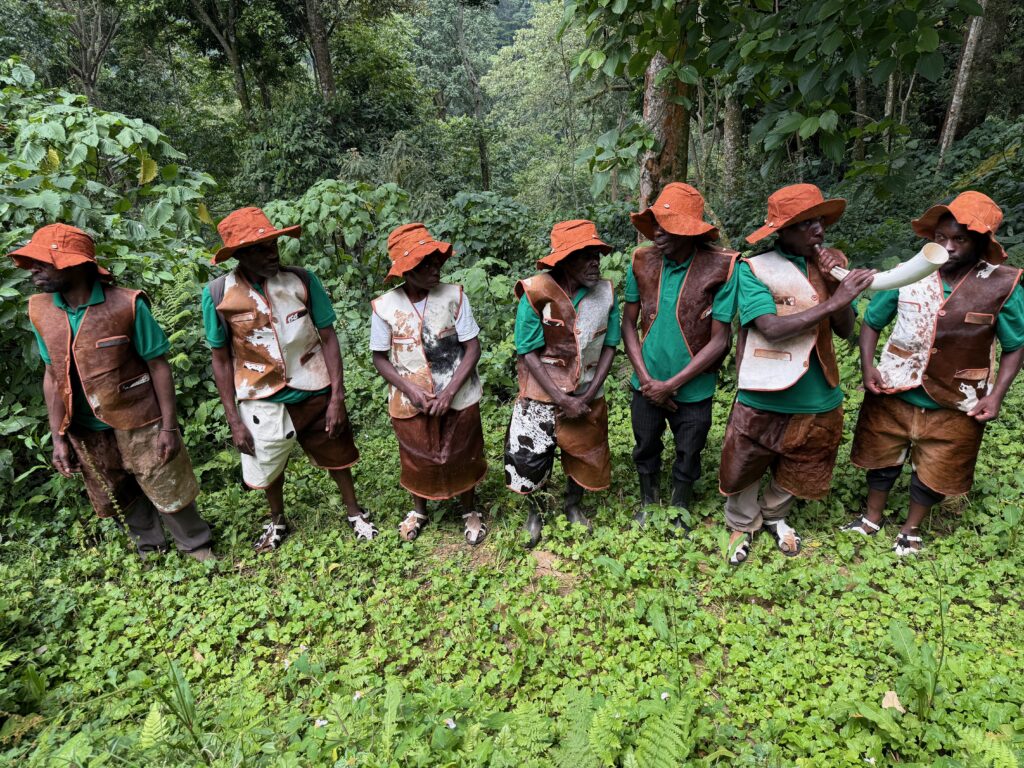
Batwa & Tourism There’s a version of this story that ends at the gorillas. Bwindi Impenetrable Forest protects roughly half the world’s remaining mountain gorillas, and travelers pay some of the steepest permit fees in wildlife tourism for an hour in their presence. It’s a genuine conservation success story. But spend a day in the region, and you’ll run into a second story sitting right beside the first one, the Batwa Cultural Experience, a half-day tour built around the community that lived in this forest long before it was a national park, and who were pushed out of it to make that park possible. The tour itself is straightforward on paper: a guided walk through the forest with Batwa community members, who demonstrate traditional skills: fire-starting by friction, hunting techniques, foraging for medicinal plants, building a temporary shelter, the same skills their parents and grandparents used to live in these hills full-time. There’s usually a stop in a village, sometimes a meal, often a performance of traditional song and dance. For visitors, it’s a few unforgettable hours. For the Batwa involved, it’s a job. This isn’t a museum exhibit or a historical reenactment. It’s living people narrating the loss of their own home, on a schedule, to a rotating cast of strangers, because the tourism economy built around their former land is now one of the only economies that will hire them. A portion of the revenue from these tours and from broader park fees does support Batwa communities, funding things like the Rushaga Community School, which allows Batwa children to attend for free, closing at least part of the education gap that opened up when their families lost the forest. Some of that money is real, and it does help. But it doesn’t undo the original story: people were removed from their land so the land could be protected, and now that same protection is monetized in a way that includes them only as guides, performers, and cultural consultants to their own history. This tour deserves a visit and added to your itinerary. We make sure we choose the right community-run operators to ensure revenue actually reaches Batwa households; they’re one of the more direct ways a traveler can put money into a marginalized community’s hands, and they give younger Batwa a reason and a means to keep traditions alive that might otherwise fade with their grandparents’ generation. But it’s worth going in without the comfortable version of the story. The one where conservation is an unambiguous win, and everyone benefits equally. The gorillas were saved. The forest is thriving. And the people who understood both best, longer than anyone, are still waiting for a version of “conservation” that includes them as more than an afternoon stop on someone else’s itinerary.   Stories from the Road Every journey has another story waiting to be discovered. Explore more experiences, cultures, wildlife, and people from around the world. EXPLORE ALL STORIES
Batwa & Tourism Read More »

Batwa: The Next Generation

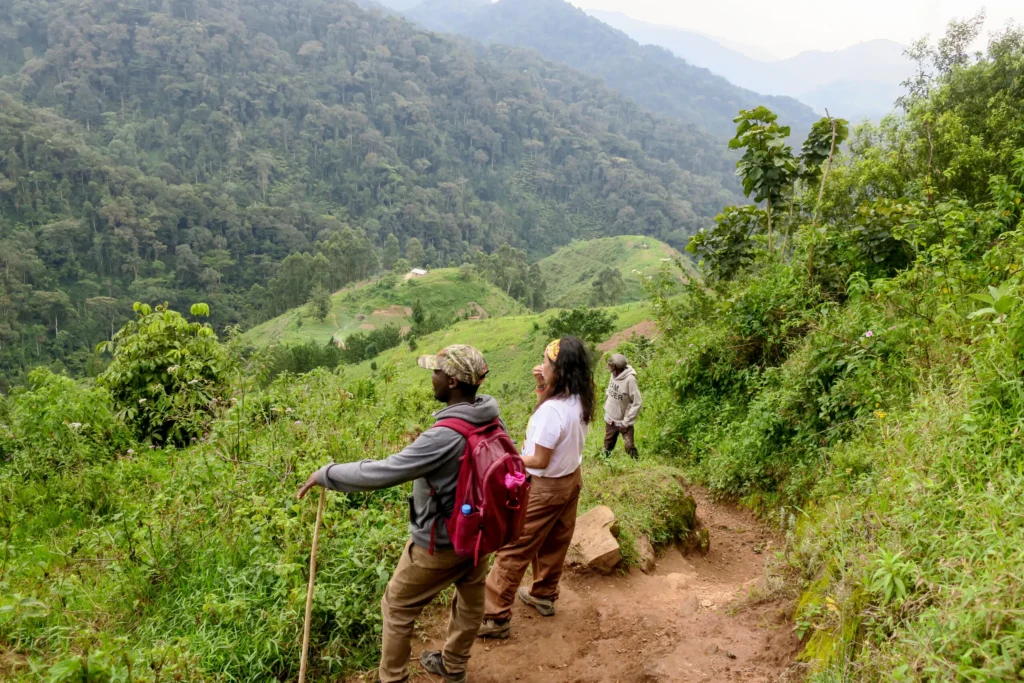
Batwa: The Next Generation The young men and women of the Batwa community weren’t alive when their families still lived inside the forest. They know that world the way most of us know our grandparents’ childhoods, through stories, told and retold, sitting close enough to listen carefully. And they do listen. Evenings are still spent with elders, hearing about life before 1991: how the forest provided everything, how their grandparents tracked, hunted, and moved through land that’s now off-limits to them except as visitors. It would be easy for that history to fade with the generation that actually lived it. Instead, the younger Batwa have taken on the job of remembering as something they actively hold onto. That resilience shows up in practical ways, too. Many young Batwa now work in the tourism industry that grew out of the very forest their families were pushed from. They work as guides on the Batwa Cultural Experience, and as UWA rangers within Bwindi and Mgahinga themselves. It’s not lost on anyone that this generation is walking back into the forest for a living, in a role their grandparents never could have imagined needing. And their children are growing up with something their parents didn’t have: free education, at community schools serving the Batwa families. That resilience shows up in practical ways, too. Many young Batwa now work in the tourism industry that grew out of the very forest their families were pushed from. They work as guides on the Batwa Cultural Experience, and as UWA rangers within Bwindi and Mgahinga themselves. It’s not lost on anyone that this generation is walking back into the forest for a living, in a role their grandparents never could have imagined needing. And their children are growing up with something their parents didn’t have: free education, at community schools serving the Batwa families. Stories from the Road Every journey has another story waiting to be discovered. Explore more experiences, cultures, wildlife, and people from around the world. EXPLORE ALL STORIES
Batwa: The Next Generation Read More »

The Batwa Team Leader

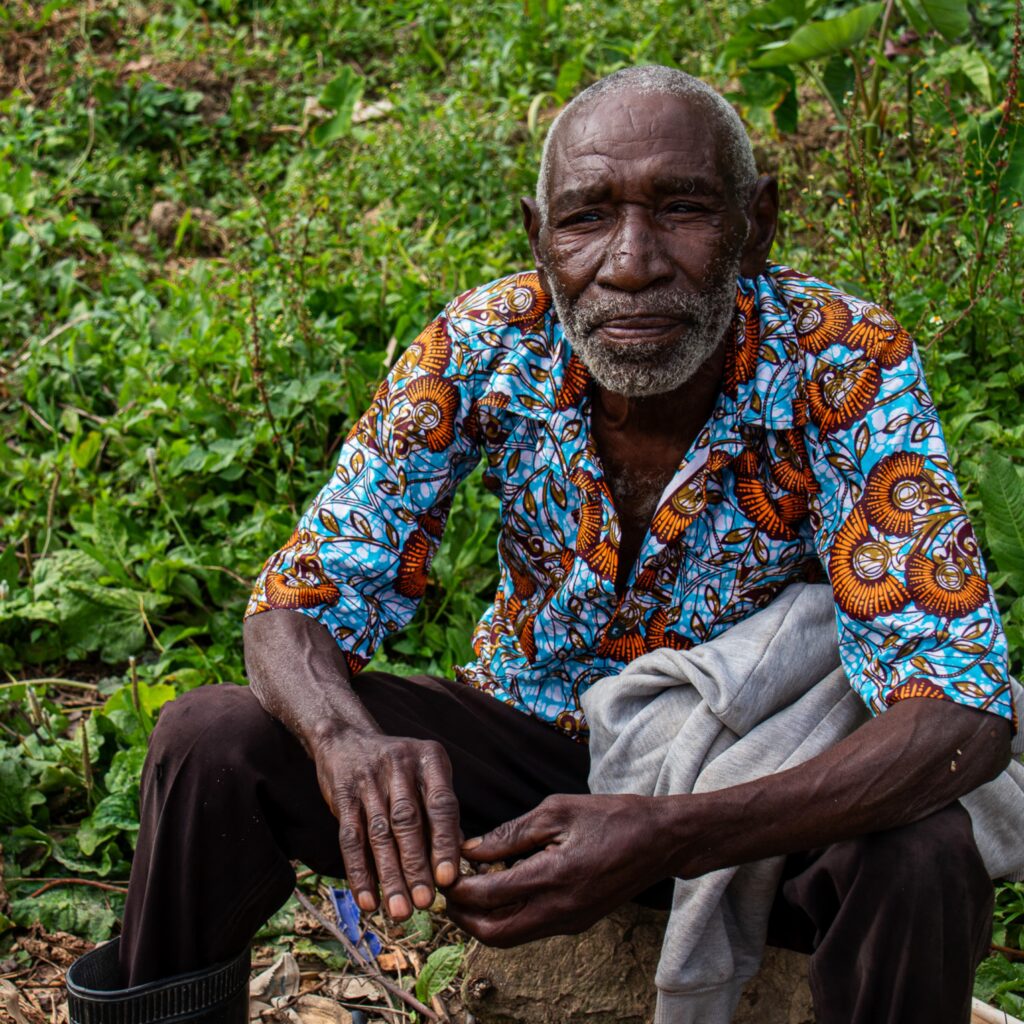
The Batwa Leader He was born in the forest, inside the forest. Before 1991, before the park boundary lines, before “conservation” became the word that would eventually push his family out of the only home they’d known, this stretch of Bwindi was where he was from. He didn’t lead with that story. He led with the fire. Crouched on the ground with two pieces of dry wood, he set into a rhythm that looked almost too casual for what it was. One stick spinning fast against a notch in the other, his palms rolling it back and forth like he was warming his hands. It took less time than I expected. A thread of smoke, a small ember caught in a nest of dry tinder, and then a flame. No lighter, no matches, nothing but wood, friction, and a set of hands that clearly weren’t doing this for the first time. He let it burn for a second before he looked up, grinning, and reached into his pocket for a box of matches. “Now it’s easy,” he said, striking one for comparison. What struck me most was the ease with which he held two completely different lives in the same afternoon: the boy who once needed that skill to survive, and the man who will never need it at all. He didn’t seem bitter about the gap. He is determined to make sure the culture and tradition don’t get lost, and despite everything that has changed, there will still be something real enough left to pass down to future generations. Later, I sat with the Batwa leader. He shared stories I will never forget.  He described life in the forest before 1991, how they moved freely, how they knew every trail and tree, and how the forest provided everything they needed. And then he told me about the day they were forced to leave.  There was no warning. Government officials arrived and told them that the forest was now protected and that they had to leave. As they walked out, they were ordered to surrender their traditional clothing and personal belongings. Everything made from the forest and everything that connected them to their identity was left behind. Those items were burned right in front of them as they left their home for the last time. In exchange, they received regular clothes and were told to start over. “We didn’t understand,” he said softly. “The forest was ours. We protected it. We lived with it, not against it. And then, suddenly, we were outsiders.” In his hands (see photo below) are the traditional fire-starting tools that sustained his ancestors for millennia. He demonstrated the technique with muscle memory still intact, sticks rubbing, friction building, and sparks emerging. Then came the matchbox and a bittersweet smile. “Now it’s easy.” Easy, yes. But something was lost in that convenience. He holds the fire-starting stick his ancestors used for generations, then smiles and pulls out a matchbox. “Now it’s easy.” This Batwa couple graciously shared their story with me, recounting their displacement from the forest and the rich life they once knew among the trees. Stories from the Road Every journey has another story waiting to be discovered. Explore more experiences, cultures, wildlife, and people from around the world. EXPLORE ALL STORIES

The Batwa Team Leader Read More »

Visiting The Batwa Village

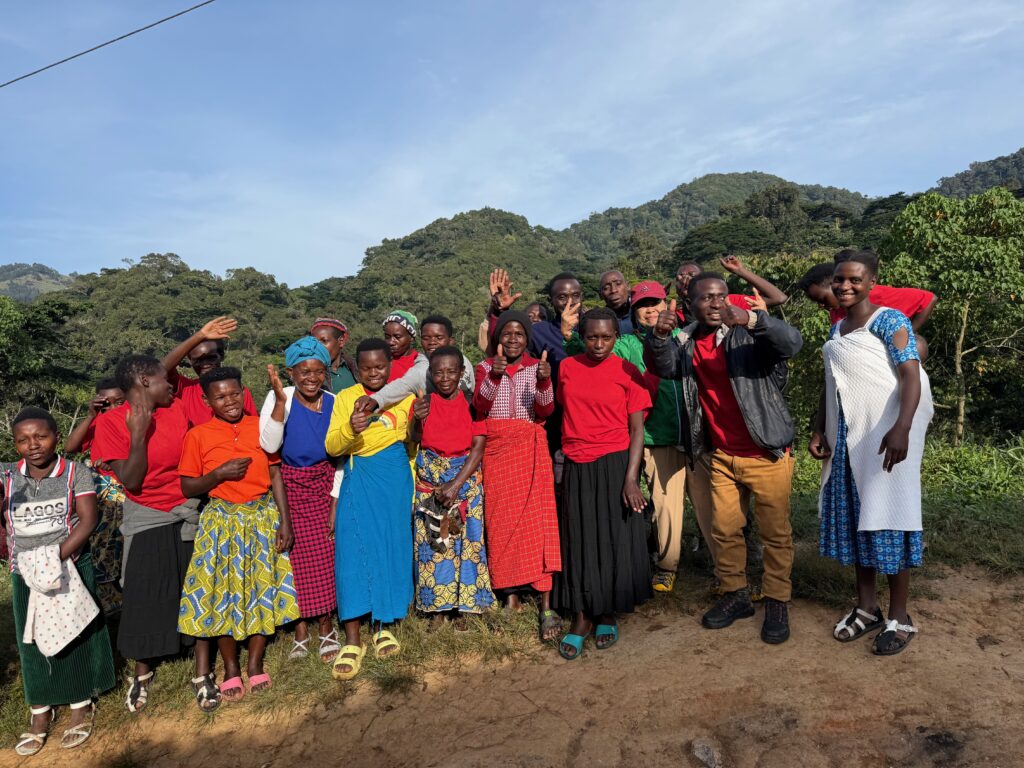
Visiting the Batwa Community The trek to the Batwa village was challenging, steep, winding, and unforgiving, but the landscape was breathtaking. When we arrived, the village was quiet. Not everyone was there, only those who did not work that day and the younger children. Others were away, earning what they could. We brought posho (starchy porridge) and a box of soap for the Batwa families and distributed drawstring backpacks to the children. We split the posho and soap so that each family received their share. It wasn’t much, but it was something, necessities that would help them get by a little longer. After we finished distributing everything, something surprising occurred. The whole village started to dance. It wasn’t about performance or showing off. It was their way of saying thank you, a gesture rooted in deep cultural tradition, a language of gratitude that went beyond words. They sang, moved, and smiled, and during those moments, joy filled a space usually marked by hardship. Later, I sat with the Batwa leader. He shared stories I will never forget.  He described life in the forest before 1991, how they moved freely, how they knew every trail and tree, and how the forest provided everything they needed. And then he told me about the day they were forced to leave.  There was no warning. Government officials arrived and told them that the forest was now protected and that they had to leave. As they walked out, they were ordered to surrender their traditional clothing and personal belongings. Everything made from the forest and everything that connected them to their identity was left behind. Those items were burned right in front of them as they left their home for the last time. In exchange, they received regular clothes and were told to start over. “We didn’t understand,” he said softly. “The forest was ours. We protected it. We lived with it, not against it. And then, suddenly, we were outsiders.” In his hands (see photo below) are the traditional fire-starting tools that sustained his ancestors for millennia. He demonstrated the technique with muscle memory still intact, sticks rubbing, friction building, and sparks emerging. Then came the matchbox and a bittersweet smile. “Now it’s easy.” Easy, yes. But something was lost in that convenience. He holds the fire-starting stick his ancestors used for generations, then smiles and pulls out a matchbox. “Now it’s easy.” This Batwa couple graciously shared their story with me, recounting their displacement from the forest and the rich life they once knew among the trees. Some of the Batwa showed me their homes. A few had built traditional houses, small structures made from natural materials, constructed the way their ancestors had. They said they couldn’t get comfortable in the concrete houses the government built. Those houses didn’t feel like home. As I left the village that day, I reflected on resilience, not the romanticized kind, but the essential kind for survival. The Batwa didn’t choose displacement. They didn’t choose poverty or marginalization. Yet, they’re still here. Still dancing and still teaching their children their tradition. Still holding onto parts of who they are, even as the world tries to erase them! This story is not about nostalgia. It is not about romantic resilience. The Batwa did not choose displacement. They did not select marginalization. Yet they continue, dancing, teaching, remembering, speaking. Listening to them is not optional. It is essential. The following day, I walked through the forest with a Batwa guide named Daniel during the Batwa Experience. They showed how their ancestors made fire, hunted, gathered medicinal plants, and built shelters. The knowledge was precise, embodied, and intensely alive. But when the tour ended, they left the forest, just like we did. The difference is, they are only allowed to enter it now as guides, not as the people who once belonged to it!   Stories from the Road Every journey has another story waiting to be discovered. Explore more experiences, cultures, wildlife, and people from around the world. EXPLORE ALL STORIES

Visiting The Batwa Village Read More »

Scroll to Top