Conservation

Why Conservation Matters

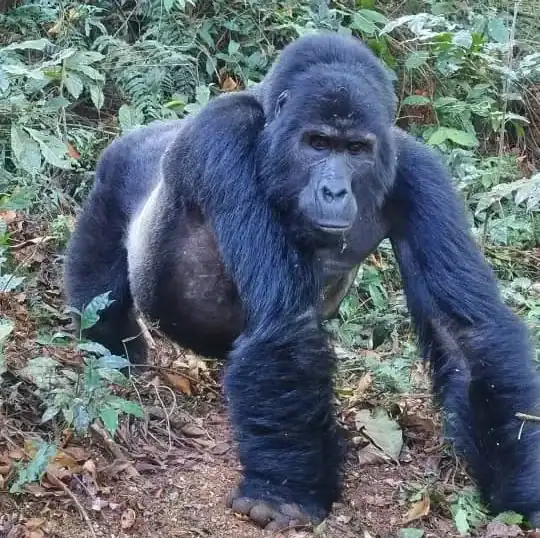
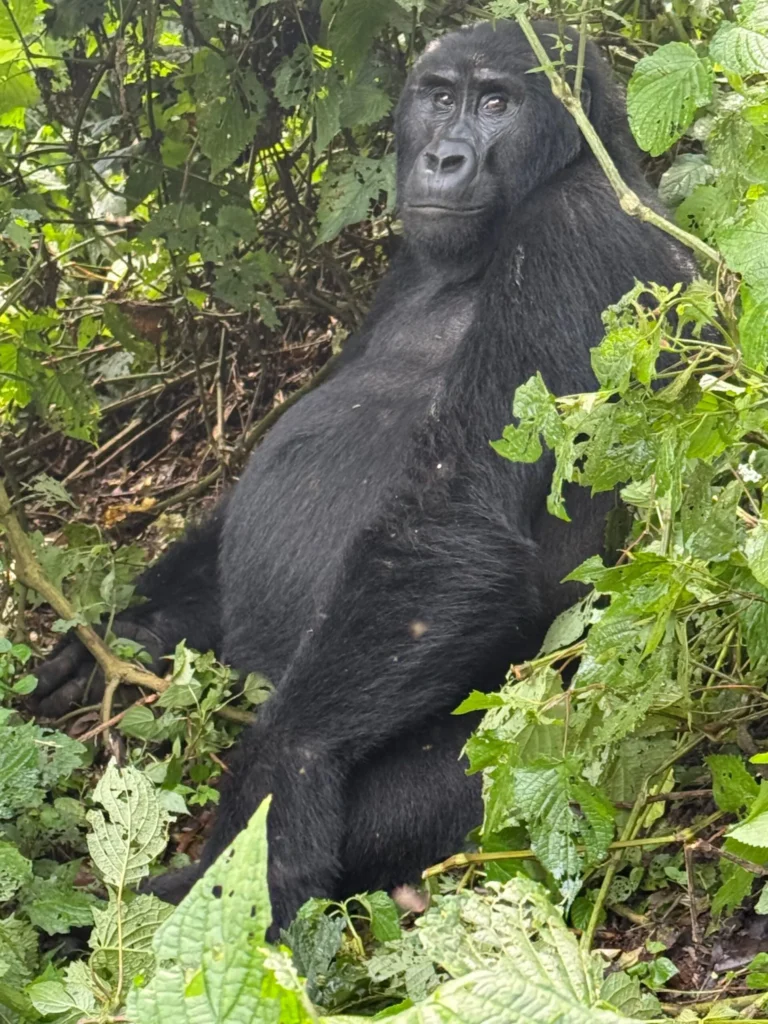
WHY CONSERVATION MATTERS Protecting Mountain Gorillas for the Next Generation The story of the mountain gorilla is one of the greatest conservation successes of our time. In the 1980s, fewer than 300 mountain gorillas remained in the wild. Today, thanks to dedicated conservation efforts and responsible tourism, that number has increased to over 1,000. But this progress didn’t happen by chance, and it won’t keep going without our support. In the 1980s, fewer than 300 mountain gorillas remained on the entire planet. That’s not a typo. A species now considered one of conservation’s great comeback stories was, within living memory, close enough to extinction that its survival was genuinely in question. The numbers since then tell the story of what sustained, patient effort can do. In 2011, Bwindi alone had roughly 400 mountain gorillas. By 2018, that had grown to 459. Today, the global population stands at over 1,000 individuals,  and it’s still climbing. That recovery didn’t happen on its own. It happened because rangers, researchers, governments, and travelers all kept showing up for it, year after year, long after the initial crisis had faded from headlines. Why One Species Protects Hundreds Mountain gorillas are what conservationists call an “umbrella species.” Protect them, and you’re not just protecting one animal. You’re protecting the entire ecosystem they depend on. Bwindi Impenetrable National Park is one of the most biodiverse forests in Africa, home to over 120 mammal species, 350 bird species, 200 butterfly species, and countless plants, insects, and microorganisms most visitors will never even notice. Every ranger patrol, every habituation project, every dollar that goes toward gorilla protection ends up protecting all of it:  the rivers, the forest canopy, the entire web of life that depends on this specific patch of the planet staying intact. The Threats Haven’t Disappeared Despite the recovery, mountain gorillas are still not out of danger. They remain vulnerable to habitat loss, to poaching, and,  perhaps counterintuitively, to us: because they share so much of our DNA, mountain gorillas can catch human illnesses, which is part of why health checks and masks are non-negotiable on every trek. Conservation isn’t a problem that gets solved once. It’s a condition that has to be maintained, actively, indefinitely. Building Something That Outlasts a Single Trip This is where “for future generations” stops being a slogan and starts being a design choice. Mi Bella Mondo’s approach to protecting gorillas’ long-term means investing directly in the people who live alongside them. We work on the ground with our local partners, including the founding director of the Rushaga Community School, along with the UWA rangers and other local stewards of this land who protect it every day. That means education initiatives for the children and youth of Rushaga, and conservation efforts that are genuinely locally led. When a community has a direct stake in the forest surviving, through jobs, schools, and opportunity, protecting that forest becomes simply how the next generation gets to grow up. What “Future Generations” Actually Means Here It means a ranger habituating a family today so a family of gorillas and the tourism economy still exists in 30 years. It means a child at the Rushaga Community School getting an education that might make them the next change-maker, the next ranger, the next tracker, the next guide. It means a population of gorillas that went from 300 to over 1,000, continuing that trajectory instead of reversing it. None of that happens by accident, and none of it happens quickly. This is the outcome every ranger, every dollar of permit revenue, and every responsible traveler is actively working towards, one habituated family and one supported child at a time. Everyone is a Conservationist! You don’t need to be a biologist or live in Uganda to make a difference. You need to care. And if you’ve read this far, you already do! Let’s Travel For GOOD. Stories from the Road Every journey has another story waiting to be discovered. Explore more experiences, cultures, wildlife, and people from around the world. EXPLORE ALL STORIES

Why Conservation Matters Read More »
Is it Ethical?

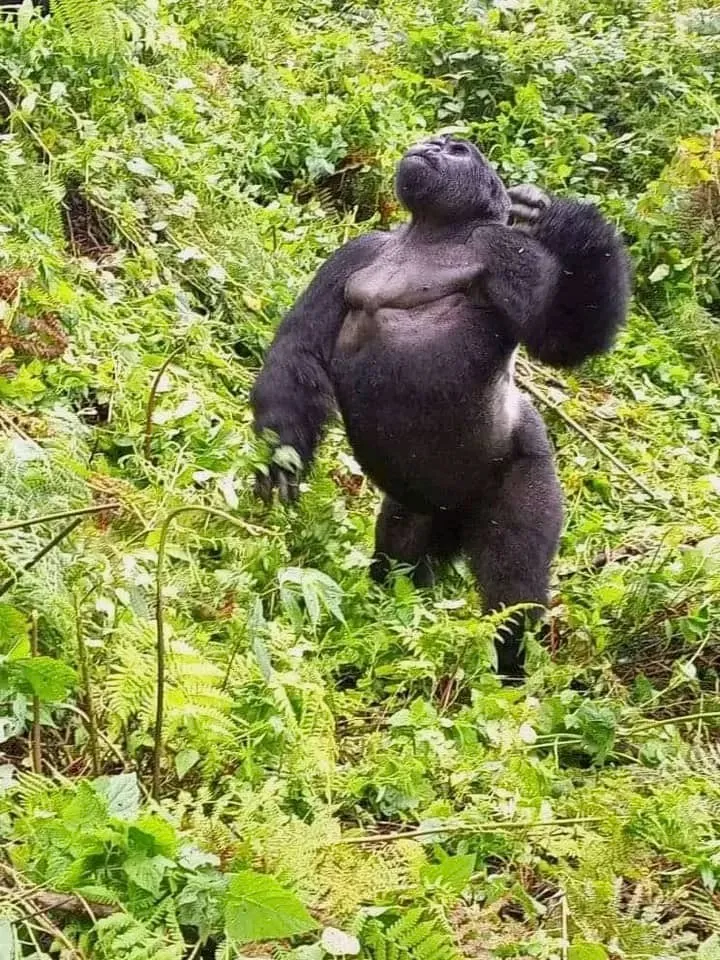
Is it Ethical? The Question Everyone Asks About Gorilla Trekking I asked Nicholas directly: Is it ethical to habituate wild animals this way? “The gorillas we habituate are calm,” he explained. “They don’t run. They don’t show stress. They’ve learned that we mean no harm. Is it different from their natural life? Yes. But without tourism, without the money and attention it brings, we probably wouldn’t have gorillas at all.” He’s right. In the 1980s, fewer than 300 mountain gorillas remained in the wild. Today, thanks to conservation efforts primarily funded by tourism, that number has grown to over 1,000. Habituation changes gorilla behavior—they become comfortable around humans in a way wild animals typically aren’t. But when done carefully, ethically, and with strict limits, the benefits for conservation far outweigh the risks. Uganda’s regulations are rigorous, the conservation impact is genuine, and the experience leaves you with a deep sense of connection to these remarkable animals. Habituation changes gorilla behavior—they become comfortable around humans in a way wild animals typically aren’t. But when done carefully, ethically, and with strict limits, the benefits for conservation far outweigh the risks. Uganda’s regulations are rigorous, the conservation impact is genuine, and the experience leaves you with a deep sense of connection to these remarkable animals. The Rules That Protect Maximum of 8 tourists per family per day — This limits disturbance and stress. Masks required — Prevents transmission of human diseases. Health checks before trekking — Anyone showing symptoms of illness cannot trek. This rule is non-negotiable. 7-meter distance rule — Though not always possible in dense forest, guides enforce this carefully. The gorillas are wild and move freely; they don’t always respect the 7-meter rule themselves. One hour with the gorillas — Limits exposure time. No eating or drinking near gorillas — Prevents contamination and habituation to human food. Personal Note: This is why my first trek was cancelled. I had a cold, and they wouldn’t let me go. It was disappointing, but absolutely the right call. Nicholas put it: “These gorillas are ambassadors. Once you meet them, you’ll do anything to protect them. And that’s what keeps them alive.” My takeaway: Gorilla trekking can be ethical when conducted with care, respect, and in accordance with strict conservation guidelines. At Mi Bella Mondo, we work directly with our local partner at the Rushaga Community School to ensure that every tour we create supports not only the wildlife and the forest but also the communities that live alongside them. Responsible travel means everyone benefits: gorillas, nature, and the people who protect them. Let’s Travel For GOOD. Stories from the Road Every journey has another story waiting to be discovered. Explore more experiences, cultures, wildlife, and people from around the world. EXPLORE ALL STORIES

Is it Ethical? Read More »

Gorilla Habituation

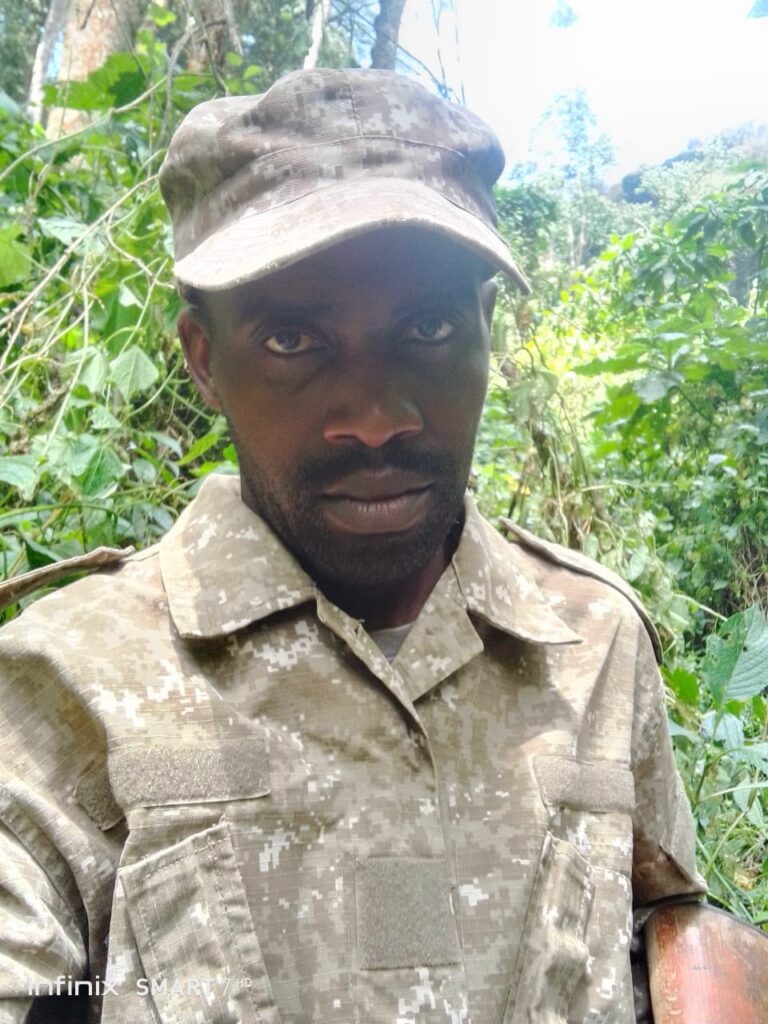
What is Gorilla Habituation Inside the Process That Makes Trekking Possible Every gorilla family you can trek to see today started completely wild, untouched by human contact, moving through the forest the way gorillas have for millions of years. Getting from that starting point to a family calm enough to let eight strangers stand seven meters away for an hour is a process called habituation, and it’s one of the least-talked-about parts of the entire gorilla trekking experience. A Day Job Like No Other It Takes Years, Not Weeks Habituation isn’t quick or easy. It takes between 2 and 5 years of daily commitment, and Nicholas was there for every step of the Shajare family’s journey. Every morning, he would follow the family to their nesting spot from the night before. He began by observing from 15-20 meters away, watching how they fed, played, groomed, and interacted. Gradually, over months, he moved closer—but only when the gorillas showed no signs of stress or fear. He made soft sounds so they learned to recognize his voice. He moved predictably so they understood his intentions. He showed calm, non-threatening body language. Essentially, he taught the gorillas a simple lesson: “We’re not a threat.” Over time, the gorillas ceased running when he approached. They stopped watching him nervously. They went about their daily routines—eating, playing, resting—as if he were just another part of the forest. And that’s when a family is considered habituated The Bashate Family: Years of Dedication Nicholas didn’t just habituate the Shajare family. Years earlier, he had done the same work with the Bashasha family, another gorilla group in Bwindi. As we talked, his eyes lit up. He pulled out his phone and began scrolling through photos—images of gorillas he’d spent years getting to know. Each photo came with a story. This one is the playful youngster who always got into trouble. That one is the gentle mother who fiercely protected her baby. This silverback had the calmest temperament Nicholas had ever seen. You could see the pride in his face. These weren’t just animals he’d observed for work. These were individuals he knew intimately, gorillas whose trust he’d earned through patience and respect. How It Actually Works Every morning, the ranger follows the family to their nesting spot from the night before. It starts with distance: observing from 15-20 meters away, simply watching how the gorillas feed, play, groom, and interact without trying to get any closer. Gradually, over months, the ranger moves closer only when the gorillas show no signs of stress or fear. He makes soft sounds so they learn to recognize his voice. He moves predictably, so his actions become familiar instead of alarming. He uses calm, non-threatening body language. The entire process is essentially one long, patient lesson repeated day after day: we’re not a threat. Over time, the gorillas stop running when he approaches. They stop watching him nervously. They go about their daily routines: eating, playing, resting as if he’s simply become part of the forest. That’s the moment a family is considered habituated. It Doesn’t Always Go Smoothly Habituation isn’t a straight line. The first time a wild gorilla charges you is, by every account, incredibly challenging. A full-grown silverback running directly at you, and the only correct response is to stand your ground until he stops and looks at you instead of through you. Some families make it harder than others. One ranger who worked on a family with two silverbacks described both of them charging from different directions at once during the process,  a level of intensity that would send most people running. It took relentless daily persistence, not a single dramatic breakthrough, to get that family to the other side. Why It Matters for Every Trekker Habituated gorilla families are the backbone of gorilla tourism, and tourism is what funds conservation. Without habituation, there are no permits, no tourism revenue, and far less protection for these endangered animals. Habituation also allows researchers and veterinarians to monitor gorilla health more closely, respond quickly to injuries or illness, study behavior and social dynamics, and track population changes, all of which is essential to keeping the species alive. The Numbers Behind the Work Uganda alone is now home to more than 20 habituated gorilla families across its different trekking sectors. Each one represents years of a single ranger’s daily commitment. That’s part of what makes Uganda such a strong choice for travelers: more habituated families means more permit availability, smaller groups, and a wider range of trekking experiences, all built on the same patient process repeated over and over across the forest. The hour you spend with a gorilla family isn’t just the result of a good guide and a lucky sighting. It’s the end product of years of someone showing up, every day, until a wild animal decided a stranger wasn’t a threat. Photo Credit: Nicholus, UWA Ranger  Stories from the Road Every journey has another story waiting to be discovered. Explore more experiences, cultures, wildlife, and people from around the world. EXPLORE ALL STORIES

Gorilla Habituation Read More »

Interview with Nicholus

From Law Enforcement to Habituation A Conversation with Nicholus Mubangizi In the heart of Bwindi Impenetrable National Park, the line between the wild and the human world is bridged by dedicated individuals like Nicholus Mubangizi. A Ranger with the Uganda Wildlife Authority (UWA), Nicholus has spent the last eight years on the frontlines of conservation. I recently caught up with him to discuss his incredible journey from law enforcement to earning the trust of wild gorilla families. When did you start working for UWA? I joined the Uganda Wildlife Authority on May 12, 2018. I spent my first three years in law enforcement, protecting natural resources and ensuring visitor security in this World Heritage site. For the last five years, I have focused on tracking and habituation, the patient process of changing animal behavior so they become used to humans. Which families have you habituated? I habituated the Happy group (Ruhija sector) and the Nshanjare group (Rushaga sector). The memories are unforgettable. The first time a wild gorilla charges you, it is incredibly challenging. But when the Silverback charges, and you stand your ground, and he just stops and looks at you. It is amazing. What about the Nshanjare group specifically? That was my first time habituating a family with two silverbacks. They would both charge from different directions at once! But because of my love for conservation, I didn’t give up until they slowly became used to us. Secrets of the Forest Nicholus sees things in the forest that most visitors never will: Natural Healing: Most plants gorillas feed on are actually medicine. Surprising Bonds: Silverbacks will step in to care for a baby if the mother dies. Peaceful Coexistence: Chimpanzees and gorillas share the same home range without interference. Recruitment: Once, after hearing a fight, we found the Silverback ‘Happy’ had successfully ‘grabbed’ a wild adult female and added her to his family. The Reality of a Ranger’s Life A typical day involves hiking through rain or shine for 4 to 5 hours just to reach the gorillas. While the work is physically demanding and the pay is low compared to the cost of living, Nicholus remains hopeful. A Growing Legacy The numbers tell a story of success: In 2011, Bwindi had 400 mountain gorillas. By 2018, that number rose to 459. Globally, the population stands at 1,063 and is expected to continue increasing based on recent census data. Nicholus attributes this to high birth rates, a well-protected ecosystem, and the support of stakeholders and neighboring communities. A Day Job Like No Other “I came to this forest every single day,” Nicholas told me, his voice filled with quiet pride. “8 AM to 5 PM, like a normal job. Except my office was the forest, and my colleagues were gorillas.” For four years, Nicholas followed the Shajare family through Bwindi’s impenetrable undergrowth. He observed them, cared for them, and gradually taught them that humans weren’t a threat. He learned their personalities, documented their behaviors, and watched them grow from a wary wild family into gorillas comfortable enough to allow visitors into their world. At the time of habituation, there were eleven members in the Shajare family. Nicholas knew each one by name, by temperament, by the role they played in the group. He explained that gorilla families often split into smaller groups since each typically has just one silverback—the dominant male who leads and protects them. The Work Behind the Magic Habituation isn’t quick or easy. It takes between 2 and 5 years of daily commitment, and Nicholas was there for every step of the Shajare family’s journey. Every morning, he would follow the family to their nesting spot from the night before. He began by observing from 15-20 meters away, watching how they fed, played, groomed, and interacted. Gradually, over months, he moved closer—but only when the gorillas showed no signs of stress or fear. He made soft sounds so they learned to recognize his voice. He moved predictably so they understood his intentions. He showed calm, non-threatening body language. Essentially, he taught the gorillas a simple lesson: “We’re not a threat.” Over time, the gorillas ceased running when he approached. They stopped watching him nervously. They went about their daily routines—eating, playing, resting—as if he were just another part of the forest. And that’s when a family is considered habituated The Bashate Family: Years of Dedication Nicholas didn’t just habituate the Shajare family. Years earlier, he had done the same work with the Bashasha family, another gorilla group in Bwindi. As we talked, his eyes lit up. He pulled out his phone and began scrolling through photos—images of gorillas he’d spent years getting to know. Each photo came with a story. This one is the playful youngster who always got into trouble. That one is the gentle mother who fiercely protected her baby. This silverback had the calmest temperament Nicholas had ever seen. You could see the pride in his face. These weren’t just animals he’d observed for work. These were individuals he knew intimately, gorillas whose trust he’d earned through patience and respect. “It’s Like Watching Your Children Graduate” “When a family is finally habituated,” Nicholas said, “it’s like watching your children graduate. You’ve been with them through everything—births, deaths, fights, and peaceful moments. You know each one by name, by personality. And now, they trust humans enough to share their world with visitors like you.” He paused, looking back toward the forest where the Shajare family was somewhere deep in the trees. “The Shajare family took four years. Every day, rain or shine, I was here. And now, you’ve got to meet them. That’s why I do this work.” Why Habituation Matters Habituated gorilla families are the backbone of gorilla tourism, and tourism is what funds conservation. Without habituation, there would be no permits, no tourism revenue, and far less protection for these endangered animals. But Nicholas’s work goes beyond tourism. Habituation also allows researchers and veterinarians to monitor gorilla health more closely,

Interview with Nicholus Read More »

Your Visit Makes a Difference

Your Visit Makes A Difference How Responsible Tourism Protects the Gorillas The story of the mountain gorilla is one of the greatest conservation successes of our time. In the 1980s, fewer than 300 mountain gorillas remained in the wild. Today, thanks to dedicated conservation efforts and responsible tourism, that number has increased to over 1,000. But this progress didn’t happen by chance, and it won’t keep going without our support. Financial Support for Protection   Every gorilla trekking permit purchased funds: Ranger patrols that protect gorillas from poachers Veterinary care for sick or injured gorillas Habitat restoration and protection Research and monitoring programs Economic Incentive for Conservation When local communities benefit economically from gorilla tourism, they become the gorillas’ greatest protectors. Tourism creates jobs as guides, trackers, porters, lodge staff, and artisans. It funds schools and healthcare. It gives people a reason to protect the forest rather than clear it for agriculture. Global Awareness Every person who treks to see mountain gorillas becomes an ambassador. You return home with stories, photos, and a deep connection to these animals. You tell others. You donate. You care. And that matters. Responsible Tourism: The Rules That Protect Uganda has strict regulations to ensure tourism doesn’t harm the gorillas: Maximum of 8 tourists per family per day – This limits disturbance and stress Masks required – Prevents transmission of human diseases Health checks before trekking – Anyone showing symptoms of illness cannot trek 7-meter distance rule – Though not always possible in dense forest, guides enforce this carefully One hour with the gorillas – Limits exposure time No eating or drinking near gorillas – Prevents contamination and habituation to human food What Can You Do Choose Responsible Tour Operators: Book with companies that prioritize conservation and community benefit. At Mi Bella Mondo, we work directly with our local partner at the Rushaga Community School to support education for the children and youth of the community. Follow the Rules: The guidelines exist for a reason. Stay quiet, keep your distance, wear your mask, and always follow your guide’s instructions. Support Local Communities: Hire porters, buy from local artisans, stay in community-owned lodges, and tip generously for good service. Spread Awareness: Share your experience. Tell people why mountain gorillas matter and why protecting them matters. Inspire others to travel responsibly. Contribute to Conservation Organizations:  Consider supporting organizations working directly with local stewards on the ground, such as the Dian Fossey Gorilla Fund, which does critical work protecting mountain gorillas. Even small donations make a difference. The Big Picture Conservation isn’t just about saving gorillas. It’s about protecting entire ecosystems. Bwindi Impenetrable National Park is one of the most biodiverse forests in Africa, home to: Over 120 mammal species 350 bird species 200 butterfly species Countless plants, insects, and microorganisms When we protect gorillas, we protect this entire web of life. Everyone is a Conservationist! You don’t need to be a biologist or live in Uganda to make a difference. You need to care. And if you’ve read this far, you already do! Let’s Travel For GOOD. Stories from the Road Every journey has another story waiting to be discovered. Explore more experiences, cultures, wildlife, and people from around the world. EXPLORE ALL STORIES

Your Visit Makes a Difference Read More »

Scroll to Top